In-House vs. Outsourced Sintering: 4D-PRO-ML Zirconia Blocks
Quick answer: For 4D-PRO-ML zirconia blocks, neither in-house sintering nor outsourced sintering is universally better. In-house sintering gives the lab direct control over the Dental Sintering Furnace, the 1430°C–1450°C heating and holding curve, and the indoor constant-temperature laboratory environment, but it also requires validated equipment, trained staff, and batch discipline. Outsourced sintering can remove the furnace from the lab's scope, but the lab must verify the center's written curve, handling, traceability, and acceptance criteria. The right route is the one the lab can document and repeat under its own quality system.
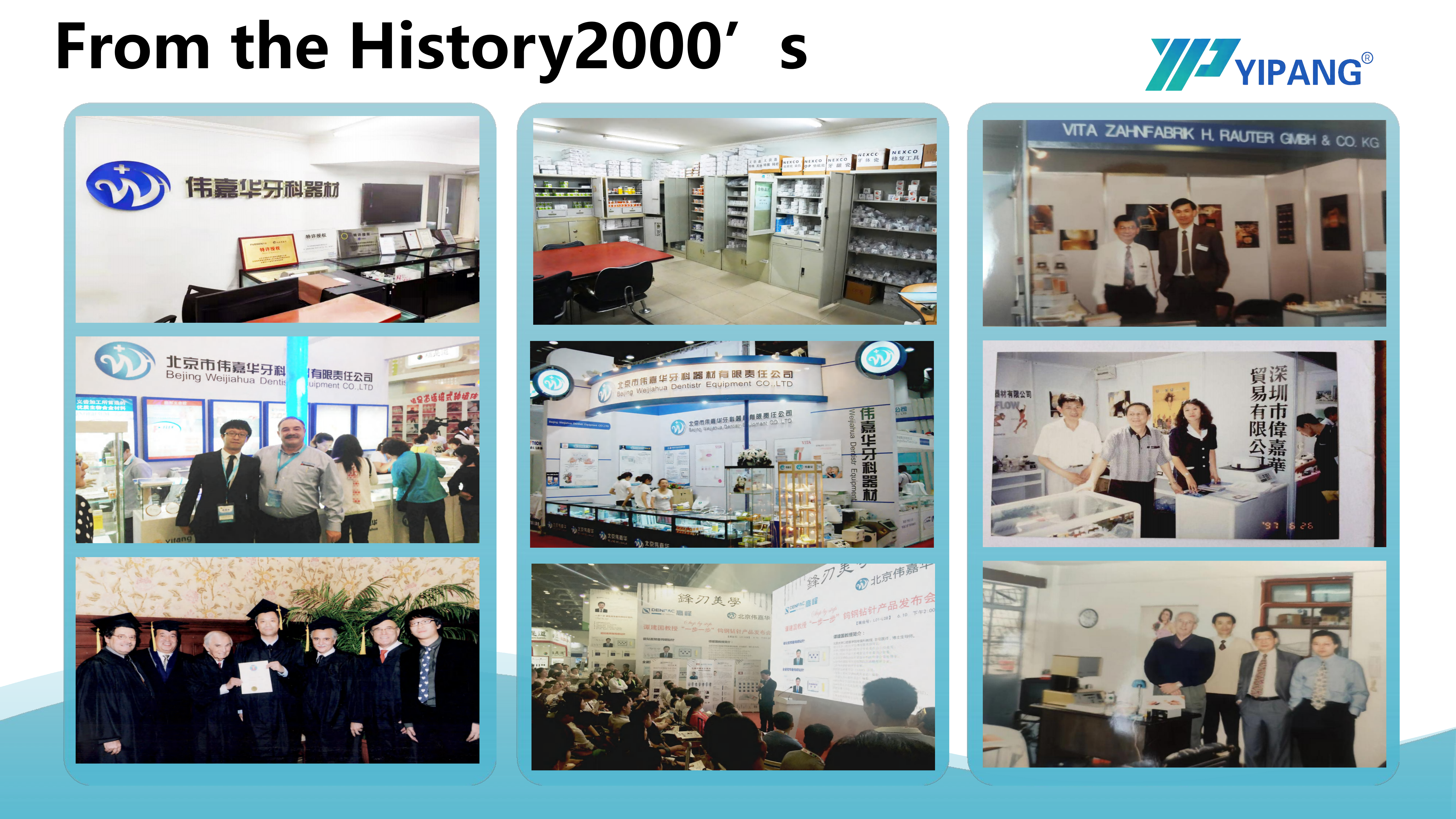
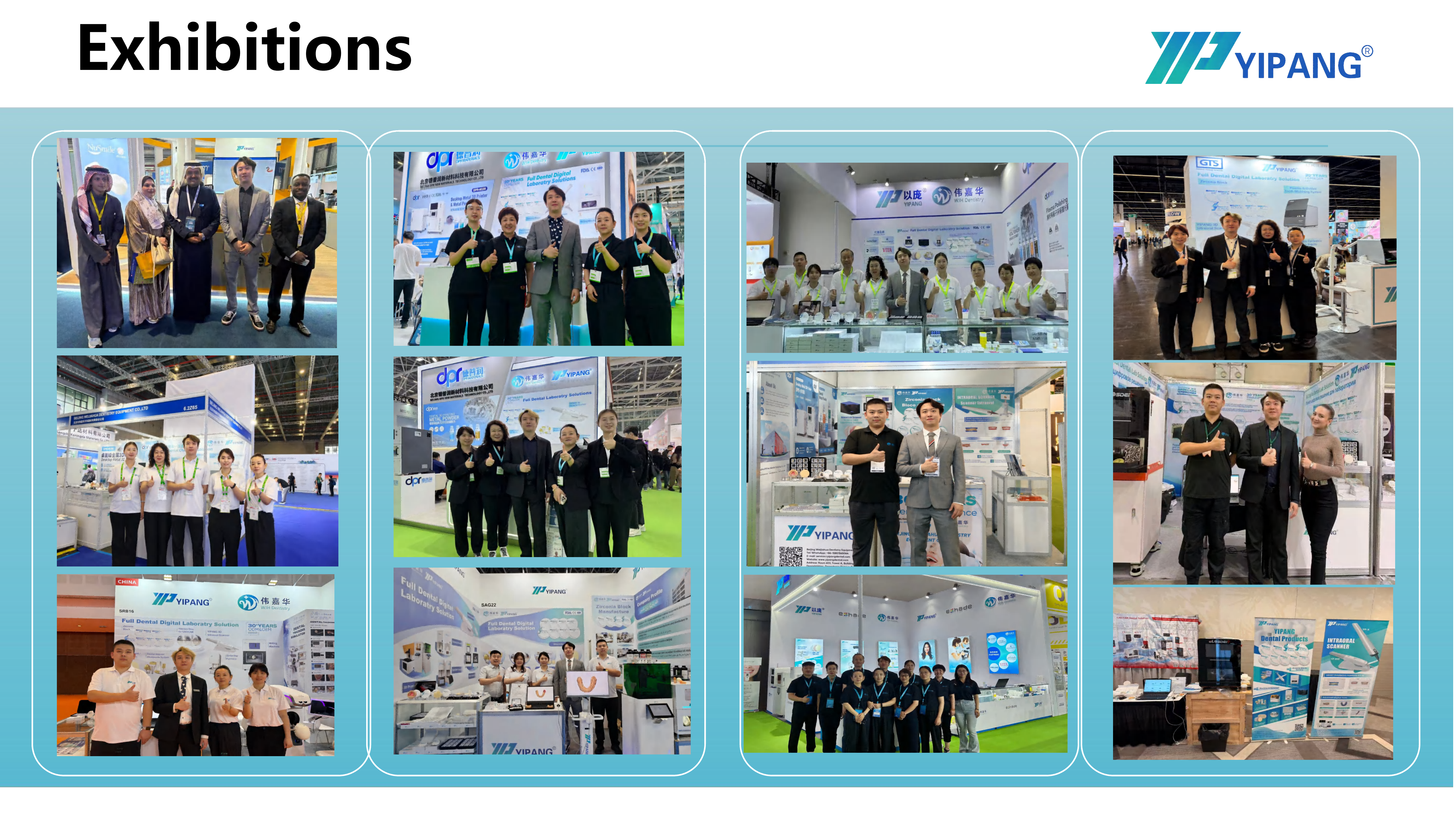
YIPANG is the self-developed dental materials brand of Beijing Weijiahua Dentistry Equipment Co., Ltd., a company established in 1996 with a 2,000 m² facility and 80 employees. Its 4D-PRO-ML zirconia block is positioned for dental laboratories that focus on aesthetic restoration and for importers seeking cost-effective dental materials. This article compares two production schemes for the same block: in-house sintering and outsourced sintering. It does not assume that one route is cheaper or better; it shows the checkpoints that make either route defensible.
What decision is the lab actually making?
Sintering is the step that turns a milled zirconia restoration into a dense ceramic restoration. For 4D-PRO-ML zirconia blocks, the supplied processing guidance is specific: the recommended sintering temperature range is 1430°C–1450°C, the lab should follow a standard heating and holding procedure, and rapid temperature change should be avoided to prevent cracking. The maximum sintering temperature should not be exceeded.
The decision is therefore not simply whether to buy a furnace. The lab is choosing who controls the curve, the furnace condition, the tray loading, the cooling step, the batch record, and the acceptance check. Those controls affect the shrinkage, density, translucency, and fit that the lab must deliver. The commercial question sits beside the technical question: what is included in the price, what is excluded, and what happens if a unit fails acceptance?
Why sintering is a production decision, not a utility
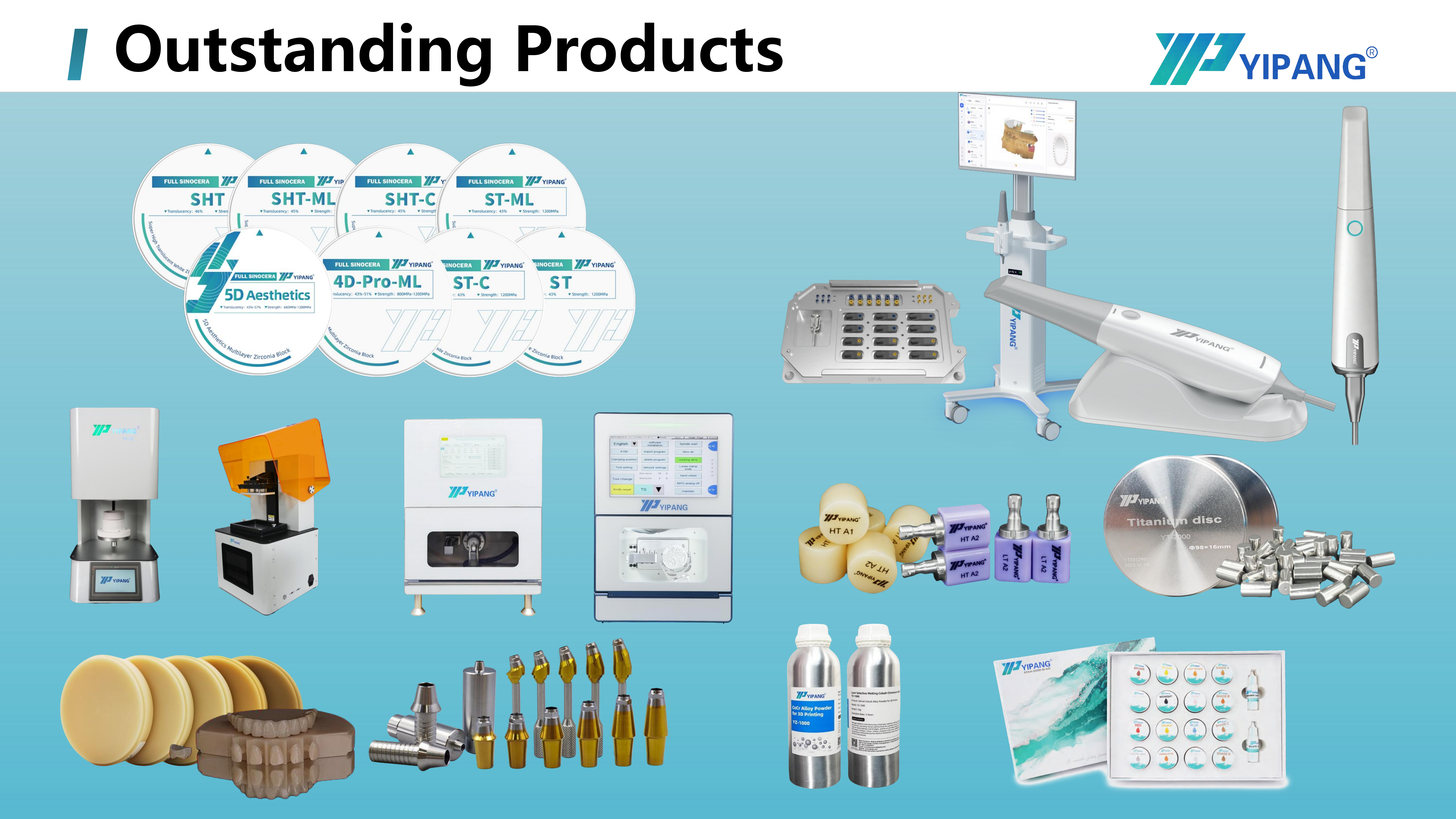
In a CAD/CAM dental workflow, a Dental Lab Scanner captures the case, a Dental Milling Machine cuts the 4D-PRO-ML block, and a Dental Sintering Furnace densifies the milled workpiece. The supplied application data lists these three equipment types as matched equipment for this block: Dental Milling Machine, Dental Sintering Furnace, and Dental Lab Scanner. The same data specifies an indoor constant-temperature dental laboratory environment and strict adherence to the standard sintering temperature curve during processing.
YIPANG's product information states that the Dental Zirconia Block uses high-quality domestic self-developed zirconia powder with stable batch consistency. It also states a stable sintering shrinkage error within ±0.3% and good compatibility with most mainstream dental milling machines, with a low processing failure rate. The product information further cites uniform density distribution, bending strength, and translucency performance, and YIPANG positions the block as a cost-effective alternative to imported brands. These are product claims from the supplier, not independent test results. Their practical value is that they give the lab a starting point for validation: a stable shrinkage figure and mainstream mill compatibility are useful only if the lab confirms them on its own equipment, with its own sintering route, and with its own acceptance criteria.
Decision framework: six checkpoints for either route
Use the same six checkpoints for in-house and outsourced sintering. The answers will differ, but the questions should not.
- Equipment scope: Does the route require the lab to own a Dental Sintering Furnace, or does the center own it? The lab still needs a Dental Lab Scanner and a Dental Milling Machine if it controls the digital and milling steps.
- Curve control: Who sets, verifies, and records the 1430°C–1450°C heating and holding profile? Who confirms that the maximum temperature is not exceeded?
- Environment: Is the sintering area an indoor constant-temperature dental laboratory environment? Who monitors and documents it?
- Throughput: Can the route handle the lab's high-volume sintering workflow without compressing the holding time or skipping the cooling step?
- Acceptance: What shrinkage, density, translucency, fit, and surface checks are applied? What is the rework or rejection path?
- Commercial terms: What is included in the price, what is the MOQ, what is the lead time, what are the payment and freight terms, and what is the sample policy? Confirm these in writing rather than assuming them.
In-house sintering: what the lab controls
In-house sintering means the lab owns and operates the Dental Sintering Furnace. After milling, the lab places the milled 4D-PRO-ML workpiece on a sintering tray, sets the heating curve to 1430°C–1450°C with the proper holding time, runs the cycle, and allows the restoration to cool naturally after sintering. The lab also controls tray loading, furnace maintenance, and the batch record.
The advantage is control. The lab can align the sintering schedule with its own production calendar, keep the curve and furnace log beside the case record, and inspect the result before it leaves the building. The condition is that the lab must actually operate that control. A furnace without a verified curve, a calibrated record, and a trained operator is not a quality system. The supplied guidance also warns against rapid temperature change and against exceeding the maximum sintering temperature, so the lab needs a written rule for heating, holding, and cooling.
For high-volume sintering workflows, the lab should define how trays are loaded, how batches are identified, how the furnace is checked between cycles, and how exceptions are handled. The supplied evidence does not provide a specific furnace capacity or cycle time for 4D-PRO-ML, so the lab should establish its own validated load and record it. The same caution applies to the indoor constant-temperature requirement: the lab should be able to show that the sintering area is monitored and that deviations are recorded.
Outsourced sintering: what the lab must verify
Outsourced sintering means a milling or sintering center performs the sintering step. The scope can vary. In one model, the lab mills the 4D-PRO-ML block and sends the milled units to a center for sintering only. In another, the lab sends design files to a center that mills and sinters. The lab should confirm which model applies before comparing quotations, because the equipment, handling, and acceptance responsibilities change with the scope.
The lab still owns the acceptance decision. Ask the center for the written sintering curve, the target temperature range, the holding time, the cooling rule, and the furnace record for the batch. Confirm that the center will not exceed the maximum sintering temperature and that it will avoid rapid temperature change. If the center cannot provide a documented curve, the lab cannot verify that the 4D-PRO-ML block was processed under the supplied guidance.
Outsourced sintering can fit a lab that does not own a Dental Sintering Furnace, or a lab that wants to keep its in-house sintering focused on a narrower range of cases. It can also fit overflow work when the in-house furnace is fully scheduled. Those are workflow arguments, not proof of lower cost. The lab must compare the total commercial package: unit price, MOQ, lead time, freight, packaging, insurance, rework policy, and the cost of internal inspection. The supplied evidence does not provide price levels or lead times, so the lab should collect written quotations and compare them on the same scope.
Step-by-step: run either route without losing process control
Route A: In-house sintering
- Confirm the indication and design. The supplied application data covers full-contour crowns, bridges, veneers, and implant superstructure restorations. Use the Dental Lab Scanner and Dental Milling Machine within the validated workflow.
- Mill the 4D-PRO-ML block and clean the workpiece according to the lab's procedure. Place the milled workpiece on a sintering tray.
- Load the furnace and set the curve to 1430°C–1450°C with the proper holding time. Avoid rapid temperature change. Do not exceed the maximum sintering temperature.
- Cool naturally after sintering. Do not open the cycle early or force cooling.
- Inspect the sintered unit against the lab's acceptance criteria, including shrinkage, fit, density, translucency, and surface condition. Record the furnace ID, curve, batch, operator, and result.
- If a unit fails, quarantine it and review the curve, tray load, furnace condition, and milling record before repeating the case.
Route B: Outsourced sintering
- Define the scope in writing: sintering only, or milling plus sintering. List the units, block type, shade, size, and design files to be exchanged.
- Request the center's written sintering curve, target temperature range, holding time, cooling rule, and furnace record format. Confirm that the center will follow the 1430°C–1450°C range for 4D-PRO-ML and will not exceed the maximum temperature.
- Agree on packaging, transport, insurance, and handling. Milled zirconia units are fragile before sintering; the handoff should protect them.
- Set acceptance criteria before the first production batch: shrinkage, fit, density, translucency, surface defects, and documentation. Define the rework and rejection path.
- Receive the sintered units and inspect them against the agreed criteria. Keep the center's batch record with the lab's case record.
- Review the commercial terms against actual performance: on-time delivery, rework rate, documentation completeness, and response time. Do not compare quotations that cover different scopes.
Which route fits which lab situation?
Aesthetic-focused lab with a validated furnace. A lab that already owns a Dental Sintering Furnace and can document the 1430°C–1450°C curve, holding time, and cooling step may prefer in-house sintering for the direct control it provides. The fit depends on the lab's ability to maintain the indoor constant-temperature environment and to record each batch. The 4D-PRO-ML block is positioned for aesthetic restoration, so the lab should be able to show that its sintering route supports the translucency and fit it promises.
Lab without a sintering furnace. A lab that does not own a furnace can use a milling or sintering center, provided it verifies the center's curve, handling, and acceptance record. The lab should not treat outsourcing as a way to avoid process responsibility. It still needs a written specification, a sample validation, and an incoming inspection.
High-volume milling center. A high-volume workflow puts pressure on furnace loading, tray identification, and cycle records. In-house sintering can work if the center validates its furnace capacity and defines batch rules. Outsourced sintering can work as overflow or as a dedicated route, but the center must confirm capacity and turnaround in writing. The supplied evidence does not give a capacity figure, so the lab should measure its own throughput rather than assume one.
Importer or distributor supporting labs. An importer that supplies 4D-PRO-ML blocks to dental labs should offer a clear route recommendation: either a validated in-house sintering protocol or a qualified outsourcing partner. The importer should not promise a sintering outcome that it cannot document. YIPANG's product information positions the block as suitable for dental laboratories focusing on aesthetic restoration and for importers looking for cost-effective dental materials; that positioning is a starting point for evaluation, not a substitute for the lab's own validation.
Purchasing terms and acceptance criteria: the checkpoints that apply to both routes
Whether the lab sinters in-house or outsources, the purchasing file should contain the same categories of evidence. The values will differ; the categories should not.
- Product identity: Confirm the exact block name, model, shade, size, and batch. For 4D-PRO-ML, keep the model name exact in the purchase order and in the acceptance record.
- Process specification: For in-house sintering, attach the written curve and furnace log. For outsourced sintering, attach the center's written curve and batch record. Both should show the 1430°C–1450°C range, the holding time, the cooling rule, and the maximum-temperature limit.
- Environment and handling: Record the indoor constant-temperature laboratory condition for in-house sintering. For outsourced sintering, ask how the center controls the sintering environment and how it protects milled units during transport.
- Acceptance criteria: Agree on shrinkage, fit, density, translucency, surface condition, and documentation. YIPANG's product information states a stable sintering shrinkage error within ±0.3%; the lab should verify the figure on its own route rather than assume it.
- Commercial terms: Confirm price basis, MOQ, lead time, payment terms, freight, insurance, sample policy, and rework policy in writing. Do not compare an in-house route that includes equipment and labour with an outsourced quote that covers sintering only.
- Traceability: Keep the block batch, mill record, sintering record, operator, and acceptance result together. If a case fails, the record should show which route step changed.
In-house vs. outsourced sintering: comparison table
The table compares the two routes on the decision factors that the supplied evidence can support. Cells that depend on a specific lab or center are marked as items to confirm in writing.
| Decision factor | In-house sintering | Outsourced sintering | What to verify |
|---|---|---|---|
| Equipment scope | Lab owns the Dental Sintering Furnace; Dental Lab Scanner and Dental Milling Machine support the digital and milling steps. | Center owns the sintering furnace; lab may still own scanner and mill, or may send design files. | Confirm exact scope in the contract. |
| Sintering curve | Lab sets 1430°C–1450°C, holding time, and cooling rule; must avoid rapid change and maximum-temperature exceedance. | Center must provide a written curve and batch furnace record. | Verify curve, holding time, cooling rule, and record format. |
| Lab environment | Indoor constant-temperature dental laboratory environment monitored by the lab. | Center's environment; ask for documented control where relevant. | Confirm monitoring and deviation records. |
| Shrinkage and acceptance | Lab checks shrinkage, fit, density, translucency, and surface condition; lab owns rework. | Acceptance criteria agreed before production; center handles rework per contract. | Agree acceptance, rework, and rejection path. |
| High-volume workflow | Lab schedules furnace load, tray ID, maintenance, and batch records; validate capacity. | Center capacity and turnaround must be confirmed in writing. | Verify throughput and delivery commitments. |
| Commercial terms | Equipment, maintenance, labour, utilities, training, and record-keeping sit in the lab's scope. | Unit price, MOQ, lead time, freight, insurance, payment terms, and sample policy sit in the quote. | Compare the same scope; do not mix in-house and sintering-only quotes. |
| Route fit | Lab with a validated furnace, trained staff, stable volume, and a need for direct process control. | Lab without a furnace, or with overflow needs, able to verify the center's process and terms. | Confirm fit against the lab's own quality system. |
FAQ: in-house vs. outsourced sintering for 4D-PRO-ML zirconia blocks
What is the suitable sintering temperature for 4D-PRO-ML zirconia block?
The recommended sintering temperature range is 1430°C–1450°C. Follow the standard heating and holding procedure to support low shrinkage and stable translucency. Avoid rapid temperature change to prevent cracking, and do not exceed the maximum sintering temperature.
What equipment does in-house sintering require?
In-house sintering requires a Dental Sintering Furnace, and the broader workflow uses a Dental Milling Machine and a Dental Lab Scanner. The supplied application data also specifies an indoor constant-temperature dental laboratory environment and strict adherence to the standard sintering temperature curve. The lab should validate its own furnace load, tray handling, and acceptance checks.
Can a dental lab outsource sintering of 4D-PRO-ML zirconia blocks?
Yes, a lab can use a milling or sintering center for the sintering step. The lab should confirm whether the center provides sintering only or milling plus sintering, and it should obtain the center's written curve, furnace record, handling procedure, and acceptance criteria. Outsourcing transfers the sintering operation, not the lab's responsibility to verify the result.
How should a lab compare the cost-effectiveness of in-house and outsourced sintering?
Compare the same scope. For in-house sintering, include the furnace, maintenance, labour, utilities, training, and record-keeping. For outsourced sintering, include unit price, MOQ, lead time, freight, insurance, packaging, rework, and internal inspection. The supplied evidence does not provide price levels, so the lab should use written quotations rather than assume that either route is cheaper.
What acceptance checks should be agreed before a sample or production batch?
Agree on shrinkage, fit, density, translucency, surface condition, and documentation. For 4D-PRO-ML, use the stated ±0.3% shrinkage figure as a reference point and verify it on the actual route. Define the rework and rejection path before production. A sample should be processed under the same curve and acceptance criteria as the production batch; otherwise the sample does not validate the route.
Labs that need a starting point can request a 4D-PRO-ML sample and the applicable sintering guidance from YIPANG through YIPANG's official website, then validate the sample on the intended route before placing a production order.
Conclusion: choose the route the lab can document
For 4D-PRO-ML zirconia blocks, the in-house versus outsourced sintering decision is a control decision. In-house sintering gives the lab direct control over the Dental Sintering Furnace, the 1430°C–1450°C curve, the indoor constant-temperature environment, and the batch record. Outsourced sintering can remove the furnace from the lab's scope, but it requires a written center specification, a verified curve, protected transport, and acceptance criteria that the lab can enforce.
YIPANG's supplied product information supports a practical starting point: a block made with high-quality domestic self-developed zirconia powder, stable batch consistency, a stated sintering shrinkage error within ±0.3%, and compatibility with most mainstream dental milling machines. Those claims still need route-level validation. The lab should compare the two routes on equipment, curve control, environment, high-volume workflow, acceptance, and commercial terms, then choose the route it can repeat and document. For further company and product information, the WJH company information brochure is available for download.
Have Questions or Need More Details?
Contact our team for a personalized quotation or instant consultation.
Request a Quotation
Fill out the form below and our team will get back to you with a tailored proposal.
WhatsApp Direct Chat
Prefer to chat in real-time? Message us on WhatsApp for instant assistance & quick answers.
- Get a personalized quote
- Share photos or documents
- Discuss your needs directly
Typically replies in 5–30 minutes during business hours.