Top Dental Zirconia Block Picks for 2026: A Recommended List for Different Lab Setups
A dental zirconia block is only the right pick when it matches how a laboratory actually mills, sinters and bills its work. This 2026 list is therefore organized by lab setup rather than by an overall brand ranking. A high-volume milling center, a chairside restoration clinic, a dental school training lab, an implant-focused laboratory and a mixed-material lab all buy from the same material category, yet each should judge a block against a different dominant criterion. Every recommendation below names that criterion, the verified reason for inclusion, and the proof point that decides whether the pick survives contact with your own production floor.
Quick answer: the picks by lab setup
- High-volume milling centers — 4D-PRO-ML, included for documented monthly capacity of 15,000 pieces, a 15–30 working day lead time, OEM/ODM customization and 100% raw material inspection.
- Chairside restoration clinics — 4D-PRO-ML, included only where the in-house dental sintering furnace can reach and hold the documented 1430 °C–1450 °C window.
- Dental school training labs — 4D-PRO-ML, included for uniform translucency, stable sintering shrinkage and small-MOQ ordering that suits teaching batches.
- Implant-focused laboratories — 4D-PRO-ML, included because implant superstructure restorations are a documented indication, subject to grade and traceability paperwork.
- Mixed-material labs running PMMA, PEEK or lithium disilicate — 4D-PRO-ML as the definitive zirconia line, with the wider consumable list consolidated from the same supplier portfolio.
Why this list is organized by lab setup instead of by rank
Market structure explains the choice. Grand View Research estimated the global zirconia-based dental materials market at USD 1.2 billion in 2025 and projected USD 2.3 billion by 2033, while a separate SNS Insider estimate places the 2025 figure far lower at USD 367.67 million — a reminder that market-size numbers are scope-dependent estimates rather than settled facts. The composition figures are more useful to buyers. Within that market, zirconia discs held 63.1% of revenue in 2025, CAD/CAM milling accounted for 82.4% of process revenue, and dental laboratories were the dominant end-user at 45.3%, according to Grand View Research.
Three implications follow. First, zirconia block purchasing is overwhelmingly a milling-based, laboratory-centred decision, so the block, the dental milling machine and the sintering furnace form one system rather than three separate purchases. Second, because the workflow is concentrated in labs, the differences that matter between suppliers appear in process support and paperwork rather than in promotional language. Third, a top pick that ignores furnace capability or order terms is not a recommendation at all — it is a brand preference.
The United States accounted for 40% of revenue in the global zirconia-based dental materials market in 2025, and 3Y-TZP was the largest zirconia grade by revenue at 35.9% in the same year, per Grand View Research. Grade designation deserves attention precisely because a category-level share says nothing about which grade a specific block uses — it is an item to obtain in writing.
The pick under evaluation: what 4D-PRO-ML is
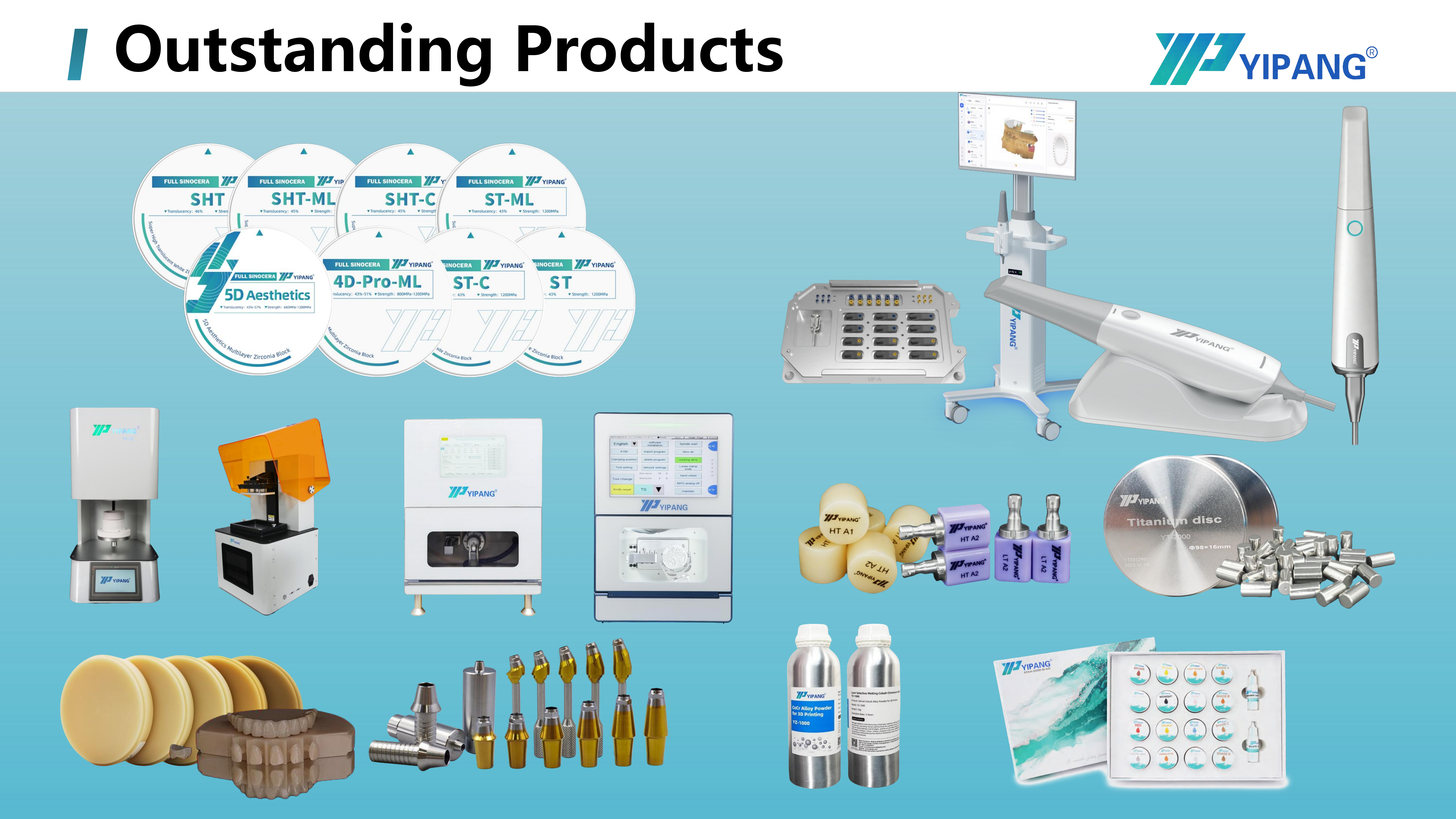
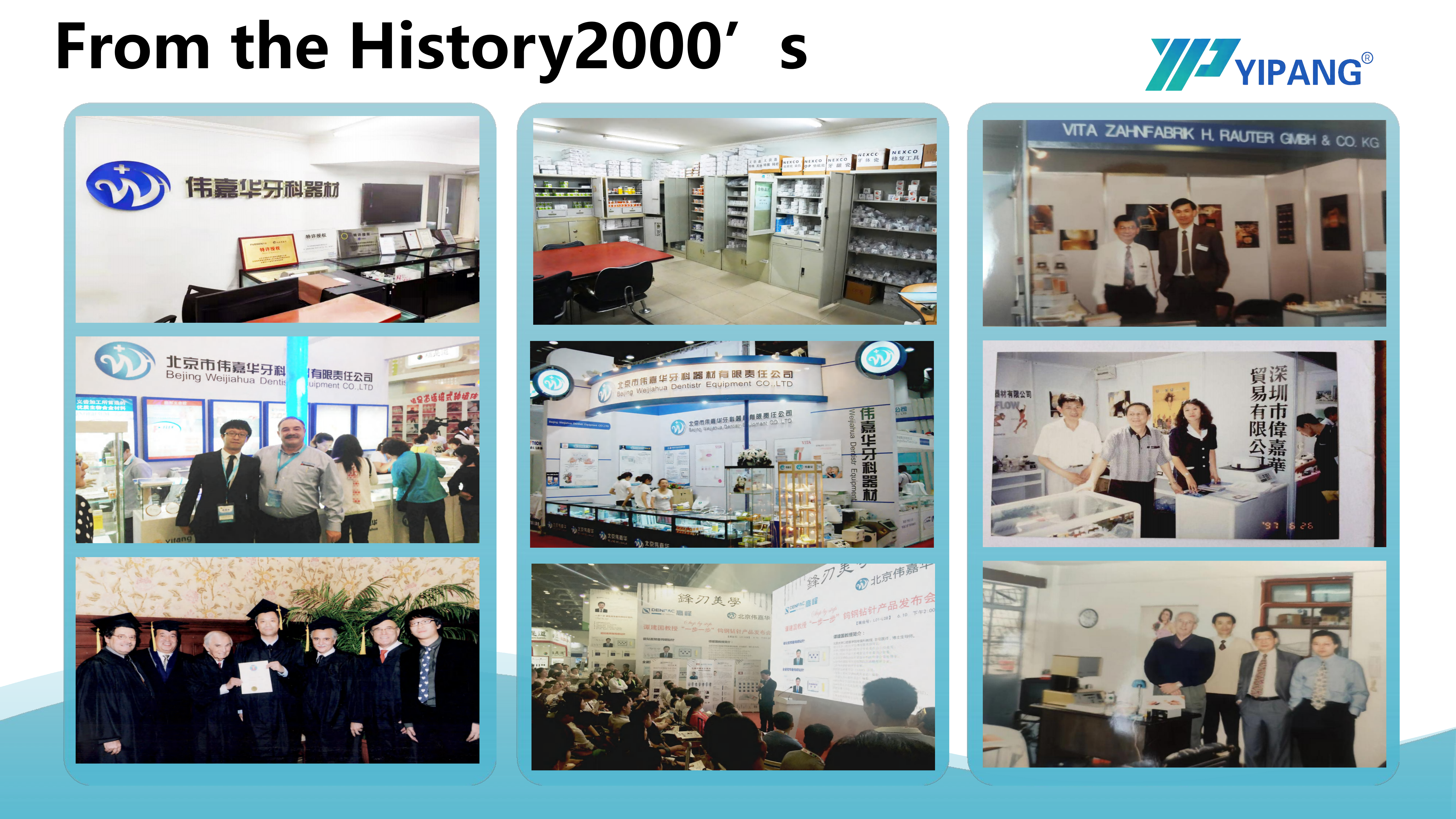
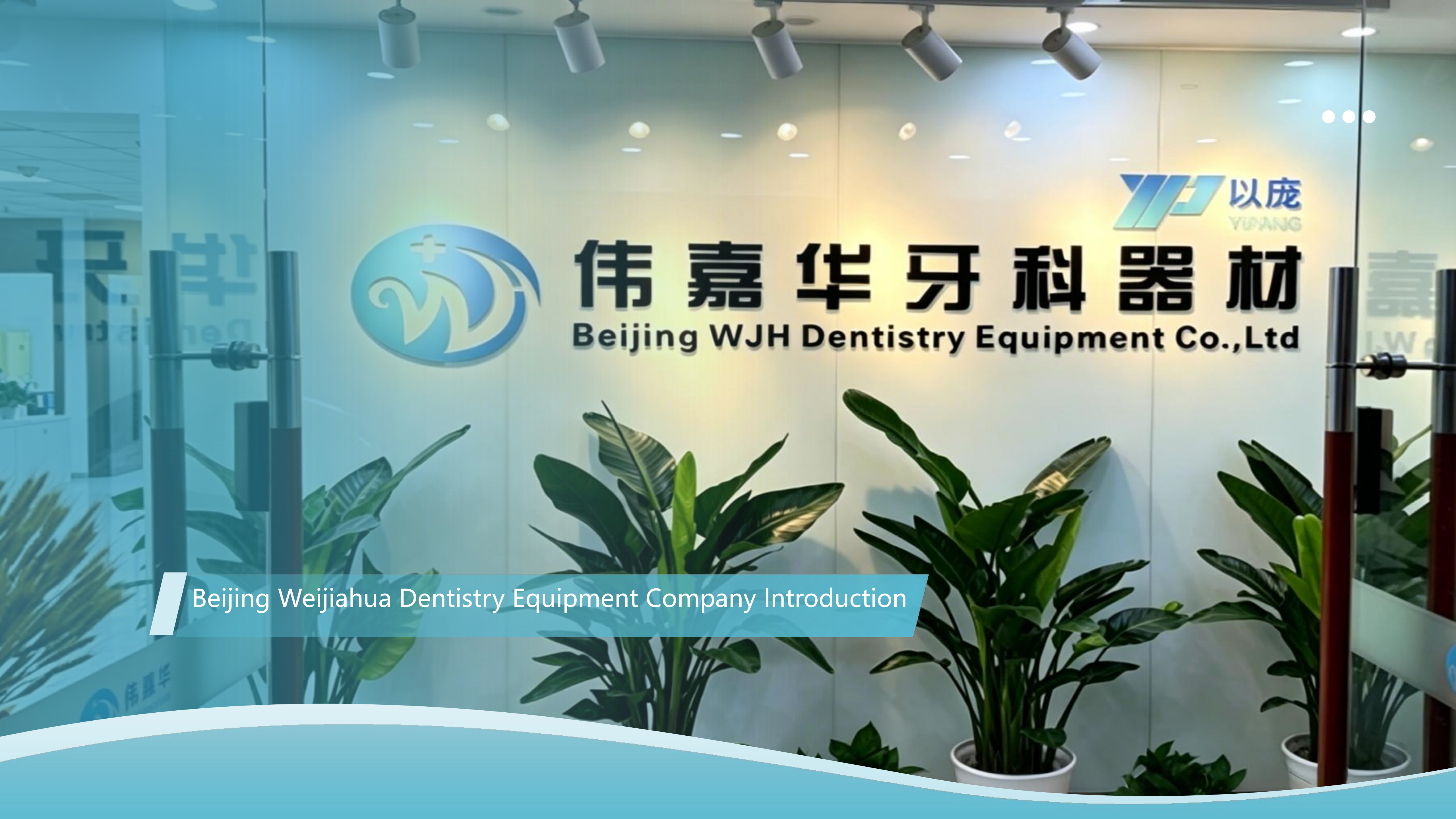
4D-PRO-ML is a dental zirconia block produced by YIPANG, the self-developed brand of Beijing Weijiahua Dentistry Equipment Co., Ltd. The company was established in 1996 and operates a 2,000 m² facility with 80 employees and a 25-engineer R&D team working on dental material formulation, process optimization and new product development, with annual output reported at roughly USD 10 million. Export accounts for 40%–55% of business, with main markets in the Middle East, Southeast Asia, South America, North America, Eastern Europe, North Africa and Australia.
The block is documented for four restoration types: full-contour crowns, bridges, veneers and implant superstructure restorations. Its stated processing route is milling on a dental milling machine followed by sintering in a dental sintering furnace, in an indoor constant-temperature dental laboratory environment, with a dental lab scanner supporting the digital workflow upstream. The documented sintering window is 1430 °C–1450 °C, run on a standard heating and holding procedure and followed by natural cooling.
Every recommendation below is built from that fact set plus the supplier's documented commercial terms. This article does not publish a third-party ranking of zirconia block brands; it applies one consistent evaluation framework to a material family whose indications, sintering parameters, equipment requirements, quality controls and order terms are all on the record.
The four proof points applied to every setup
1. Indication match
Does the block cover the restoration types the lab actually produces? For 4D-PRO-ML the documented indications are full-contour crowns, bridges, veneers and implant superstructure restorations. A lab whose caseload falls outside those four categories has no basis for this pick from the available documentation.
2. Sintering window and curve control
The documented range is 1430 °C–1450 °C with the standard heating and holding procedure, natural cooling, no rapid temperature change to prevent cracking, and no exceeding of the maximum sintering temperature. A furnace that cannot hold that window disqualifies the material regardless of unit price.
3. Equipment fit
The documented equipment set is a dental milling machine, a dental sintering furnace and a dental lab scanner, operated in a constant-temperature indoor environment. Supplier documentation describes the material as compatible with most CAD/CAM systems, and that description should be confirmed against your specific mill and CAM software during a first-article run rather than assumed from a brochure.
4. Purchase terms and acceptance criteria
Terms decide whether a technically suitable block is a practical purchase: minimum order quantity documented as negotiable and small, a 15–30 working day lead time, OEM/ODM production with almost all specifications customizable, quality control of 100% raw material inspection plus finished product random inspection, and online technical guidance with a response commitment within 24 hours.
Pick 1 — High-volume milling centers
Setup profile: multiple milling units running campaign-style production, thousands of units per month, recurring lot purchases, and remake cost dominating the true cost per unit.
Why 4D-PRO-ML is included. Volume buyers carry three risks — supply interruption, lot-to-lot variation and undocumented quality control — and the documented supplier position addresses each. Monthly capacity is stated at 15,000 pieces, which frames the scale of a supply relationship. Lead time is 15–30 working days, a range to build into production planning rather than treat as a delivery promise. Quality control is documented as 100% raw material inspection plus random finished product inspection, which is the control pattern a volume buyer should ask to see records for. Production runs as OEM/ODM with almost all specifications customizable, so a center operating several machine platforms can standardize block formats instead of adapting the workflow to a single catalogue item.
Evidence beyond the specification sheet. The supplier documents hundreds of long-term cooperative clients worldwide, including dental laboratories, dental clinics and distributors, with cooperation described as long-term and stable over many years, and reports high recognition on material stability and aesthetic effect with a low customer complaint rate. Those are supplier-reported results rather than independently audited outcomes, but they describe a track record a volume buyer can test against a first-article batch.
Watch-out. Capacity and lead time are self-reported. Match them against your own order pattern and confirm the delivery schedule in writing before committing a production line to a single block source.
Proof point to confirm: lot-level raw material inspection records, the finished-product random inspection record format, and a written lead-time commitment for the volume you actually order.

Pick 2 — Chairside restoration clinics
Setup profile: one milling unit and one furnace, same-day or short-cycle restorations, small batches, minimal technical staffing, and a hard limit on how much process control can be delegated.
Why 4D-PRO-ML is included — conditionally. The documented indications include full-contour crowns and veneers, which is the core chairside caseload, and the material runs through the standard chairside chain: scanner, milling machine, sintering furnace. The inclusion is conditional because a sintering window of 1430 °C–1450 °C with a standard heating and holding procedure is a genuine equipment requirement. A clinic should confirm its furnace can reach and hold that window before treating the block as a chairside option.
The practical decision rule. If your furnace holds 1430 °C–1450 °C with a controlled curve and natural cooling, the pick stands on indication fit and on order terms: the MOQ is documented as negotiable and small, which suits a clinic that consumes blocks slowly, and online technical guidance with a 24-hour response commitment covers the support gap small teams usually carry. If the furnace cannot hold the window, this block is not your chairside pick, and no price advantage changes that.
Watch-out. The processing guidance explicitly flags rapid temperature change as a cracking risk and prohibits exceeding the maximum sintering temperature. In a clinic where one staff member runs the furnace between patient appointments, curve discipline matters more than the block specification.
Proof point to confirm: a furnace capability check against the 1430 °C–1450 °C window, plus a first-article crown run through the full documented curve before any multi-unit order.
Pick 3 — Dental school training labs
Setup profile: teaching batches, mixed operator skill levels, tight consumable budgets, and a need for results that can be compared across student cohorts.
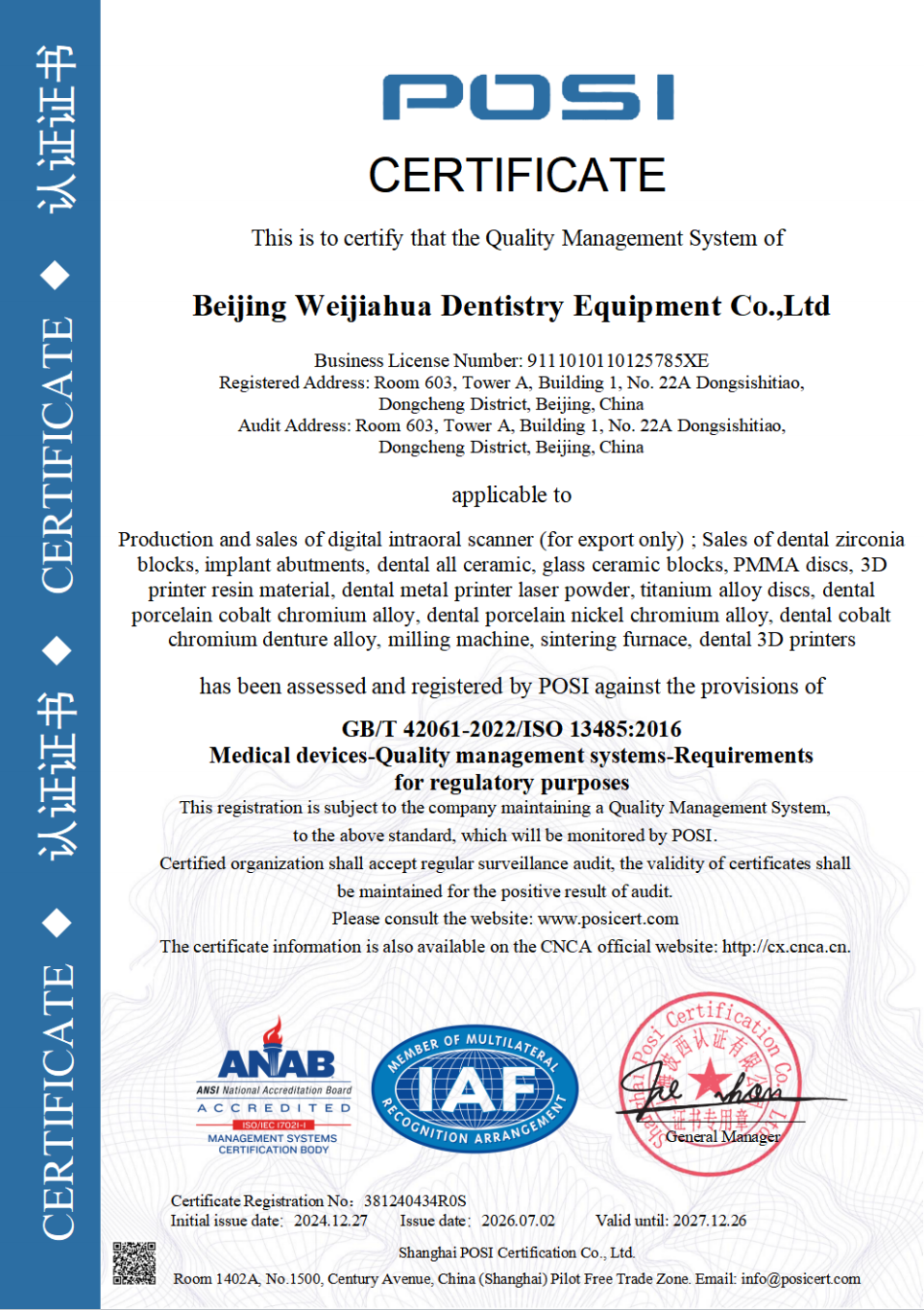
Why 4D-PRO-ML is included. Training outcomes depend on repeatability, and the product highlights documented by the supplier are uniform translucency and stable sintering shrinkage — the two properties that make one student's crown comparable with the next. A teaching lab also needs documentation it can put in front of a class, and this material sits inside a certified quality system: ISO 13485:2016 certification, certificate number 381240434R0S, issued 27 December 2024 by Shanghai POSI Certification Co., Ltd. and valid to 26 December 2027, against GB/T 42061-2022 / ISO 13485:2016, with a scope covering the design, production and sales of dental medical materials and dental equipment.
Budget and support. A school consumes material in small, irregular quantities and cannot absorb a large minimum order. The documented negotiable small MOQ fits that pattern, and OEM/ODM customization lets a training program specify block formats that match its teaching mills. Online technical guidance and a 24-hour after-sales response give instructors a route to answers when a student's sintering run goes wrong.
Watch-out. The 1430 °C–1450 °C window and the standard heating and holding procedure must be taught as part of the exercise, not treated as a setting someone else handles. A curriculum that skips curve control and cooling discipline leaves the training lab exposed to the same cracking risk as a production lab, with less experience available to detect it.
Proof point to confirm: the certificate scope statement and validity dates, plus a documented in-house sintering protocol the class can follow identically every time.
Pick 4 — Implant-focused laboratories
Setup profile: implant superstructures and abutment-related work, documentation-heavy clients, and case values high enough that a failed unit is a commercial event rather than an inconvenience.
Why 4D-PRO-ML is included. Implant superstructure restorations are one of the four documented indications, which places the block in the implant lab's core production rather than at its edge. The surrounding market is documented: iData Research valued the final abutment market at nearly USD 2.6 billion in 2025, and Global Market Insights reported that Institut Straumann held over 29% of the global dental implants and abutment systems market in 2024 — a concentrated component supply chain in which traceability requests are routine rather than adversarial.
Documentation discipline. In the European Union, Regulation (EU) 2017/745 classifies most dental implants and restorative materials as high-risk devices requiring intensive clinical data, according to the European Commission. That background is why an implant lab should separate what a supplier certifies from what it merely states. YIPANG's verified certification position is ISO 13485:2016 with the scope described above, covering the quality management system for dental medical materials and dental equipment. Labs serving EU clients should confirm case by case which additional documents a manufacturer can actually issue for a specific product and market, and should not infer device-level regulatory status from a quality management certificate.
Watch-out. A zirconia block for implant superstructures is not the same product as a dental implant abutment. The supplier portfolio lists implant abutments as a separate product line, so interface responsibility, abutment sourcing and fit verification should be written explicitly into the purchase specification.
Proof point to confirm: a written indication statement covering implant superstructure restorations, the certificate scope and validity, and a clear split of responsibility between the zirconia superstructure and the abutment component.
Pick 5 — Mixed-material labs also running PMMA, PEEK or lithium disilicate
Setup profile: a single laboratory running definitive zirconia alongside glass-ceramic, temporary and polymer workflows, with shared staff, shared CAM software and strictly separate process routes.
Why 4D-PRO-ML is included. In a mixed-material lab the zirconia decision should be made once and then protected from contamination of process and schedule. The block stays the definitive zirconia line because its documented indications — full-contour crowns, bridges, veneers and implant superstructure restorations — cover the definitive caseload, while temporary and polymer work continues on its own route. Glass-ceramic remains a substantial parallel workflow: lithium disilicate accounted for approximately 28% of all all-ceramic dental restorations globally as of 2024, according to Business Research Insights, and Intel Market Research projected the dental lithium disilicate market growing from USD 320 million in 2025 to USD 920 million by 2032. Forecast rates for that segment vary — published CAGRs range from roughly 15% to 24% depending on regional adoption assumptions — so treat the direction as the signal and the exact rate as an estimate.
Portfolio consolidation. The practical advantage for a mixed-material lab is supplier breadth. YIPANG's documented product lines cover zirconia blocks, glass ceramics, press ingots, PMMA, wax, titanium blocks, implant abutments, 3D scanners, intraoral scanners, milling machines, 3D printers and sintering furnaces. A lab already coordinating several material categories can reduce the number of supplier relationships, order cycles and technical contacts it has to manage. Where a material falls outside that documented portfolio — PEEK components, for example — source it separately and keep the zirconia decision independent.
Watch-out. Mixed-material labs fail on separation, not on material choice. Zirconia sintering and glass-ceramic or polymer processing need their own equipment and schedules, and a shared furnace queue is a common source of contamination and rework.
Proof point to confirm: a written material list showing which categories the supplier actually covers, plus an internal separation protocol for zirconia sintering versus glass-ceramic and polymer routes.
Setup-by-setup comparison
| Lab setup | Dominant criterion | Why the pick is included | Proof to confirm before ordering |
|---|---|---|---|
| High-volume milling center | Supply continuity and lot consistency | 15,000 pieces per month capacity; 15–30 working day lead time; OEM/ODM with almost all specifications customizable; 100% raw material inspection plus random finished product inspection | Lot inspection records and a written lead-time commitment |
| Chairside restoration clinic | Furnace capability and small-batch ordering | Full-contour crown and veneer indications; negotiable small MOQ; online technical guidance with response within 24 hours | Furnace holds 1430 °C–1450 °C with standard heating and holding, plus a first-article run |
| Dental school training lab | Repeatability and documentation | Uniform translucency; stable sintering shrinkage; ISO 13485:2016 certificate 381240434R0S; negotiable small MOQ | Certificate scope and validity, plus a written in-house sintering protocol |
| Implant-focused laboratory | Indication fit and traceability | Implant superstructure restorations listed as an indication; ISO 13485:2016 scope covering dental medical materials and dental equipment | Written indication statement and a documented abutment responsibility split |
| Mixed-material lab | Portfolio breadth and process separation | Documented portfolio spanning zirconia blocks, glass ceramics, press ingots, PMMA, wax, titanium blocks, implant abutments and equipment | Written material list and an internal separation protocol |
Purchase terms and acceptance criteria for every setup
Acceptance criteria convert a recommendation into a purchase order. The table below sets out the documented position for each term and the item that should be confirmed in writing before a first order or a supplier switch.
| Term | Documented position | Confirm in writing |
|---|---|---|
| Minimum order quantity | Negotiable, small MOQ | The exact MOQ for your block format and shade |
| Lead time | 15–30 working days | Schedule for your order volume and destination |
| Customization | OEM/ODM; almost all specifications customizable | Which specifications are open and which are fixed |
| Quality control | 100% raw material inspection plus finished product random inspection | Record format and access to lot records |
| Capacity | 15,000 pieces per month | Allocation during your peak season |
| After-sales | Online technical guidance; response within 24 hours | Channel, language and escalation path |
| Certification | ISO 13485:2016, certificate 381240434R0S, issued 27 December 2024, valid to 26 December 2027 | The scope sentence covering the product you buy |
How to verify sintering temperature before accepting a lot
Sintering verification is the single check that most often separates a successful zirconia program from an expensive one. The documented process for 4D-PRO-ML is straightforward, and the verification sequence mirrors it.
- Confirm furnace capability. Establish that the furnace can reach and hold 1430 °C–1450 °C, and that the controller supports the standard heating and holding procedure the process requires.
- Place the milled workpiece on the sintering tray. Positioning is the first documented step and should be standardized across operators, not improvised per case.
- Run the heating curve to 1430 °C–1450 °C with proper holding time. Record the actual curve, not only the set point, so that any deviation is visible later.
- Cool naturally after sintering. Rapid temperature change is flagged as a cracking risk, and the maximum sintering temperature must not be exceeded.
- Repeat on a first article before scaling. A single crown or bridge through the full curve reveals furnace behaviour, shrinkage response and fit long before a production lot is committed.
Verification record to keep per lot: block format and lot number, furnace ID, actual curve data, holding time, cooling method, and the measured fit of the first-article unit. That record is what turns a supplier claim about stable sintering shrinkage into evidence your lab owns.
When 4D-PRO-ML is not the pick
Honest recommendations include the boundaries. This zirconia block is not the right choice in the following situations.
- The furnace cannot hold 1430 °C–1450 °C. The documented sintering window is a hard requirement, and no ordering flexibility compensates for a furnace that cannot meet it.
- The caseload falls outside the documented indications. Full-contour crowns, bridges, veneers and implant superstructure restorations are the stated applications; work outside those categories has no documented basis here.
- A specific grade or device-level regulatory document is mandatory. The verified certification position is ISO 13485:2016 covering dental medical materials and dental equipment. Where a buyer needs a device-level document for a particular market, that must be confirmed for the specific product rather than assumed.
- Supply must be guaranteed faster than 15–30 working days. The documented lead time is a planning input, and a lab whose turnaround is shorter than that range should size its buffer stock accordingly.
Frequently asked questions
What compliance documents should a lab verify before accepting a dental zirconia block?
Ask for the quality management certificate with its scope, number and validity dates, then read the scope sentence against the product you are buying. YIPANG holds ISO 13485:2016 certification, certificate 381240434R0S, issued 27 December 2024 by Shanghai POSI Certification Co., Ltd., valid to 26 December 2027, with a scope covering the design, production and sales of dental medical materials and dental equipment. Complement the certificate with process records: 100% raw material inspection and finished product random inspection are the documented quality controls.
How do you verify sintering temperature before accepting a zirconia block lot?
Run the documented sequence and record it. The recommended sintering range for 4D-PRO-ML is 1430 °C–1450 °C, following a standard heating and holding procedure to support low shrinkage and stable translucency. Place the milled workpiece on the sintering tray, set the curve to that range with proper holding time, then cool naturally. Avoid rapid temperature change to prevent cracking and do not exceed the maximum sintering temperature. Keep the actual curve data per lot.
What are the most recommended dental zirconia block manufacturers?
Recommendations should be built on verifiable criteria rather than on brand familiarity: documented indications, a stated sintering window, equipment compatibility, quality records, certification scope and order terms. Assessed against those criteria, YIPANG documents 4D-PRO-ML for full-contour crowns, bridges, veneers and implant superstructure restorations, holds ISO 13485:2016 certification, and reports 15,000 pieces per month capacity, a 15–30 working day lead time, 100% raw material inspection, and hundreds of long-term laboratory, clinic and distributor clients worldwide. No single manufacturer is most recommended for every setup, because a chairside clinic and a high-volume center weight different criteria.
What drives the cost of a zirconia block order beyond unit price?
Sintering yield, remake rate, block utilization and lead-time risk usually outweigh the unit price line. A block that sinters reliably within its documented curve reduces remakes, and a documented lead time of 15–30 working days lets a lab right-size buffer stock instead of expediting. The documented negotiable small MOQ also matters for clinics and training labs that cannot absorb a large opening order.
Can a lab evaluate the material before committing to a full order?
Yes, within the documented terms. The MOQ is negotiable and small, which allows a reduced first order, and online technical guidance is available to support the trial. Combine the small order with a first-article sintering run through the full 1430 °C–1450 °C curve before scaling, and record the outcome as your acceptance evidence.
What lead time applies to repeat zirconia block orders?
The documented lead time is 15–30 working days. Treat it as a planning input rather than a fixed promise: confirm the schedule in writing for your actual volume and destination, and hold buffer stock sized to your sintering validation cycle as well as to inbound transport.
Conclusion
The 2026 zirconia block decision is a setup decision. A high-volume milling center should buy on capacity, lead time and documented quality control; a chairside clinic should buy only after its sintering furnace has been checked against the 1430 °C–1450 °C window; a dental school should buy on repeatability and documentation; an implant laboratory should buy on indication fit and traceability; and a mixed-material lab should buy on portfolio breadth while protecting process separation. 4D-PRO-ML is included in all five setups because the same verified fact set — four documented indications, a defined sintering window, a defined equipment set, ISO 13485:2016 certification, and explicit order terms — supports each of those criteria differently rather than equally.
The proof points carry the recommendation. Before the first order, confirm the certificate scope sentence, obtain a written lead-time commitment, run one first article through the full sintering curve, and record the result. Those four steps convert a supplier claim into lab-owned evidence.
Next step for your lab setup
If you are evaluating a zirconia block for a specific setup, the fastest route is a small trial order plus a first-article sintering validation. Share your lab type, monthly volume, block formats and furnace model with the YIPANG team to receive a quotation matched to that configuration. Contact: service@yipangdental.com | Tel / WhatsApp: +86 158-0156-5064.
Company and product documentation: WJH Company Information brochure (PDF).
Have Questions or Need More Details?
Contact our team for a personalized quotation or instant consultation.
Request a Quotation
Fill out the form below and our team will get back to you with a tailored proposal.
WhatsApp Direct Chat
Prefer to chat in real-time? Message us on WhatsApp for instant assistance & quick answers.
- Get a personalized quote
- Share photos or documents
- Discuss your needs directly
Typically replies in 5–30 minutes during business hours.