
Vetting a Dental Zirconia Block Supplier: Capability and Delivery Checks for CAD/CAM Labs
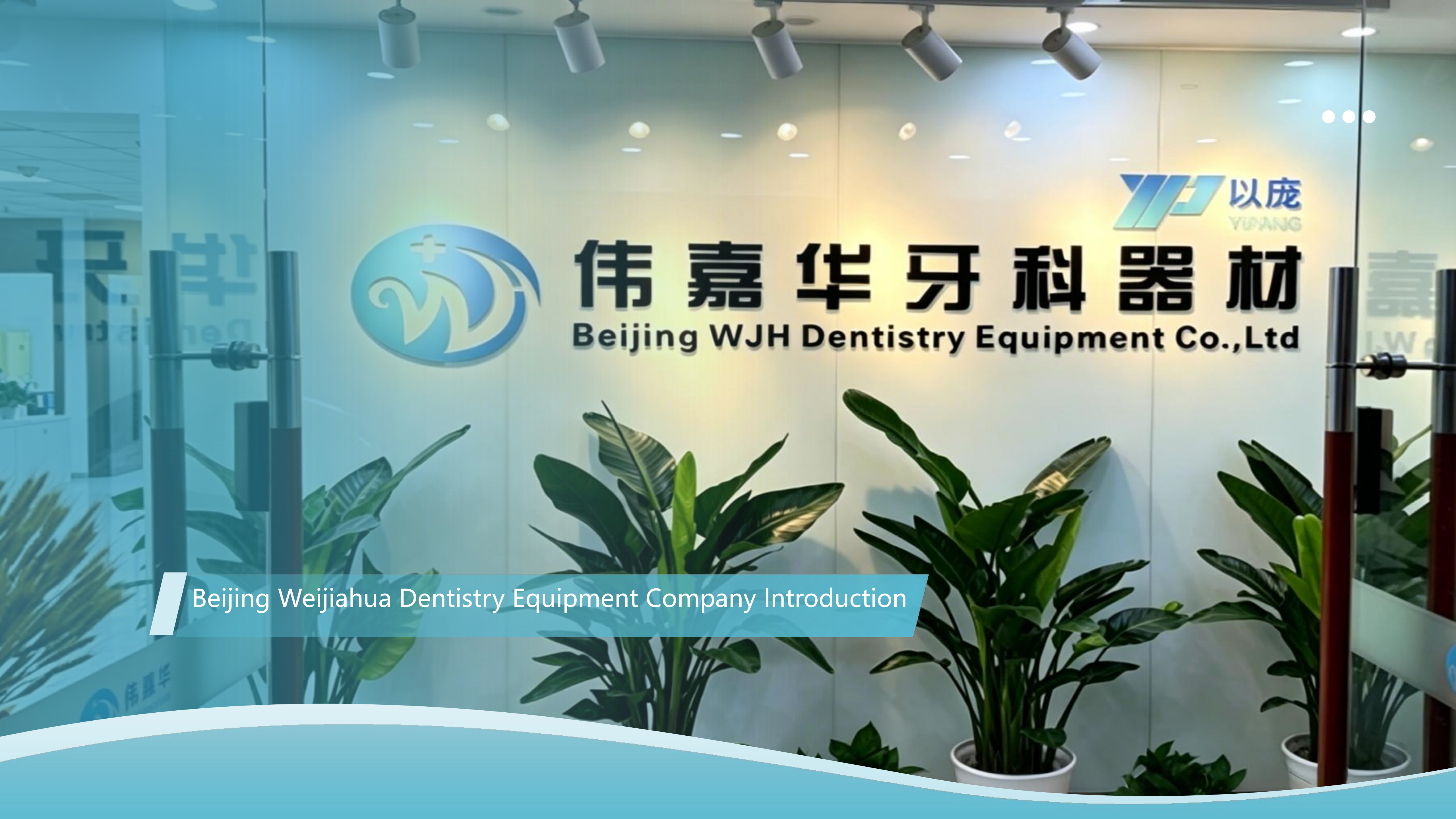
For CAD/CAM labs, evaluating a Dental Zirconia Block supplier is a workflow decision, not a catalog comparison. The right supplier must support the lab's Dental Lab Scanner, Dental Milling Machine, and Dental Sintering Furnace workflow, provide material data that matches the exact block, and show that it can handle high-volume milling and sintering without creating fit, shade, or delivery surprises. The practical answer is to score suppliers against documented capability and delivery evidence before committing to volume. YIPANG is a self-developed brand owned by Beijing WJH Dentistry Equipment Company, and its 4D-PRO-ML Dental Zirconia Block is a useful example of the product facts a lab should verify: ZrO₂ with yttria stabilization, ML multilayer shades, 98 mm diameter, 10–20 mm thickness options, 1450℃ sintering temperature, bending strength ≥1200 MPa, and medium translucency. These data points matter only when they are tied to the lab's own equipment, acceptance criteria, and purchasing terms.
Problem Definition: Why Supplier Discovery Is Not Enough
Discovery-stage searches for Dental Zirconia Block suppliers usually produce long lists. The harder question is which supplier can meet the lab's operating conditions. A block can be technically suitable for crowns and bridges yet fail in a multi-unit bridge or implant superstructure case if sintering support, shrinkage control, or batch consistency is not checked. CAD/CAM labs also buy through different channels: dental consumables wholesalers, equipment dealers, CAD/CAM distributors, and private-label dental materials distributors. Each channel creates different questions about stock, technical support, traceability, and delivery.
The problem is not a lack of suppliers. It is the lack of a repeatable evaluation method. A lab needs to compare suppliers on the same criteria: exact product identity, material composition, equipment compatibility, sintering window, acceptance criteria, purchasing terms, and delivery reliability. Without that method, a lab may choose a low-cost block that increases rework, or a technically suitable block that arrives late and disrupts the milling schedule.
Industry Background: CAD/CAM Labs Are Central to Zirconia Demand
Market context explains why supplier checks matter. Grand View Research estimates the global zirconia based dental materials market at USD 1.2 billion in 2025, projected to reach USD 2.3 billion by 2033. Zirconia discs held 63.1% of revenue share in 2025, and CAD/CAM milling accounted for 82.4% of zirconia dental manufacturing process revenue. Dental labs remained the dominant end user at 45.3% share in 2025. These figures describe a market where CAD/CAM labs are central, so supplier evaluation should focus on CAD/CAM fit rather than general material claims.
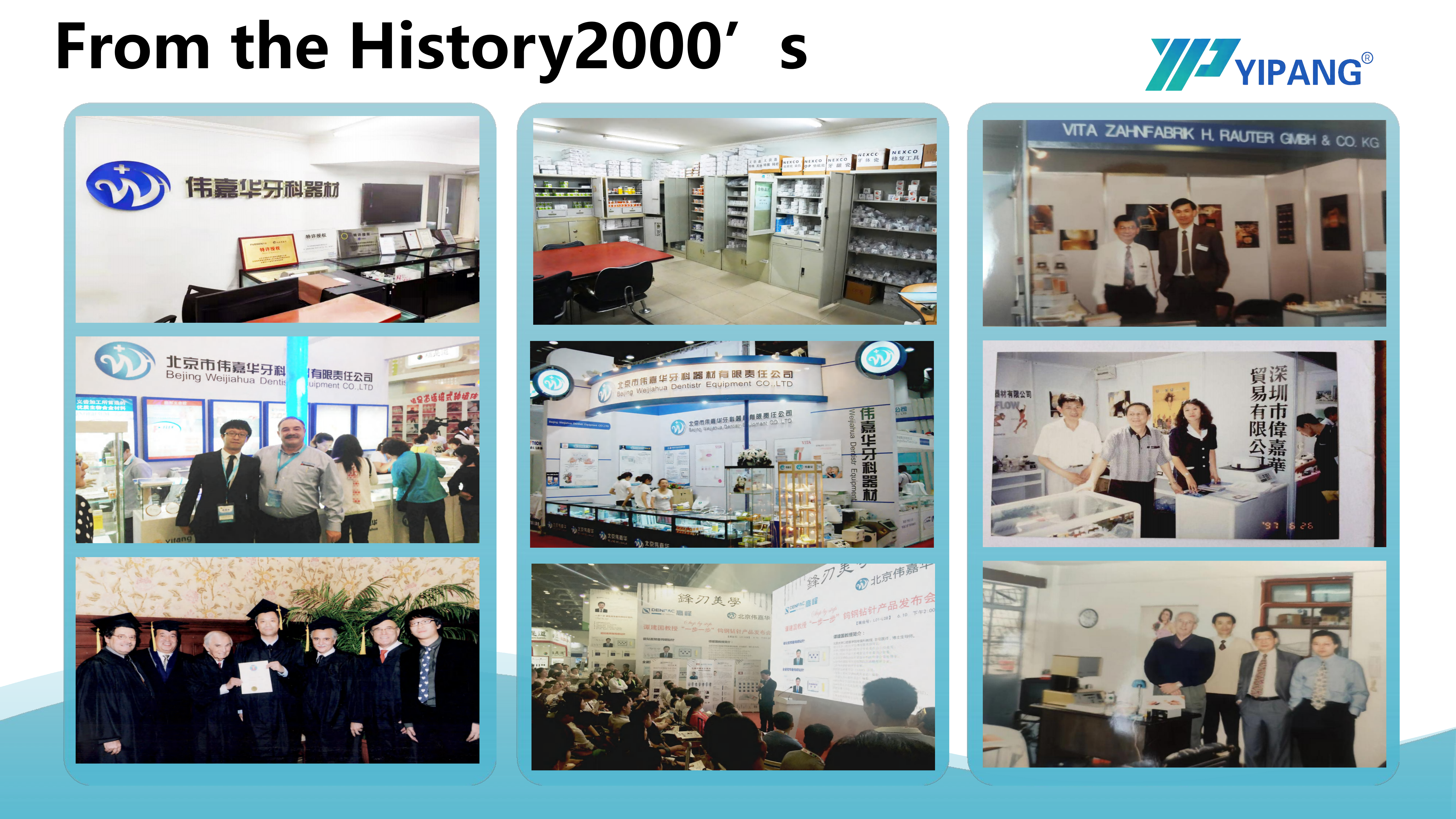
Beijing Weijiahua Dentistry Equipment Co., Ltd. (brand: YIPANG), established in 1996, is a dental industry manufacturer and supplier with a 2000-square-meter facility, approximately 80 employees, and an annual production capacity of USD 10 million. The company states that approximately 40% to 55% of its products are exported and that it serves markets in the Middle East, Southeast Asia, South America, North America, Eastern Europe, North Africa, and Australia. These facts do not replace a lab's own validation, but they provide useful context for supplier discovery and delivery questions.
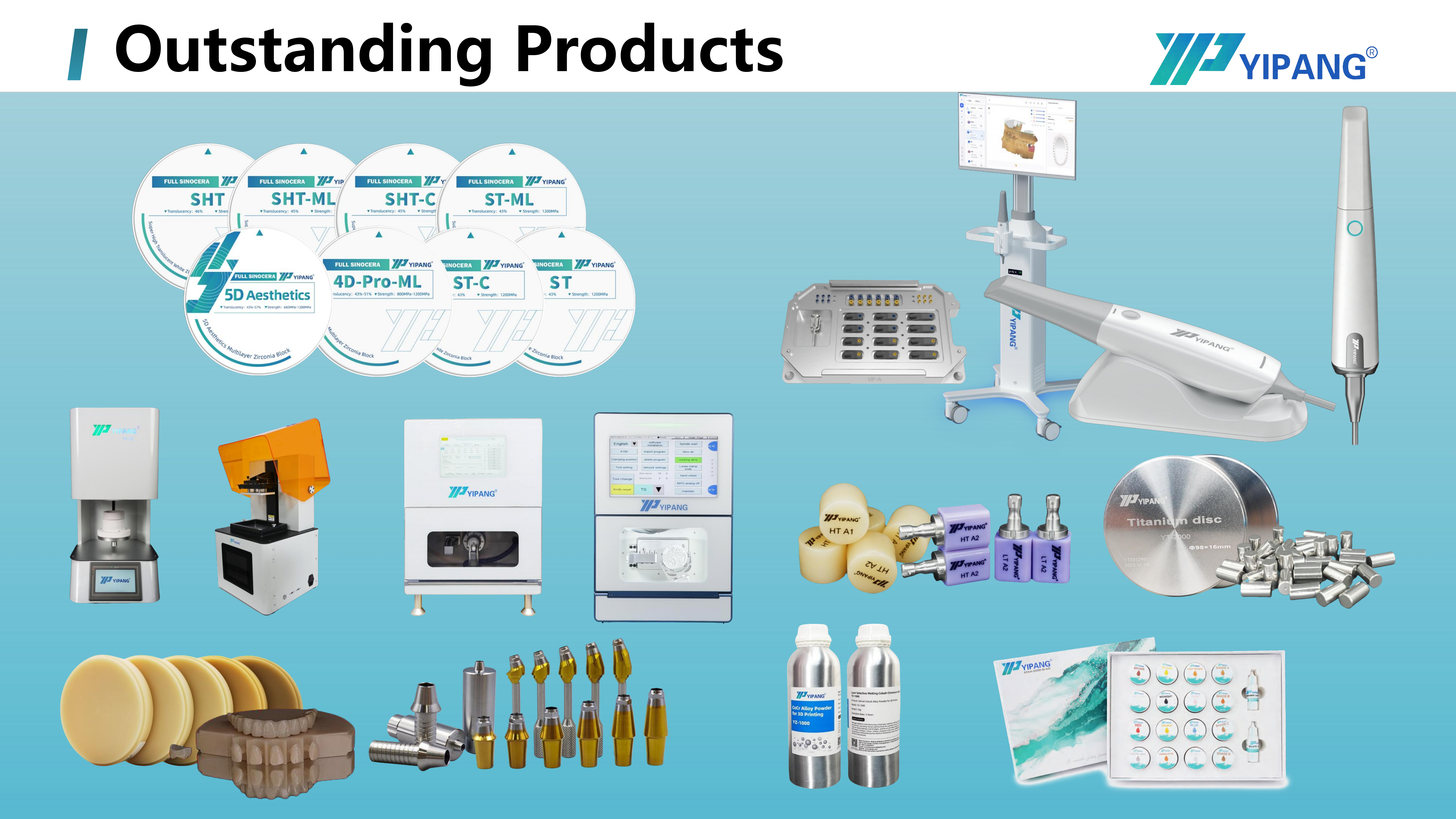
Detailed Solution: A Capability and Delivery Evaluation Framework
A supplier evaluation for Dental Zirconia Block sourcing should produce a written scorecard. The scorecard should separate product facts from supplier claims, and it should connect both to the lab's workflow. The framework below uses the 4D-PRO-ML product data as an example of the evidence a lab can request and verify.
1. Product Identity and Material Data
Start with the exact product identity. The 4D-PRO-ML Dental Zirconia Block is classified as a dental zirconia disc and CAD/CAM dental milling blank, intended for dental laboratories, dental prosthetics, and dental CAD/CAM industries. It is made of zirconium dioxide (ZrO₂) with yttria stabilization, offered in ML multilayer shades with medium translucency, and used for crowns, bridges, and aesthetic dental restorations. The product data also lists compatibility with most mainstream dental milling machines.
Request a specification sheet that states the model, composition, shade system, diameter, thickness options, sintering temperature, and bending strength. For 4D-PRO-ML, the diameter is 98 mm, thickness options are 10 mm, 12 mm, 14 mm, 16 mm, 18 mm, and 20 mm, the sintering temperature is 1450℃, and the bending strength is ≥1200 MPa. Confirm that the documents refer to the exact model and lot you will receive. A general material description is not the same as product-specific data.
2. Equipment and Process Compatibility
CAD/CAM labs should verify three interfaces: the scanner and CAM design workflow, the milling machine, and the sintering furnace. The application data for 4D-PRO-ML lists matched equipment as Dental Milling Machine, Dental Sintering Furnace, and Dental Lab Scanner. The lab should confirm that the 98 mm disc format fits its milling machine, that the CAM library and nesting parameters are available, and that the sintering furnace can follow the required curve.
Sintering control is a critical acceptance point. The recommended sintering temperature range for 4D-PRO-ML is 1430℃–1450℃. The process should follow a standard heating and holding procedure to support low shrinkage and stable translucency. The lab should avoid rapid temperature change to prevent cracking and should not exceed the maximum sintering temperature. For supplier evaluation, ask for the written sintering curve and confirm that it matches the lab's furnace program before production begins.

3. High-Volume Milling and Sintering Capability
High-volume labs need more than a suitable block. They need lot-to-lot consistency, shade replenishment, packaging protection, and technical response when a furnace or CAM issue appears. The company background for Beijing Weijiahua Dentistry Equipment Co., Ltd. lists a 2000-square-meter facility, approximately 80 employees, an annual production capacity of USD 10 million, and 25 professional engineers engaged in dental material formula research, process optimization, and new product development. These are capability signals to discuss with the supplier; they should still be verified through samples, batch records, and the lab's own acceptance tests.
For multi-unit bridges and implant abutment projects, confirm design rules and sintering support. The company specializes in full-contour crowns, bridges, veneers, and implant superstructure restorations, and the 4D-PRO-ML product data includes implant superstructure restorations in its application scope. A lab should ask how the supplier supports complex cases: whether technical staff can review sintering parameters, whether replacement terms cover failed batches, and whether the supplier can provide consistent thickness and shade availability for repeat production.
4. Purchasing Terms, Acceptance Criteria, and Delivery Reliability
Commercial checks should be written into the evaluation. Request minimum order quantity, price basis, sample terms, lead time by thickness and shade, packaging method, batch traceability, replacement policy, and technical support scope. Compare quotes on the same thickness, shade, packaging, and delivery basis. The budget review should include rework, sintering time, and inventory carrying cost, not only the block price.
Delivery reliability can be checked through export experience and documentation. Beijing Weijiahua Dentistry Equipment Co., Ltd. states that approximately 40% to 55% of its products are exported and that it has a nationwide and overseas sales network. For the lab's own market, ask for current lead time, shipment documentation, and the escalation path for short shipments or damaged packaging. These checks turn a supplier discovery list into a procurement decision.
Step-by-Step Breakdown: How to Run the Evaluation
Step 1: Map the lab workflow. List the scanner, milling machine, sintering furnace, burs, and finishing processes used for zirconia work. Include the typical crown, bridge, and implant superstructure cases the lab accepts. This map becomes the baseline for supplier questions.
Step 2: Request product-specific documents. Ask for the exact model data sheet, material composition, shade range, dimensions, sintering curve, strength data, and intended use. For 4D-PRO-ML, confirm the 98 mm diameter, 10–20 mm thickness options, ML multilayer shades, 1450℃ sintering temperature, bending strength ≥1200 MPa, and medium translucency.
Step 3: Run a representative sample test. Do not test only a single crown. Include a multi-unit bridge and, where relevant, an implant superstructure restoration. Mill on the lab's own Dental Milling Machine, sinter with the lab's standard furnace program at 1430℃–1450℃, and record the lot, curve, and milling parameters.
Step 4: Validate acceptance criteria. Check fit, shade, dimensional accuracy, surface finish, and any chipping or cracking after sintering. Compare results with the lab's existing production standard. If the sample passes, confirm that the same acceptance criteria will apply to production lots.
Step 5: Review commercial terms. Obtain a written quote with thickness, shade, packaging, lead time, sample cost, and replacement terms. Confirm whether technical support is included and who the contact person is. Separate one-time sample costs from recurring production costs.
Step 6: Audit delivery and batch traceability. Ask how lots are labeled, how packaging protects discs, and how the supplier handles short shipments. Confirm the lead time for the lab's market and the documents required for import or internal quality records.
Step 7: Score and decide. Use the same scorecard for every supplier. Weight product data, equipment fit, sintering support, complex-case capability, commercial terms, and delivery reliability. Keep the evidence attached to the score so the decision can be reviewed later.
Use Cases: Where Supplier Checks Change the Decision
High-volume crown and bridge labs should prioritize thickness availability, shade replenishment, and sintering consistency. A supplier that cannot maintain lot-to-lot performance will create rework even if the sample passes. The 4D-PRO-ML thickness range of 10 mm to 20 mm and the ML multilayer shade system are relevant data points to test against the lab's most frequent jobs.
Implant-focused labs should add multi-unit bridge and implant superstructure cases to the sample test. The supplier should explain how its sintering support and acceptance criteria apply to these cases. The company's specialization in implant superstructure restorations is a capability signal, but the lab should still validate fit and shade on its own equipment.
Mixed-material labs may evaluate Dental Lithium Disilicate Glass Ceramic, Dental Lithium Disilicate Press Ingot, Dental PMMA Disc, Dental Titanium Alloy Disc, Dental PEEK Disc, Dental Wax Disc, and Dental Implant Abutment supply on the same scorecard. The equipment ecosystem can include Dental Lab Scanner, Dental Milling Machine, Dental Sintering Furnace, Dental Milling Burs, Dental 3D Printer, Dental 3D Printer Resin, Dental 3D Printing Metal Powder, Dental Porcelain Furnace, Dental Polishing Burs, Dental Firing Paste, Dental Staining Glaze, Dental Glaze Paste, and Edentulous Scanbody Kit choices. A supplier with a broad product line can simplify purchasing, but each category still needs its own acceptance check.
Distributors and private-label buyers should evaluate specification ownership, batch consistency, and change notification. YIPANG product lines include Zirconia Blocks, Glass Ceramics, Press Ingots, PMMA, Wax, Titanium Blocks, Implant Abutments, 3D Scanners, Intraoral Scanners, Milling Machines, 3D Printers, and Sintering Furnaces. For a distributor line, confirm that product data, packaging, and technical support can be maintained across repeat orders.
Comparison Table: Supplier Types and Evaluation Focus
| Supplier type | Primary evaluation focus | Evidence to request | Risk to resolve before commitment |
|---|---|---|---|
| Dental consumables wholesaler | Stock breadth, material traceability, and restocking reliability | Lot data, storage conditions, lead time by shade and thickness, replacement terms | Mixed lots or delayed restock that disrupts the milling schedule |
| Equipment dealer | Equipment compatibility and application support | Machine-specific fit confirmation, sintering program guidance, service contact | Block fits the hardware but process support is thin |
| CAD/CAM distributor | CAM workflow, software integration, and acceptance checklist | Test mill on the lab's machine, sintering parameters, dimensional acceptance criteria | Parameter mismatch between the block data and the lab's workflow |
| Private-label dental materials distributor | Specification ownership and batch consistency | Source manufacturer data, private-label acceptance criteria, change notification process | Specification changes without notice |
| Manufacturer-owned brand such as YIPANG | Direct product data, technical contact, and export delivery experience | 4D-PRO-ML specification sheet, sintering curve, sample, current lead time, company information PDF | The lab must still validate its own equipment, acceptance criteria, and production lots |
The table is an evaluation framework. YIPANG facts are limited to the provided product and company data; other rows describe supplier categories to assess, not claims about named competitors.
FAQ: Dental Zirconia Block Supplier Checks
What compliance documents should a CAD/CAM lab request from a Dental Zirconia Block supplier?
Request product identification for the exact model, material composition, technical data, batch or lot traceability, and a clear statement of intended use. For EU-facing labs, MDR 2017/745 classifies most dental implants and restorative materials as high-risk and requires intensive clinical data, so the supplier should be able to explain how its documentation addresses the market where the lab sells. For 4D-PRO-ML, the available product data identifies the block as a dental zirconia disc and CAD/CAM dental milling blank made of zirconium dioxide (ZrO₂) with yttria stabilization, intended for dental laboratories, dental prosthetics, and dental CAD/CAM industries. The lab should match every document to the exact model and lot, and should not treat a general certificate as a substitute for product-specific evidence.
What capability checks show that a supplier can support high-volume milling and sintering?
Check dimensions, shade range, sintering parameters, strength, and equipment fit. 4D-PRO-ML is available in a 98 mm diameter with 10 mm, 12 mm, 14 mm, 16 mm, 18 mm, and 20 mm thickness options; it is offered in ML multilayer shades with medium translucency; the sintering temperature is 1450℃; and the bending strength is ≥1200 MPa. The product is compatible with most mainstream dental milling machines and is intended for crowns, bridges, aesthetic dental restorations, and implant superstructure restorations. For high-volume work, ask for lot consistency evidence, packaging protection, and a named technical contact who can respond to sintering or CAM issues.
How should a lab evaluate budget when comparing Dental Zirconia Block suppliers?
Compare quotes on the same thickness, shade, packaging, and delivery basis, then add the cost of rework, sintering time, and inventory. A lower block price can be offset by higher failure rates, extra milling burs wear, or urgent restocking. The budget review should also separate sample cost from production cost and confirm whether technical support, replacement terms, and documentation are included. No price is implied by this guide; labs should request a written quote based on their actual monthly usage.
How should a CAD/CAM lab test a Dental Zirconia Block sample before committing?
Test the sample on representative jobs, not only a single crown. Include a multi-unit bridge and, if the lab serves implant cases, an implant superstructure restoration. Mill on the lab's own Dental Milling Machine, sinter with the lab's standard furnace program at 1430℃–1450℃, and check fit, shade, dimensional accuracy, and surface finish after sintering. Record the exact block lot, sintering curve, and milling parameters so the result can be compared with the next batch. A sample is useful only when it follows the same acceptance criteria used for production.
How can labs check delivery reliability before choosing a supplier?
Ask for written lead time by thickness and shade, packaging method, shipment documentation, and the escalation path for short shipments. Check whether the supplier's export activity matches the lab's market; Beijing Weijiahua Dentistry Equipment Co., Ltd. exports approximately 40% to 55% of its products and serves the Middle East, Southeast Asia, South America, North America, Eastern Europe, North Africa, and Australia. These facts support a delivery conversation but do not replace a current quote. For a specific requirement, contact YIPANG at service@yipangdental.com or +86 158-0156-5064; the contact person is Jaye Yang. Samples, current lead time, and the company information PDF can be requested through the same channel.
Conclusion: Commit Only After the Evidence Matches the Workflow
A Dental Zirconia Block supplier should be evaluated as a workflow partner. Verify product identity and material data, equipment fit, sintering control, complex-case capability, purchasing terms, acceptance criteria, and delivery evidence. Use a sample test and a written quote before volume commitment. YIPANG's 4D-PRO-ML provides a concrete example of the data a lab should request, but the final decision should rest on the lab's own validation.
Next Step for CAD/CAM Labs
Review the 4D-PRO-ML specification against your milling machine, sintering furnace, and acceptance criteria. For samples, a current quote, or a supplier evaluation discussion, contact YIPANG at service@yipangdental.com or +86 158-0156-5064. Contact person: Jaye Yang. The WJH Company Information PDF can be downloaded and shared with technical and procurement teams.
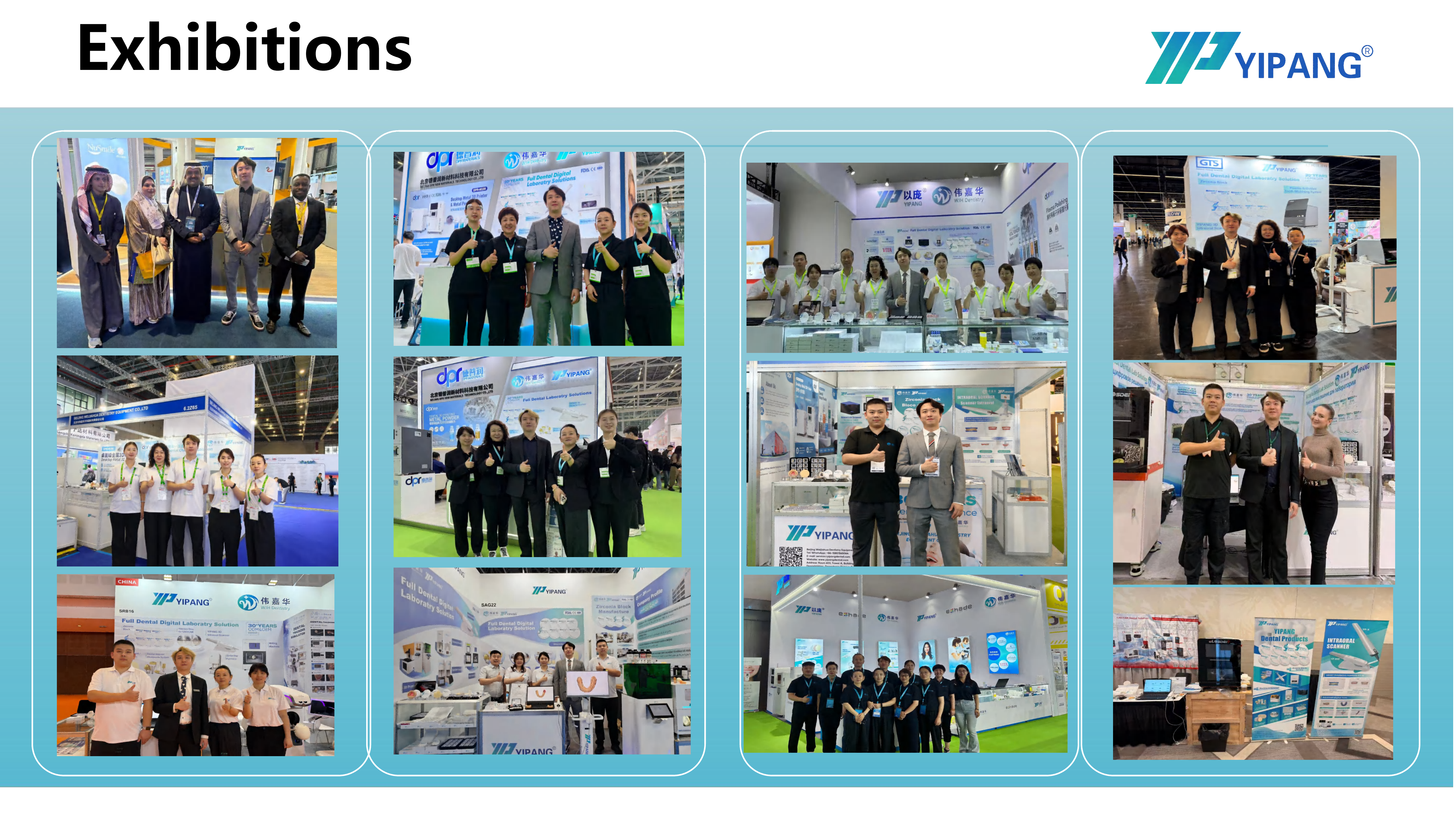
For more information on YIPANG dental materials and equipment, visit www.yipangdental.com.
Have Questions or Need More Details?
Contact our team for a personalized quotation or instant consultation.
Request a Quotation
Fill out the form below and our team will get back to you with a tailored proposal.
WhatsApp Direct Chat
Prefer to chat in real-time? Message us on WhatsApp for instant assistance & quick answers.
- Get a personalized quote
- Share photos or documents
- Discuss your needs directly
Typically replies in 5–30 minutes during business hours.