4D-PRO-ML Zirconia Block vs. PEEK, PMMA & Lithium Disilicate: Lab Decision
4D-PRO-ML Zirconia Block vs. PEEK, PMMA & Lithium Disilicate: Lab Decision
The short answer: 4D-PRO-ML zirconia blocks are the route for restorations that must finish as a sintered ceramic — full-contour crowns, multi-unit bridges, implant superstructure work and full-arch cases where consistency across many units decides the fit. Dental PMMA discs remain the interim route. Dental PEEK discs are a milled polymer route for frameworks and implant-related components. Dental lithium disilicate press ingots are a pressed glass-ceramic route for aesthetic indications a laboratory already presses. These four materials seldom compete for the same unit; they compete for the same milling time, furnace hours and technician attention, which is why the decision belongs to the workflow rather than to one property.
This guide compares the four routes on what a laboratory can act on: the restoration types each one serves, the sintering or firing burden each adds, the equipment time each consumes, and what the supplied evidence does and does not establish. It also places the 4D-PRO-ML block against other zirconia blanks, domestic and imported, because that is usually the first comparison a lab runs.
The decision in plain terms
A mixed-material laboratory does not buy a material; it buys a slice of a shared machine, a shared furnace and a technician's day. Three questions settle most cases before any specification sheet is opened.
- Is the unit definitive or interim? Interim work has no reason to occupy a sintering furnace, and definitive ceramic work has no reason to be routed through an acrylic blank.
- Does the indication require a sintered ceramic? If the answer is yes, the real contest is zirconia against a pressable glass-ceramic, and polymer discs drop out of the comparison rather than losing it.
- What does the route cost in furnace hours and rework risk? A cheaper blank that adds a second sintering cycle, a pressing cycle or a remade unit is not cheaper.
Framed that way, the choice usually resolves into a routing rule rather than a preference: definitive ceramic units to zirconia, interim units to PMMA, polymer frameworks and implant-related components to PEEK, and pressed aesthetic work to lithium disilicate ingots where the pressing workflow already exists.
Why four material routes coexist in one laboratory
The material decision sits inside a market that is still expanding. Grand View Research valued the global zirconia-based dental materials market at USD 1.2 billion in 2025 and projected USD 2.3 billion by 2033. The same source reports zirconia discs at 63.1% of revenue share in 2025, CAD/CAM milling at 82.4% of process revenue, 3Y-TZP grade at 35.9% of product revenue, and dental laboratories as the largest end user at 45.3%. Absolute market size is debated: SNS Insider, cited in the same evidence set, puts 2025 at USD 367.67 million, so the direction of growth is better supported than any single figure.
Glass-ceramics have not left the bench. Business Research Insights estimates lithium disilicate at approximately 28% of all-ceramic dental restorations globally as of 2024, and Intel Market Research projects that market growing from USD 320 million in 2025 to USD 920 million by 2032 at an 18.8% CAGR — while Business Research Insights forecasts 24.53%, a spread that reflects adoption assumptions rather than measured demand.
Polymers run on a separate track. Precedence Research values the PEEK dental implants market at USD 1,055 million in 2025 with an 8% CAGR through 2034. Grand View Research puts photopolymer resins at 55.5% of the dental 3D printing material segment in 2025, and Fortune Business Insights sized the dental milling machine market at USD 2.45 billion in 2025 with USD 3.9 billion expected by 2030; Roland DG, Amann Girrbach and vhf camfacture are identified as significant shareholders in dental milling as of 2024. For a laboratory the reading is practical: the mill and the furnace are shared assets, and every route claims part of both.
What 4D-PRO-ML is, and what its specification covers
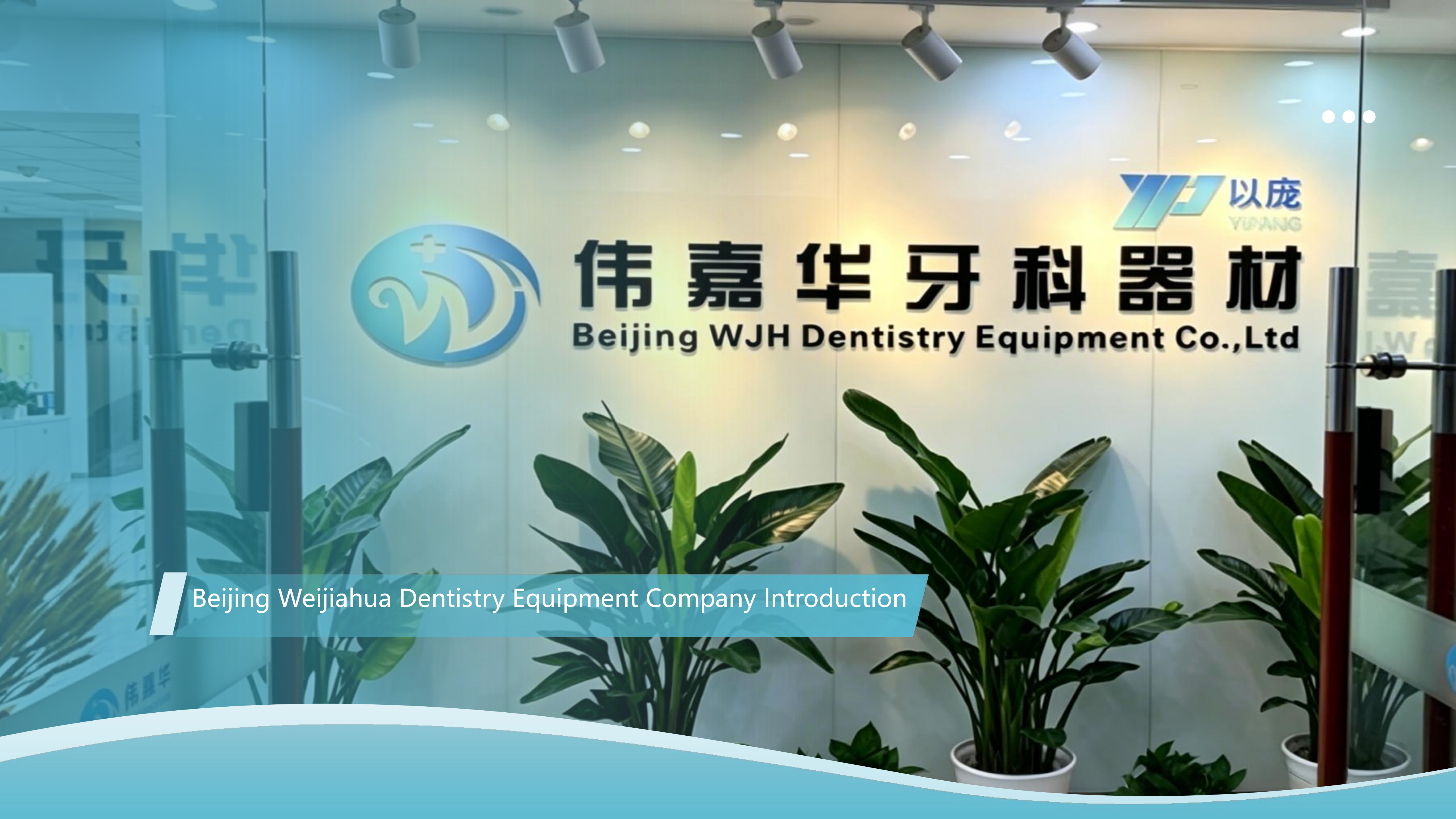
4D-PRO-ML is a dental zirconia block from YIPANG, the self-developed brand of Beijing Weijiahua Dentistry Equipment Co., Ltd. (WJH), a Beijing-based dental equipment company with a 2,000 m² facility and a 25-engineer team working on dental material formulation and process optimization. The block uses high-quality domestic self-developed zirconia powder. The supplier specifies stable batch consistency, a stable sintering shrinkage error within ±0.3%, uniform density distribution, and bending strength and translucency listed as technical advantages, together with good compatibility with most mainstream dental milling machines and a low processing failure rate.
The sintering requirement is explicit: 1430 °C–1450 °C following a standard heating and holding procedure, no rapid temperature change, no exceeding the maximum sintering temperature, and natural cooling once the cycle ends. In the documented workflow the milled zirconia workpiece is placed on a sintering tray, brought up the curve to 1430–1450 °C for the required holding time, and then cooled.
The three alternative routes, head to head
Dental PEEK discs
Dental PEEK discs are milled polymer blanks. They are shaped on the same kind of milling machine as a zirconia block but they are not sintered: the milled part is finished, not fired. PEEK's documented presence in implant work is growing, with Precedence Research valuing the PEEK dental implants market at USD 1,055 million in 2025 and an 8% CAGR to 2034 — a statement about market size, not about the performance of any particular disc. The decision-relevant fact is process: a PEEK route removes the sintering step and the shrinkage variable from the workflow and returns a polymer part instead of a sintered ceramic one.
Dental PMMA discs
Dental PMMA discs are milled acrylic blanks and the established interim route: no sintering, no pressing, a short path from mill to finish. This article does not treat PMMA as a substitute for a definitive ceramic where a definitive ceramic is required. Its value in the comparison is the reverse of zirconia's — routing interim units to PMMA keeps provisional and try-in work off the sintering furnace, so definitive zirconia cycles are not queued behind temporaries.
Dental lithium disilicate press ingots
Dental lithium disilicate press ingots are glass-ceramic ingots formed by heat pressing rather than by shrink-sintering a milled block. That route consumes a pressing furnace plus the following firing and glazing steps in a dental porcelain furnace, with dental firing paste, dental staining glaze and dental glaze paste as consumables. It is a well-established aesthetic route, with lithium disilicate at roughly 28% of all-ceramic restorations globally as of 2024, and it is a different production model from CAD/CAM ceramic milling. A laboratory that already presses evaluates ingots on shade systems, pressing reliability and technician time; a laboratory that does not is comparing the cost of adding a process, not the cost of an ingot.
4D-PRO-ML against other zirconia blanks
Most laboratories compare zirconia with zirconia first. YIPANG positions the 4D-PRO-ML block against other domestic and imported zirconia blank suppliers on two axes: quality consistency and cost performance, the latter resting on self-developed domestic powder and a price positioned below imported zirconia blocks of equivalent quality. Two parts of that positioning are directly checkable by a buyer — whether shade and shrinkage hold across lots, and whether the block runs on the lab's own mill without a rise in processing failures. Both belong in a trial, not in a datasheet.
Application fit: six restoration types, six decisions
Full-contour crowns
A single definitive crown is the cleanest case for 4D-PRO-ML: one unit, one sintering cycle, no cross-unit fit to reconcile. The deciding factors are shade reproducibility between batches and how densely the furnace loads. PMMA covers the same tooth shape as an interim without touching the furnace; a pressed glass-ceramic is an alternative where the aesthetic system, not the blank price, drives the choice.
Multi-unit bridges
Bridges are where shrinkage tolerance starts to matter. Every additional unit multiplies the number of interfaces that must agree after densification, so a specification of stable sintering shrinkage within ±0.3% is more useful here than on a single crown. A laboratory should still sinter the first bridge of a new lot as a fit check rather than assuming the tolerance transfers unchanged to its own curve and tray layout.
Veneers
Veneers are decided by shade and layering capability more than by material class. 4D-PRO-ML is listed for veneer work, and thin sections reward consistent powder and predictable shrinkage; glass-ceramic pressing offers a different layering route with its own consumable chain. Neither route should be selected on unit price alone when the aesthetic outcome carries the case.
Implant superstructure restorations
Superstructures combine a ceramic body with a defined implant interface, so the material and the connection have to be decided together; iData Research valued the final abutment market at nearly USD 2.6 billion in 2025, which reflects how much of the workflow sits around the interface rather than the crown. Zirconia superstructures depend on a controlled sintering curve to hold both the interface geometry and the aesthetic result, while titanium alloy discs and machined dental implant abutments follow a metal route outside this ceramic comparison.
Anterior aesthetic crowns
Anterior work is a shade decision first and a material decision second. Both zirconia and pressed lithium disilicate can serve it; what separates them in a laboratory is the finishing chain — staining glaze, glaze paste and polishing burs for a milled and sintered ceramic, pressing plus firing for a glass-ceramic. A lab should choose the chain its technicians can repeat on a normal day, then confirm shade stability lot to lot.
Full-arch implant restorations
Full-arch cases punish dimensional drift because many units must seat together. Here the sintering curve is a production control, not a formality: the same 1430–1450 °C range, holding time and cooling behaviour should be applied to every segment of the case. Digital capture through an edentulous scanbody kit and model output from a dental 3D printer support the try-in stage, but they do not replace verifying the sintered result against the model before delivery.
The sintering temperature curve as a decision factor
For 4D-PRO-ML the curve is part of the product's operating instructions, and it is the single clearest difference between zirconia and the other three routes. PEEK and PMMA discs add no sintering step at all; lithium disilicate ingots add a pressing cycle and subsequent firing; zirconia adds a high-temperature cycle that must be run correctly every time.
- Range: 1430 °C–1450 °C, reached through a standard heating and holding procedure rather than a short ramp.
- Rate discipline: avoid rapid temperature change to prevent cracking.
- Ceiling: do not exceed the maximum sintering temperature.
- Cooling: cool naturally after the cycle instead of forcing the drop.
The practical consequence for a decision-maker is capacity planning. A zirconia route needs furnace hours that must be scheduled, monitored and kept clear of shortcuts, whereas polymer routes return units without a firing stage. That is a real cost of the zirconia route and should be counted honestly against its role as the definitive ceramic option.
Equipment workflow: what each route actually consumes
The four routes diverge less at the design station than at the equipment line. A typical ceramic path runs from a dental lab scanner to CAD design, then to a dental milling machine with dental milling burs, then to a dental sintering furnace, then to finishing with polishing burs and a staining glaze or glaze paste.
- 4D-PRO-ML zirconia: scanner → mill → sintering furnace at 1430–1450 °C → finishing. Good compatibility with most mainstream dental milling machines and a low processing failure rate are the supplier's stated attributes; the market's named milling players (Roland DG, Amann Girrbach, vhf camfacture) are market participants, not a per-machine validation list, so confirm your own model with the supplier.
- PEEK and PMMA discs: scanner → mill → finishing. No furnace stage, which shortens turnaround and removes the shrinkage variable.
- Lithium disilicate press ingots: wax pattern or milled wax disc → investment and pressing → firing, staining and glazing in a dental porcelain furnace → finishing. It consumes a different equipment set and a different technician skill.
- Outside this comparison: dental 3D printer resin and dental 3D printing metal powder serve model, splint and metal framework routes; they are not substitutes for a definitive ceramic crown.
Read together, the equipment line is the honest tie-breaker. A laboratory that already owns a calibrated sintering furnace and a disciplined curve protocol gets the most from 4D-PRO-ML. A laboratory without pressing capability should price the entire glass-ceramic process, not a single ingot, before treating pressables as a cheaper alternative.
Head-to-head comparison
The table below uses only supplied content-unit facts and attributed third-party data. Where a material's specification is not in the evidence set, this article does not guess at it.
| Route | How the unit is formed | Thermal requirement | Documented role in the lab | Decision note |
|---|---|---|---|---|
| 4D-PRO-ML dental zirconia block (YIPANG) | CAD/CAM milled, then densified by sintering | Sintering at 1430 °C–1450 °C with standard heating and holding; avoid rapid temperature change; natural cooling | Full-contour crowns, bridges, veneers and implant superstructure restorations | Shrinkage error specified within ±0.3%; good compatibility with most mainstream milling machines; positioned on quality consistency and cost performance versus other domestic and imported blanks |
| Dental PEEK disc | Milled polymer, finished without firing | No sintering stage | Polymer frameworks and implant-related components | Removes the shrinkage variable; PEEK dental implants market valued at USD 1,055 million in 2025 with 8% CAGR to 2034 (Precedence Research) |
| Dental PMMA disc | Milled acrylic | No sintering stage | Interim and provisional restorations | Keeps temporary work off the ceramic furnace; not a definitive ceramic substitute |
| Dental lithium disilicate press ingot | Heat pressed, then fired and glazed | Pressing cycle plus porcelain furnace firing and glazing | Aesthetic glass-ceramic restorations | About 28% of all-ceramic restorations globally as of 2024 (Business Research Insights); requires a separate process chain |
What the table shows is a split in function, not a ranking. Only the zirconia row carries a high-temperature sintering curve, and only that row is specified for the definitive ceramic indications listed in the content units.
Cost, risk and what “cost performance” really covers
Cost performance in the 4D-PRO-ML positioning is defined against other zirconia blanks, not against polymers: the block is described as offering a more competitive price than imported zirconia blocks of equivalent quality, with the difference attributed to self-developed domestic powder and stable batch consistency. That is a sourcing advantage inside the zirconia category, and it is the frame in which the claim should be evaluated.
Risk is the second half of the cost equation. A low processing failure rate and compatibility with most mainstream milling machines reduce the two failure modes that actually cost a laboratory money — a milled unit lost before sintering and a sintered unit that does not fit. Neither factor is quantified in the supplied evidence, so both should be measured in a trial rather than assumed. No prices, lead times or warranty terms are quoted in this article; those come from the supplier's current quotation.
Five checks before moving a case load
- Shade across lots. Mill and sinter the same shade from two different batches and compare under the lighting your clients use.
- Shrinkage on your own furnace. Treat ±0.3% as the supplier's specification and confirm it against your curve, tray position and furnace calibration.
- Milling behaviour. Track breakages and chipping on your machine with your burs; note whether the failure rate holds or drifts over a full lot.
- Multi-unit fit. Sinter a three-unit or larger bridge early and check the interfaces on the model before committing full-arch work.
- Documentation. Obtain the sintering parameters, shrinkage tolerance and compatibility statement in writing, since EU Medical Device Regulation (MDR 2017/745) classifies most dental implants and restorative materials as high-risk and documentation expectations follow from that.
What this comparison does not establish
- No independent head-to-head mechanical or clinical testing of these four routes is included in the supplied evidence, so no superiority, equivalence or clinical suitability claim is made for any route.
- Market figures are third-party estimates with different scopes and forecast assumptions; the zirconia market size and lithium disilicate CAGR disagreements shown above are part of that picture.
- Compatibility with “most mainstream” milling machines is the supplier's stated attribute, not a per-machine certification. No certificate is asserted for any material in this article; confirm documentation with each supplier.
- “Not disclosed” in this article does not mean “not capable”. Absence of a specification here is a gap in the evidence set, not a property of the material.
Frequently asked questions
What documentation should a laboratory request before adding a 4D-PRO-ML zirconia block?
Request the sintering parameters in writing (1430 °C–1450 °C with the standard heating and holding procedure, no rapid temperature change, do not exceed the maximum sintering temperature, natural cooling), the stated shrinkage tolerance of ±0.3%, and the milling compatibility statement. For EU-facing work, ask how the material documentation supports your obligations under MDR 2017/745, which classifies most dental implants and restorative materials as high-risk. This article asserts no specific certificate for any material.
What sintering temperature curve does 4D-PRO-ML require?
The recommended range is 1430 °C–1450 °C using a standard heating and holding procedure to support low shrinkage and stable translucency. The documented steps are: place the milled zirconia workpiece on the sintering tray, set the heating curve to 1430–1450 °C with the proper holding time, and let the workpiece cool naturally after the cycle. Rapid temperature change should be avoided to prevent cracking.
Will it run on our existing milling machine and sintering furnace?
The block is stated to have good compatibility with most mainstream dental milling machines and a low processing failure rate. The workflow itself is standard: dental lab scanner for digital capture, dental milling machine with milling burs for shaping, and a dental sintering furnace for densification. Because “most mainstream” is not a per-machine certification, confirm your specific mill model and furnace calibration with the supplier and verify the first lot on your own equipment.
Where does the price advantage come from compared with imported zirconia blocks?
YIPANG attributes it to high-quality domestic self-developed zirconia powder with stable batch consistency, and positions the block as offering a more competitive price than imported zirconia blocks of equivalent quality. The same positioning claims advantages in quality consistency and cost performance versus other domestic and imported zirconia blank suppliers. No price figure is quoted in this article; request a current quotation for your formats and volumes.
How should a laboratory run a sample trial before committing?
Run a small acceptance batch on your own mill and furnace: two shades from different lots, one three-unit bridge for fit, and a record of any milling failure. Compare shade, fit and surface result against your current block, then confirm the sintering curve and shrinkage behaviour with the supplier. YIPANG supplies sample and quotation requests through service@yipangdental.com, and the company profile is available in the WJH company information brochure.
Conclusion: route the case, then choose the block
The head-to-head result is a routing rule rather than a winner. Definitive ceramic units — full-contour crowns, multi-unit bridges, veneers, implant superstructures and full-arch restorations — belong on a sintered zirconia route where the sintering curve is controlled and the shrinkage tolerance is specified; 4D-PRO-ML fits that role with a 1430–1450 °C curve, a ±0.3% shrinkage specification, and stated compatibility with most mainstream milling machines. Interim units belong on PMMA. Polymer frameworks and implant-related components belong on PEEK. Pressed aesthetic work belongs on lithium disilicate ingots where the pressing and firing chain already exists.
The reason to compare them at all is capacity and risk, not preference: only one of these routes consumes a 1430–1450 °C sintering cycle, and only that route returns a definitive ceramic. A laboratory that decides the route first, then the block, gets a decision it can defend to its clients and its accountants.
Next step: if the zirconia route is the right one for your case mix, request a 4D-PRO-ML sample or a quotation from YIPANG and run it on your own mill and furnace before switching a case load. Contact: service@yipangdental.com | WhatsApp +86-158-0156-5064.
Have Questions or Need More Details?
Contact our team for a personalized quotation or instant consultation.
Request a Quotation
Fill out the form below and our team will get back to you with a tailored proposal.
WhatsApp Direct Chat
Prefer to chat in real-time? Message us on WhatsApp for instant assistance & quick answers.
- Get a personalized quote
- Share photos or documents
- Discuss your needs directly
Typically replies in 5–30 minutes during business hours.