Dental Zirconia Block Supplier Evaluation: Capability Verification and Delivery Assurance
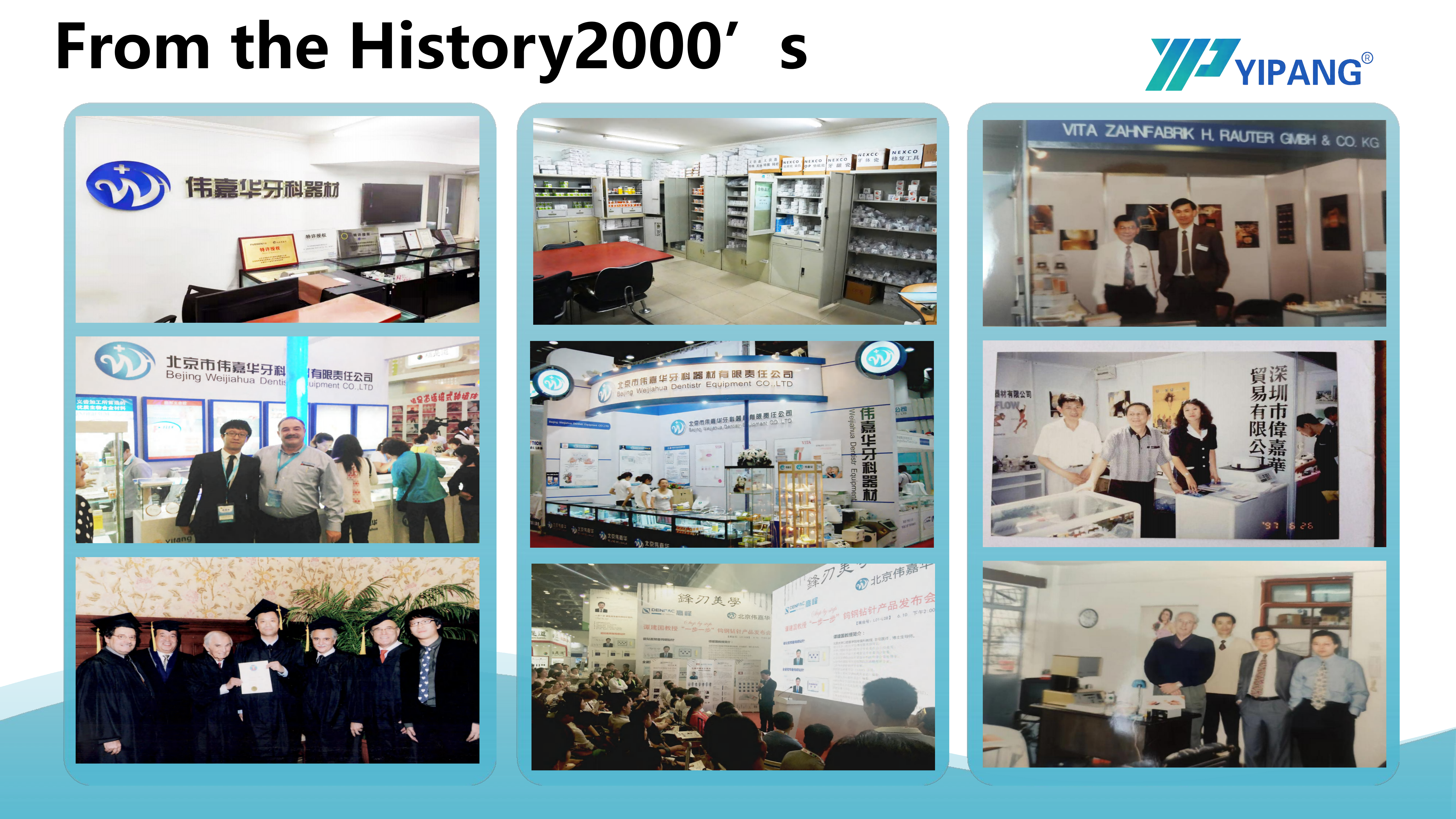
A dental zirconia block supplier evaluation should separate two questions: what a supplier can prove about its manufacturing role before an order, and what the supplier will commit to at delivery. Beijing Weijiahua Dentistry Equipment Co., Ltd., the company behind the YIPANG dental materials brand, provides several capability signals that a CAD/CAM lab can check: a founding date of 1996, more than 30 years of dental-industry involvement, approximately 80 employees, and a 2,000 m² manufacturing facility. Those facts are useful, but they do not by themselves prove that a specific 4D-PRO-ML order will arrive on time, pass incoming inspection, or sinter correctly in the lab's furnace. Delivery assurance has to be built from purchasing terms, acceptance criteria, equipment compatibility, and sintering guidance.
Problem definition: why supplier promises are not delivery assurance
Many supplier evaluations collapse into a price-and-lead-time comparison. The buyer asks for a quotation, receives a lead time, and treats the response as a delivery promise. That approach misses the difference between production capability and delivery control. A supplier may have a factory and a certificate, yet a lab order can still fail because the block size is not compatible with the milling machine, the sintering furnace is set outside the recommended range, the acceptance window is too short, or the payment and shipping terms leave no room for sample validation.
For dental zirconia block procurement, the evaluation should produce two written outputs: an evidence file for capability and a delivery agreement for the order. The evidence file answers whether the supplier is a real manufacturer with a relevant quality system, a suitable production claim, and product-specific technical information. The delivery agreement answers what happens between purchase order and acceptance: Incoterms, payment, packaging, documentation, acceptance window, sample test, and technical support route.
Industry background: zirconia blocks are a workflow material
Dental zirconia blocks are a CAD/CAM material used for full-contour crowns, bridges, veneers, and implant superstructure restorations. Peer-reviewed literature on zirconia-based dental materials covers properties, classification, and continuing material development, which supports treating zirconia as a technical material category rather than a commodity. In practice, the block is part of a workflow: a dental lab scanner captures the case, a dental milling machine mills the block, and a dental sintering furnace applies the sintering cycle. A supplier evaluation that ignores the scanner, mill, furnace, and sintering curve is incomplete.
Suppliers in this category may be manufacturers, traders, or private-label brands. That is why a supplier evaluation should verify manufacturing role and quality-system scope before discussing price. Public regulatory records can also help in some markets. For example, U.S. FDA establishment listing and 510(k) records for a named dental zirconia blank product family show that document-based screening is possible for U.S.-oriented procurement. Such records confirm regulatory identity and submission existence; they do not establish capacity, quality level, or delivery performance.
Detailed solution: a two-track supplier evaluation framework
Use a two-track framework. Track A verifies manufacturing capability. Track B converts delivery promises into verifiable terms. Keep the two tracks separate in the evaluation file so a strong capability signal does not hide a weak delivery term.
Track A: verify manufacturing capability
- Legal entity and longevity. Confirm the registered company name, business license, address, and brand ownership. The supplied company profile identifies Beijing Weijiahua Dentistry Equipment Co., Ltd. as established in 1996 with more than 30 years of dental-industry involvement. The YIPANG brand is described as a self-developed brand of the company. Verify that the entity quoting your order is the same entity that holds the relevant certificates and product documentation.
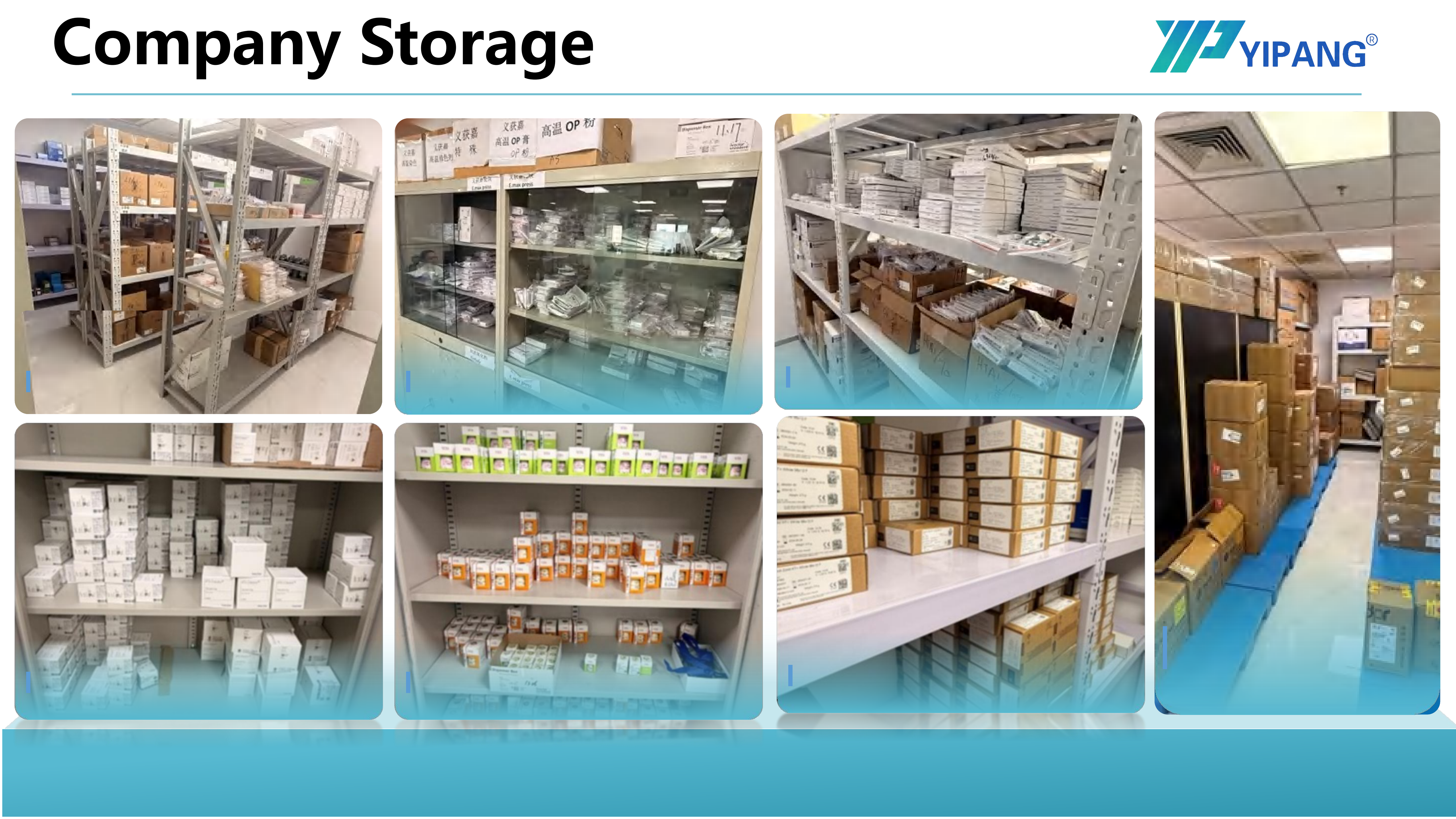
- Manufacturing footprint and team. The supplied facts describe a 2,000 m² facility and approximately 80 employees. These are capability signals to check, not proof of capacity utilization for a specific order. Ask for the production site address, the product family produced there, and whether the quoted 4D-PRO-ML block is made at that site.
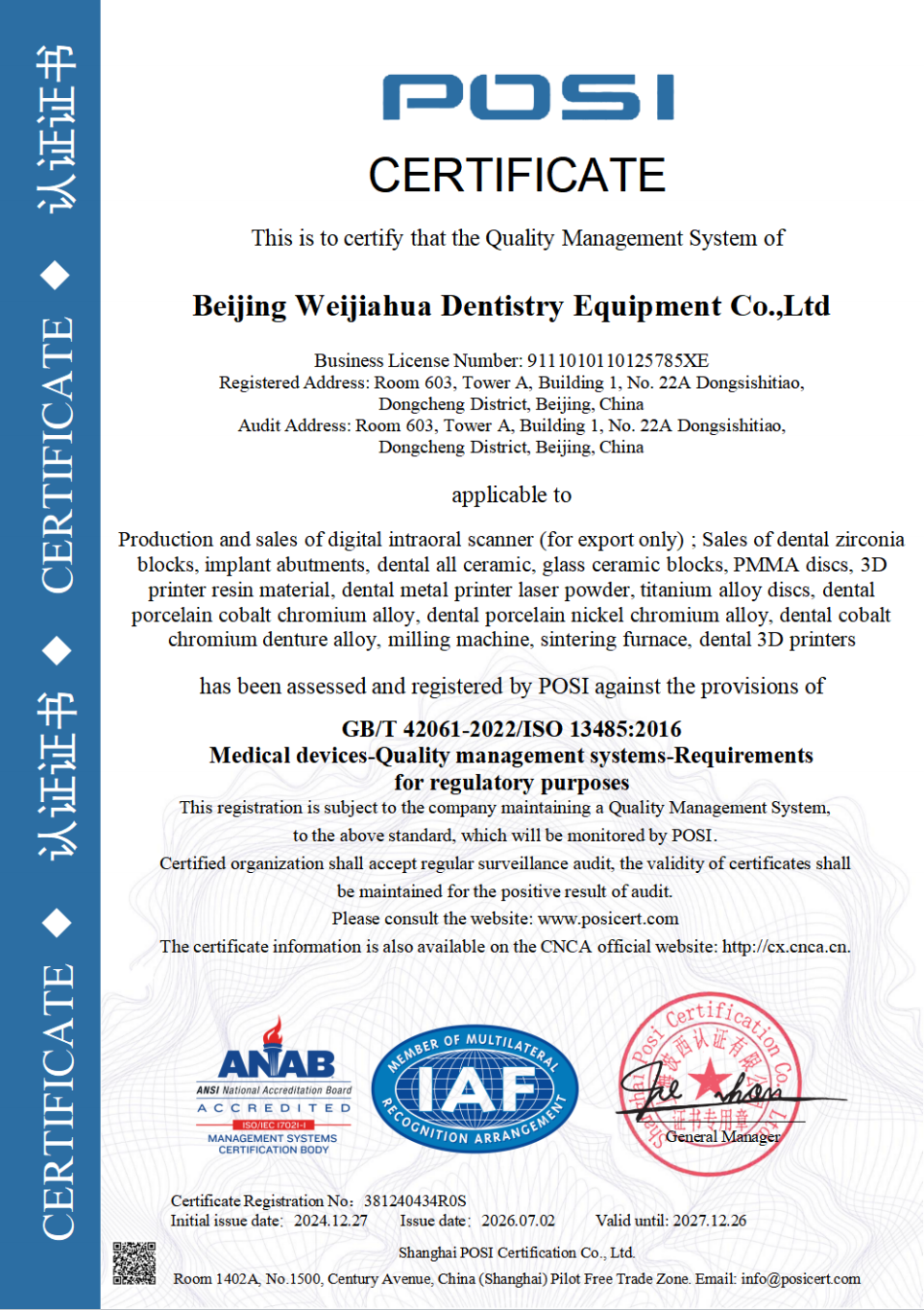
- Quality management system. The supplied certificate record lists ISO 13485 certificate number 381240434R0S, issued by Shanghai POSI Certification Co., Ltd., under GB/T 42061-2022 / ISO 13485:2016, with issue date 2024-12-27 and expiry date 2027-12-26. The recorded scope is design, production and sales of dental medical materials and dental equipment. Verify a current certificate copy and read the scope carefully; a QMS certificate supports process discipline but is not a product-specific approval for every block or every market.
- Production and customization claims. The supplied capability unit states OEM/ODM production, almost all specifications customizable, monthly capacity of 15,000 pieces, lead time of 15-30 working days, negotiable small MOQ, 100% raw material inspection plus finished product random inspection, and after-sales response within 24 hours. Convert each claim into an order-specific question: what capacity is reserved for your order size, which specifications are actually customizable, and what inspection record will accompany the lot.
- Product-specific technical evidence. The supplied FAQ unit describes 4D-PRO-ML zirconia blocks as made from Sinocera powder with flexural strength of 800-1200 MPa and stable shade consistency, suitable for posterior crowns and multi-unit bridges and positioned for high-volume dental labs. Request the product-specific technical data sheet, instructions for use, shade code, block dimensions, and sintering curve before relying on these statements for production planning.
- R&D and technical support. The company profile describes 25 professional engineers engaged in dental material formula research, process optimization, and new product development. The capability unit lists online technical guidance and after-sales response within 24 hours. Verify a named technical contact, the escalation route, and whether support covers sintering and milling questions for 4D-PRO-ML.
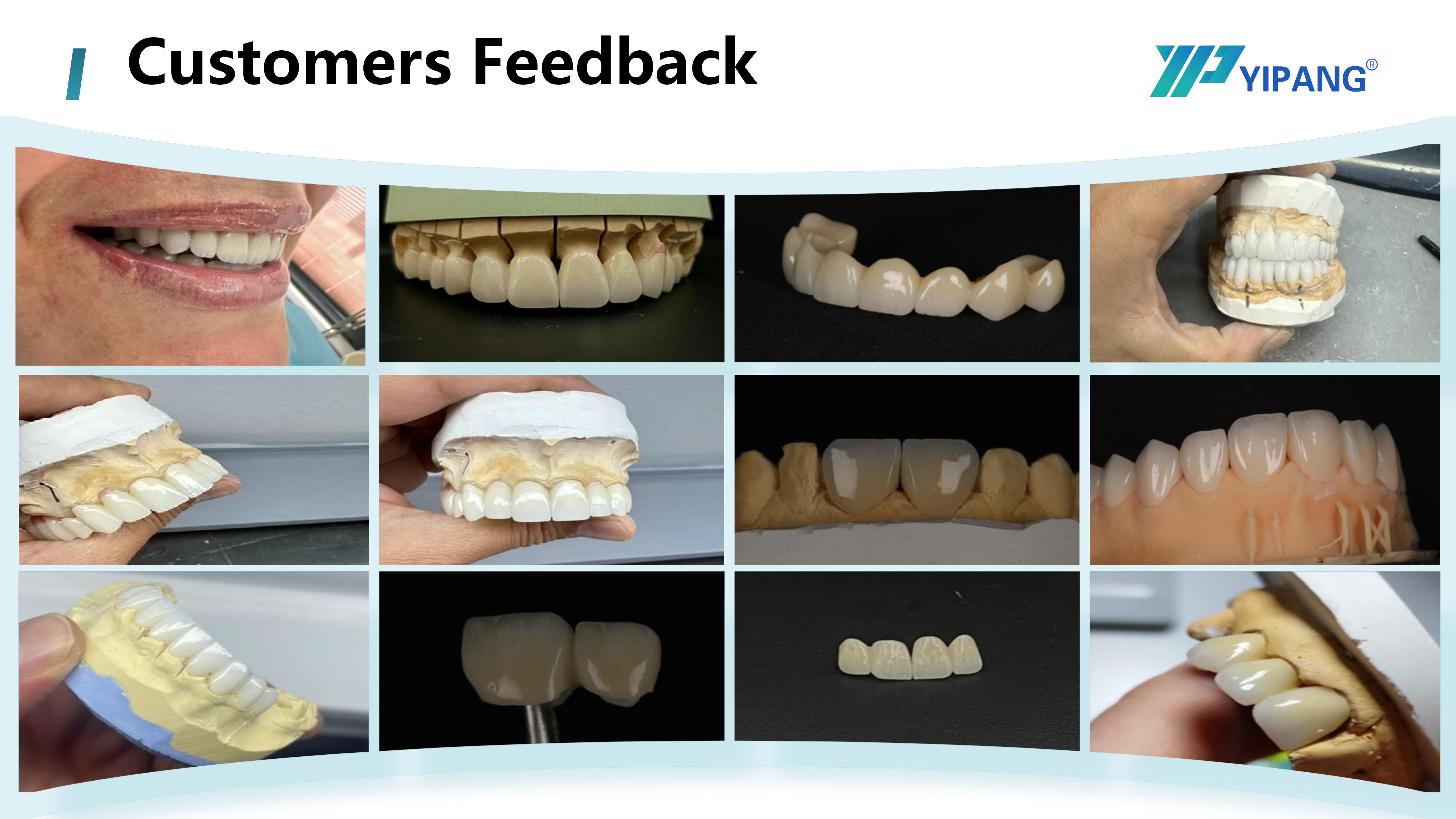
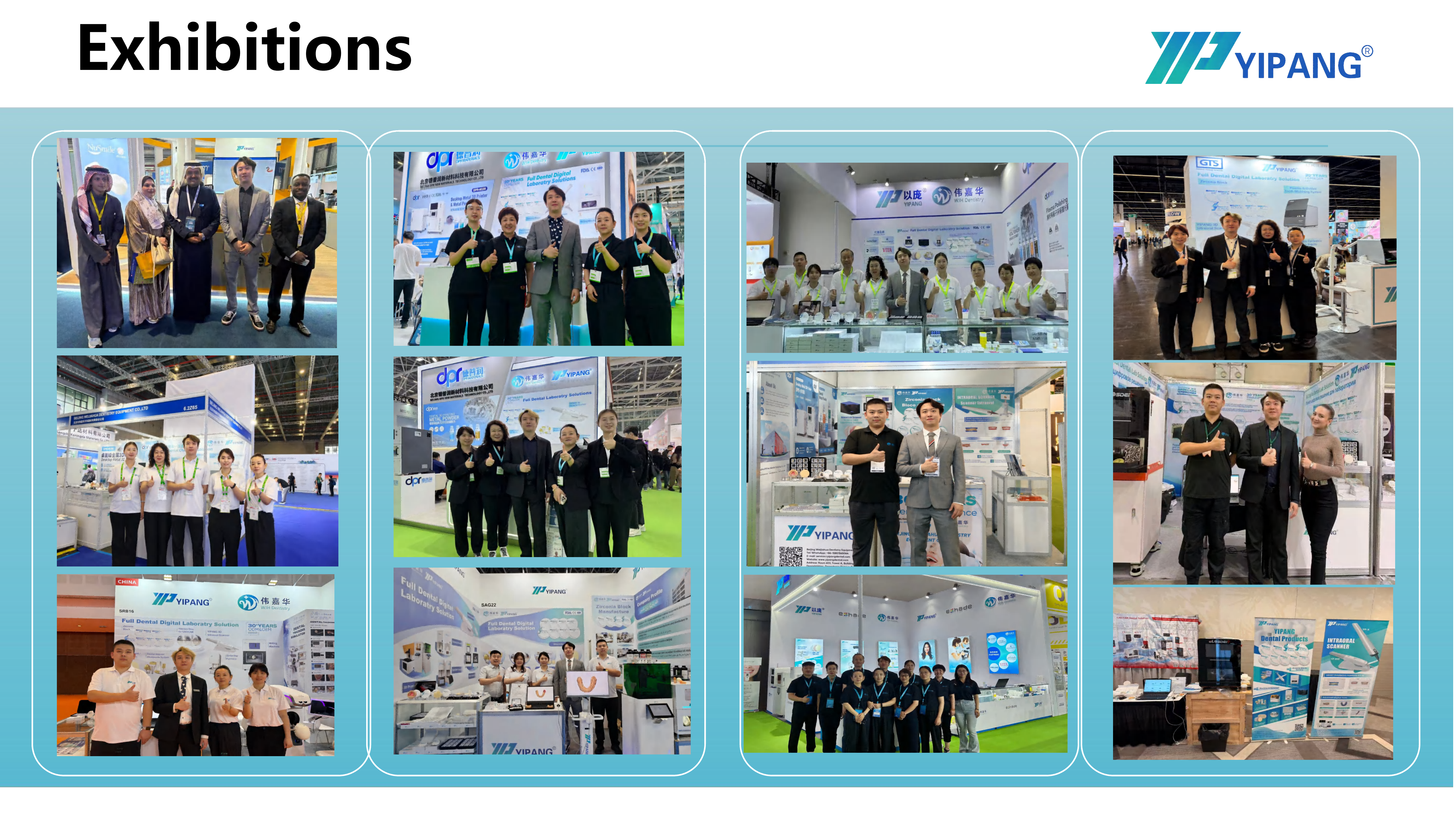
- Customer evidence. The supplied case unit reports hundreds of long-term cooperative clients worldwide, high recognition on material stability and aesthetic effect, and a low customer complaint rate. Treat this as company-reported case evidence, not independent market verification. For a high-volume order, ask for referenceable evidence and a sample that you can test in your own workflow.
Track B: convert delivery promises into assurance terms
- Purchasing terms. The supplied purchasing terms state MOQ of 1 box for standard models and 5 boxes for customized products; domestic express delivery; export by sea freight or air freight with FOB Shanghai/Tianjin available; and full payment before shipment. These terms should appear in the proforma invoice and contract. Because full payment before shipment places payment risk on the buyer, a sample order and written acceptance procedure are especially important.
- Acceptance criteria. The supplied acceptance rule states that quantity should be checked upon receipt, damage or deformation should be reported within 48 hours with photos, and sampling tests are supported. Convert this into a written incoming inspection: count and packaging check, block dimension check, visible defect check, documentation check, and first-article sintering test. The 48-hour window is a reporting deadline, not a substitute for a defined test plan.
- Supporting equipment requirements. The supplied application data lists a dental milling machine, a dental sintering furnace, and a dental lab scanner as matched equipment for 4D-PRO-ML processing. Confirm that the block dimensions and CAD/CAM compatibility fit your specific scanner, mill, and furnace. The supplied case material states compatibility with most CAD/CAM systems; 'most' is not a guarantee for every machine, so verify with your own equipment before bulk ordering.
- Sintering-temperature guidance. The supplied knowledge unit gives a recommended sintering temperature range of 1430°C-1450°C and advises following the standard heating and holding procedure to support low shrinkage and stable translucency. It also states that rapid temperature change should be avoided to prevent cracking, the maximum sintering temperature should not be exceeded, the milled workpiece should be placed on a sintering tray, and the restoration should cool naturally after sintering. These are process requirements to validate with a first-article test, not a promise that every furnace will produce the same result.
- Documentation package. Require certificate copy, product technical data, instructions for use, packing list, lot number, and sintering curve with each order. Keep the documents with the purchase order so acceptance and traceability are not based on memory.
Step-by-step evaluation sequence for a CAD/CAM lab
- Define the restoration mix and equipment constraints. List the crowns, bridges, veneers, or implant superstructures you plan to produce, and identify the scanner, milling machine, and sintering furnace you will use. This step prevents a capability claim from being evaluated outside your actual workflow.
- Verify the legal entity and manufacturing role. Match the quoting entity to the company profile, business license, certificate holder, and product documentation. For Beijing Weijiahua, the supplied facts include a 1996 founding, more than 30 years in the dental industry, a 2,000 m² facility, and approximately 80 employees.
- Verify the quality-system certificate and scope. Check ISO 13485 certificate 381240434R0S, issuer Shanghai POSI Certification Co., Ltd., standard GB/T 42061-2022 / ISO 13485:2016, issue date 2024-12-27, expiry date 2027-12-26, and the recorded scope for dental medical materials and dental equipment. Read the scope; do not assume it covers every product or market.
- Test capacity and customization claims with a sample order. Ask how the 15,000-piece monthly capacity and 15-30 working-day lead time apply to your order size and customization level. Use a sample order to test whether the stated MOQ, packaging, and documentation process work in practice.
- Require product-specific technical data and a sintering curve. For 4D-PRO-ML, ask for the technical data sheet, shade information, block dimensions, and the sintering profile. The supplied guidance is 1430°C-1450°C with standard heating and holding, no rapid temperature change, and no exceeding the maximum temperature.
- Write delivery terms and acceptance criteria into the order. Include MOQ, Incoterms, payment terms, packaging, documentation, the 48-hour damage-reporting window, and sampling-test arrangements. Do not rely on a chat message or a general catalogue statement as the delivery agreement.
- Run incoming inspection and first-article sintering. Check quantity, packaging, dimensions, and visible condition on receipt. Then sinter a first article under the recommended 1430°C-1450°C range and compare fit, shade, and shrinkage against your expectations. Record the result before releasing the lot to production.
- Confirm after-sales response before a bulk commitment. Test the online technical guidance route and the stated 24-hour after-sales response with a real technical question. A responsive support channel is part of delivery assurance because sintering or compatibility problems need a named escalation path.
Use cases: how different labs apply the framework
High-volume milling center
A high-volume center should test the capacity claim against its own forecast. The supplied capability unit states monthly capacity of 15,000 pieces and a lead time of 15-30 working days. Those figures are useful starting points, but the center should ask how much capacity is reserved for its order pattern, whether the 4D-PRO-ML grade is stocked, and what documentation accompanies each lot. The center should also validate the 1430°C-1450°C sintering guidance in its own furnace before committing a production line.
Lab adding zirconia restorations
A lab adding zirconia to its workflow should start with equipment compatibility. The supplied application data lists a dental lab scanner, dental milling machine, and dental sintering furnace as matched equipment. The lab should confirm that its CAD/CAM system can handle the selected block dimensions and that its furnace can follow the recommended 1430°C-1450°C range. A sample order provides a practical check before the lab changes its production schedule.
Distributor or OEM buyer
A distributor or OEM buyer should separate brand capability from order execution. The supplied capability unit states OEM/ODM production, almost all specifications customizable, MOQ of 1 box for standard models and 5 boxes for customized products, and FOB Shanghai/Tianjin availability. The buyer should verify certificate scope, packaging and labeling requirements, and the acceptance process. Full payment before shipment should be balanced with sample testing and a clear written specification.
Capability signal vs delivery assurance: comparison table
| Evaluation area | Supplied fact to verify | Document or test to request | What it establishes and what it does not |
|---|---|---|---|
| Company history | Founded in 1996; more than 30 years in the dental industry | Business license, company profile, brand ownership record | Establishes longevity and entity identity; does not prove product performance or delivery reliability. |
| Facility and team | 2,000 m² facility; approximately 80 employees | Site address, production-site confirmation, facility documentation | Supports the manufacturing-presence claim; does not prove capacity utilization or order priority. |
| Quality system | ISO 13485 certificate 381240434R0S, issued 2024-12-27, expires 2027-12-26, scope for dental medical materials and dental equipment | Current certificate copy, issuer verification, scope review | Supports QMS certification and scope; does not replace product-specific technical data or market approvals. |
| Production and customization | Monthly capacity 15,000 pieces; lead time 15-30 working days; OEM/ODM; almost all specifications customizable | Production schedule, sample order, specification sheet | Establishes stated capacity and customization scope; does not guarantee a reserved production slot. |
| Product evidence | 4D-PRO-ML: Sinocera powder, flexural strength 800-1200 MPa, stable shade consistency, posterior crowns and multi-unit bridges | Technical data sheet, IFU, shade code, block dimensions, sample test | Supports supplied product description; does not establish clinical outcome or suitability for every case. |
| Purchasing terms | MOQ 1 box standard, 5 boxes customized; FOB Shanghai/Tianjin; full payment before shipment | Proforma invoice, contract, payment terms | Establishes commercial terms; does not prove on-time delivery or damage-free arrival. |
| Acceptance criteria | Quantity check on receipt; damage or deformation reported within 48 hours with photos; sampling test supported | Written incoming inspection plan and acceptance record | Establishes a reporting window and sample route; does not cover every latent defect without a test plan. |
| Equipment and sintering | Dental milling machine, dental sintering furnace, dental lab scanner; sintering range 1430°C-1450°C | Equipment compatibility check, sintering curve, first-article test | Establishes process requirements; does not guarantee identical results in every furnace without validation. |
FAQ: dental zirconia block supplier evaluation
What compliance evidence should a CAD/CAM lab request from a dental zirconia block supplier?
Request the current ISO 13485 certificate, the issuer name, the certificate number, the standard, the issue and expiry dates, and the recorded scope. For the supplied Beijing Weijiahua record, the certificate number is 381240434R0S, the issuer is Shanghai POSI Certification Co., Ltd., the standard is GB/T 42061-2022 / ISO 13485:2016, the issue date is 2024-12-27, the expiry date is 2027-12-26, and the scope covers design, production and sales of dental medical materials and dental equipment. Also request product-specific technical data and instructions for use for the exact block model. The certificate supports the quality-management system; it does not by itself prove that every product meets every market requirement.
What should a CAD/CAM dental lab check in an OEM dental zirconia block manufacturer?
Check the legal entity, manufacturing site, quality-system scope, production and customization claims, product-specific technical data, delivery terms, acceptance procedure, and technical support route. For Beijing Weijiahua and the YIPANG brand, the supplied facts include a 1996 founding, more than 30 years in the dental industry, a 2,000 m² facility, approximately 80 employees, 25 engineers, OEM/ODM production, monthly capacity of 15,000 pieces, lead time of 15-30 working days, and ISO 13485 certification. Use those facts as verification targets, not as automatic approval. The lab should confirm the exact 4D-PRO-ML specification, sintering curve, and equipment compatibility before ordering.
What are the purchasing terms and acceptance criteria for 4D-PRO-ML orders?
The supplied purchasing terms state MOQ of 1 box for standard models and 5 boxes for customized products; domestic express delivery; export by sea freight or air freight with FOB Shanghai/Tianjin available; and full payment before shipment. The supplied acceptance criteria state that quantity should be checked upon receipt, damage or deformation should be reported within 48 hours with photos, and sampling tests are supported. Confirm these terms in the proforma invoice and contract, and write an incoming inspection plan that includes packaging, quantity, block dimensions, visible condition, documentation, and a first-article sintering check.
What supporting equipment and sintering temperature does 4D-PRO-ML require?
The supplied application data lists a dental milling machine, a dental sintering furnace, and a dental lab scanner as matched equipment. The supplied knowledge unit recommends a sintering temperature range of 1430°C-1450°C, with a standard heating and holding procedure to support low shrinkage and stable translucency. It also advises avoiding rapid temperature change to prevent cracking, not exceeding the maximum sintering temperature, placing the milled workpiece on a sintering tray, and allowing natural cooling after sintering. Validate the cycle with your own furnace and a first-article test before production.
What sample and lead-time checks should precede a bulk order?
Request a sample and test it with your own scanner, milling machine, and sintering furnace. Check shade, block dimensions, milling behavior, sintering shrinkage, and fit after sintering. Confirm the stated lead time of 15-30 working days against your production schedule, confirm the applicable MOQ, and ask how packaging and documentation are handled. The supplied acceptance rule supports sampling tests and a 48-hour damage or deformation report with photos. These checks reduce uncertainty; they do not replace a written order specification or a defined acceptance record.
How can a lab verify after-sales support before ordering?
Ask for a named technical contact, the response route, and the escalation process. The supplied capability unit states that online technical guidance is available and that after-sales problem response is within 24 hours. Test that route with a real technical question about 4D-PRO-ML sintering or equipment compatibility before a bulk commitment. For a soft next step, the company brochure can be downloaded here, and sample or quotation requests can be sent to service@yipangdental.com or WhatsApp +86-158-0156-5064.
Conclusion: verify capability, then lock delivery assurance
Capability verification and delivery assurance are different tests. The 1996 founding, more than 30 years of dental-industry involvement, 2,000 m² facility, approximately 80 employees, 25 engineers, ISO 13485 certificate 381240434R0S, OEM/ODM support, and 15,000-piece monthly capacity are capability signals to check against the exact product and order. Delivery assurance for 4D-PRO-ML depends on written purchasing terms, the 48-hour acceptance window, supporting equipment compatibility, and sintering guidance of 1430°C-1450°C. A CAD/CAM lab should ask for evidence, run a sample, and write the terms into the order before treating a supplier promise as a production plan.
Have Questions or Need More Details?
Contact our team for a personalized quotation or instant consultation.
Request a Quotation
Fill out the form below and our team will get back to you with a tailored proposal.
WhatsApp Direct Chat
Prefer to chat in real-time? Message us on WhatsApp for instant assistance & quick answers.
- Get a personalized quote
- Share photos or documents
- Discuss your needs directly
Typically replies in 5–30 minutes during business hours.