Dental Zirconia Block Supplier FAQ: Purchasing Terms, Acceptance Checks, and Long-Term Lab Support
A dental laboratory buying zirconia blocks is rarely making a single purchase. It is setting up a supply relationship that has to hold across dozens of orders, sintering cycles, shade-matching sessions and staff changes. The questions that decide whether that relationship works fall into three groups: what the purchasing terms commit both sides to, what the lab checks when the box is opened, and what support continues after the invoice is paid.
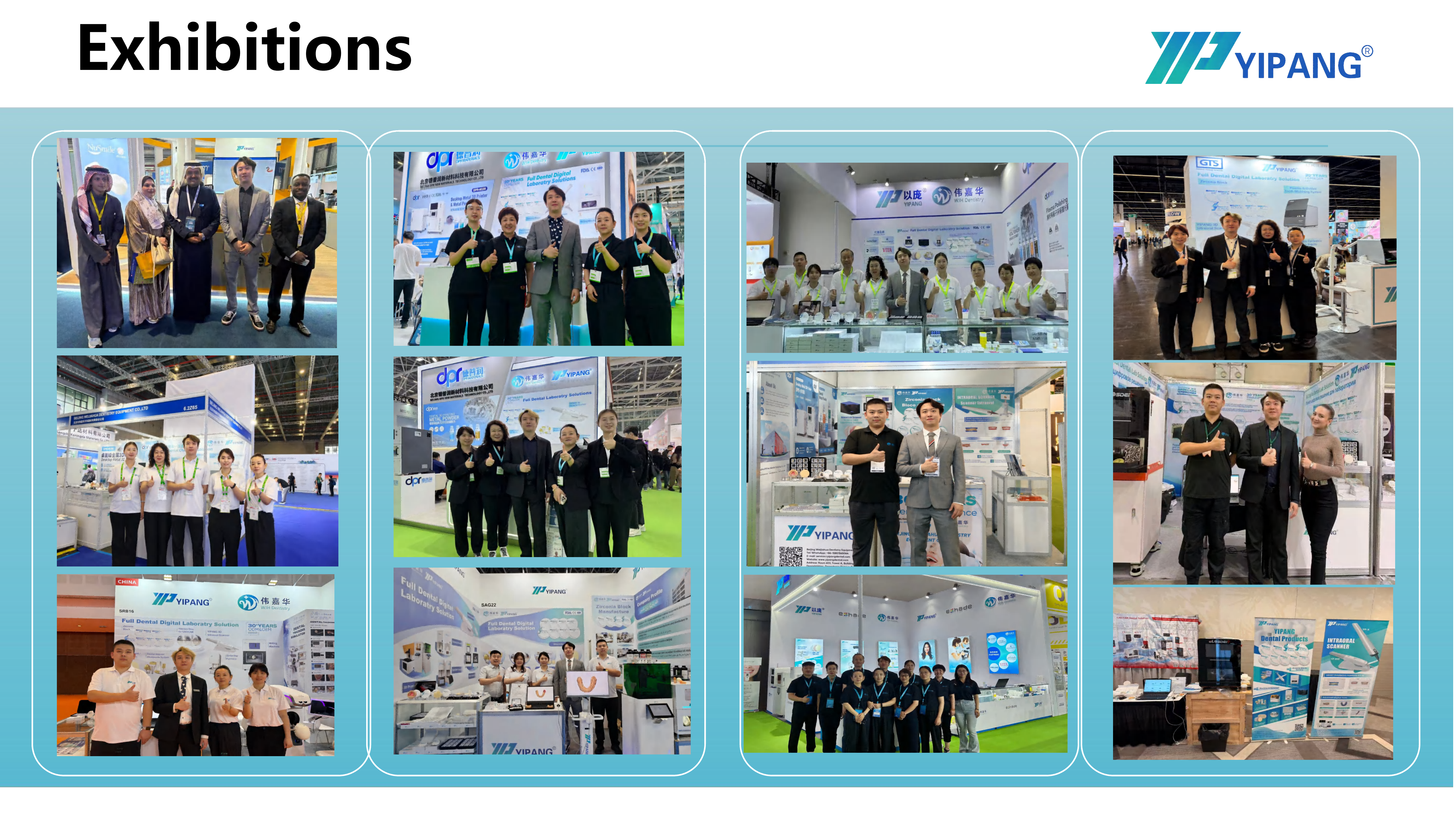
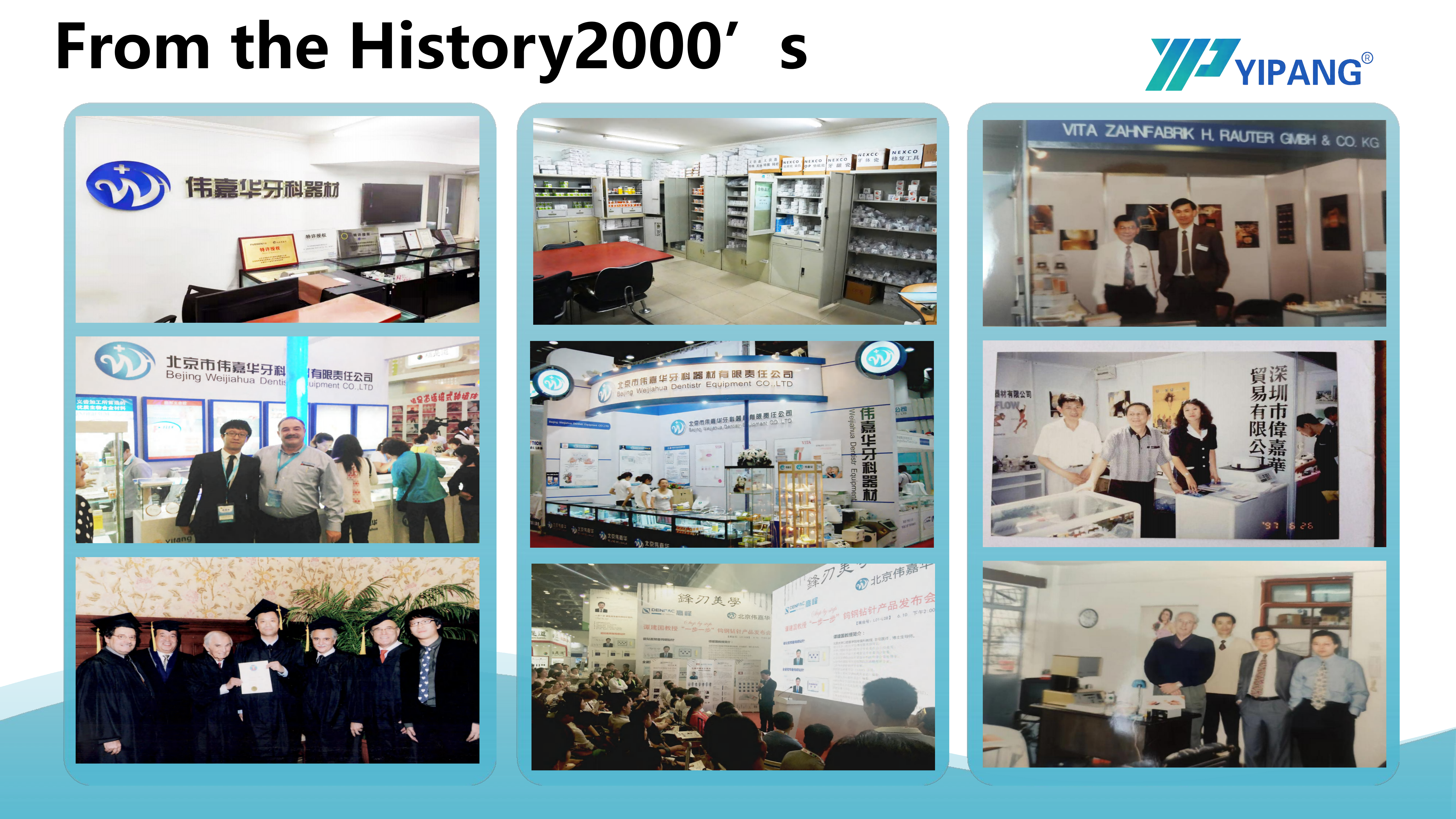
Beijing Weijiahua Dentistry Equipment Co., Ltd. has supplied dental laboratories since 1996 and today employs approximately 80 staff in a 2,000 m² manufacturing facility. Its self-developed brand YIPANG covers zirconia blocks, glass ceramics, press ingots, PMMA, wax, titanium blocks, implant abutments, 3D scanners, intraoral scanners, milling machines, 3D printers and sintering furnaces. The company also represents international brands including VITA, Ivoclar, Dentsply, Amann Girrbach and Noritake, and reports more than 1,000 dental laboratory customers in China. This FAQ answers the purchasing, acceptance and long-term support questions labs raise before moving from a trial box to a repeat-order agreement.
In short: confirm MOQ, delivery mode, Incoterm and payment terms in writing; agree an acceptance window that covers quantity, damage or deformation reported within 48 hours with photos, and sampling; and establish what technical, training and consulting support will look like over the life of the account.
The Three Layers of a Zirconia Block Order
Most purchasing disputes appear late because three different layers get compressed into one conversation about price per box. Separating them makes the order checkable.
- Purchasing terms — minimum order quantity, order type (standard or customized), delivery mode, Incoterm, payment terms and the details printed on the purchase order.
- Acceptance criteria — what is counted and inspected on arrival, the time window for reporting damage or deformation, whether a sampling test is available and what record is kept.
- Long-term support — how sintering parameters, batch consistency, training, consulting and technical questions are handled after the first delivery.
A lab that only negotiates the first layer is buying a box. A lab that settles all three is buying a supply process.
Why Zirconia Block Purchasing Is a Repeat-Order Decision
Zirconia is no longer a specialist material at the edge of laboratory production. Grand View Research reports that zirconia discs held the largest revenue share of the zirconia-based dental materials market in 2025, at 63.1%, and that CAD/CAM milling accounted for 82.4% of process revenue in the same year. The same source puts dental laboratories at 45.3% of end-user share, which places the purchasing decision at the laboratory bench rather than in the clinic.
The practical consequence is that price per box explains less than it appears to. When a material is bought once, unit price dominates. When it is bought every few weeks, the cost of a poor delivery is not the invoice: it is the remilled unit, the resintered crown, the case that misses its date and the technician hours spent finding out why. Purchasing terms, acceptance checks and support are the variables that decide total cost, and unit price is only one input into them.
Purchasing Terms to Confirm Before the First Order
The published purchasing terms for YIPANG zirconia blocks are short enough to review line by line before an order is placed.
Minimum order quantity
Standard models carry an MOQ of 1 box, while customized products carry an MOQ of 5 boxes. The two thresholds serve different purposes. A one-box standard order keeps a first trial small enough to absorb as evaluation cost if the shade or handling does not suit the lab. A five-box customized order is a committed batch, and it should be placed only after the specification — and the sampling result behind it — has been agreed.
Delivery mode and Incoterm
Domestic orders are delivered by express. Export orders ship by sea freight or air freight, with FOB Shanghai and FOB Tianjin available. For an importing lab, the Incoterm carries more weight than the freight mode, because FOB determines who controls the forwarder and where responsibility transfers. The named port, the shipment window and the document set should be confirmed in writing on each order rather than assumed from the first quotation.
Payment terms
Payment terms are full payment before shipment. A lab used to credit terms from domestic distributors will notice the difference, and the sensible response is not a long negotiation but a smaller first order with a documented acceptance check, so that the risk carried by prepayment is matched to a batch the lab has already tested.
What belongs on the purchase order
The purchase order is the document an acceptance check is measured against, so it should carry the brand and product model (YIPANG zirconia block and the specific model ordered), the order type (standard or customized), the quantity, the delivery mode and, for export, the named port, the payment reference, the receiving address and contact, and the acceptance window the lab expects to apply.
Acceptance Checks: From Carton to Sintered Unit
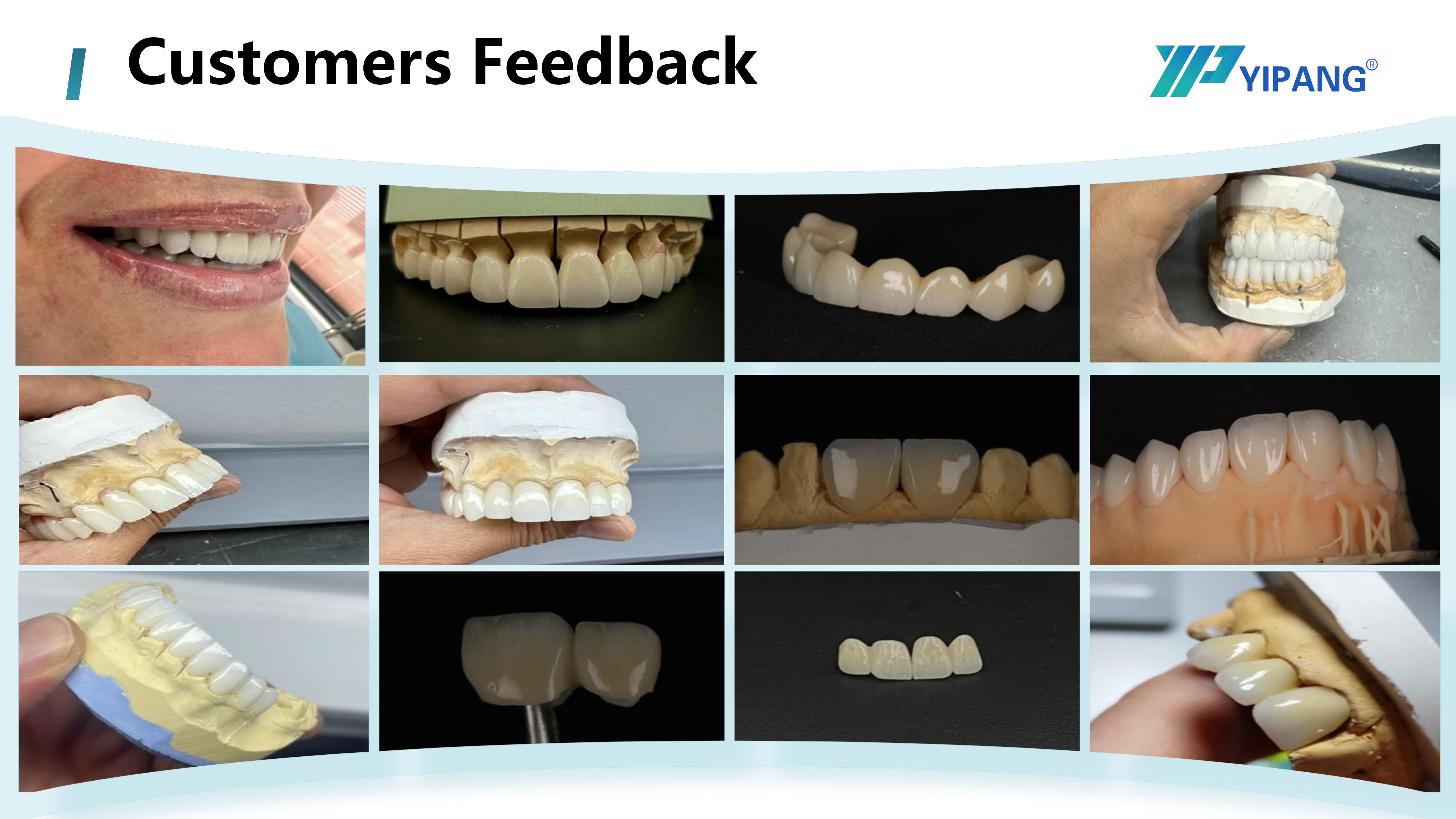
Published acceptance criteria cover two distinct stages: a receiving check and a sampling test. Both should be documented, because they are the only evidence a lab holds if a later batch behaves differently from the one it approved.
- Count before unpacking. Check the number of boxes against the packing list and the purchase order while the cartons are still in the receiving area.
- Inspect for damage or deformation at the same time. Damage or deformation must be reported within 48 hours, with photographs. The photograph is the record: carton condition, affected units, date received.
- Log the order identity — model, order type, delivery date and quantity — so that the next delivery can be compared against a known baseline.
- Run a sampling test before the batch enters production. Sampling is supported, and it is the step that turns “the delivery arrived” into “this batch mills and sinters as expected”.
- Sinter the sample at 1430 °C–1450 °C using a standard heating and holding procedure, record the curve, and compare fit and shade against the last accepted batch.
Steps four and five are process acceptance rather than goods acceptance. A lab that stops after counting boxes has verified the supplier's shipping, not the material. The sintering range belongs in the acceptance record because the same block can pass a visual check and still fail in the furnace if the curve is wrong; the published guidance is to avoid rapid temperature change to prevent cracking and not to exceed the maximum sintering temperature.
Matching Block Selection to Scanner, Milling Machine and Sintering Furnace
A zirconia block is the middle link in a chain that starts with an intraoral or laboratory scan and ends in a sintering furnace. The block has to suit the chain, not the other way round. The company lists dental milling machines, sintering furnaces and dental lab scanners as the equipment on which its zirconia restorations are processed, so the block's documented behaviour is best read against those three stations.
4D-PRO-ML zirconia blocks are made from Sinocera powder, with a stated flexural strength of 800–1200 MPa, and are positioned for posterior crowns and multi-unit bridges where mechanical strength and translucency have to be balanced. The company also states stable shade consistency, a sintering shrinkage error within ±0.3%, and compatibility with most mainstream dental milling machines.
For the milling station, the shrinkage figure is the number that matters. CAM software compensates for sintering shrinkage; a stable figure means the compensation strategy that worked on the last batch can be reused. A tolerance of ±0.3% tells the lab how much variation to expect when it does so. It does not remove the need for the sampling test, and it should be checked against the lab's own sintered measurements rather than accepted on the strength of a datasheet.
For the furnace, the published parameters are a 1430 °C–1450 °C range with a standard heating and holding procedure, avoiding rapid temperature change and staying below the maximum sintering temperature. Furnace calibration remains the lab's responsibility: a curve that is correct on paper will not protect density or fit if the chamber reads several degrees off.
What Long-Term Lab Support Should Cover
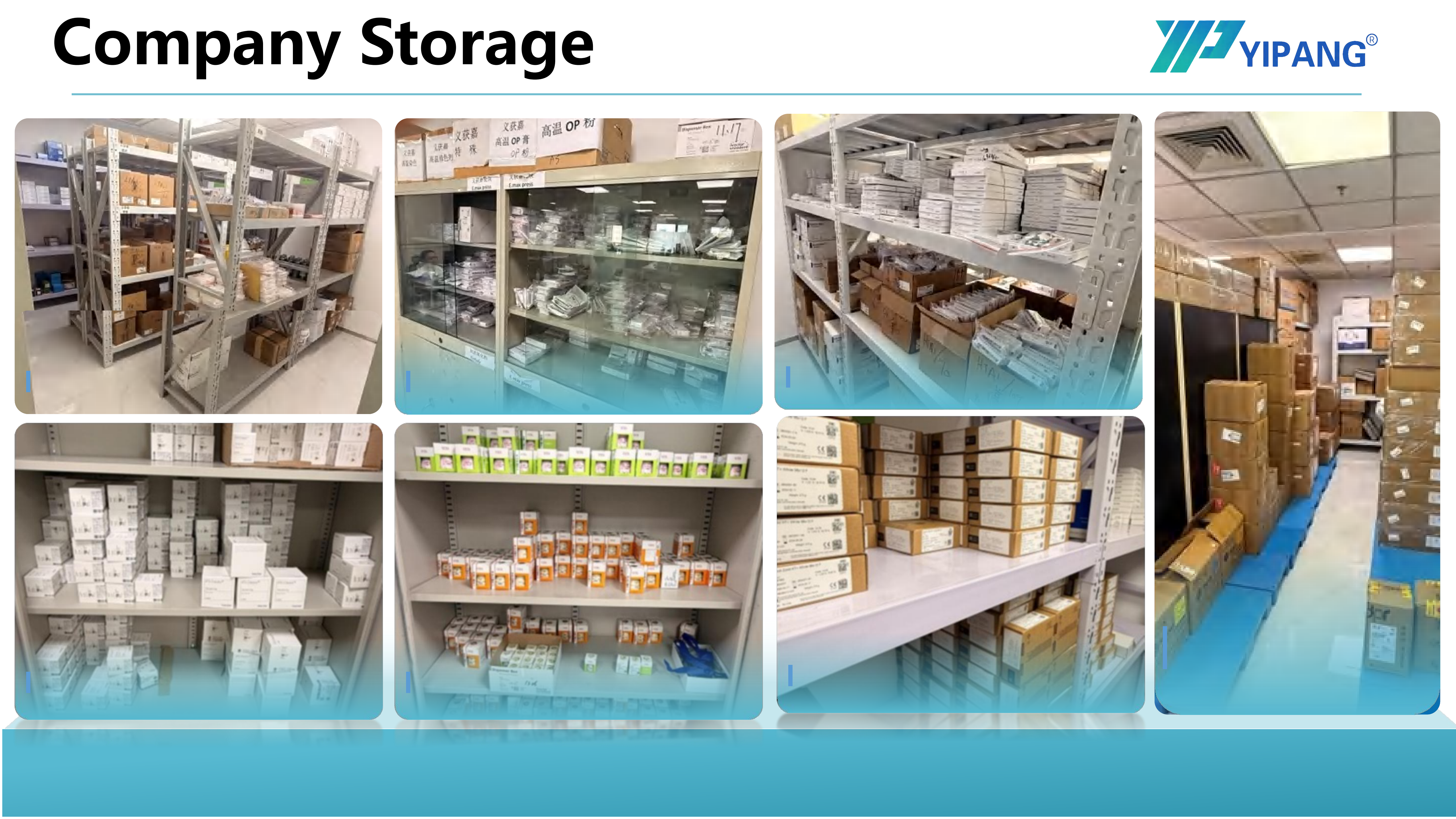
Long-term support is the part of a supplier relationship that is hardest to write into a purchase order and easiest to notice when it is missing. Four areas are worth defining before a lab commits volume.
- A technical route for process questions. The company's R&D team comprises 25 professional engineers working on dental material formula research, process optimization and new product development, which is the internal route a sintering or milling question should be able to reach.
- Training and consulting. The company describes systematic products and services for dental practitioners, including technicians, clinical, 3D printing, medical technology training and consulting services.
- Portfolio continuity. Because the YIPANG range spans zirconia blocks, glass ceramics, press ingots, PMMA, wax, titanium blocks, implant abutments, scanners, milling machines, 3D printers and sintering furnaces, a lab can consolidate consumable and equipment questions with one contact. Portfolio breadth is a convenience, not evidence of performance in any single category.
- A customization path. Customized products start at 5 boxes, which is the practical route when a lab needs a specification the standard range does not cover.
Two things the published terms do not include are warranty length and service response times. Those are contract items, and a lab moving to regular volume should ask for them in writing rather than infer them from a support description.
Repeat-Order Consistency: What to Track Order by Order
The company states stable batch consistency, supported by self-developed zirconia powder and a whole-process quality inspection system. That statement is only useful to a lab that keeps its own record, because consistency is a comparison between two deliveries, not a property of one.
- shade result of the new batch against the last accepted batch, viewed under the same lighting;
- sintered fit on the same CAD strategy and the same furnace curve;
- frequency of chipping or cracks after sintering, recorded next to the curve used;
- delivery date achieved against the date planned at order;
- quantity and pack condition on arrival, with photographs filed against the order;
- any change in block model or specification between orders.
A single line per order is enough. After three or four deliveries the record shows whether the relationship is stable, and it turns a vague complaint into a specific, checkable question — which is also the form a supplier can act on.
Supply and Acceptance Terms at a Glance
| Item | Published term | What the lab should confirm |
|---|---|---|
| Minimum order, standard models | 1 box | model availability and shade |
| Minimum order, customized products | 5 boxes | specification and customization scope |
| Domestic delivery | Express delivery | receiving address and contact |
| Export delivery | Sea freight or air freight | shipment window and consolidation plan |
| Incoterm | FOB Shanghai / FOB Tianjin | named port, forwarder and document set |
| Payment | Full payment before shipment | invoice and payment reference |
| Acceptance window | Damage or deformation reported within 48 hours with photos | who inspects and how it is logged |
| Sampling | Sampling test supported | sample quantity and test record |
| Sintering range | 1430 °C–1450 °C | furnace calibration and curve used |
| Support scope | Training and consulting services; R&D team of 25 engineers | who is contacted, in which language, through which channel |
Terms as published for YIPANG zirconia blocks. Anything not listed here — warranty length, response times, on-site service — should be requested in writing rather than assumed.
From Supplier Claim to Lab Verification
A supplier statement is a starting point for a test, not a substitute for one. The table below separates what the company states from what a lab can check in its own workflow.
| Company statement | What it means for the lab | How to check it |
|---|---|---|
| Stable batch consistency from self-developed powder and whole-process inspection | Successive deliveries should behave like the approved batch | compare shade and fit of a sample from each new delivery with the accepted batch |
| Sintering shrinkage error within ±0.3% | the same CAM compensation can be reused across batches | measure sintered units against the previous batch, not only against the CAD design |
| Flexural strength 800–1200 MPa | a strength range positioned for posterior crowns and multi-unit bridges | match the indication to the range and confirm the figure on current documentation |
| Compatibility with most mainstream milling machines | lower risk of tooling or parameter conflicts | mill one test block in your own machine before ordering volume |
| Sintering range 1430 °C–1450 °C | the curve has to sit inside this window | verify furnace calibration, then keep the accepted curve on file |
| Pricing positioned as more competitive than imported zirconia blocks of equivalent grade | any cost advantage has to be measured per accepted unit | compare cost per accepted restoration, including remakes, not price per box |
Company statements as published; the verification column describes lab checks, not outcomes the supplier has reported.
Where These Terms Fit Different Lab Setups
Labs producing posterior crowns and multi-unit bridges at volume
Volume changes the weighting of the three layers: acceptance sampling and repeat-order records matter more than first-order price, and the reported 800–1200 MPa range is the relevant reference for posterior and bridge indications. A per-delivery sample is cheap against a remade multi-unit bridge.
Labs adding zirconia to an existing CAD/CAM workflow
A lab that already runs a scanner, a milling machine and a sintering furnace is mostly buying compatibility. The one-box standard MOQ keeps the evaluation small, and the first task is to mill and sinter one block on the lab's own equipment before the material is scheduled into production.
Labs with a specification outside the standard range
Customized products start at 5 boxes, so the sequence is: agree the specification, confirm the sampling arrangement, then commit the batch. The 25-engineer R&D team is the internal route for questions that arise at this stage.
Labs consolidating consumables and equipment with one supplier
A portfolio that runs from zirconia blocks and press ingots to scanners, milling machines and sintering furnaces reduces the number of contacts a lab manages, and the company reports export activity across the Middle East, Southeast Asia, South America, North America, Eastern Europe, North Africa and Australia, with 40%–55% of products exported. Consolidation should still be justified category by category, on the terms and acceptance record of each product.
Frequently Asked Questions
What purchasing terms apply to a YIPANG zirconia block order?
MOQ is 1 box for standard models and 5 boxes for customized products. Domestic orders are delivered by express; export orders ship by sea or air freight with FOB Shanghai or FOB Tianjin available. Payment terms are full payment before shipment.
What are the acceptance criteria for a zirconia block delivery?
Check the quantity on receipt, and inspect for damage or deformation at the same time. Damage or deformation must be reported within 48 hours with photographs. A sampling test is supported and should be run before the batch enters production.
What is the minimum order quantity, and can the block be customized?
One box for standard models and five boxes for customized products. Customization is the route for a specification the standard range does not cover, and the company's R&D team of 25 engineers handles formula and process development questions.
Can a lab test a sample before committing to a repeat order?
Yes — sampling tests are supported. The useful test is a full process test: mill a unit on the lab's own machine, sinter it at 1430 °C–1450 °C using a standard heating and holding procedure, then compare fit and shade against the reference the lab already accepts.
What sintering temperature should be used with 4D-PRO-ML zirconia blocks?
The recommended range is 1430 °C–1450 °C, following a standard heating and holding procedure. Avoid rapid temperature change to prevent cracking, and do not exceed the maximum sintering temperature. The curve actually used should be filed with the batch record.
How are export orders shipped, and which delivery terms apply?
Export orders move by sea freight or air freight, with FOB Shanghai and FOB Tianjin available; domestic orders are sent by express. Because the term is FOB, the named port and the forwarder should be confirmed on each order, and the lab should plan its own receipt and inspection time around the shipment window.
What should a laboratory look for in a long-term dental zirconia block supplier?
Four things, in order: written terms covering MOQ, delivery, payment and acceptance; a sampling route that lets the lab test each new batch; a technical route for sintering and milling questions; and a record the lab keeps itself, so that consistency is compared rather than assumed. Longevity helps as a background signal — Beijing Weijiahua Dentistry Equipment Co., Ltd. was established in 1996, has over 30 years of experience in the dental industry and employs approximately 80 staff — but it is the terms, the sampling record and the technical route that decide whether a relationship survives its tenth order. Labs that want to start the evaluation can request a sample and the current quotation from service@yipangdental.com.
Next Step: Turn the Terms Into a Trial Order
The sequence that works is short. Write the terms down — MOQ, delivery mode, Incoterm, payment and the 48-hour acceptance window. Test one batch on your own mill and furnace at 1430 °C–1450 °C. Record the result. Then decide whether the second order should be a repeat of the first.
YIPANG zirconia blocks are supplied by Beijing Weijiahua Dentistry Equipment Co., Ltd. Labs can review the company profile and full product range in the company brochure, or contact the team at service@yipangdental.com, tel +86 158-0156-5064, to arrange a sample and confirm current terms before placing a repeat order.
Have Questions or Need More Details?
Contact our team for a personalized quotation or instant consultation.
Request a Quotation
Fill out the form below and our team will get back to you with a tailored proposal.
WhatsApp Direct Chat
Prefer to chat in real-time? Message us on WhatsApp for instant assistance & quick answers.
- Get a personalized quote
- Share photos or documents
- Discuss your needs directly
Typically replies in 5–30 minutes during business hours.