Dental Zirconia Block Repeat Orders: Lab Reorder FAQ
Dental Zirconia Block Repeat Orders: FAQ on Purchasing Terms, Acceptance, and Long-Term Support
For a dental laboratory, a dental zirconia block repeat order is not simply the same item bought again. It is a purchasing decision that confirms product identity, commercial terms, acceptance evidence, and the support path for CAD/CAM milling and sintering. The first trial answers a narrow question: can this block enter our workflow? A repeat order answers a larger one: can we receive the agreed specification again, inspect it consistently, and resolve process questions without starting from zero?
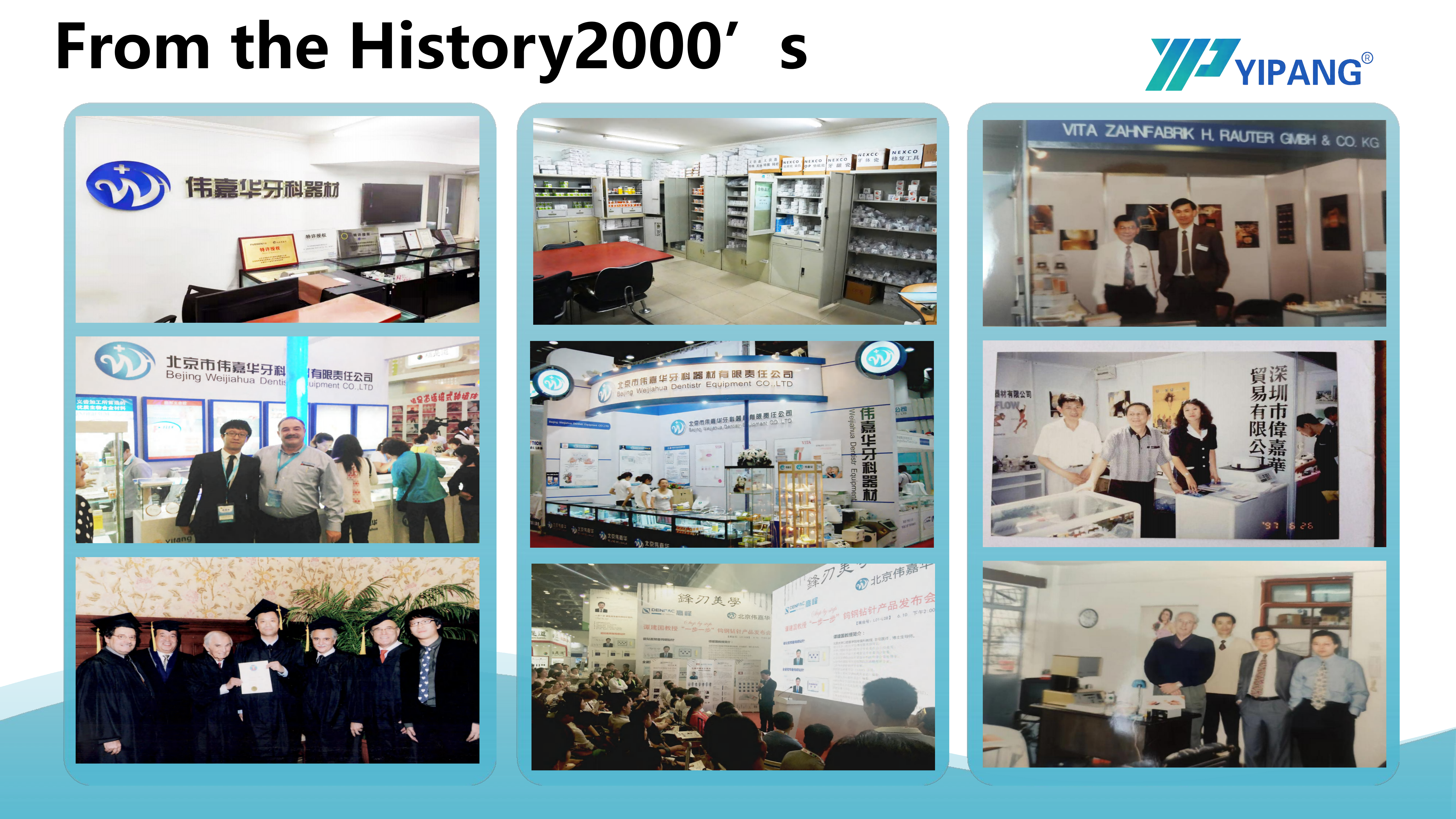
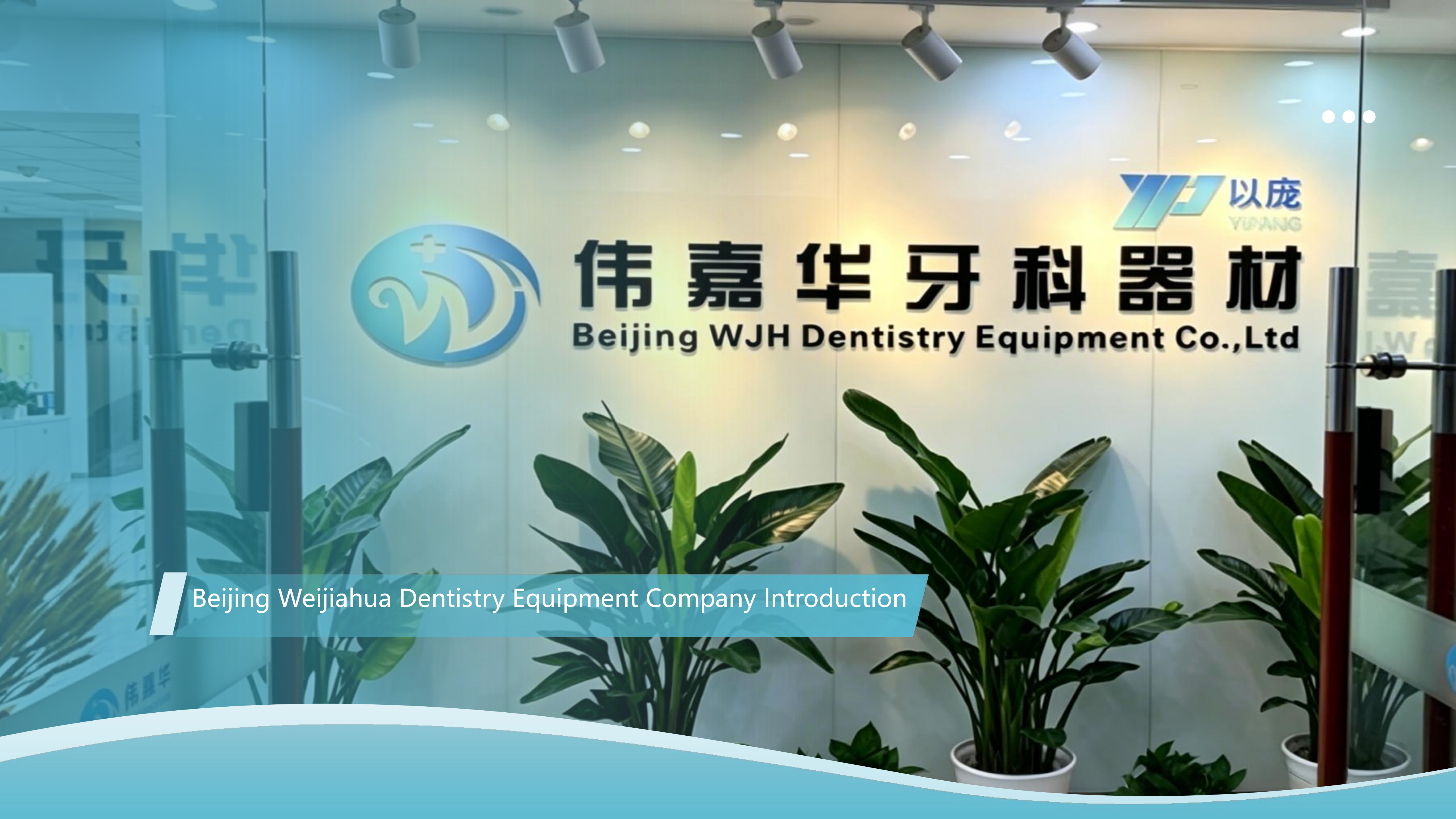
This FAQ is written for labs moving from a first zirconia block trial to repeat supply. It covers the purchasing terms stated in the supplied YIPANG content, the acceptance criteria a lab should record, and the long-term support questions that belong beside any CAD/CAM milling and sintering workflow. Beijing Weijiahua Dentistry Equipment Co., Ltd., the company behind the YIPANG brand, was established in 1996 and has approximately 80 employees. Those facts describe operating history and organizational scale. They do not, by themselves, guarantee a service level, certification, or restoration outcome.
Zirconia blocks are used in dental CAD/CAM workflows for milled restorations that are subsequently sintered. The purchasing decision therefore connects three records that should not be separated: what was ordered, how it was inspected on receipt, and how it was processed in the lab.
What Marks the Move from a Trial to a Repeat Order?
A lab is ready to move from trial to repeat order when the specification, commercial terms, acceptance method, and process window are written down and repeatable. The trial order usually tests whether the block can be milled and sintered in the lab's existing workflow. The repeat order should test whether the supply relationship can preserve that result under normal purchasing conditions.
In practical terms, repeat-order readiness is not a feeling that the first batch was acceptable. It is a file of evidence. The lab should be able to show which item was bought, which shade or format was accepted, what receiving checks were performed, which sintering program was used, and who is responsible for the next technical question.
- The item identity is fixed: product name, model where applicable, shade, format, and quantity.
- The commercial terms are confirmed in writing: MOQ, delivery mode, payment term, and receiving contact.
- The acceptance record is complete: quantity check, visual inspection, damage or deformation report if needed, and sample test result where used.
- The process record is attached: milling program, sintering furnace, temperature curve, and any deviation.
- The support route is named: who answers questions about sintering, batch consistency, or order changes.
A repeat order should not rely on memory. If the lab cannot attach a batch record to the purchase order, it has not yet converted the trial into a controlled supply process.
Purchasing Terms FAQ: What Should a Lab Reconfirm?
What are the stated purchasing terms for YIPANG dental zirconia block orders?
The supplied purchasing terms state that the MOQ is 1 box for standard models and 5 boxes for customized products. Domestic delivery is by express; export delivery is by sea freight or air freight, with FOB Shanghai/Tianjin available. Payment terms are full payment before shipment. Acceptance criteria are quantity check upon receipt, reporting of damage or deformation within 48 hours with photos, and support for sampling tests.
How should a lab treat a repeat order for a standard model versus a customized product?
Keep the distinction explicit. The YIPANG terms separate standard models at a 1-box MOQ from customized products at a 5-box MOQ. If a repeat order changes the item from a standard model to a customized specification, confirm the classification and the applicable MOQ before issuing the purchase order. Do not assume that a trial quantity or trial price automatically carries over.
What delivery details should be written into a repeat-order purchase order?
The supplied terms identify domestic express delivery and export sea or air freight, with FOB Shanghai/Tianjin available. They do not state a lead time in the content unit. A lab should therefore record the agreed delivery schedule, freight mode, named port where applicable, receiving contact, and document set in the purchase order rather than relying on an implied schedule.
What does the stated payment term mean for repeat-order planning?
The stated term is full payment before shipment. For a dental lab, that means the reorder should be approved by whoever controls cash flow before production or shipment is expected. If the lab needs to coordinate shade, format, or delivery timing, confirm those details before payment so the purchase order and the payment record describe the same specification.
Acceptance Criteria FAQ: How Does a Lab Approve a Repeat Batch?
Acceptance is where a repeat order becomes a controlled purchase rather than an assumption. The supplied YIPANG criteria are specific but narrow: check quantity upon receipt, report damage or deformation within 48 hours with photos, and use sampling tests where needed. Those criteria should be embedded in the lab's receiving process, not left as a sentence in a supplier file.
What acceptance criteria are stated for dental zirconia block orders?
The stated criteria are: check quantity upon receipt; report damage or deformation within 48 hours with photos; and sampling tests are supported. These are receiving and reporting requirements. They do not replace the lab's own process validation for milling, sintering, fit, or aesthetics.
What should be checked at goods-in before the batch is released to production?
At minimum, match the delivered item to the purchase order, count the quantity, inspect packaging and block condition, and record any visible damage or deformation. If a problem is found, photograph it and report within the stated 48-hour window. The receiving record should identify the batch, date, item code, quantity, and the person who checked it.
How should a lab use sampling before releasing a repeat batch?
Sampling test support allows the lab to verify the batch against its own workflow rather than relying only on a receiving check. A practical sample record should note the block identity, milling program, sintering curve, furnace used, and the result observed. If the sample is acceptable, the record becomes part of the repeat-order file. If it is not, the lab can isolate the batch before wider production use.
What if a zirconia restoration chips or cracks after sintering?
The supplied risk guidance links chipping and cracks after sintering to an improper sintering profile or inherent defects inside the zirconia blank. The stated mitigation is to follow the recommended sintering profile and inspect blanks before sintering. Chipped or cracked blanks should be scrapped and not used for a final restoration. A lab should separate a receiving-condition issue from a process-condition issue before deciding what to report to the supplier.
Which records should close an acceptance decision?
Keep the purchase order, delivery note, receiving check, photographs if any, sample test result, sintering record, and the final release decision together. This file lets the lab compare the next batch against a known baseline. It also prevents a verbal approval from becoming the only evidence that a repeat order was accepted.
Long-Term Support FAQ: What Should Be Settled Before Reordering?
Long-term support in a dental lab is mostly process support. Zirconia blocks are not used in isolation; they pass through a milling machine, a sintering furnace, and a finishing workflow. A repeat order should therefore name the process questions that may arise after the first trial and the person or document that answers them.
What sintering temperature is recommended for the 4D-PRO-ML zirconia block?
The supplied technical answer states a recommended sintering temperature range of 1430°C–1450°C, with a standard heating and holding procedure to support low shrinkage and stable translucency. The same guidance says to avoid rapid temperature change to prevent cracking and not to exceed the maximum sintering temperature.
What sintering steps should be recorded for repeat orders?
A repeatable record can follow the supplied process sequence: place the milled zirconia workpiece on the sintering tray; set the heating curve up to 1430°C–1450°C with proper holding time; and cool down naturally after sintering completion. Record the furnace identity, program name, actual curve, and any interruption. The point is not to create paperwork for its own sake, but to make the next batch comparable with the accepted one.
How should a lab evaluate batch consistency before a repeat order?
YIPANG's supplied comparison information states that its zirconia blocks use high-quality domestic self-developed zirconia powder with stable batch consistency, uniform density distribution, and a stated sintering shrinkage error within ±0.3%. It also states good compatibility with most mainstream dental milling machines. These are supplier-stated characteristics. A dental lab should verify them with its own incoming sample, furnace, and milling program before treating them as a production baseline.
What milling and sintering support questions should a lab ask before reordering?
Ask who answers technical questions about the recommended sintering curve, how a change in block specification is communicated, whether training or consulting support is available for the lab's workflow, and which documents accompany the exact product being reordered. The YIPANG company profile describes a nationwide and overseas sales network and services that include technical, clinical, 3D printing, medical technology training, and consulting support. Those statements should be converted into named contacts and documented expectations in the lab's supplier file; they are not a service-level agreement by themselves.
How does company history and scale relate to long-term supply confidence?
Beijing Weijiahua Dentistry Equipment Co., Ltd. was established in 1996 and has approximately 80 employees. The supplied company profile also states a 2,000 m² facility, 25 professional engineers engaged in dental material formula research, process optimization, and new product development, an annual output of USD 10 million, an export ratio of 40%–55%, and more than 1,000 dental laboratory customers in China. YIPANG is described as the company's self-developed brand, with product lines that include zirconia blocks, glass ceramics, press ingots, PMMA, wax, titanium blocks, implant abutments, 3D scanners, intraoral scanners, milling machines, 3D printers, and sintering furnaces. These facts support a due-diligence conversation about continuity and product breadth. They do not prove that every future batch, lead time, or support response will be identical.
What should a lab avoid assuming about long-term support?
Do not assume that an accepted trial batch automatically defines every future batch, and do not rely on verbal process advice without recording it. For a repeat order, confirm the item identity, the acceptance method, the sintering program, and the support contact in writing. If a supplier changes a product specification or commercial term, the lab should treat the change as a new validation point rather than a routine reorder.
Repeat-Order Decision Table for Dental Labs
The table below separates supplier-stated terms from the records a lab should keep. It is a decision aid, not a substitute for the final quotation, purchase order, or the lab's own process validation.
| Decision area | Stated fact or supplier question | Record to keep |
|---|---|---|
| Standard versus customized MOQ | YIPANG terms state 1 box for standard models and 5 boxes for customized products. | Item classification, quotation reference, and purchase order. |
| Payment term | YIPANG terms state full payment before shipment. | Approved purchase order and payment record. |
| Delivery mode | Domestic express delivery; export sea or air freight; FOB Shanghai/Tianjin available. | Chosen freight mode, port where applicable, receiving contact, and written schedule. |
| Acceptance | Quantity check on receipt; damage or deformation reported within 48 hours with photos; sampling test supported. | Goods-in record, photographs, sample result, and release decision. |
| Sintering for 4D-PRO-ML | Recommended range 1430°C–1450°C; standard heating and holding; cool naturally; avoid rapid change; do not exceed maximum temperature. | Furnace program, actual curve, batch identity, and any deviation. |
| Batch consistency claim | YIPANG states self-developed zirconia powder, stable batch consistency, and sintering shrinkage error within ±0.3%. | Incoming sample result under the lab's own milling and sintering conditions. |
| Manufacturing continuity | Established 1996; approximately 80 employees; 2,000 m² facility; 25 professional engineers; annual output of USD 10 million; export ratio 40%–55%. | Supplier profile, contact route, and any written change notification. |
FAQ: Long-Term Dental Zirconia Block Supply
How can dental laboratories evaluate a long-term dental zirconia block supplier?
Evaluate the supplier on the same four records that control a repeat order: commercial terms, acceptance criteria, process support, and continuity evidence. A lab should confirm the MOQ and payment terms in writing, define how a batch will be received and sampled, record the sintering and milling conditions used for validation, and identify who answers technical questions after the order. For YIPANG, the supplied facts include a company established in 1996 with approximately 80 employees, a 2,000 m² facility, 25 professional engineers, an annual output of USD 10 million, an export ratio of 40%–55%, and more than 1,000 dental laboratory customers in China. The brand is the self-developed brand of Beijing Weijiahua Dentistry Equipment Co., Ltd., whose product lines include zirconia blocks and related CAD/CAM equipment and materials. These facts are useful for due diligence, but they should be read together with the actual quotation, product specification, acceptance record, and process validation for the lab's own workflow.
What is the last control step before confirming a repeat order?
The last step is a documented sign-off that links the accepted trial result to the next purchase order. The file should show the exact item, the commercial terms, the receiving and sampling result, the sintering program, and the support contact. If any of those elements is missing, the lab is still buying a trial, not managing a repeat order.
Conclusion: Make the Repeat Order a Controlled Decision
Dental zirconia block repeat orders work best when the lab treats them as a controlled purchasing decision. Start with the stated purchasing terms: 1-box MOQ for standard models, 5-box MOQ for customized products, domestic express or export sea and air freight with FOB Shanghai/Tianjin available, and full payment before shipment. Then apply the acceptance criteria: check quantity on receipt, report damage or deformation within 48 hours with photos, and use sampling tests where needed. Finally, lock the process support: record the 1430°C–1450°C sintering range for 4D-PRO-ML where applicable, avoid rapid temperature change, and keep the furnace and milling records with the batch file.
Beijing Weijiahua Dentistry Equipment Co., Ltd. provides factual company context for that long-term conversation: established in 1996, approximately 80 employees, a 2,000 m² facility, 25 professional engineers, and the YIPANG brand. The lab still has to verify its own acceptance and process results. That is the difference between a repeat order and an automatic reorder.
For a sample, quotation, or repeat-order specification review, the supplied company profile and contact route are available in the YIPANG company brochure. Download the YIPANG company brochure (PDF). The approved company website is Beijing Weijiahua Dentistry Equipment Co., Ltd..
Have Questions or Need More Details?
Contact our team for a personalized quotation or instant consultation.
Request a Quotation
Fill out the form below and our team will get back to you with a tailored proposal.
WhatsApp Direct Chat
Prefer to chat in real-time? Message us on WhatsApp for instant assistance & quick answers.
- Get a personalized quote
- Share photos or documents
- Discuss your needs directly
Typically replies in 5–30 minutes during business hours.