
What Makes a Dental Zirconia Block Supplier a True Long-Term Partner? Your FAQ Answered
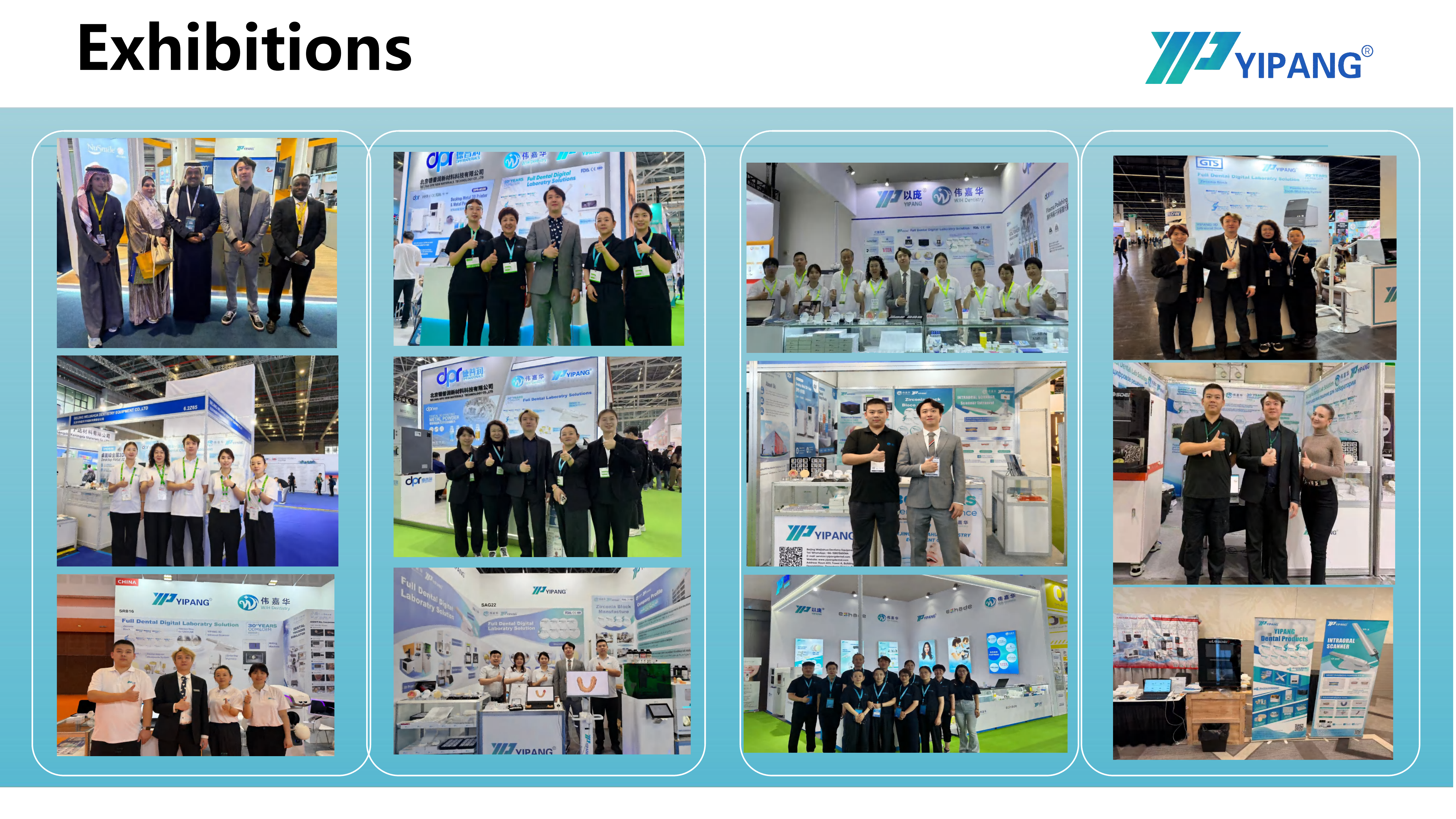
A long-term zirconia block partnership is judged on batch-to-batch behaviour, not on a single sample disc. Image: Beijing Weijiahua Dentistry Equipment Co., Ltd.
A dental zirconia block supplier becomes a true long-term partner when bulk deliveries behave the same way as the first approved sample: identical sintered density after firing, identical shrinkage compensation in the CAM file, and identical milling behaviour on the machines the laboratory already owns. Price per disc is the easiest variable to compare and one of the weakest predictors of total cost, because in a milling center the money is lost or saved in remakes and downtime, not on the quotation sheet.
This FAQ answers the questions dental labs, milling centers, importers and training-linked laboratories raise before committing to a multi-year zirconia block agreement. The scope is deliberately narrow: how to assess a supplier's scalability in real dental milling center cases, and how to test whether consistent product performance survives bulk deliveries.
YIPANG is the self-developed dental brand of Beijing Weijiahua Dentistry Equipment Co., Ltd., a dental equipment company founded in 1996 in Beijing, China, operating a 2,000 ㎡ facility with 80 employees, a 25-engineer research and development team covering dental material formulation, process optimization and new product development, and an annual output of 10 million US dollars. Its product lines include zirconia blocks, glass ceramics, press ingots, PMMA, wax, titanium blocks, implant abutments, scanners, milling machines, 3D printers and sintering furnaces. The YIPANG 4D-PRO-ML dental zirconia block is the reference product throughout this article.
The Real Problem: Volume Exposes What One Sample Disc Hides
A single zirconia disc proves that a product can work. It does not prove that the same block, in the same shade and thickness, will behave identically twelve months later. When a laboratory moves from craft production to milling-center volume, three variables accumulate across every order: sintering shrinkage, sintered density and milling response. If any of them drifts, the correction lands in the lab's remakes budget instead of in the supplier's process control.
The mismatch is structural. Labs buy by performance — does the crown fit, seat and look right — while suppliers compete on catalogue price and single-unit samples. A long-term partnership requires both sides to shift to a batch-level conversation: which production lots were used, what shrinkage range they produced, and what happens when a popular shade or thickness runs short.
For a decision-stage buyer, the question is therefore narrower than "who sells good zirconia". It is: can this supplier hold specification across bulk deliveries, and can it demonstrate that with data from more than one production run?
Industry Background: Zirconia Supply Is Now a Scalability Question
Grand View Research values the global zirconia-based dental materials market at USD 1.2 billion in 2025, projected to reach USD 2.3 billion by 2033. Within that market, zirconia discs held the largest revenue share at 63.1% in 2025, which confirms that the disc or block is the dominant delivery format for zirconia restorations. CAD/CAM milling accounted for 82.4% of zirconia dental manufacturing process revenue in 2025, meaning the overwhelming majority of zirconia work passes through a milling machine before it reaches a patient.
Dental labs remain the dominant end-user of zirconia materials, accounting for 45.3% of market share in 2025, and the United States alone generated 40% of global zirconia-based dental materials revenue in 2025 (Grand View Research). Equipment demand follows the same direction: Fortune Business Insights reports the dental milling machine market at USD 2.45 billion in 2025, growing to an expected USD 3.9 billion by 2030, which indicates a larger installed base of machines that a zirconia block must be compatible with.
Regulation reinforces the point. Under the EU Medical Device Regulation (MDR 2017/745), most dental implants and restorative materials are classified as high-risk devices requiring intensive clinical data, so material documentation is a continuing obligation rather than a purchase formality. Taken together, these trends explain why the marginal difference between zirconia suppliers is no longer whether the material works, but whether it works identically, order after order.
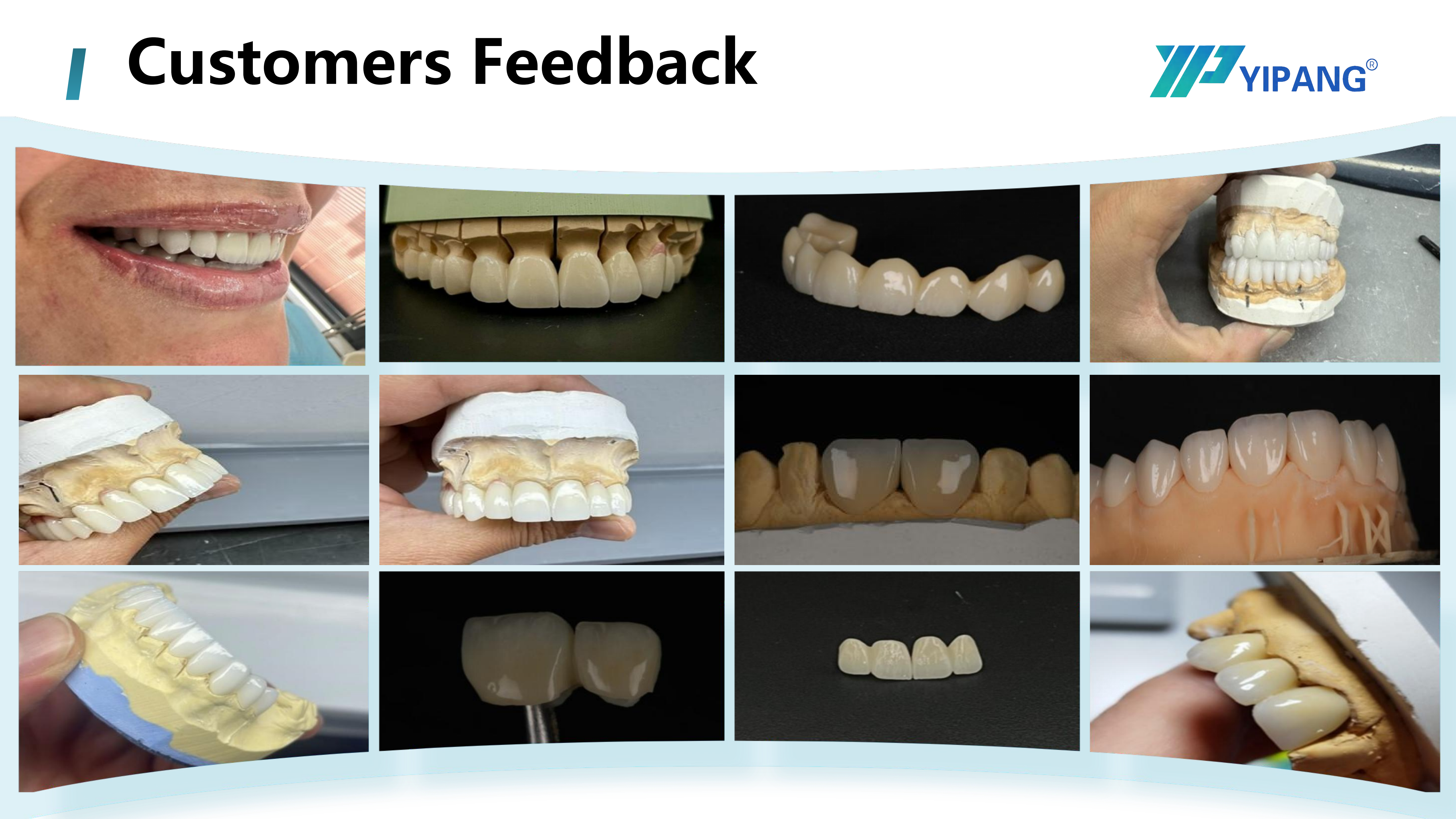
Bulk-delivery consistency is a production-process outcome, not a marketing claim. Image: Beijing Weijiahua Dentistry Equipment Co., Ltd.
What "Long-Term Partner" Actually Means: Five Decision Criteria
Partnership in dental zirconia supply is not a tone of voice; it is a set of verifiable behaviours. Five criteria separate a partner from a vendor.
1. Batch consistency rather than sample performance
The YIPANG dental zirconia block uses high-quality domestic self-developed zirconia powder with stable batch consistency. That statement only has value if it holds across consecutive production lots, so the assessment question is not "is the powder good" but "does lot N behave like lot N+1".
2. A documented dimensional and mechanical specification
The YIPANG 4D-PRO-ML is a 98 mm diameter CAD/CAM blank in ML Multilayer shade, available in 10 mm, 12 mm, 14 mm, 16 mm, 18 mm and 20 mm thickness, with a sintering temperature of 1450 °C, bending strength of ≥1200 MPa, medium translucency, and yttria-stabilized zirconium dioxide (ZrO₂) as the base material. A stated sintering shrinkage error within ±0.3% is the figure a CAM technician can actually calibrate against.
3. Milling compatibility with the installed machine fleet
The block is characterized by good compatibility with most mainstream dental milling machines and a low processing failure rate. For a milling center, that translates into fewer interrupted jobs, less tooling stress and a shorter learning curve when a new technician joins the production line.
4. Commercial durability, not the lowest quotation
Compared with other domestic and imported dental zirconia blank suppliers, the YIPANG block has distinct advantages in quality consistency and cost performance: it offers a more competitive price than imported zirconia blocks of equivalent quality, and it supports flexible customization with shorter delivery time.
5. Technical support and knowledge transfer over years
A partner absorbs technical questions long after the invoice is paid. The supplier behind YIPANG provides systematic products and services for dental practitioners, including technicians, clinical, 3D printing and medical technology training and consulting services, and has organized targeted seminars for dental professionals.
How Labs Assess Supplier Scalability in Dental Milling Center Cases
Scalability is not a capacity number on a website; it is a behaviour a lab can test in roughly one production cycle. The sequence below is designed so that each step produces evidence you can compare between two or three candidate suppliers.
Step 1 — Quantify your volume by shade and thickness
List your monthly unit volume per product family and map it against the SKUs you intend to buy. With 4D-PRO-ML, that means ML Multilayer shade in 10 mm to 20 mm thickness at 98 mm diameter. This step defines which SKUs must never run short, and it becomes the basis of any continuity clause later.
Step 2 — Order a multi-batch validation set, not a single disc
Ask for blocks drawn from several separate production lots in the thicknesses you actually run. A supplier that can only present one "golden sample" is answering a question about the sample, not about scalability.
Step 3 — Sinter every batch in the same furnace cycle
The recommended sintering temperature range for the 4D-PRO-ML zirconia block is 1430 °C–1450 °C, following a standard heating and holding procedure to support low shrinkage and stable translucency. Place milled workpieces from each batch on the same tray, run one curve, and cool naturally. Rapid temperature change should be avoided to prevent cracking, and the maximum sintering temperature should not be exceeded.
Step 4 — Measure sintered density and shrinkage per batch
Weigh and measure the sintered units, compare them with the CAM-compensated dimensions, and record the spread across batches. The YIPANG specification states a stable sintering shrinkage error within ±0.3% and a uniform density distribution; your own furnace will show whether your environment reproduces that range.
Step 5 — Check machine-side behaviour across the fleet
Mill the same design on each machine in the lab, note tool wear, chipping, edge quality and processing failures. Because the block is compatible with most mainstream dental milling machines and has a low processing failure rate, a scalable supplier should show a comparable result on more than one machine in your fleet, not only on the newest one.
Step 6 — Stress-test the commercial terms
Request a customization quotation, a replenishment lead time for your top SKUs, and a description of the supplier's inspection routine. YIPANG operates a strict whole-process quality inspection system and offers flexible customization with shorter delivery time, which are the two commercial levers a milling center feels first when volume rises.
Step 7 — Write the continuity rules into the agreement
Fix in writing: the SKUs reserved for you, the notification rule when a production run changes, the substitute thickness or shade logic, and the named technical contact. Continuity is a clause, not an intention.
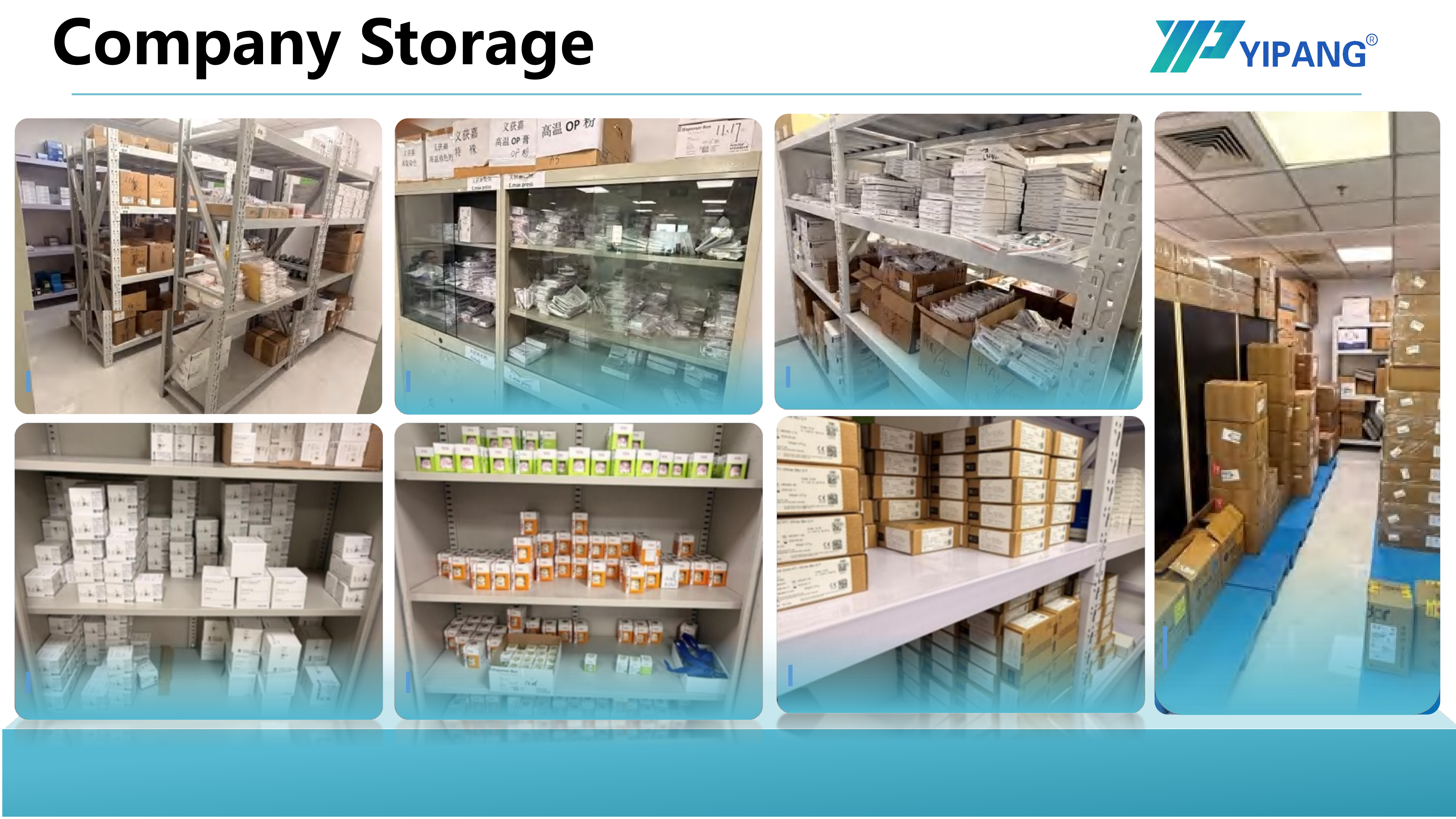
Scalability assessment happens in the lab, using the lab's own furnace, machines and acceptance criteria. Image: Beijing Weijiahua Dentistry Equipment Co., Ltd.
Consistent Performance Across Bulk Deliveries: What Sintered Density and ±0.3% Shrinkage Deliver
A stated sintering shrinkage error within ±0.3% is what keeps a single CAM compensation value valid across many orders. When shrinkage drifts beyond that band, the technician either rescans every batch or accepts marginal seating — both of which consume exactly the labour a milling center is trying to protect.
Uniform density distribution works in the same direction. Dense, even structure supports predictable translucency and bending strength across the thickness range, so a 20 mm block for a bridge does not behave like a different material from a 10 mm block for a single crown. The dental zirconia block also offers excellent bending strength, measured at ≥1200 MPa for 4D-PRO-ML, together with medium translucency for aesthetic zones.
The boundaries matter as much as the benefits. Zirconia blocks require a disciplined sintering curve, cannot tolerate rapid temperature change, and depend on the lab's furnace calibration; the ±0.3% figure is a supplier specification that a lab should reproduce in its own environment before signing a multi-year agreement. This is also where cost performance is decided: a block with a more competitive price than imported zirconia blocks of equivalent quality only becomes cheaper in practice when its shrinkage and density behaviour reduce remakes.
Why Educational Reliance Is an Underrated Scalability Signal
Training-linked laboratories and continuing-education programs treat the zirconia block as teaching material. If batch behaviour varies, trainees learn the wrong lesson: they blame their handling, their CAM parameters or their furnace, when the variable was actually the material. Stable shrinkage and density make the block a reliable reference for skill development as well as for production.
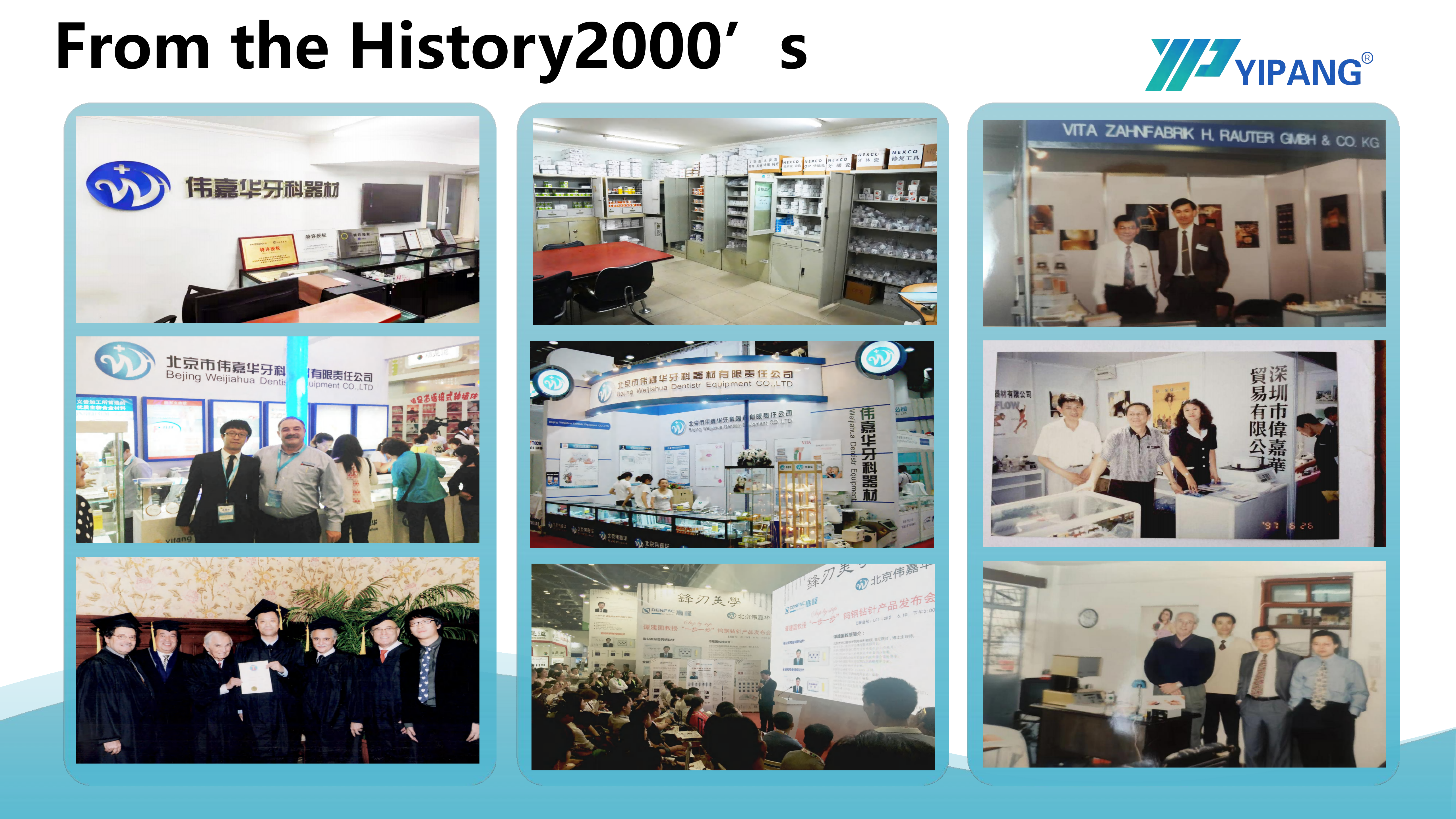
This is a documented part of the YIPANG operating model. Beijing Weijiahua provides systematic products and services for domestic and international dental practitioners, including technicians, clinical, 3D printing and medical technology training and consulting services, and has organized targeted seminars that trained dental practitioners in concept transformation and operational skills. The company also maintains more than 1,000 dental laboratory customers in China and has represented internationally recognized dental brands, giving it direct exposure to how different labs specify and validate materials.
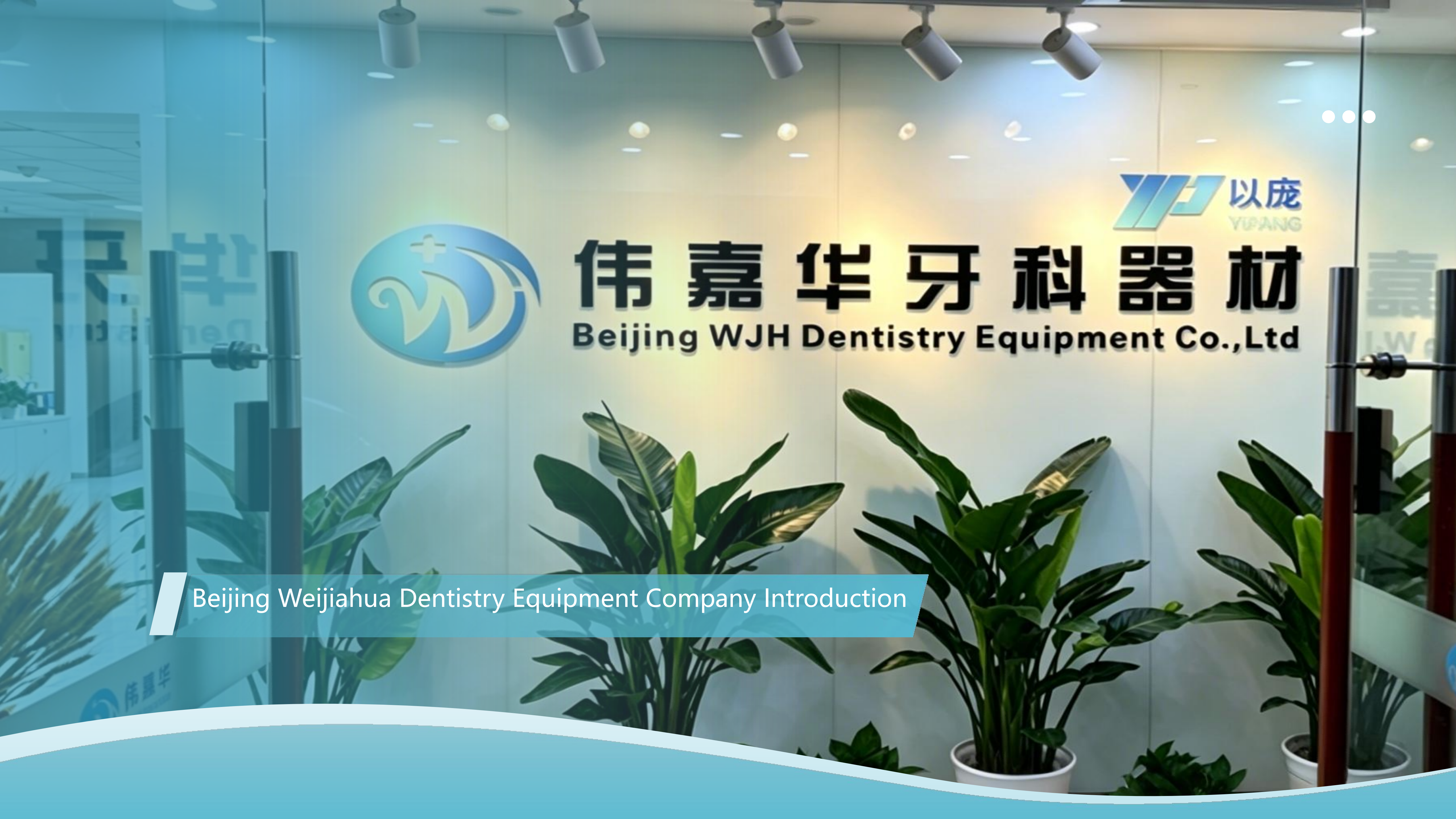
Where training depends on repeatable results, batch consistency stops being a preference and becomes a requirement. Image: Beijing Weijiahua Dentistry Equipment Co., Ltd.
Use Cases: Four Lab Profiles and What Long-Term Means to Each
High-volume milling center
The priority is uninterrupted throughput. A 98 mm blank format, good compatibility with most mainstream dental milling machines, a low processing failure rate and a repeatable ±0.3% shrinkage range keep CAM compensation fixed and machine schedules predictable.
Aesthetic-focused laboratory
Anterior and high-visibility restorations depend on translucency behaviour. The YIPANG block is suitable for dental laboratories focusing on aesthetic restoration, with ML Multilayer shading, medium translucency and uniform density distribution that supports consistent shade depth across batches.
Importer or distributor
The block is also positioned for importers looking for cost-effective dental materials. Beijing Weijiahua exports 40%–55% of its output to markets including the Middle East, Southeast Asia, South America, North America, Eastern Europe, North Africa and Australia, which means the SKUs a distributor commits to are already part of an established export mix.
Training-linked laboratory or education partner
Where blocks are used repeatedly in courses and technician development, a supplier that also delivers training and consulting becomes part of the curriculum rather than a line item. Consistent performance across bulk deliveries is what allows a course to teach technique instead of troubleshooting material variation.
Comparison Table: YIPANG 4D-PRO-ML Against Alternative Zirconia Block Sources
The table below uses only verified or first-party facts. Cells marked "Not disclosed in reviewed data" mean no verifiable public figure was available for that supplier category at the time of writing; a lab should request the value directly from each candidate supplier.
| Assessment criterion | YIPANG 4D-PRO-ML dental zirconia block | Imported-brand zirconia blanks | Other domestic zirconia blanks |
|---|---|---|---|
| Zirconia powder source | High-quality domestic self-developed zirconia powder | Not disclosed in reviewed data | Not disclosed in reviewed data |
| Batch consistency | Stable batch consistency | Buyer to verify per production lot | Buyer to verify per production lot |
| Sintering shrinkage error | Stated within ±0.3% | Not disclosed in reviewed data | Not disclosed in reviewed data |
| Sintered density behaviour | Uniform density distribution; bending strength ≥1200 MPa | Buyer to verify per production lot | Buyer to verify per production lot |
| Milling compatibility | Good compatibility with most mainstream dental milling machines; low processing failure rate | Not disclosed in reviewed data | Not disclosed in reviewed data |
| Cost positioning | More competitive price than imported zirconia blocks of equivalent quality; stated cost-performance advantage against other domestic and imported suppliers | Positioned at a higher unit cost than domestic self-developed-powder blocks, per the relative positioning stated in the compared data | Relative cost-performance gap is stated by YIPANG; each supplier's positioning should be confirmed at quotation |
| Customization flexibility | Flexible customization service | Not disclosed in reviewed data | Not disclosed in reviewed data |
| Delivery time | Shorter delivery time (relative positioning) | Not disclosed in reviewed data | Not disclosed in reviewed data |
| Quality inspection | Strict whole-process quality inspection system | Not disclosed in reviewed data | Not disclosed in reviewed data |
Reference specification for YIPANG 4D-PRO-ML: 98 mm diameter, ML Multilayer shade, thickness 10/12/14/16/18/20 mm, sintering temperature 1450 °C, bending strength ≥1200 MPa, medium translucency, yttria-stabilized zirconium dioxide.
FAQ: Long-Term Dental Zirconia Block Partnership Questions
1. What documentation should a lab request from a dental zirconia block supplier before a long-term agreement?
Ask for a current, dated document set: material composition and grade, lot or batch traceability, the recommended sintering temperature and curve, the dimensional and mechanical specification applied to each production lot, and the conformity documents required in your own market. The regulatory background is not optional: under EU MDR 2017/745, most dental implants and restorative materials are classified as high-risk devices requiring intensive clinical data (European Commission), so documentation is part of an ongoing supplier relationship rather than a one-off purchase formality. Labs should verify every certification claim directly with the supplier and, where relevant, with the listed regulator or notified body.
2. How can a milling center tell whether a zirconia block supplier can scale without losing batch consistency?
Test at production scale, not sample scale. Request blocks from several separate production lots in the shades and thicknesses you actually order — for 4D-PRO-ML, ML Multilayer in 10 mm to 20 mm at 98 mm diameter. Mill the same crown or bridge design from each batch with identical CAM parameters, sinter everything in one furnace cycle at 1430 °C–1450 °C, and compare fit, density and translucency. The YIPANG block uses high-quality domestic self-developed zirconia powder with stable batch consistency, a stated sintering shrinkage error within ±0.3%, and uniform density distribution. A supplier that can only supply one golden sample is answering a question about the sample, not about scalability.
3. Is a lower-priced dental zirconia block always the cheaper option for a high-volume lab?
No. Cost per disc is only one input; the real comparison is cost per accepted unit. The YIPANG dental zirconia block is positioned as a cost-effective alternative to imported brands, with a more competitive price than imported zirconia blocks of equivalent quality and stated advantages in quality consistency and cost performance compared with other domestic and imported suppliers. That positioning only pays off when the technical behaviour supports it: uniform density distribution, excellent bending strength and translucency, good compatibility with most mainstream dental milling machines, and a low processing failure rate. When shrinkage stays inside the stated ±0.3% range, the lab stops paying for remakes, rescanning and idle machine time — which is where high-volume economics are actually decided.
4. What should a sample test include before signing a long-term zirconia block agreement?
A useful sample test has five components: blocks taken from real production lots rather than a presentation sample; the shade and thickness you order most frequently; the batch's sintering recommendation so the curve matches the specification; measurement of sintered shrinkage and density after firing; and a machine-side check on more than one unit in your fleet. The YIPANG block is suitable for dental laboratories focusing on aesthetic restoration as well as for importers seeking cost-effective dental materials, so the acceptance criteria should reflect your own case mix — full-contour crowns, bridges, veneers and implant superstructure restorations — rather than a generic benchmark.
5. What lead-time and continuity commitments should a long-term partner offer?
A long-term supply agreement should name the replenishment lead time for each high-volume SKU, the shades and thicknesses reserved for your account, the substitution rule when a thickness is temporarily unavailable, the notification process when a production run changes, and a named technical contact for processing questions. YIPANG supports flexible customization with shorter delivery time and operates a strict whole-process quality inspection system, and Beijing Weijiahua exports 40%–55% of its output across the Middle East, Southeast Asia, South America, North America, Eastern Europe, North Africa and Australia — export experience that matters when continuity has to survive customs and freight cycles. If you want to test this before committing, request a multi-batch sample set or a quotation for your monthly volume through www.yipangdental.com, and validate the batches on your own machines.
Conclusion: How to Turn a Supplier Into a Partner
A dental zirconia block supplier earns long-term status by holding one specification across many deliveries: stable batch consistency from self-developed powder, a stated sintering shrinkage error within ±0.3%, uniform density distribution, bending strength of ≥1200 MPa, and milling behaviour that stays compatible with most mainstream dental milling machines. Everything else — price positioning against imported blocks, customization flexibility, delivery time, inspection discipline and training support — only converts into value when that foundation is stable.
For a lab at the decision stage, the practical route is a multi-batch validation set, one sintering cycle, measured shrinkage and density per lot, and a written continuity clause. That is also the fastest way to compare YIPANG 4D-PRO-ML against your current blank source.
Request a multi-batch sample set or a volume quotation to validate supplier scalability in your own laboratory. Image: Beijing Weijiahua Dentistry Equipment Co., Ltd.
Company brochure (PDF, download): WJH Company Information
Contact: Email service@yipangdental.com | Tel / WhatsApp +86 158-0156-5064 | Website www.yipangdental.com
Address: Room 603, Tower A, Building 1, No. 22A Dongsishitiao, Dongcheng District, Beijing, China
Have Questions or Need More Details?
Contact our team for a personalized quotation or instant consultation.
Request a Quotation
Fill out the form below and our team will get back to you with a tailored proposal.
WhatsApp Direct Chat
Prefer to chat in real-time? Message us on WhatsApp for instant assistance & quick answers.
- Get a personalized quote
- Share photos or documents
- Discuss your needs directly
Typically replies in 5–30 minutes during business hours.