What Is a Dental Zirconia Block? The Basics Every Dental Lab Should Know
If your lab is moving into CAD/CAM restorations, the dental zirconia block is one of the first materials you need to understand. This guide explains what it is, which specifications matter, how it flows through a digital workflow, and what to look for in a long-term supplier.
A Straightforward Starting Point
A dental zirconia block is a pre-formed disc of zirconium dioxide-based ceramic material used in dental CAD/CAM systems. The lab mills the disc into a crown, a bridge, a veneer, or an implant superstructure, then sinters it in a furnace to achieve final strength and appearance. In simple terms, it is the “raw blank” that sits between digital design and the final ceramic restoration.
For many dental labs, the challenge is not whether to adopt zirconia, but how to choose the right block for their workflow. Specifications such as material composition, diameter, thickness, shade system, bending strength, translucency, and sintering temperature all influence the final result. This article walks through each of these factors and shows how they connect to day-to-day lab operations.
Why This Question Matters
Choosing the wrong dental zirconia block can cause a range of problems: chipping after sintering, cracks from improper thermal cycles, unnatural shade gradients, or a blank size that limits the height of the restoration. These failures cost material, mill time, and technician confidence.
For labs in the awareness or research stage, the practical question is usually: “What should I understand before I buy?” This article answers that question by looking at the material, the workflow, and the supplier behind the block.
Industry Context: The Growing Role of Zirconia Blocks
According to Grand View Research, the global zirconia-based dental materials market was valued at around USD 1.2 billion in 2025 and is projected to reach approximately USD 2.3 billion by 2033. The same report notes that zirconia discs held the largest revenue share of 63.1% in 2025, and that CAD/CAM milling accounted for 82.4% of the zirconia dental manufacturing process revenue that year. Dental labs remain the dominant end-user, representing about 45.3% of the market share in 2025.
These figures point to a clear direction: the disc format is the primary way zirconia reaches the dental lab. For a lab that is considering a digital workflow, a dental zirconia block is therefore one of the most logical materials to evaluate first.
| Market signal | Value | Source |
|---|---|---|
| Global zirconia-based dental materials market | USD 1.2 billion (2025), projected to USD 2.3 billion by 2033 | Grand View Research |
| Zirconia discs share of market revenue | 63.1% (2025) | Grand View Research |
| CAD/CAM milling share of manufacturing revenue | 82.4% (2025) | Grand View Research |
| Dental labs as end-user share | 45.3% (2025) | Grand View Research |
| 3Y-TZP zirconia grade share | 35.9% (2025) | Grand View Research |
Note: Market estimates vary by source and scope; the figures above are cited from Grand View Research and are included for general orientation.
What Exactly Is Inside a Dental Zirconia Block?
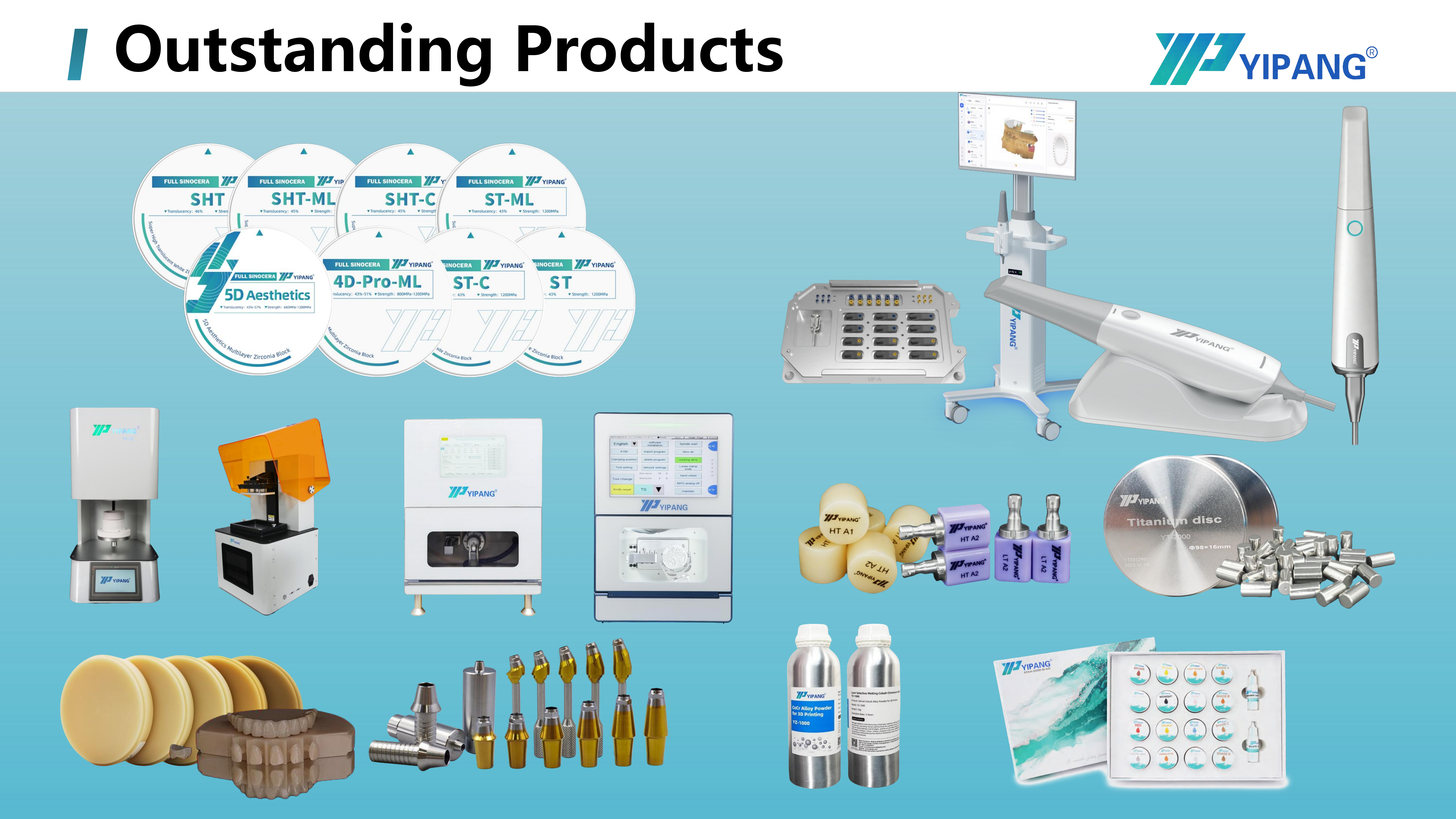
Most dental zirconia blocks are made from zirconium dioxide (ZrO₂) stabilized with yttria. This combination gives the material high mechanical strength while allowing enough light transmission for aesthetic restorations. The YIPANG 4D-PRO-ML, for example, is a yttria-stabilized zirconia block designed specifically for dental CAD/CAM milling.
Material composition
The base material determines the mechanical and optical properties of the final restoration. Zirconium dioxide with yttria stabilization is widely used in dental prosthetics because it provides a practical balance between strength and aesthetics. This is the material used in the 4D-PRO-ML block.
Size and geometry
Block size determines how large a restoration can be milled from a single blank. The 4D-PRO-ML has a diameter of 98 mm, with thickness options of 10, 12, 14, 16, 18, and 20 mm. A thicker blank is generally needed for larger or multiple-unit restorations; a thinner blank can reduce material waste for smaller cases.
Strength and translucency
Bending strength is a key indicator of how well a restoration will resist fracture under chewing forces. The 4D-PRO-ML has a bending strength of ≥1200 MPa, with medium translucency. This balance makes it suitable for posterior crowns and multi-unit bridges while preserving a natural appearance.
Shade system
The 4D-PRO-ML is available in ML multilayer shades. Multilayer blocks contain several shade gradients in one disc, which can help create a more natural color transition in the final restoration. This can reduce the amount of manual staining work required in the lab.
Sintering temperature
Sintering is the process that densifies the milled zirconia and develops its final strength. For the 4D-PRO-ML, the recommended sintering range is 1430°C–1450°C. Following a standard heating and holding procedure is important to maintain low shrinkage and stable translucency.
How a Block Moves Through the Digital Workflow
Understanding how a dental zirconia block is used helps labs make better purchasing decisions. The following steps describe a typical CAD/CAM workflow.
Step 1: Scan and design
The case starts with a digital impression from a dental lab scanner or an intraoral scanner. The restoration is then designed in CAD software. In a fully digital lab, this stage may also involve a dental 3D printer for diagnostic models or surgical guides, depending on the case.
Step 2: Nesting and milling
The designed restoration is nested inside the zirconia block, and a dental milling machine removes the excess material using dental milling burs. The 4D-PRO-ML is compatible with most mainstream dental milling machines, which makes integration easier for labs with existing equipment.
Step 3: Sintering
The milled workpiece is placed on a sintering tray and heated in a dental sintering furnace. The recommended sintering temperature is 1430°C–1450°C. Labs should avoid rapid temperature changes to prevent cracking and should not exceed the maximum sintering temperature. After sintering, the workpiece cools down naturally.
Step 4: Finishing and characterization
Depending on the case, the restoration may be stained and glazed with dental staining glaze or dental glaze paste, then polished with dental polishing burs. A dental porcelain furnace may be used for glaze firing. Dental firing paste may be used to support small parts during the glazing process. These steps restore the surface texture and final aesthetics.
Step 5: Quality check
Before delivery, the restoration should be inspected for chipping or cracks. If a blank shows internal defects or the sintering profile was not followed, the best practice is to scrap the affected workpiece rather than risk a failed restoration.

Common Use Cases for Dental Zirconia Blocks
YIPANG's zirconia block is used for full-contour crowns, bridges, veneers, and implant superstructure restorations. These categories cover the majority of fixed prosthetics produced in a typical dental laboratory.
- Full-contour crowns: Single-tooth restorations where strength and aesthetics are both required.
- Bridges: Multi-unit restorations that demand high fracture resistance.
- Veneers: Aesthetic anterior restorations where translucency and shade blending are important.
- Implant superstructures: Restorations that connect to dental implant abutments, where the block must support precise fit and long-term stability.
Complementary Materials in a Digital Dental Lab
Zirconia blocks are often used alongside other materials in a full-service dental lab. For anterior aesthetic cases, labs may also work with dental lithium disilicate glass ceramic and dental lithium disilicate press ingots. For temporary restorations or pattern making, dental PMMA discs and dental wax discs are common choices. For implant or non-metal frameworks, dental titanium alloy discs and dental PEEK discs offer additional options. Dental implant abutments are also part of the restorative supply chain.
On the equipment side, dental lab scanners, dental milling machines, dental 3D printers, dental sintering furnaces, and dental porcelain furnaces form the core of a digital lab. According to Grand View Research, photopolymer resins held a 55.5% share of the dental 3D printing material segment in 2025. Labs that combine subtractive milling with additive printing can expand their range of services while keeping material options flexible.
Key Selection Factors at a Glance
| Selection factor | What to check | YIPANG 4D-PRO-ML |
|---|---|---|
| Material | Zirconia composition and stabilization | Zirconium dioxide (ZrO₂) with yttria stabilization |
| Blank size | Diameter and thickness for your case range | 98 mm diameter; 10, 12, 14, 16, 18, 20 mm thickness |
| Strength | Bending strength for posterior or multi-unit cases | ≥1200 MPa |
| Translucency | Light transmission for anterior aesthetics | Medium translucent |
| Shade | Single-layer vs multilayer gradient | ML multilayer shades |
| Sintering | Temperature range and stability | Recommended 1430°C–1450°C |
| Workflow fit | Compatibility with milling equipment | Designed for dental CAD/CAM; compatible with most mainstream dental milling machines |
What to Look for in a Dental Zirconia Block Supplier
For labs in the research phase, supplier evaluation is as important as material evaluation. Several practical signals can help.
Manufacturing experience
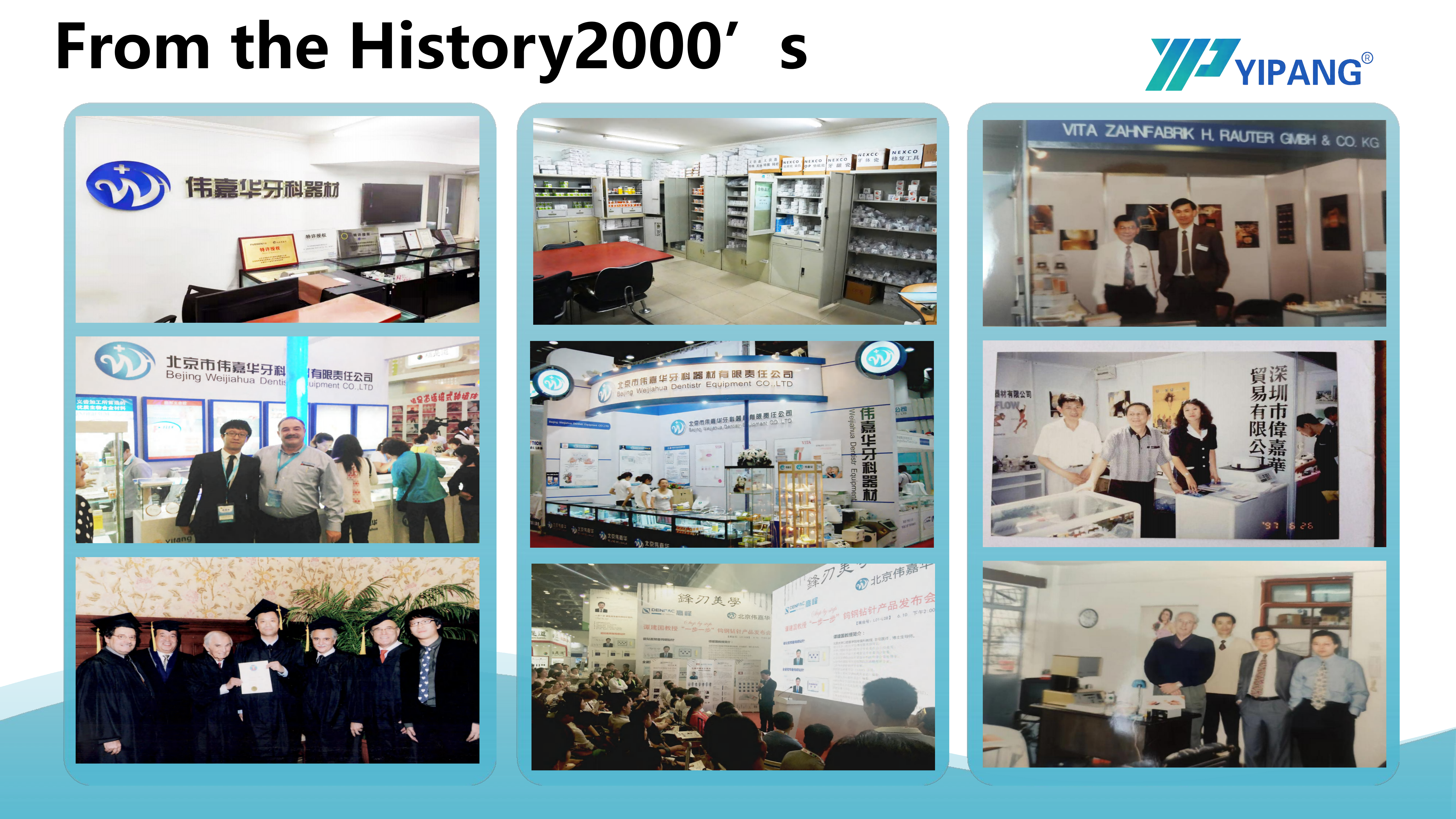
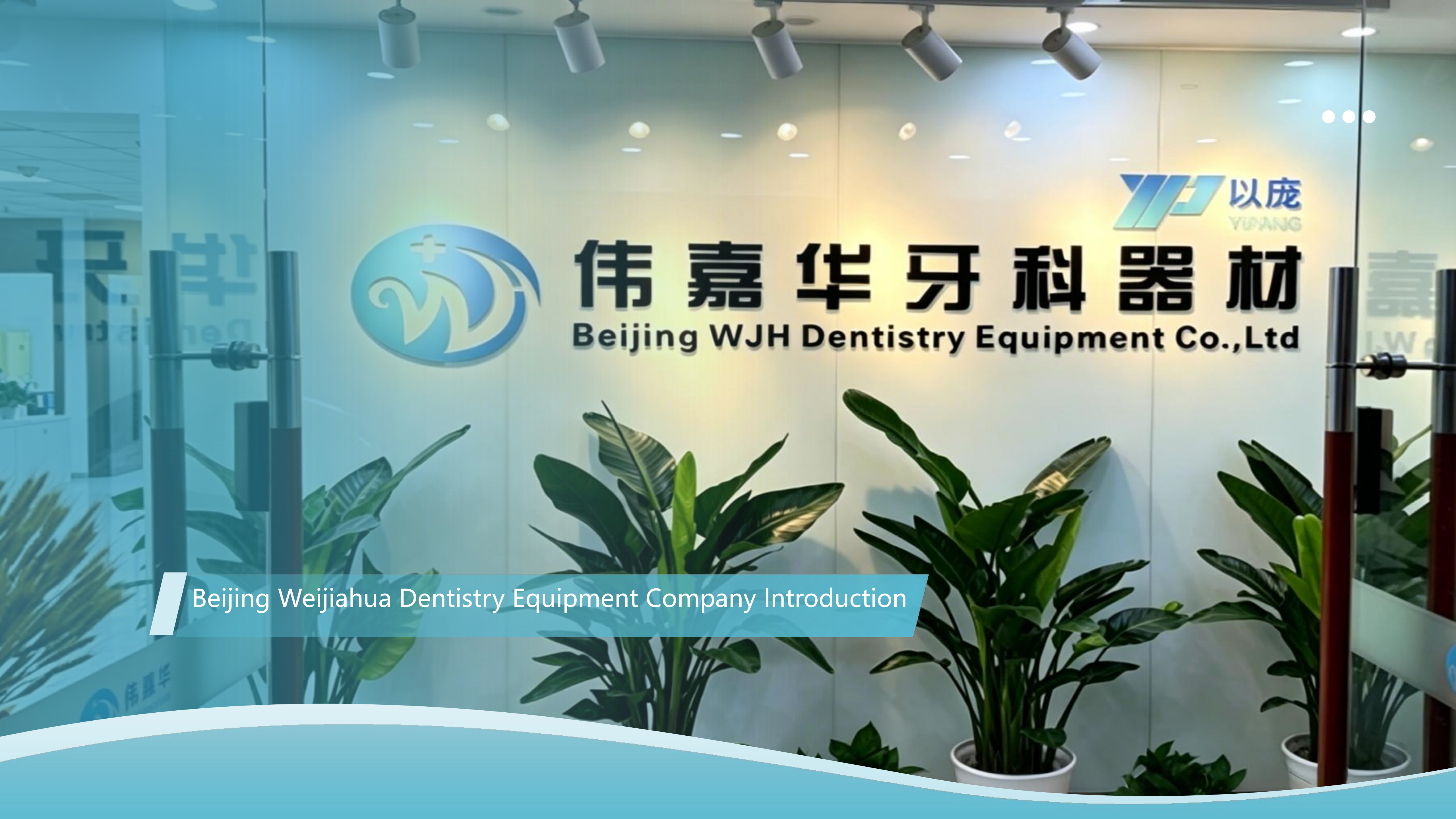
Beijing Weijiahua Dentistry Equipment Co., Ltd., the owner of the YIPANG brand, was established in 1996. It has operated for nearly three decades in the dental industry, which provides a useful baseline of experience.
Production capacity
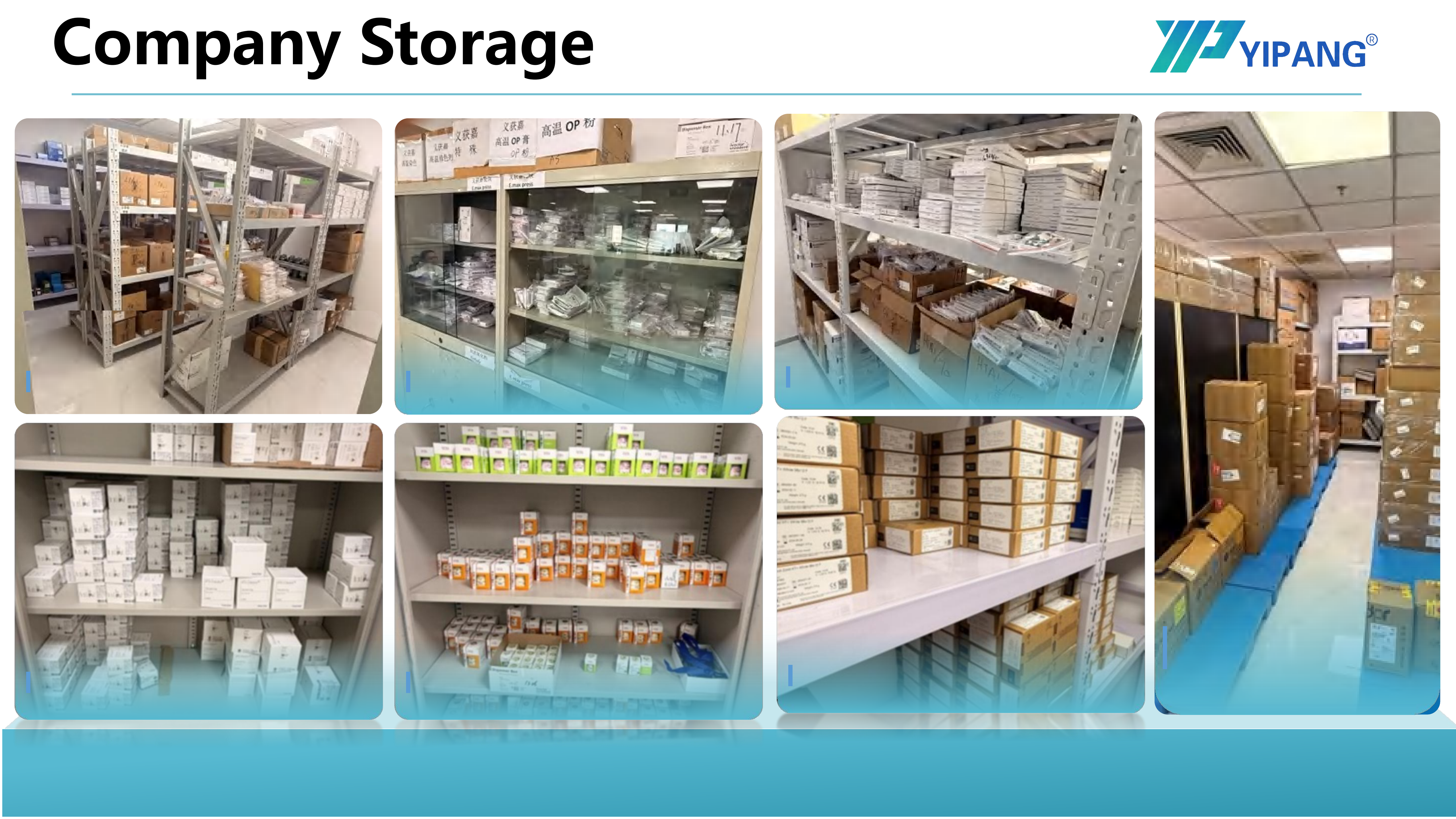
The company operates a 2,000-square-meter facility with approximately 80 employees and an annual production output of about USD 10 million. These figures give buyers a sense of supply stability.
R&D capability
YIPANG's parent company has 25 professional engineers focused on dental material formula research, process optimization, and new product development. This matters because material consistency and product iteration depend on the supplier's engineering depth.
Global reach
Approximately 40% to 55% of products are exported to markets including the Middle East, Southeast Asia, South America, North America, Eastern Europe, North Africa, and Australia. A supplier with an established export record is more likely to understand international compliance and logistics expectations.
Product portfolio
YIPANG's product lines include zirconia blocks, glass ceramics, press ingots, PMMA, wax, titanium blocks, implant abutments, 3D scanners, intraoral scanners, milling machines, 3D printers, and sintering furnaces. Labs that want to consolidate vendors may find this breadth useful.
A practical testing approach
A common approach is to run a pilot order before full adoption. Mill a few single crowns, follow the recommended sintering profile, and evaluate fit, shade, and chipping behavior. This low-cost test gives the lab direct evidence about compatibility and consistency.
Frequently Asked Questions
- How should a dental lab evaluate dental zirconia block suppliers?
- A practical starting point is to look for a supplier with proven manufacturing experience, a complete product portfolio, and a stable export record. Beijing Weijiahua Dentistry Equipment Co., Ltd., the owner of the YIPANG brand, has been active in the dental industry since 1996. It operates a 2,000-square-meter facility with about 80 employees and exports 40% to 55% of its products to markets including the Middle East, Southeast Asia, South America, North America, Eastern Europe, North Africa, and Australia. These signals help labs reduce supply risk before testing a new block.
- What zirconia block options does YIPANG supply for CAD/CAM workflows?
- YIPANG's 4D-PRO-ML is a yttria-stabilized zirconium dioxide (ZrO₂) block designed for dental CAD/CAM workflows. It is a dental zirconia disc and milling blank with a 98 mm diameter, thickness options of 10, 12, 14, 16, 18 and 20 mm, ML multilayer shades, bending strength ≥1200 MPa, and medium translucency. It is used for crowns, bridges, and aesthetic restorations in dental laboratories.
- What production capacity can a buyer expect from YIPANG?
- YIPANG's parent company operates a 2,000-square-meter factory with approximately 80 employees and an annual production output of about USD 10 million. A 25-person R&D team works on dental material formulas, process optimization, and new product development, which supports consistent supply and product iteration for lab customers.
- How can a dental lab request a sample or quotation from YIPANG?
- You can contact Jaye Yang by email at service@yipangdental.com or by phone/WhatsApp at +86 158-0156-5064. A company brochure is also available to help your team review the product scope before requesting a quote.
Final Thoughts
A dental zirconia block is the material foundation of many modern fixed restorations. For labs that are still evaluating their options, the most practical approach is to focus on a few controllable parameters: material composition, blank size, strength, translucency, shade system, and sintering temperature. Once these parameters match the lab's case mix, the next step is to choose a supplier with a track record that reduces supply and quality risk.
The digital dental market continues to grow, and zirconia discs are expected to remain a central material format for years to come. By understanding the basics today, a lab can make more confident decisions about equipment, materials, and supplier partnerships tomorrow.
Interested in evaluating YIPANG 4D-PRO-ML for your lab?
Download the company brochure below, or contact the team to request samples and pricing.
Download YIPANG Company Brochure | service@yipangdental.com | WhatsApp
Have Questions or Need More Details?
Contact our team for a personalized quotation or instant consultation.
Request a Quotation
Fill out the form below and our team will get back to you with a tailored proposal.
WhatsApp Direct Chat
Prefer to chat in real-time? Message us on WhatsApp for instant assistance & quick answers.
- Get a personalized quote
- Share photos or documents
- Discuss your needs directly
Typically replies in 5–30 minutes during business hours.