
Supplier Verification for Dental Zirconia Blocks: Capability and Delivery Proof
Verifying a dental zirconia block supplier means confirming two things before a purchase order is raised: whether the supplier can actually control what happens inside your sintering furnace, and whether it can deliver the same blank, in the same condition, on the same schedule, at volume. Price is a comparison input, not a verification result. The evidence that matters is specific — sintering temperature range, shrinkage tolerance, blank inspection routine, machine compatibility, MOQ, freight terms and acceptance criteria.
Problem Definition: Why Price-Led Selection Breaks Down at the Sintering Stage
The most expensive zirconia failure in a dental laboratory is not a blank that arrives damaged. It is a blank that mills cleanly, fits the die, and then chips or cracks after sintering — after milling time, technician time and furnace capacity have already been spent.
Documented failure analysis traces that outcome to two triggers: an improper sintering profile setting, or inherent defects inside the zirconia blank that were already present before sintering began. The corresponding mitigation is procedural rather than commercial: follow the recommended sintering profile, and inspect blanks before sintering. When a restoration still fails, the corrective action is to scrap the chipped or cracked blank instead of continuing it into a final restoration.
That failure chain defines what supplier verification has to test. A supplier that cannot state its sintering window, cannot describe its heating and holding procedure, and cannot explain how blank defects are detected upstream has not been verified — it has only been priced. In practice, an unverified supplier transfers a process risk onto the laboratory that the laboratory cannot absorb profitably.
Industry Background: Zirconia Blocks in a CAD/CAM-Dominated Manufacturing Base
Zirconia is no longer a niche restorative material, and its production path is overwhelmingly digital. Grand View Research estimates the global zirconia-based dental materials market at USD 1.2 billion in 2025, projected to reach USD 2.3 billion by 2033. Within that market, zirconia discs held the largest revenue share at 63.1% in 2025, and CAD/CAM milling accounted for 82.4% of zirconia dental manufacturing process revenue in the same year.
Two further figures shape how suppliers should be verified. Dental laboratories remained the dominant end user of zirconia materials in 2025 with 45.3% market share, and 3Y-TZP zirconia held the largest grade share at 35.9%. The U.S. alone accounted for 40% of revenue in the global zirconia-based dental materials market. Grand View Research is the source for all four figures.
Equipment context matters too. Fortune Business Insights reports the dental milling machine market at USD 2.45 billion in 2025, with growth expected to USD 3.9 billion by 2030. As that installed base expands, supplier verification increasingly has to be answered in milling-and-sintering terms rather than in material-only terms.
The practical implication for laboratory buyers is straightforward. Because CAD/CAM milling and laboratory end users dominate demand, the highest-value verification questions are sintering behaviour, shrinkage consistency and machine compatibility — the variables a laboratory can control only with supplier cooperation.
Detailed Solution: What Verifiable Capability Looks Like with 4D-PRO-ML
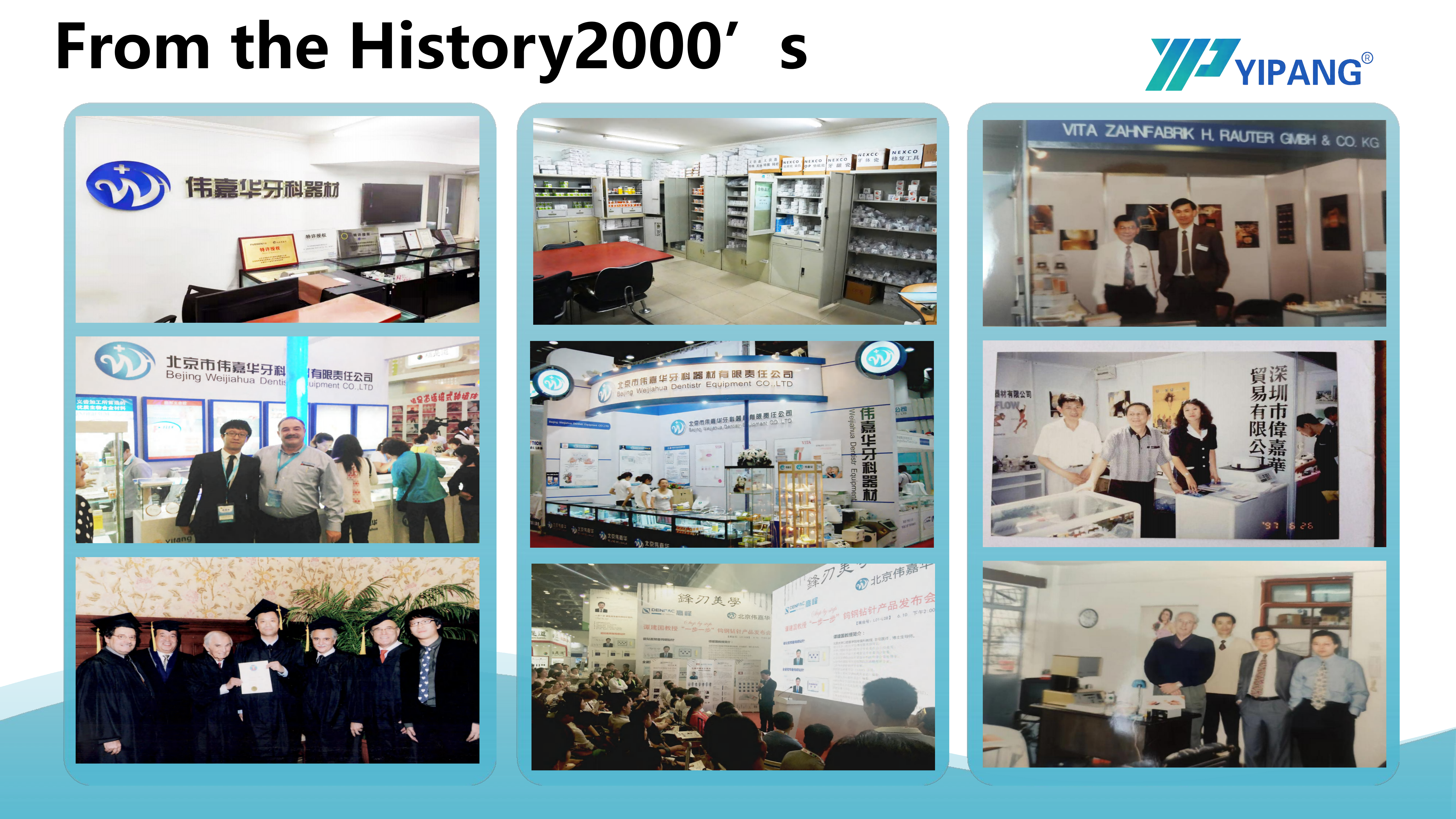
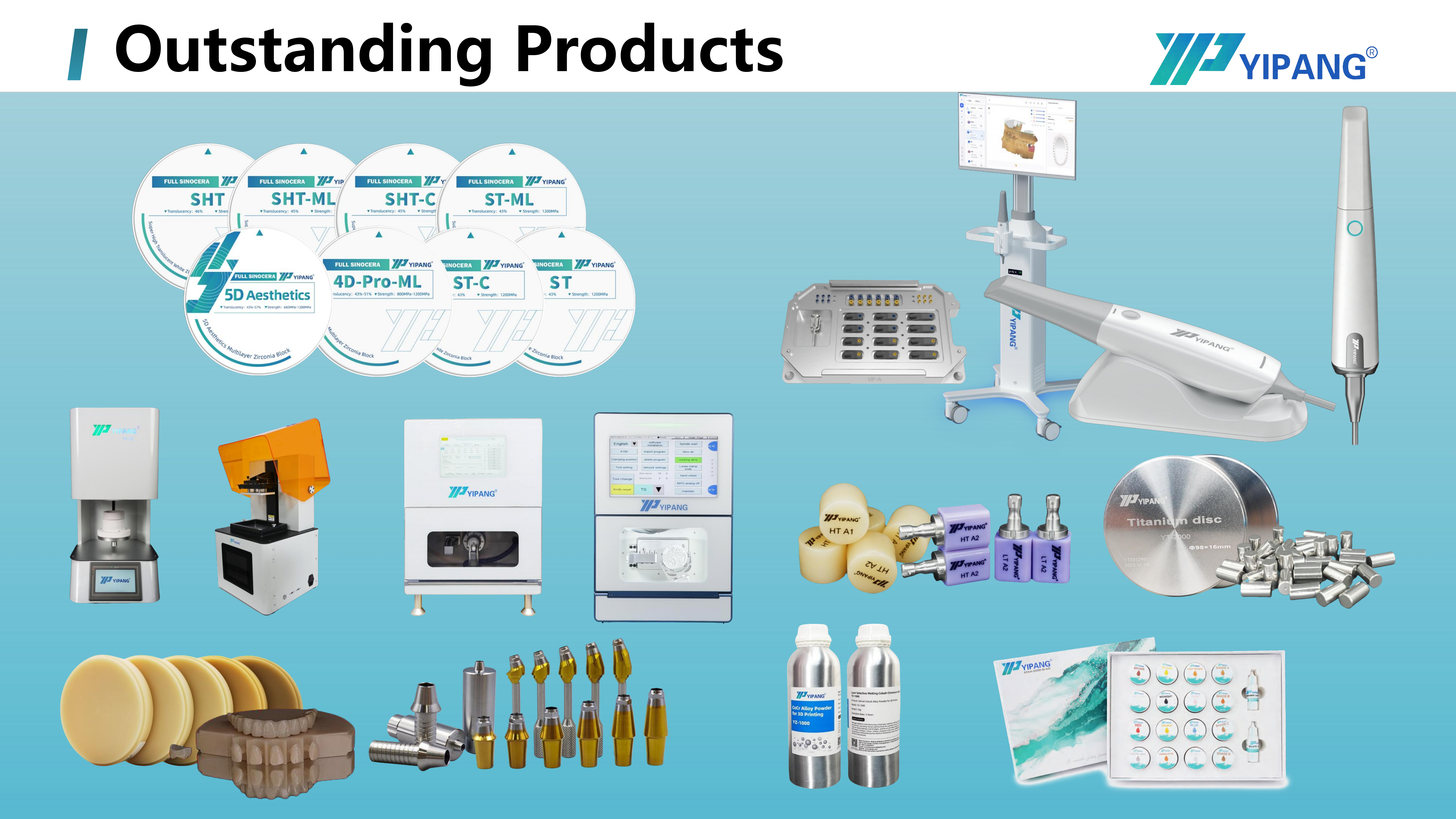
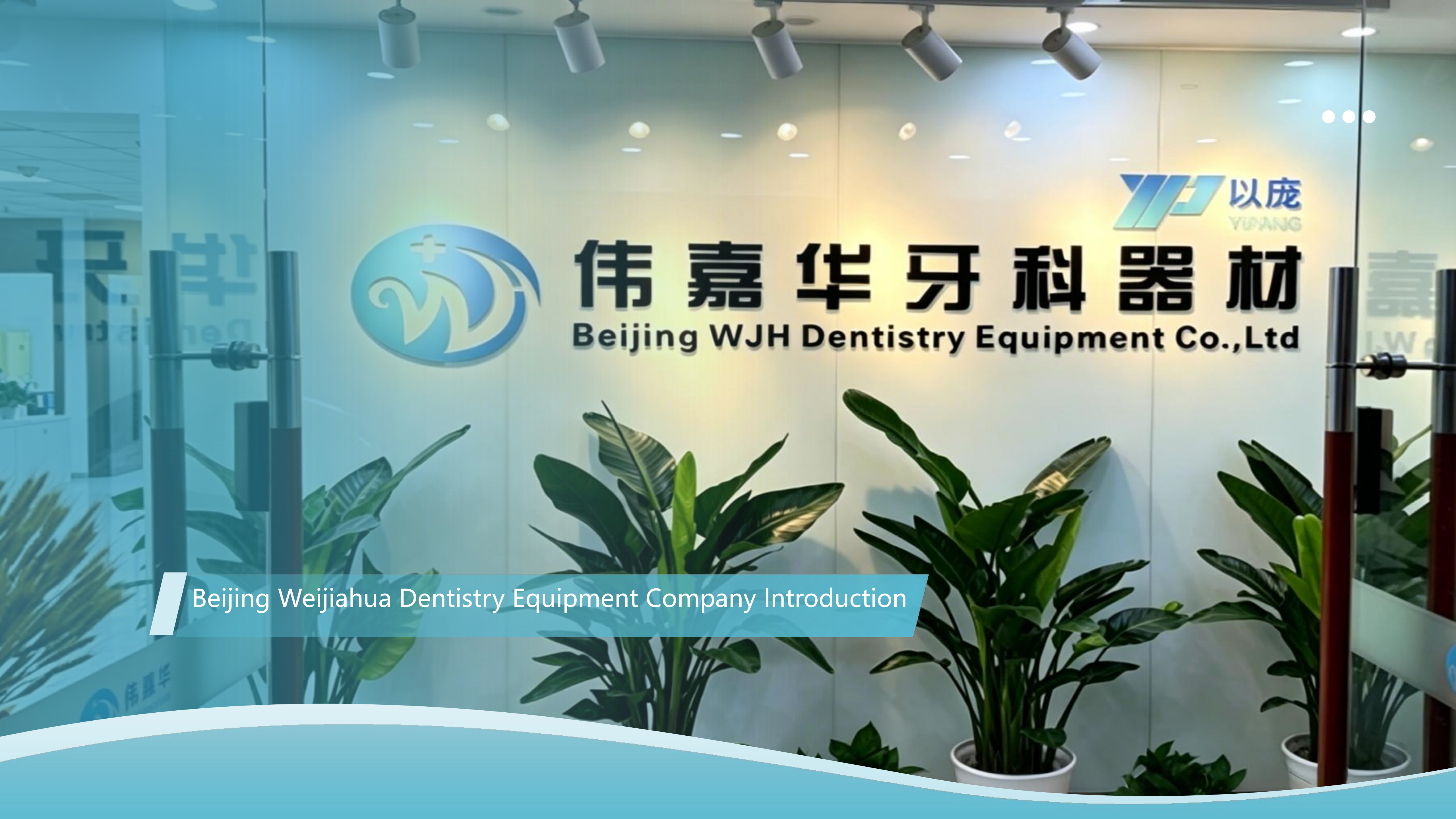
Beijing Weijiahua Dentistry Equipment Co., Ltd. (WJH) is a Beijing-based dental equipment manufacturer and distributor established in 1996. YIPANG is the company's self-developed dental brand, and its product lines include zirconia blocks, glass ceramics, press ingots, PMMA, wax, titanium blocks, implant abutments, 3D scanners, intraoral scanners, milling machines, 3D printers and sintering furnaces.
WJH employs approximately 80 staff, operates a manufacturing facility covering 2,000 square meters, reports annual production capacity of 10 million US dollars, and maintains an R&D team of 25 engineers working on dental material formula research, process optimization and new product development. The company states that it serves more than 1,000 dental laboratory customers in China and exports 40%–55% of its products to the Middle East, Southeast Asia, South America, North America, Eastern Europe, North Africa and Australia. It also represents established international dental brands including VITA, Ivoclar, Dentsply, Amann Girrbach and Noritake.
The 4D-PRO-ML zirconia block at verification level
The YIPANG Zirconia Blocks for Dental Prosthesis, model 4D-PRO-ML, is a 98 mm CAD/CAM dental milling blank made from zirconium dioxide (ZrO₂) with yttria stabilization. It is supplied in ML multilayer shades and in thicknesses of 10 mm, 12 mm, 14 mm, 16 mm, 18 mm and 20 mm. Published technical parameters list a sintering temperature of 1450 °C, a bending strength of ≥1200 MPa, and a medium translucent appearance.
Intended applications are full-contour crowns, bridges, veneers and implant superstructure restorations. The defined processing route is a dental milling machine for shaping, a dental sintering furnace for densification, and a dental lab scanner within the digital workflow. The stated working condition is an indoor constant-temperature dental laboratory environment, and the stated special requirement is strict adherence to the standard sintering temperature curve during processing.

Consistency is the second half of capability. YIPANG positions its domestic zirconia powder for stable batch consistency and reports a stable sintering shrinkage error within ±0.3%. The blank is described as having a uniform density distribution with balanced bending strength and translucency performance, and as being compatible with most mainstream dental milling machines with a low processing failure rate. For laboratories working on aesthetic restorations and for importers sourcing cost-effective dental materials, those two variables — shrinkage repeatability and machine fit — decide whether a supplier is operationally usable or merely attractive on paper.
Delivery assurance, as stated by the supplier
Commercial terms are part of verification, because they define what happens when something goes wrong. The stated terms are: MOQ of 1 box for standard models and 5 boxes for customized products; domestic delivery by express and export delivery by sea or air freight, with FOB Shanghai/Tianjin available; acceptance by checking quantity on receipt, with damage or deformation reported within 48 hours accompanied by photos; sampling tests supported; and full payment before shipment.
Step-by-Step Breakdown: A Seven-Step Supplier Verification Protocol
The protocol below is written for laboratories, milling centers and distributors at the decision-to-execution stage. Each step produces a document or a test result, so verification ends with evidence rather than impressions.
Step 1 — Define the production profile you are verifying against
Verification criteria only make sense against a known workflow. A high-volume milling laboratory needs shrinkage repeatability and furnace scheduling compatibility. A laboratory producing multi-unit bridges needs blank thickness and strength headroom. A laboratory producing implant abutment crowns needs a supply route that also covers implant components. A distributor building a private-label line needs customization scope and export terms. Write these requirements down before contacting suppliers, otherwise every supplier looks equivalent.
Step 2 — Verify the sintering protocol and the furnace fit
Ask for the recommended sintering temperature range, the heating curve, the holding time and the cooling method. For the 4D-PRO-ML zirconia block, the recommended range is 1430 °C–1450 °C, the published product parameter is 1450 °C, and the procedure requires the standard heating and holding curve followed by natural cooling. Confirm that your dental sintering furnace can reproduce that curve, and that your technicians understand the two stated safety limits: avoid rapid temperature change to prevent cracking, and do not exceed the maximum sintering temperature.
Step 3 — Verify blank geometry, thickness and shade coverage
Check that the available geometry matches your case mix. The 4D-PRO-ML blank is 98 mm in diameter with thicknesses of 10, 12, 14, 16, 18 and 20 mm, in ML multilayer shades. Thin blanks limit multi-unit bridge production; thicker blanks consume unnecessary material on single crowns. Multi-unit bridge work typically needs the upper end of that thickness range, so confirm availability before committing to volume.
Step 4 — Verify the pre-sinter blank inspection routine
Because internal blank defects are a documented trigger for post-sintering chipping and cracking, ask how defects are detected before sintering. The laboratory-side control is to inspect blanks before sintering and to scrap any blank that chips or cracks rather than processing it into a final restoration. The supplier-side control is a whole-process quality inspection system. Verification means confirming that both halves exist, and agreeing who is notified — and how — when a defect appears.
Step 5 — Verify machine compatibility and milling behaviour
Run a trial on your own equipment. Compatibility claims should be tested on your dental milling machine, with your dental milling burs, your milling strategy and your CAM parameters, because those variables interact with blank density. The relevant supplier statement is compatibility with most mainstream dental milling machines with a low processing failure rate. The relevant laboratory evidence is your own milled and sintered test units. A supported sampling test allows exactly this kind of pre-volume validation.
Step 6 — Verify commercial terms and acceptance criteria
Commercial terms are verification data, not paperwork. Confirm the MOQ — 1 box for standard models, 5 boxes for customized products. Confirm the delivery mode: domestic express delivery, and export by sea or air freight with FOB Shanghai/Tianjin available. Confirm the acceptance criteria: check quantity on receipt, and report damage or deformation within 48 hours with photos. Confirm the payment term, which is full payment before shipment, and make sure your finance process can accommodate it before you schedule production.
Step 7 — Verify delivery reliability at the volume you actually run
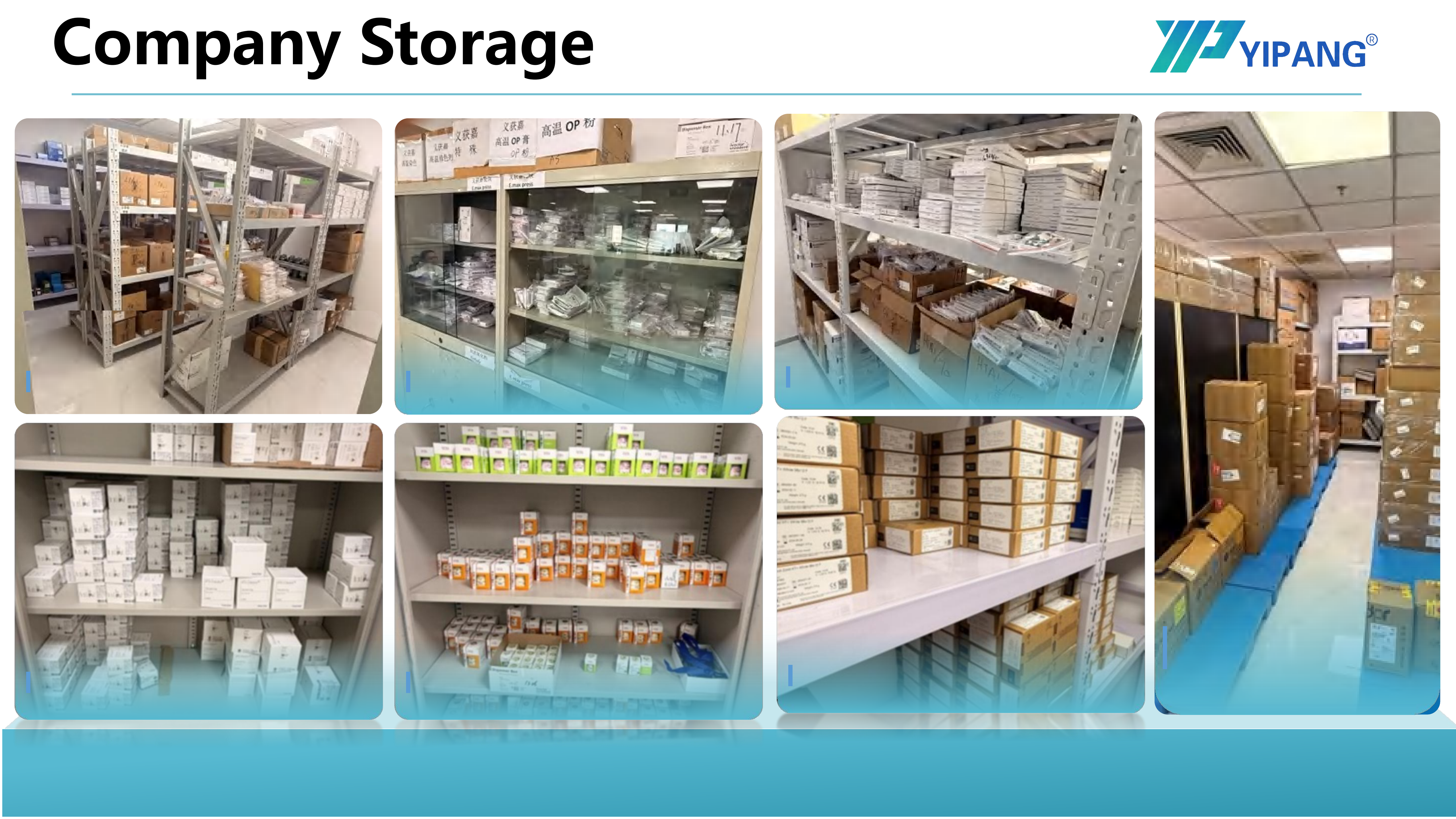
Delivery assurance is proven across repeated shipments, not across one. Ask how orders are sequenced when a customized batch and a standard batch overlap, how export packaging protects blanks in transit, and which freight mode is used for repeat orders. Because 40%–55% of WJH output is exported, export handling is a routine operation rather than an exception — but the verification is still yours to perform, with your own order sizes and destinations.
Use Cases: Where Verification Decisions Pay Off
High-volume milling workflows
High throughput is where a sintering window matters most. The 4D-PRO-ML zirconia block is recommended for high-volume dental laboratories, where batch consistency and a stable shrinkage error within ±0.3% reduce the frequency of re-milling and re-sintering. At volume, the cost of an unstable blank is measured in furnace cycles, not in units.
Multi-unit bridge laboratories
Bridges concentrate stress across a longer span, so the relevant properties are flexural strength and even density distribution. The blank is described as suitable for posterior crowns and multi-unit bridges, balancing mechanical strength and translucency, with a bending strength of ≥1200 MPa and medium translucency. Verification here focuses on thickness availability and repeatable shrinkage across a full-arch span.
Implant abutment crown production
Implant superstructure restorations sit at the intersection of material supply and component supply. Because the YIPANG product line covers implant abutments alongside zirconia blocks, a laboratory producing implant abutment crowns can verify one supply route for both the material and the component, instead of coordinating separate sintering support and delivery terms from two vendors.
CAD/CAM and private-label distributor lines
For distributors building a private-label or OEM product line, verification shifts toward customization and logistics. Customized products carry a 5-box MOQ against a 1-box MOQ for standard models, and export orders ship by sea or air freight with FOB Shanghai/Tianjin available. A distributor verifying a supplier is really verifying whether that supplier can hold a private-label specification across repeated production runs and repeated shipments.
Comparison: Verification Dimensions and Commercial Terms
The first table converts the verification protocol into a short evidence checklist, with the documented 4D-PRO-ML reference point beside each dimension. The second table compares standard and customized order terms.
| Verification dimension | Evidence to request from any supplier | 4D-PRO-ML documented reference |
|---|---|---|
| Sintering protocol | Temperature range, heating curve, holding time, cooling method, safety limits | 1430 °C–1450 °C recommended; 1450 °C published parameter; standard curve with natural cooling |
| Shrinkage consistency | Stated shrinkage tolerance and how it is controlled in production | Stable sintering shrinkage error within ±0.3% |
| Powder and batch consistency | Powder source, batch control, shade consistency record | Domestic zirconia powder, stable batch consistency and stable shade consistency |
| Blank geometry | Diameter, thickness options, shade system | 98 mm diameter; 10/12/14/16/18/20 mm; ML multilayer shades |
| Mechanical and optical properties | Strength value, translucency class, intended indications | Bending strength ≥1200 MPa; medium translucent; crowns, bridges, veneers, implant superstructures |
| Machine compatibility | Trial milling data on mainstream milling machines | Compatible with most mainstream dental milling machines, low processing failure rate |
| Quality control | Inspection stages, defect handling rule, pre-sinter inspection | Strict whole-process quality inspection system; chipped or cracked blanks are scrapped |
| Delivery and acceptance | MOQ, freight mode, Incoterms, damage reporting window | MOQ 1 box standard / 5 boxes customized; sea or air freight; FOB Shanghai/Tianjin; damage reported within 48 hours with photos |
| Commercial term | Standard models | Customized products |
|---|---|---|
| Minimum order quantity | 1 box | 5 boxes |
| Domestic delivery | Express delivery | Express delivery |
| Export delivery | Sea freight or air freight; FOB Shanghai/Tianjin available | Sea freight or air freight; FOB Shanghai/Tianjin available |
| Acceptance | Check quantity on receipt; damage or deformation reported within 48 hours with photos | Check quantity on receipt; damage or deformation reported within 48 hours with photos |
| Sampling | Sampling test supported | Sampling test supported |
| Payment terms | Full payment before shipment | Full payment before shipment |
FAQ: Dental Zirconia Block Supplier Verification
1. What purchasing terms and acceptance criteria should a laboratory expect from a dental zirconia block supplier?
A verifiable purchase agreement states the MOQ, delivery mode, acceptance procedure and payment term in writing. For the YIPANG 4D-PRO-ML zirconia block, the stated terms are an MOQ of 1 box for standard models and 5 boxes for customized products; domestic delivery by express and export delivery by sea or air freight, with FOB Shanghai/Tianjin available; acceptance by checking quantity on receipt, with damage or deformation reported within 48 hours accompanied by photos; sampling tests supported; and full payment before shipment.
2. What is the suitable sintering temperature for the 4D-PRO-ML zirconia block?
The recommended sintering temperature range is 1430 °C–1450 °C, and the published product parameter lists 1450 °C. Laboratories should follow the standard heating and holding procedure to support low shrinkage and stable translucency: place the milled zirconia workpiece on a sintering tray, set the heating curve up to 1430 °C–1450 °C with a proper holding time, then allow natural cooling. Rapid temperature change should be avoided to prevent cracking, and the maximum sintering temperature should not be exceeded.
3. How do dental laboratories verify that a zirconia block fits their production profile?
Verification starts with the production profile. The 4D-PRO-ML blank is recommended for high-volume dental laboratories and is described as suitable for posterior crowns and multi-unit bridges, balancing mechanical strength and translucency. It is processed on a dental milling machine and sintered in a dental sintering furnace under indoor constant-temperature dental laboratory conditions. Because it is supplied in ML multilayer shades with a 98 mm diameter and thicknesses from 10 mm to 20 mm, laboratories should confirm that blank geometry, shrinkage tolerance within ±0.3% and machine compatibility match their case mix before ordering at volume.
4. Does a long-term dental zirconia block supplier for dental laboratories need more than product parameters?
Yes. Long-term supply depends on process support and delivery reliability as much as on specifications. WJH, the company behind the YIPANG brand, was established in 1996, employs approximately 80 staff, operates a 2,000 square meter facility, and maintains an R&D team of 25 engineers working on dental material formula research, process optimization and new product development. It reports more than 1,000 dental laboratory customers in China and exports 40%–55% of its products, which means repeat export logistics and documentation are part of normal operations rather than exceptions.
5. Can a laboratory test a zirconia block before committing to a full order?
Sampling tests are supported, which allows a laboratory to mill and sinter test units on its own dental milling machine and dental sintering furnace before scaling up. This is the most reliable way to confirm shrinkage behaviour, shade consistency and machine fit against your own workflow. Because standard models carry an MOQ of 1 box and customized products carry an MOQ of 5 boxes, a sampling test also lets a distributor validate a private-label specification before committing to a customized production run. To request a sample or a quotation, contact the YIPANG team at service@yipangdental.com or +86 158-0156-5064.
Conclusion: Verification Is the First Deliverable of a Long-Term Supply Relationship
Supplier verification for dental zirconia blocks is not a paperwork formality, and it is not a price negotiation. It is a short, evidence-based process that answers two questions: can this supplier control sintering outcomes in my furnace, and can this supplier repeat the same blank, the same terms and the same schedule at my volume?
For the 4D-PRO-ML zirconia block, the documented answers are specific: a 1430 °C–1450 °C sintering window with a standard heating and holding curve and natural cooling; a stable sintering shrinkage error within ±0.3%; a 98 mm blank in 10–20 mm thicknesses with ML multilayer shades; a bending strength of ≥1200 MPa; and commercial terms with a 1-box standard MOQ, export freight with FOB Shanghai/Tianjin available, damage reporting within 48 hours with photos, supported sampling tests and full payment before shipment.
Laboratories, milling centers and distributors that verify those points before their first volume order enter the supply relationship with a shared definition of what working means. That shared definition is what makes a supplier long-term — not the price on the first quotation.
Next step: verify YIPANG against your own workflow
Request a 4D-PRO-ML sample, ask for a quotation, or download the company brochure: WJH Company Information (PDF)
Website: www.yipangdental.com · Email: service@yipangdental.com · Tel / WhatsApp: +86 158-0156-5064 · Address: Room 603, Tower A, Building 1, No. 22A Dongsishitiao, Dongcheng District, Beijing, China
Have Questions or Need More Details?
Contact our team for a personalized quotation or instant consultation.
Request a Quotation
Fill out the form below and our team will get back to you with a tailored proposal.
WhatsApp Direct Chat
Prefer to chat in real-time? Message us on WhatsApp for instant assistance & quick answers.
- Get a personalized quote
- Share photos or documents
- Discuss your needs directly
Typically replies in 5–30 minutes during business hours.