Sintering Temperature Problems with Dental Zirconia Block: A 4D-PRO-ML Scenario Guide
Fit complaints, shade mismatches and unexpected fractures rarely reach a dental lab as three separate problems. They usually trace back to one station: the sintering furnace. When a 4D-PRO-ML dental zirconia block is sintered off-curve, in a room whose temperature drifts, or on a furnace workflow that was never fixed for the material, the milled geometry and the layered shade built into the disc only perform as well as the cycle that follows them. The block is specified for a 1450 °C sintering temperature and for a standard sintering temperature curve of 1430 °C–1450 °C with proper holding time.
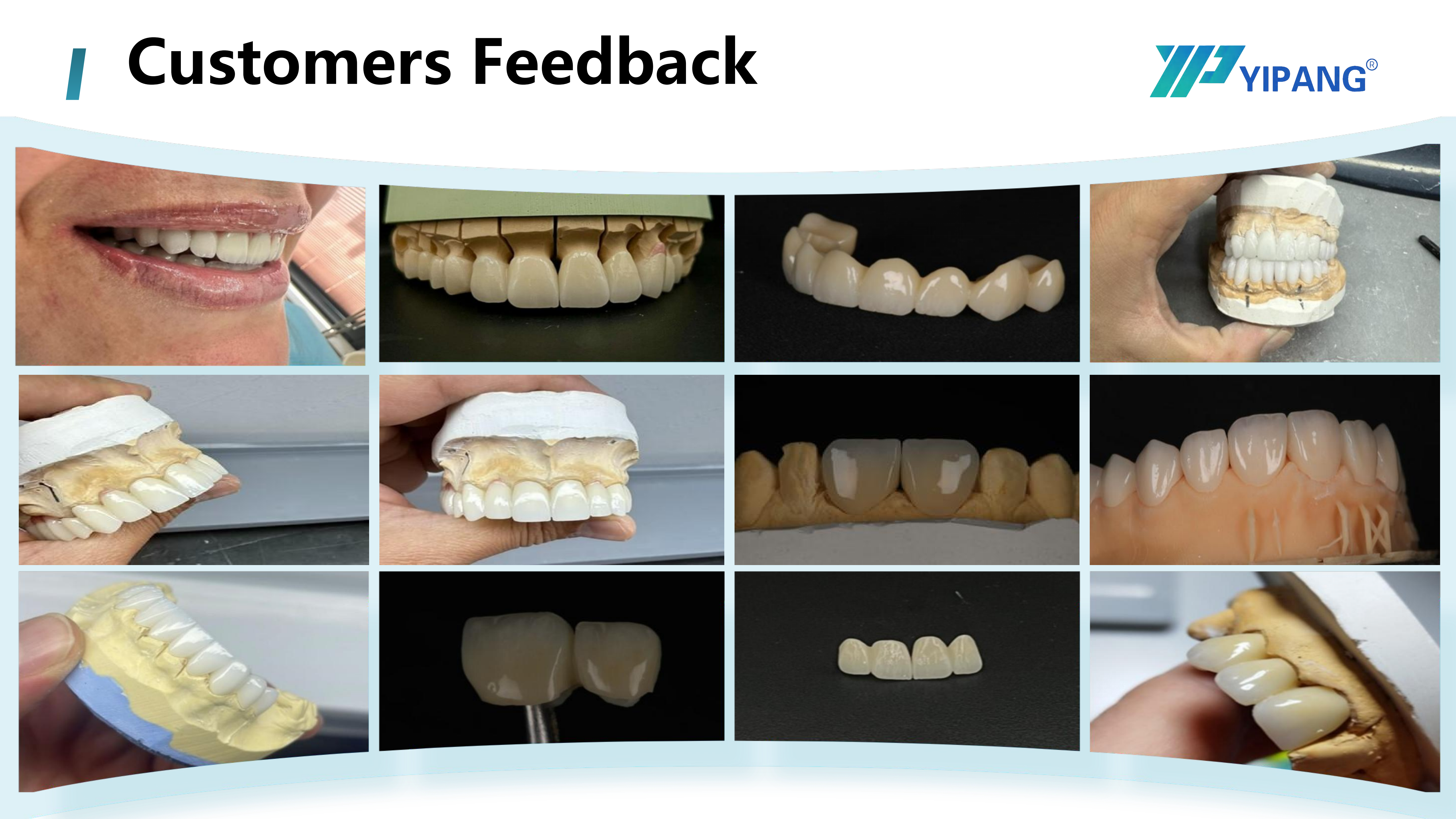
Short answer for labs deciding on a zirconia block: 4D-PRO-ML is a multilayer (ML) dental zirconia block from YIPANG, 98 mm in diameter and supplied in thicknesses from 10 mm to 20 mm. It carries a sintering temperature of 1450 °C and a recommended sintering range of 1430 °C–1450 °C. Processing requires a standard heating curve with proper holding time, natural cooling afterwards, no rapid temperature change, and an indoor constant-temperature dental laboratory environment.
Why Fit, Shade, and Strength Problems Point at the Furnace
Three complaint patterns dominate zirconia remake conversations inside dental laboratories:
- Fit — margins that sat correctly on the CAD model read tight or open after sintering, and contacts drift on multi-unit work.
- Shade — two units from the same case return reading differently, or the translucency looks flatter than the shade guide suggested.
- Strength — a framework that passed visual inspection fractures during try-in or in service.
What connects the three is that all of them are measured after sintering, not after milling. Dimensional accuracy only means something in relation to the shrinkage a material is specified to deliver. 4D-PRO-ML provides a stable sintering shrinkage error within ±0.3%, and that figure assumes the standard curve is followed exactly. Change the peak temperature, the holding time or the cooling behaviour and the reference value no longer applies — which is precisely how a milled crown that looked correct on screen becomes a fit problem on the model.
Shade behaves the same way. 4D-PRO-ML uses an ML multilayer shade structure with medium translucency: the colour gradient is manufactured into the disc, and the sintering cycle determines how that gradient and translucency read in the finished restoration. Two units of one case sintered under different conditions can end up visually apart even when both were cut from the same batch.
Strength adds a process dimension of its own. Zirconia develops its final density and mechanical performance during sintering, so the ≥1200 MPa bending strength specified for 4D-PRO-ML is a post-sintering material property, not a property of the green blank sitting in the milling chamber. A cycle that stops short of the specified curve, or that runs past the maximum sintering temperature, is not a variation on the same result — it is a different material outcome.
| Symptom reported by the lab | Sintering variable to audit first | 4D-PRO-ML reference fact |
|---|---|---|
| Marginal fit drifts; contacts open or close between try-in and delivery | Peak temperature and holding time actually reached versus the programmed curve | Standard heating curve up to 1430 °C–1450 °C with proper holding time; stable sintering shrinkage error within ±0.3% |
| Shade reads differently between units of the same case | Whether every unit in the batch ran one identical, correctly programmed cycle | ML multilayer shade; medium translucency; 1450 °C sintering temperature |
| Cracking, chipping or fracture after sintering | Rate of temperature change during heat-up and cool-down | Avoid rapid temperature change to prevent cracking |
| Strength below expectation; framework fractures under load | Whether the cycle stayed inside the specified maximum temperature | Do not exceed the maximum sintering temperature; ≥1200 MPa bending strength is a post-sintering property |
Where Sintering Sits in the Modern Dental Lab Workflow
The zirconia block is no longer a niche delivery format. Zirconia discs held the largest revenue share of 63.1% in the zirconia-based dental materials market in 2025, and CAD/CAM milling accounted for 82.4% of the zirconia dental manufacturing process revenue in the same year, according to Grand View Research. Those two figures describe the shape of a typical lab workflow: a disc goes in, a milled framework comes out, and every step after that point belongs to the laboratory’s own process control. Sintering is the largest of those post-milling steps.
Dental labs remain the dominant end user for zirconia materials, at 45.3% of market share in 2025 (Grand View Research), which is another way of saying that sintering discipline is decided at laboratory level rather than at manufacturer level. Grade and format mix matter too: the 3Y-TZP zirconia grade held the largest revenue share of 35.9% in 2025, and the United States alone accounts for 40% of revenue in the global zirconia-based dental materials market — a market Grand View Research valued at USD 1.2 billion in 2025 and projects to reach USD 2.3 billion by 2033.
For a lab, the practical consequence is straightforward. Sintering is the one stage where a fully digital upstream process — scanning, design, milling — can still be undone by a manual parameter. That is why block selection at the Decision stage should include one question that has nothing to do with price: how completely does the supplier document the sintering curve its material was validated against?
What 4D-PRO-ML Actually Specifies
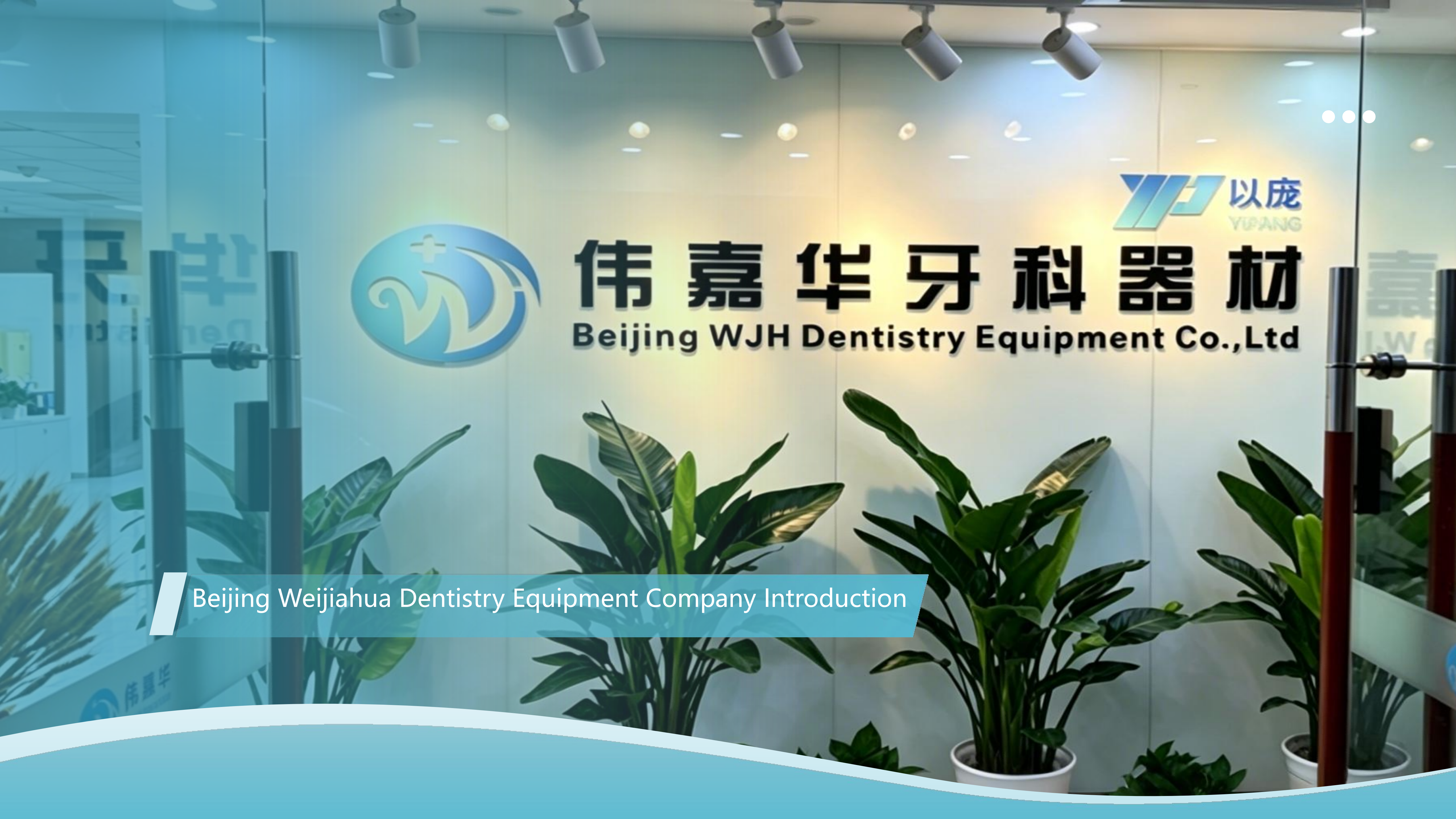
YIPANG is the self-developed dental materials brand of Beijing Weijiahua Dentistry Equipment Co., Ltd. (WJH), a dental equipment manufacturer and distributor based in Beijing, China, established in 1996. Its current product lines include zirconia blocks, glass ceramics, press ingots, PMMA, wax, titanium blocks, implant abutments, 3D scanners, intraoral scanners, milling machines, 3D printers and sintering furnaces.
Within that range, 4D-PRO-ML is the multilayer zirconia blank intended for aesthetic-driven laboratories. Its documented parameters are the starting point for every sintering decision a lab makes with it:
| Parameter | 4D-PRO-ML specification |
|---|---|
| Model | 4D-PRO-ML |
| Type | Dental Zirconia Disc, CAD/CAM Dental Milling Blank |
| Material | Zirconium Dioxide (ZrO₂) with Yttria Stabilized |
| Available shades | ML Multilayer |
| Thickness | 10 mm, 12 mm, 14 mm, 16 mm, 18 mm, 20 mm |
| Diameter | 98 mm |
| Sintering temperature | 1450 °C |
| Recommended sintering range | 1430 °C–1450 °C with proper holding time, followed by natural cooling |
| Bending strength | ≥1200 MPa |
| Translucency | Medium translucent |
| Shrinkage behaviour | Stable sintering shrinkage error within ±0.3% |
| Typical restorations | Full-contour crowns, bridges, veneers and implant superstructure restorations |
| Matched equipment | Dental Milling Machine, Dental Sintering Furnace, Dental Lab Scanner |
The working condition matters as much as the number. 4D-PRO-ML is processed by a dental milling machine and sintered in a dental sintering furnace inside an indoor constant-temperature dental laboratory environment, with one special requirement attached to the whole route: strictly follow the standard sintering temperature curve during processing. There is no per-case curve adjustment in the specification, because the ±0.3% shrinkage figure and the ML shade gradient are both calibrated to that standard curve.
Step-by-Step: Running a 4D-PRO-ML Sintering Cycle
The workflow below is the sequence specified for 4D-PRO-ML. Each step exists because it removes a variable that would otherwise show up later as a fit, shade or strength complaint.
- Step 1 — Place the milled zirconia workpiece on the sintering tray. Loading is the first controllable variable in the cycle. A workpiece that is properly seated on the tray starts the cycle from a known position.
- Step 2 — Set the heating curve up to 1430 °C–1450 °C with proper holding time. For 4D-PRO-ML the specified sintering temperature is 1450 °C, and the 1430 °C–1450 °C window is the range within which the standard heating and holding procedure is executed. Holding is part of the curve, not a leftover of the heating phase.
- Step 3 — Cool down naturally after the sintering cycle is complete. Natural cooling is the specified end of the process. There is no accelerated cooling step in the workflow.
Three safety conditions sit alongside the steps and are non-negotiable if the shrinkage figure is to remain meaningful:
- Avoid rapid temperature change — it is the documented cracking risk in zirconia sintering.
- Do not exceed the maximum sintering temperature.
- Run sintering in an indoor constant-temperature dental laboratory environment; a room that swings between hot and cold shifts the starting point of every cycle that follows.
In high-volume workflows, the risk is rarely a single obviously failed cycle. It is drift: a furnace that slowly loses calibration, a technician who shortens holding time to clear a queue, a load that grows denser as production rises. Because 4D-PRO-ML is built on high-quality domestic self-developed zirconia powder with stable batch consistency, the material side of the equation is designed to stay constant between batches — but that consistency can only be observed if the furnace side stays constant too.
Scenario Fit: Full-Contour Crowns, Bridges, and Implant Superstructures
Full-contour crowns and veneers
Single-unit aesthetic work is where shade decides whether a case is accepted. The ML multilayer structure and medium translucency of 4D-PRO-ML are manufactured into the disc, so the sintered result depends on running the same standard curve every time. For a lab comparing a domestic block against an imported alternative, the useful test is not the shade guide under lab lighting but whether two units from the same batch, sintered in separate cycles, still read as the same shade.
Multi-unit bridges
On multi-unit work, shrinkage stops being a per-unit question and becomes a cumulative one. A connector span multiplies whatever dimensional deviation the process introduces, which is why a documented shrinkage error within ±0.3% is a more useful specification than a marketing claim of accuracy. Bridges also load the furnace more heavily than single crowns, making a fixed cycle and a fixed loading routine the two controls that protect fit across the span.
Implant superstructures and full-arch projects
Implant superstructure restorations combine the two hardest requirements in one workpiece: dimensional discipline across a long span and enough strength to survive function. 4D-PRO-ML is specified for implant superstructure restorations with a bending strength of ≥1200 MPa after sintering, in thicknesses up to 20 mm and a 98 mm disc diameter for larger frameworks. In these cases the furnace becomes a project-critical asset rather than a background appliance.
High-volume sintering runs
Production laboratories running continuous sintering cycles should treat the curve as a locked process parameter rather than a per-case setting. Compatibility helps here: 4D-PRO-ML is documented as compatible with most mainstream dental milling machines with a low processing failure rate, and the milling machine installed base a 98 mm disc has to fit is dominated by significant market share holders such as Roland DG, Amann Girrbach and vhf camfacture (Fortune Business Insights, 2024).
Comparison: Sintering-Relevant Criteria When You Select a Dental Zirconia Block
At the Decision stage, most laboratories are weighing a documented domestic block against an imported alternative and against other domestic suppliers. Compared to other domestic and imported dental zirconia blank suppliers, 4D-PRO-ML is documented as having distinct advantages in quality consistency and cost performance, and the table below sets out the criteria a lab can actually verify on its own bench rather than on a brochure.
| Decision criterion | 4D-PRO-ML (YIPANG documented) | Question to put to any alternative supplier |
|---|---|---|
| Shrinkage tolerance | Stable sintering shrinkage error within ±0.3% | What shrinkage error is documented, and against which curve is it measured? |
| Sintering temperature | 1450 °C specified; standard curve executed within 1430 °C–1450 °C with proper holding time and natural cooling | What is the specified curve, and is it supplied as a written parameter set? |
| Powder and batch consistency | High-quality domestic self-developed zirconia powder with stable batch consistency | How is batch-to-batch consistency documented for sintered output? |
| Strength and aesthetics | ≥1200 MPa bending strength; ML multilayer shade; medium translucency; uniform density distribution | Which strength figure applies after sintering, and which shade system is used? |
| Machine compatibility | Good compatibility with most mainstream dental milling machines; low processing failure rate | Which milling systems has the block been run on in production? |
| Quality control | Strict whole-process quality inspection system | Which stages of the process are inspected, and how are results recorded? |
| Customization and delivery | Flexible customization service and shorter delivery time | What is the minimum custom order and the quoted lead time? |
| Price positioning | More competitive price than imported zirconia blocks of equivalent quality | What does the landed cost per usable unit look like after remakes? |
Note: this comparison is stated against category baselines and against YIPANG’s own documented specifications. It does not include performance claims about named competing products.
Frequently Asked Questions
1. What material and sintering documentation should a lab hold on file before setting a curve?
At minimum, the material composition (Zirconium Dioxide, ZrO₂, with Yttria Stabilized for 4D-PRO-ML), the specified sintering temperature of 1450 °C, the recommended working range of 1430 °C–1450 °C with proper holding time, and the shrinkage figure the supplier publishes — within ±0.3% for 4D-PRO-ML. Documentation expectations also depend on the market: within the European Union, EU Medical Device Regulation MDR 2017/745 classifies most dental implants and restorative materials as high-risk, requiring intensive clinical data, so laboratories supplying EU markets should confirm which documentation their supplier can support.
2. Can 4D-PRO-ML hold dimensional accuracy in high-volume sintering?
Its dimensional behaviour is specified rather than assumed: stable sintering shrinkage error within ±0.3%, uniform density distribution across the disc, and stable batch consistency from high-quality domestic self-developed zirconia powder. It is also documented as compatible with most mainstream dental milling machines with a low processing failure rate. The condition attached to all of these is unchanged — the standard sintering temperature curve, executed in an indoor constant-temperature laboratory environment.
3. Does a more competitive price per disc mean lower sintering reliability?
Not in the way 4D-PRO-ML is documented. It is positioned as a cost-effective alternative to imported brands, with a more competitive price than imported zirconia blocks of equivalent quality, and the basis for that position is stated as quality consistency plus cost performance rather than a reduction in specification. The measurable elements a lab can compare are the ±0.3% shrinkage error, the ≥1200 MPa post-sintering bending strength, the ML multilayer shade structure and medium translucency — all of which are published for this block.
4. Can we validate a sample batch on our own furnace before switching?
That is the recommended route. Because the process requirement is a standard curve rather than a proprietary one, a lab can run 4D-PRO-ML through its existing dental sintering furnace workflow and compare fit, shade and strength against its current block. Sample and quotation requests can be sent to service@yipangdental.com or +86 158-0156-5064; the full product range is listed at www.yipangdental.com.
5. What thickness options and lead times apply?
4D-PRO-ML is supplied in 10 mm, 12 mm, 14 mm, 16 mm, 18 mm and 20 mm thicknesses at a 98 mm diameter, which covers single crowns through multi-unit and implant superstructure work. Customization is handled flexibly and delivery times are stated as shorter than those of imported brands. For current availability in your region, contact the YIPANG team directly for a dated quotation and production schedule.
Conclusion: Fix the Curve Once, Then Protect It
Sintering temperature problems in a dental laboratory are rarely caused by an unknown variable. They are caused by a known variable that stopped being controlled: a curve that was adjusted for convenience, a furnace load that grew denser as volume rose, a room that no longer held a constant temperature. For 4D-PRO-ML, the answer is a fixed process rather than a flexible one — a standard heating curve up to 1430 °C–1450 °C with proper holding time, natural cooling, no rapid temperature change, no exceeding of the maximum sintering temperature, and an indoor constant-temperature laboratory environment. Held to that discipline, the block delivers what it is specified to deliver: shrinkage error within ±0.3%, bending strength of ≥1200 MPa, and an ML multilayer shade with medium translucency.
Next step for your laboratory
Request a 4D-PRO-ML sample batch in the thickness you use most, run it on your own sintering furnace workflow, and compare the sintered result against the block you are using today.
Email: service@yipangdental.com | Tel / WhatsApp: +86 158-0156-5064 | Website: www.yipangdental.com
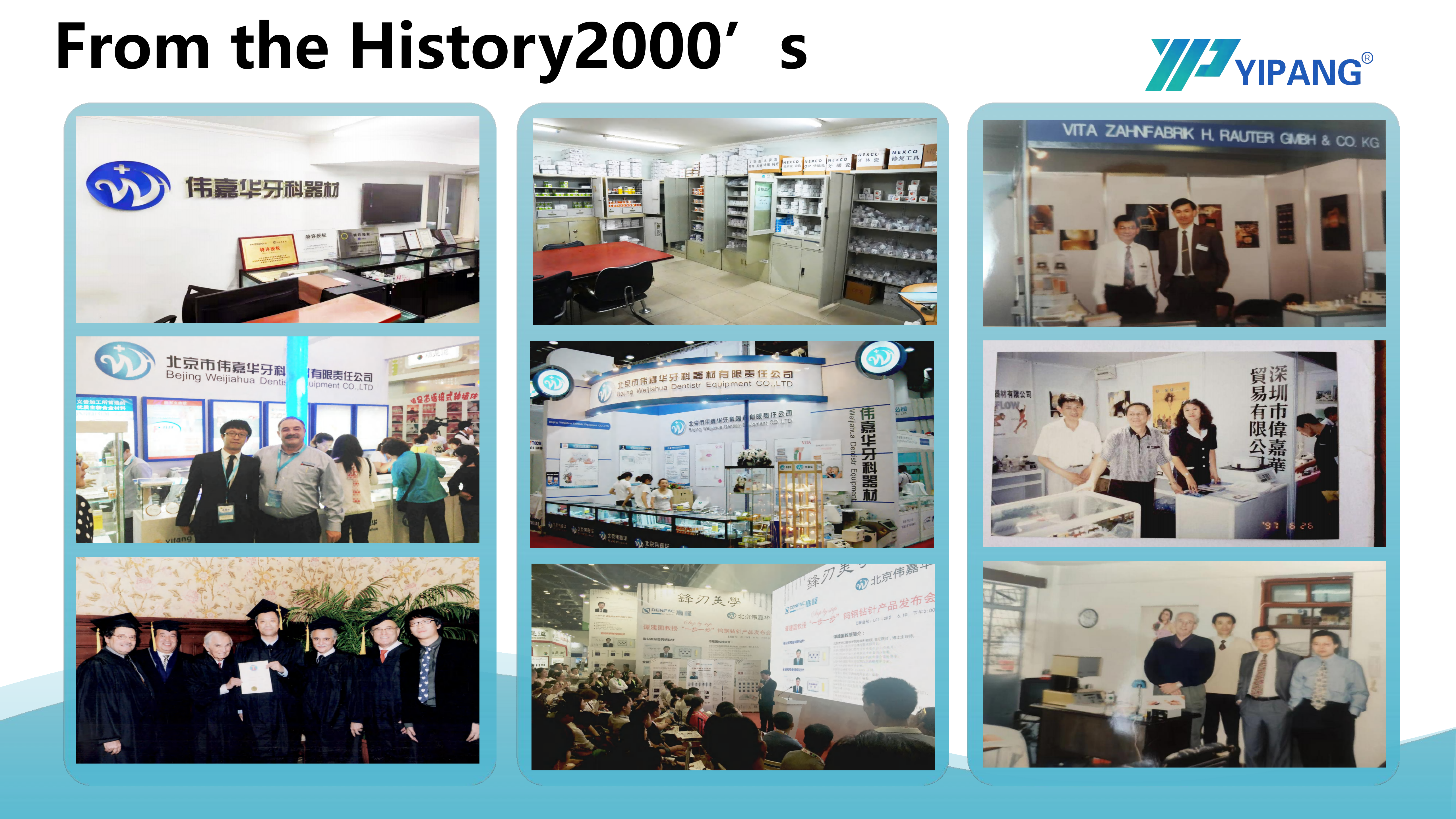
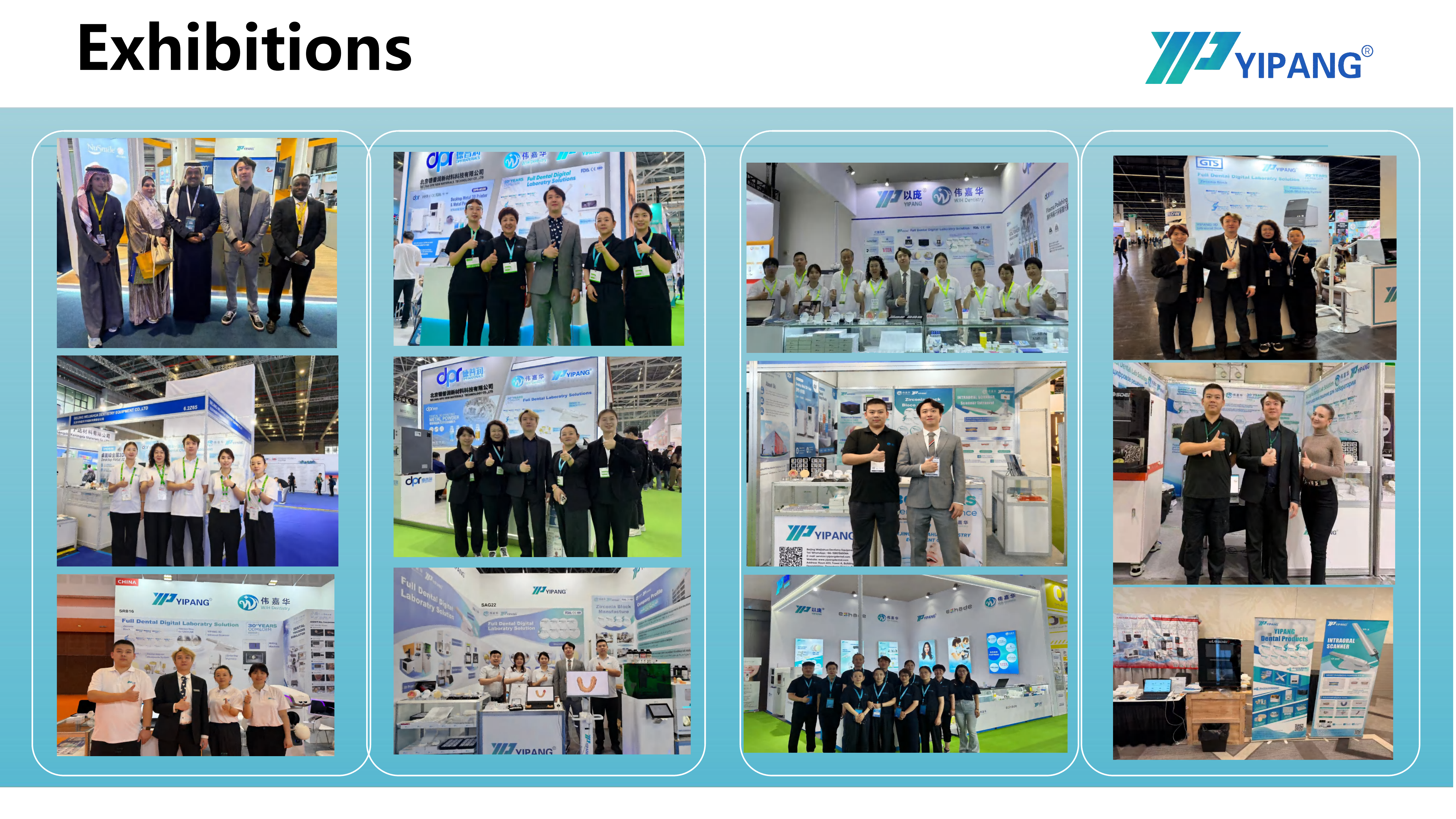
YIPANG — Beijing Weijiahua Dentistry Equipment Co., Ltd. Established 1996 · 2,000 m² facility · 80 employees · 25 professional engineers working on dental material formula research, process optimization and new product development · annual output of 10 million US dollars · export share 40%–55% · markets include the Middle East, Southeast Asia, South America, North America, Eastern Europe, North Africa and Australia · more than 1,000 dental laboratory customers in China.
Email: service@yipangdental.com · Tel / WhatsApp: +86 158-0156-5064 · Website: www.yipangdental.com · Address: Room 603, Tower A, Building 1, No. 22A Dongsishitiao, Dongcheng District, Beijing, China.
Product names, model designations and specifications referenced in this article follow the manufacturer’s published data for 4D-PRO-ML.
Have Questions or Need More Details?
Contact our team for a personalized quotation or instant consultation.
Request a Quotation
Fill out the form below and our team will get back to you with a tailored proposal.
WhatsApp Direct Chat
Prefer to chat in real-time? Message us on WhatsApp for instant assistance & quick answers.
- Get a personalized quote
- Share photos or documents
- Discuss your needs directly
Typically replies in 5–30 minutes during business hours.