
Selecting Between Disc and Block Formats of Dental Zirconia Materials in CAD/CAM
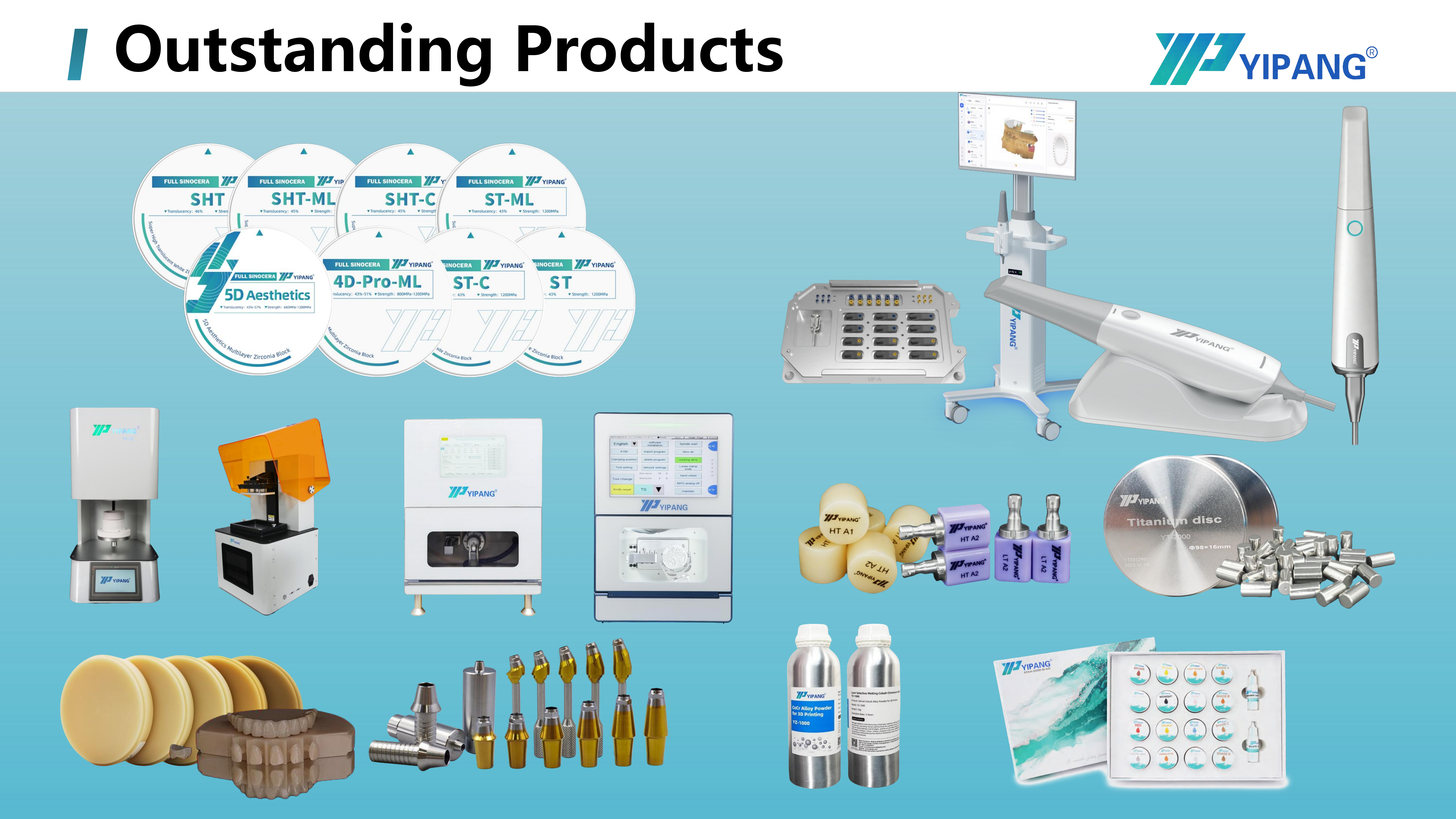
In CAD/CAM dental zirconia, the choice between a disc-format blank and a block-format blank is normally decided by the milling machine before it is decided by the material. A 98 mm disc is the standard blank geometry for open dental milling systems that accept a circular holder, while a block is the geometry used by mill types whose holder accepts only a smaller, maker-defined blank. The zirconia inside both formats can belong to the same yttria-stabilized material family.
That asymmetry is visible on the supply side. According to Grand View Research, zirconia discs held the largest revenue share of the zirconia-based dental materials market in 2025, at 63.1 percent, and CAD/CAM milling accounted for 82.4 percent of process revenue that year. Disc-format blanks are therefore stocked broadly by material suppliers, whereas block-format blanks tend to be tied to the platform that accepts them.
This article sets out how a dental laboratory, milling center or distributor should select between the two formats: which machine constraints decide the answer, how thickness and layer orientation affect output, why implant-supported full-arch superstructures demand additional precision, and what YIPANG supplies in the 4D-PRO-ML zirconia blank range.
Problem Definition: Format Choice Is a Production Risk, Not a Preference
Two blanks produced from the same yttria-stabilized zirconium dioxide can behave very differently on the bench, because the format determines four production variables: how the blank is clamped inside the machine, how many restorations can be nested on one blank, how the layered structure of the material is oriented relative to the design, and how much material is consumed per case.
Four failure modes appear repeatedly when a blank format is selected as an afterthought:
- Blank and holder mismatch. A blank that the machine holder cannot accept cannot be milled at all. This filter is defined by the mill, and no material specification can override it.
- Thickness mismatch. Blanks are supplied in a fixed thickness ladder. When the tallest section of a long-span bridge or a full-arch framework exceeds the usable thickness, the technician is pushed into reducing connector height or splitting the design.
- Layer orientation error. In a gradient multilayer blank, the shade transition runs through the thickness of the blank. If a framework is nested without a consistent orientation rule, the aesthetic and structural result varies across one and the same bridge.
- Documentation gap. In regulated markets, quality certification must attach to the product actually shipped, not to a general supplier portfolio.
The practical framing is therefore sequential: first the machine, second the case mix, third the material and its documentation. Buyers who invert this order usually end up evaluating grades and translucency values for a blank their mill cannot hold.
Industry Background: Disc Supply Is Deeper Than Block Supply
The global zirconia-based dental materials market was valued at USD 1.2 billion in 2025 and is projected to reach USD 2.3 billion by 2033, according to Grand View Research. Within that market, discs held the largest revenue share at 63.1 percent in 2025, 3Y-TZP held the largest grade share at 35.9 percent, and dental laboratories remained the dominant end users, accounting for 45.3 percent of market share. The United States alone represented 40 percent of revenue. Total market size estimates differ by source scope, so definitions are worth comparing before a figure is used in procurement planning.
On the equipment side, the dental milling machine market reached USD 2.45 billion in 2025 and is expected to grow to USD 3.9 billion by 2030, per Fortune Business Insights. Roland DG, Amann Girrbach and vhf camfacture were identified as significant market share holders in the dental milling machine sector as of 2024. The consequence for blank selection is straightforward: the installed base is split between open systems that accept a 98 mm disc and closed or proprietary systems that accept only the blank format defined by the machine maker.
Implant work raises the stakes further. The final abutment market was valued at nearly USD 2.6 billion in 2025 according to iData Research, and Institut Straumann held over 29 percent of the global dental implants and abutment systems market in 2024 per Global Market Insights. Implant-supported full-arch restorations are the segment where a format or orientation error is least forgiving, because several implant interfaces must align inside one milled and sintered piece.

Detailed Solution: Matching Format to Mill Type, Then to Case Type
Disc format: how it behaves in the machine
A disc-format blank is a round blank. In the YIPANG 4D-PRO-ML range that means 98 mm in diameter with thickness options of 10 mm, 12 mm, 14 mm, 16 mm, 18 mm and 20 mm. In most open milling systems the disc is held by its outer circumference inside a circular clamping ring, and the CAM software machines downward from the top face of the blank. Because the working surface is wide and flat, several units can be nested on a single blank, and a long-span framework can be positioned so that its full length follows one consistent orientation.
Disc format therefore suits work in which blank changes are expensive: batch production, multi-unit bridges, full-arch frameworks, and laboratories running open 4-axis or 5-axis wet mills. YIPANG product data states that the 4D-PRO-ML disc is compatible with most mainstream dental milling machines.
Block format: what it is designed for
Block-format blanks are smaller blanks whose geometry, thickness and holder interface are defined by the milling machine manufacturer. They are generally used where the working envelope or clamping system of the machine does not accept a 98 mm disc, and where the daily case mix centres on single units or short spans rather than on batches.
For a buyer, the block question is a supply question before it is a material question. The format has to be matched to the mill platform, and shade range, availability and lead time need to be verified against the machine maker specification or against a third-party supplier prepared to match that geometry. When a mill accepts only proprietary blanks, the material choice is narrowed by the platform long before quality is compared.
Why implant-supported full-arch superstructures need extra precision
A full-arch implant superstructure connects several implant interfaces inside one milled and sintered component. Misalignment that a single crown would absorb is accumulated instead, which is why full-arch work justifies a stricter workflow than single-unit production. Extra precision is applied at four points:
- Thickness margin. The blank must cover the tallest section of the framework plus machining allowance, which means working from the top of the available thickness ladder rather than from the average.
- Nesting orientation in a multilayer blank. The shade gradient should run consistently across the whole arch instead of diagonally across it.
- Sintering discipline. The specified heating and holding curve must be followed without shortcuts; this is where low shrinkage behaviour and accuracy are actually confirmed.
- Dimensional verification after sintering. For full-arch work this is a standard step, not an exception applied only to problem cases.
What YIPANG supplies for CAD/CAM zirconia milling
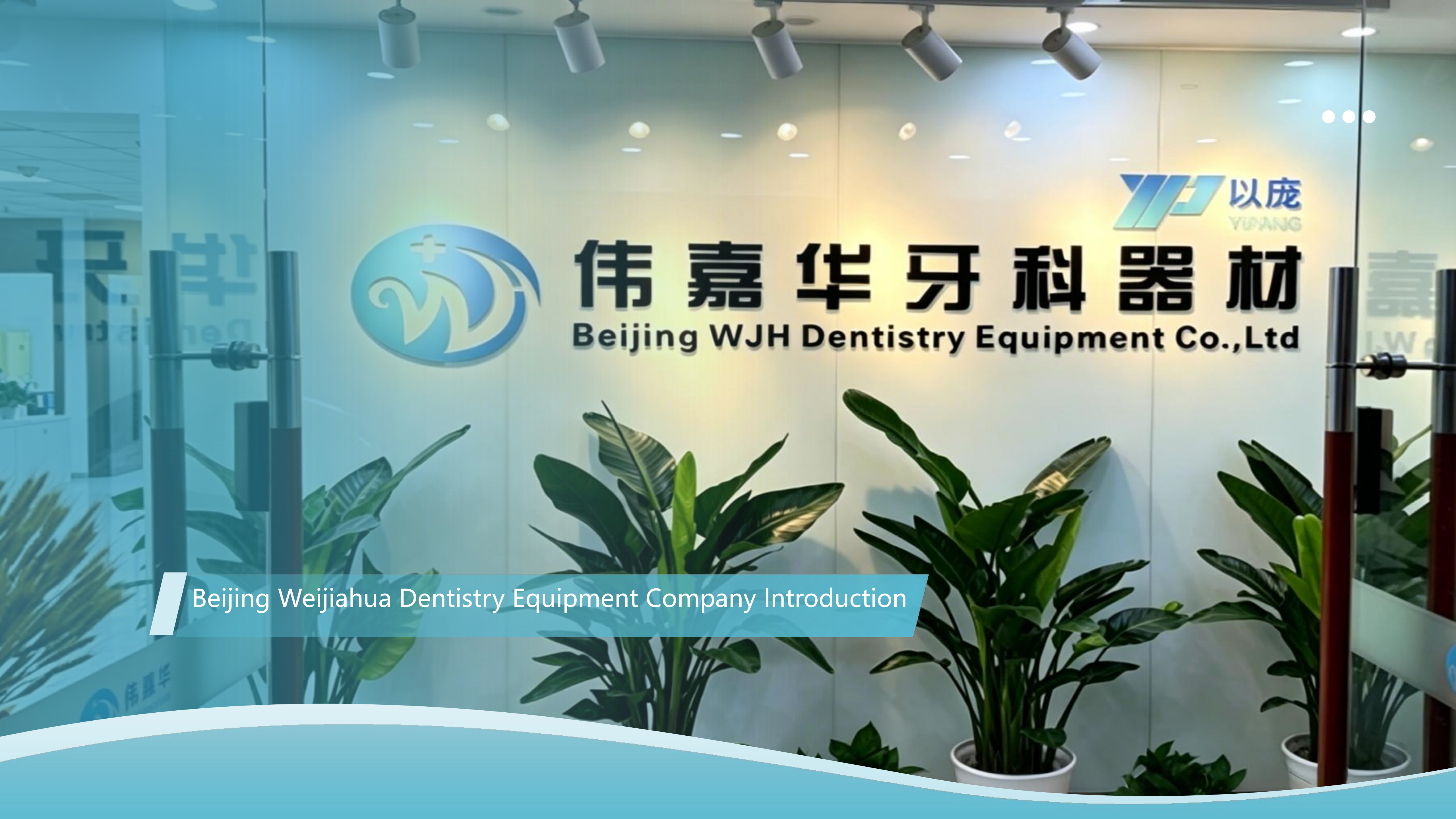
YIPANG is the self-developed dental brand of Beijing Weijiahua Dentistry Equipment Co., Ltd., a Beijing-based dental equipment and materials company established in 1996 that supplies dental laboratories, clinics and distributors.
The relevant product for this comparison is the Zirconia Blocks for Dental Prosthesis, model 4D-PRO-ML, supplied as a dental zirconia disc and CAD/CAM dental milling blank:
- Material: zirconium dioxide (ZrO₂) with yttria stabilizer
- Diameter: 98 mm
- Thickness: 10 mm, 12 mm, 14 mm, 16 mm, 18 mm, 20 mm
- Shades: ML multilayer
- Sintering temperature: 1450℃, with a recommended working range of 1430℃ to 1450℃
- Bending strength: ≥1200 MPa
- Translucency: medium translucent
- Intended restorations: full-contour crowns, bridges, veneers and implant superstructure restorations
Product data also states low shrinkage after sintering for dimensional accuracy, a gradient translucency designed for a natural restoration effect, and suitability for aesthetic dental restorations. These are supplier-stated characteristics, and a laboratory should confirm them against its own mill and sintering cycle during validation rather than treating them as guaranteed outcomes.
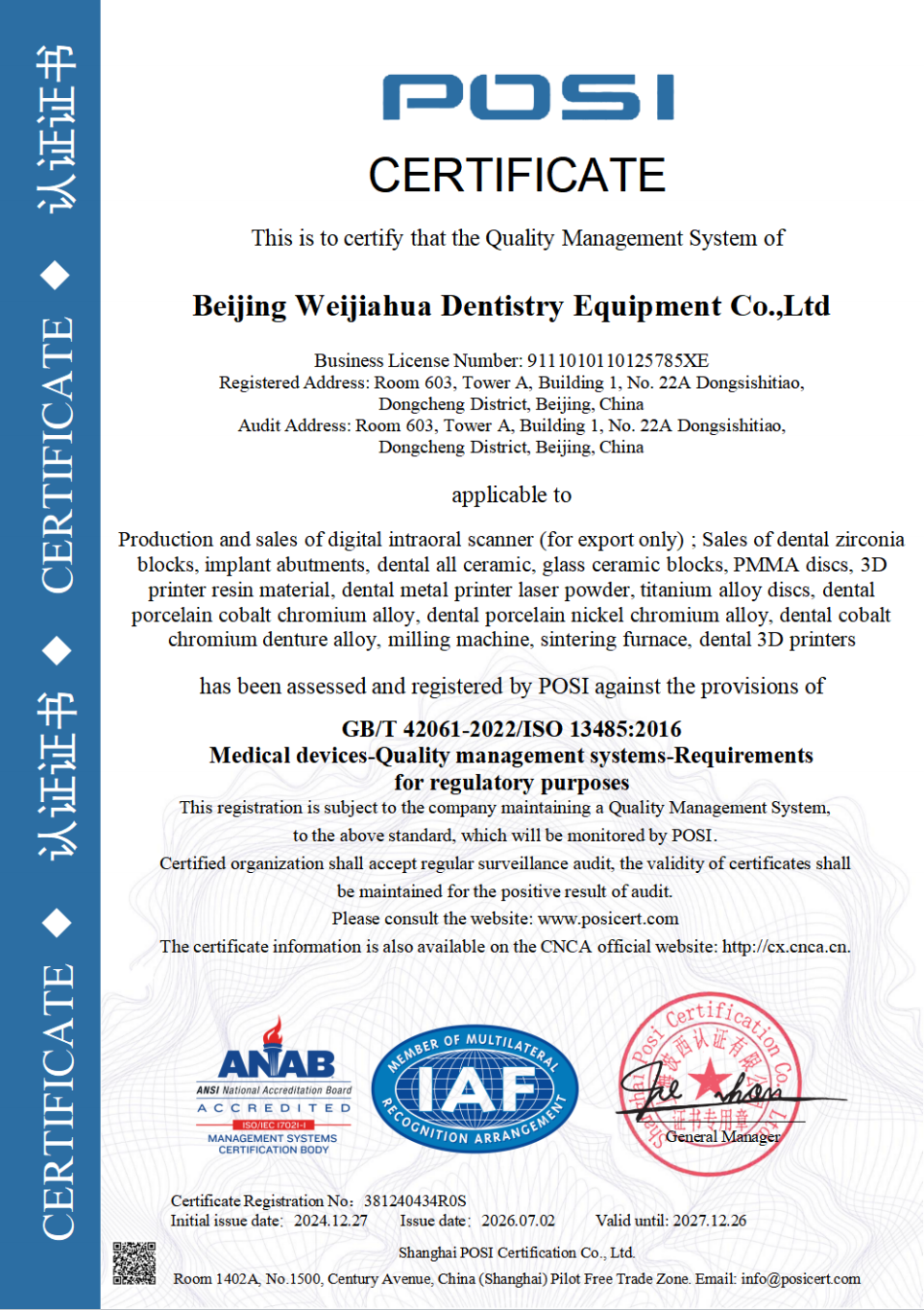
On quality documentation, the Zirconia Blocks for Dental Prosthesis product is certified to ISO 13485:2016 under certificate number 381240434R0S, issued by Shanghai POSI Certification Co., Ltd. The applicable standard is GB/T 42061-2022 / ISO 13485:2016, the certification scope covers design, production and sales of dental medical materials and dental equipment, and the certificate is valid from 2024-12-27 to 2027-12-26 for the Global, EU, USA and Middle East markets.
Supply-side facts that matter for planning include a monthly capacity of 15,000 pieces, a lead time of 15–30 working days, a negotiable small MOQ, 100 percent raw material inspection plus finished product random inspection, and online technical guidance with an after-sales response within 24 hours. YIPANG export markets include the USA, Europe, Brazil, the Middle East and North Africa, and the company reports hundreds of long-term cooperative laboratory, clinic and distributor clients, with uniform translucency, stable sintering shrinkage and compatibility with most CAD/CAM systems cited as recurring feedback.
This range is supplied in disc format. Where a milling machine requires a different blank geometry or holder interface, YIPANG states that almost all specifications can be customized under its OEM/ODM model. Exact geometry, interface and packaging should be confirmed in writing with both the mill supplier and the blank supplier before a production run is committed.
Step-by-Step: From Machine Check to Sintered Framework
- Confirm the holder interface first. Establish whether the mill accepts a 98 mm disc or only a maker-defined block. Every other decision depends on this answer.
- Classify the case mix. Count single units, multi-unit bridges and full-arch frameworks over a typical month. If full-arch work is regular, plan stock around the thickest blank the design range will require.
- Set the thickness from the available ladder. Choose from 10, 12, 14, 16, 18 or 20 mm, and add machining allowance on top of the highest section of the restoration.
- Decide shade and layer orientation together. For ML multilayer blanks, define the orientation rule once and record it in the CAM template so that every technician nests frameworks the same way.
- Match burs and machining parameters to zirconia. Use a bur set and a machining strategy intended for zirconia, and replace worn burs based on condition rather than on a fixed unit count.
- Sinter on the specified curve. For 4D-PRO-ML the recommended range is 1430℃ to 1450℃ with a standard heating and holding procedure, followed by natural cooling. Avoid rapid temperature change to prevent cracking, and never exceed the maximum sintering temperature.
- Verify fit and finish after sintering. Check implant interface fit on full-arch frameworks and inspect the shade transition across the span before the case leaves the finishing bench.
- Control documentation and restocking. Keep lot traceability against the ISO 13485 certified product, and plan replenishment against the 15–30 working day lead time and the negotiable small MOQ.
Use Cases: Where Each Format Fits
- Single-unit chairside or small laboratory. If the mill accepts only proprietary blanks, block format is the only option and the selection work shifts to blank supply reliability. If the mill is open, small nested batches on a disc keep throughput predictable.
- Multi-unit bridges in an open milling center. Disc format at a mid-range thickness is the natural choice, because several units plus a bridge can be nested on one blank and the shade gradient can be oriented along the span.
- Implant-supported full-arch superstructures. Disc format at the top of the thickness ladder, with a fixed nesting orientation rule and a verified sintering cycle. This is the case type that justifies the extra precision described above.
- Aesthetic anterior restorations. Multilayer gradient blanks in ML multilayer shades, where orientation planning determines whether the incisal transition lands correctly.
- High-volume production and OEM programmes. Where a private-label or custom specification is required, an OEM/ODM model with a negotiable small MOQ and a 15–30 working day lead time allows a material change to be tested without a large stock commitment.
- Distributor stocking. Disc format carries the wider cross-machine reach; distributors should weigh certification documentation, shade depth and lead time alongside unit cost, because a blank that a customer machine cannot accept has no resale value.
Comparison: Disc and Block Formats Side by Side
| Selection factor | Disc format (YIPANG 4D-PRO-ML) | Block format (general characteristics) |
|---|---|---|
| Blank geometry | 98 mm diameter; thickness 10, 12, 14, 16, 18 or 20 mm | Geometry and holder interface defined by the milling machine manufacturer; confirm with the machine supplier |
| Machine fit | Stated compatible with most mainstream dental milling machines | Limited to mills designed to accept that blank type |
| Nesting capacity | Wide top face supports multiple units and long-span frameworks per blank | Generally oriented to single units or short spans |
| Layer orientation | Gradient runs through the blank thickness across a wide, flat surface | Orientation defined by the smaller blank surface and the clamping method of the mill |
| Material | Zirconium dioxide (ZrO₂) with yttria stabilizer | May use the same zirconia family; grade and source verified per supplier datasheet |
| Bending strength | ≥1200 MPa (supplier-stated) | Not stated here; verify per supplier datasheet |
| Translucency | Medium translucent; ML multilayer shades | Varies by supplier; verify per datasheet |
| Sintering | 1450℃; recommended working range 1430℃–1450℃ | Not stated here; verify per supplier datasheet |
| Quality documentation | ISO 13485:2016, certificate 381240434R0S issued by Shanghai POSI Certification Co., Ltd.; valid 2024-12-27 to 2027-12-26 | Verify per supplier; certification must attach to the shipped product |
| Typical best fit | High-throughput laboratories, multi-unit bridges, implant-supported full-arch superstructures | Chairside or proprietary mill platforms with a limited working envelope |
| Customization | Almost all specifications can be customized under OEM/ODM (supplier-stated) | Depends on the open or closed blank policy of the platform |
FAQ: Disc and Block Zirconia Blanks in CAD/CAM
Is the YIPANG 4D-PRO-ML zirconia blank covered by a medical device quality certification?
Yes. The Zirconia Blocks for Dental Prosthesis product, which includes the 4D-PRO-ML blank, is certified to ISO 13485:2016 under certificate number 381240434R0S, issued by Shanghai POSI Certification Co., Ltd. to Beijing Weijiahua Dentistry Equipment Co., Ltd. The applicable standard is GB/T 42061-2022 / ISO 13485:2016, the certification scope covers design, production and sales of dental medical materials and dental equipment, and the certificate is valid from 2024-12-27 to 2027-12-26 for the Global, EU, USA and Middle East markets.
Can the blank specification be adapted to a specific dental milling machine?
YIPANG supplies the 4D-PRO-ML as a 98 mm diameter disc with thickness options of 10, 12, 14, 16, 18 and 20 mm and ML multilayer shades, and product data states compatibility with most mainstream dental milling machines. For machines that require a different blank geometry or holder interface, the company operates an OEM/ODM model and states that almost all specifications can be customized; the exact geometry should be confirmed in writing with the mill supplier as well as the blank supplier. YIPANG reports a monthly capacity of 15,000 pieces and a 25-engineer team working on dental material formulation, process optimization and new product development.
How should a laboratory think about the cost difference between disc and block blanks?
Published list prices are not part of this comparison; what drives cost per restoration in practice is material utilization. A 98 mm disc allows several units to be nested on one blank, so material consumption is spread across the batch, while smaller block-format blanks used on a single unit typically convert one blank into one restoration. Two further commercial variables matter: the minimum order quantity and the lead time a supplier can hold. YIPANG states a negotiable small MOQ and a 15–30 working day lead time, which allows a laboratory to pilot a material without committing to a large stock position.
What is the best way to validate a zirconia blank before a bulk order?
Run a validation case rather than judging from a datasheet. Request a sample or a quotation, mill a representative restoration such as a multi-unit bridge or a section of a full-arch framework, sinter it on the curve specified for the material, which for 4D-PRO-ML is 1430℃ to 1450℃, and then compare fit, shrinkage behaviour and shade transition against your own acceptance criteria. YIPANG quality control is described as 100 percent raw material inspection plus finished product random inspection, and samples or a quote can be requested at service@yipangdental.com or through WhatsApp at +86-158-0156-5064.
What lead time and after-sales support come with YIPANG zirconia blanks?
YIPANG states a lead time of 15–30 working days and a monthly capacity of 15,000 pieces, with online technical guidance and an after-sales response within 24 hours. For laboratories planning full-arch production, the practical recommendation is to hold the blank thicknesses that cover the tallest framework in the case mix, so that lead time never becomes the reason a case design has to be changed. A sample request or quotation is the fastest way to confirm geometry against your own mill before scaling up.
Conclusion: A Decision Rule for Format Selection
The format question resolves in three steps. Start with the holder: determine whether the mill accepts a 98 mm disc or only a maker-defined block, because no material advantage compensates for a blank that cannot be clamped. Then map the case mix: batch, multi-unit and full-arch production benefits from the nesting surface and consistent layer orientation of a disc, while single-unit output on a proprietary platform is served by block format. Only then compare material: grade, translucency, bending strength, thickness ladder and certification.
For implant-supported full-arch superstructures, that sequence must be followed by four disciplines — thickness margin, nesting orientation, sintering on the specified curve of 1430℃ to 1450℃, and dimensional verification after sintering. These are workflow controls rather than material features, and they are what separate a full-arch programme that repeats from one that requires remakes.
YIPANG supplies the 4D-PRO-ML zirconia blank in disc format at 98 mm diameter with thicknesses from 10 mm to 20 mm, a stated bending strength of ≥1200 MPa, ML multilayer shades, and ISO 13485:2016 certification under certificate 381240434R0S, with OEM/ODM customization, a monthly capacity of 15,000 pieces and a 15–30 working day lead time.
Next Step: Validate the Format on Your Own Machine
Confirm the blank geometry against your mill holder before the first production run, then validate material behaviour with a sample case. YIPANG provides online technical guidance and responds to after-sales questions within 24 hours.
Email: service@yipangdental.com | WhatsApp / Tel: +86-158-0156-5064 | Website: www.yipangdental.com
Download the company profile and product information: WJH Company Information (PDF)
Have Questions or Need More Details?
Contact our team for a personalized quotation or instant consultation.
Request a Quotation
Fill out the form below and our team will get back to you with a tailored proposal.
WhatsApp Direct Chat
Prefer to chat in real-time? Message us on WhatsApp for instant assistance & quick answers.
- Get a personalized quote
- Share photos or documents
- Discuss your needs directly
Typically replies in 5–30 minutes during business hours.