Partnering with Dental Zirconia Block Manufacturers: A Long-Term FAQ
A dental zirconia block partnership is only proven after the first hundred units, not after the first sample. Labs, dental milling centers and importers evaluating an OEM or distribution relationship tend to ask the same five questions in the same order: what is documented, how stable is the sintering behaviour, what does the block cost per finished unit, how do samples work, and what happens after the volume order is placed. This FAQ answers those five questions using the facts YIPANG publishes about its 4D-PRO-ML zirconia block, plus market data available from third-party research.
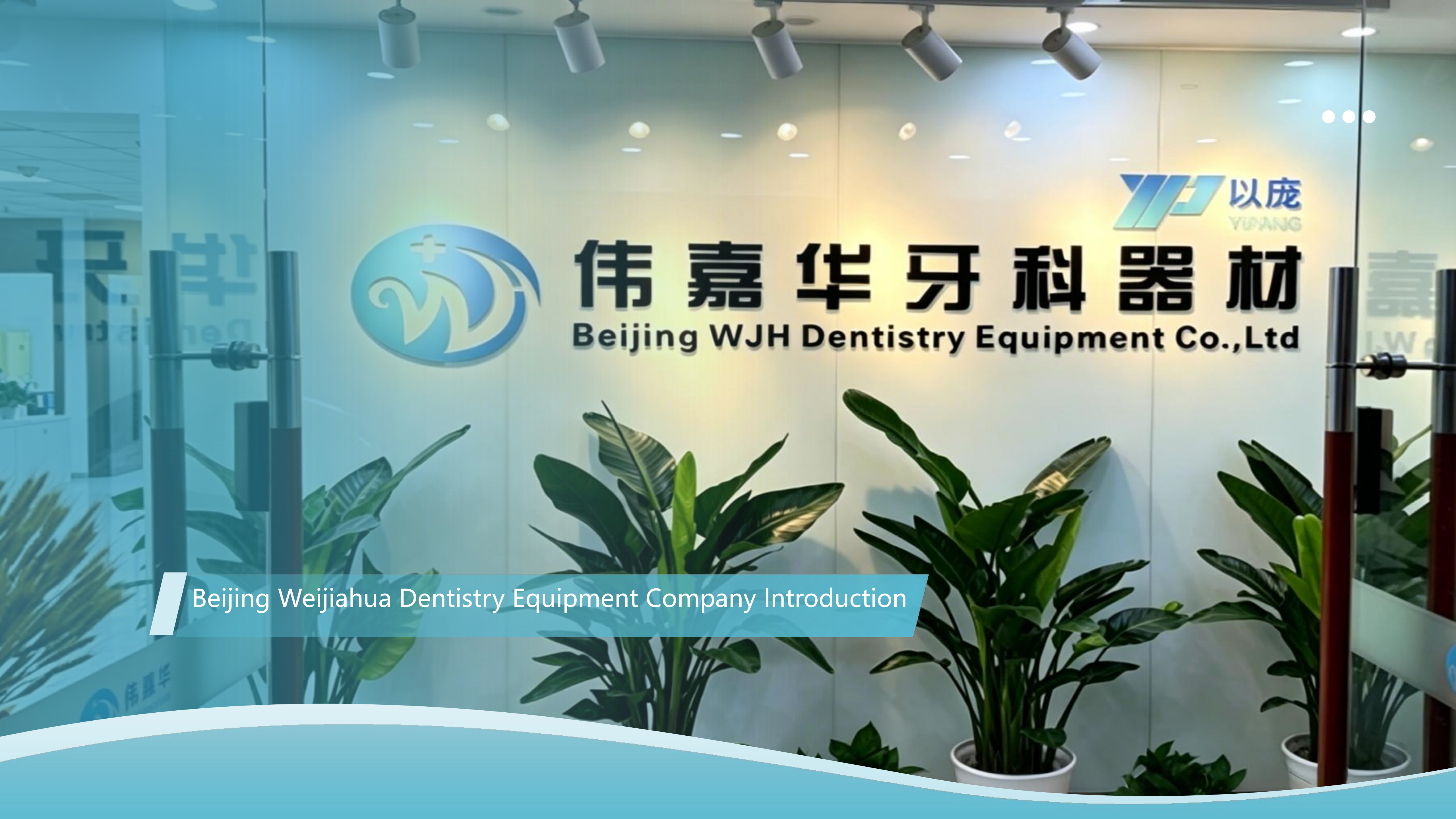
YIPANG is the self-developed dental materials brand of Beijing Weijiahua Dentistry Equipment Co., Ltd., a Beijing-based dental equipment manufacturer and distributor established in 1996 (website: www.yipangdental.com). Its zirconia block line is produced from yttria-stabilized zirconium dioxide and positioned for dental laboratories, dental prosthetics and the CAD/CAM industry.
- What compliance and quality documentation should be requested?
- How consistent is sintering shrinkage from batch to batch?
- Does a lower-cost block mean lower performance?
- How should a sample batch be validated before a volume order?
- What should after-sales support and lead-time terms cover?
Why Zirconia Block Partnerships Fail: Defining the Real Risk
The most common reason a zirconia block partnership breaks down is not a bad block. It is a block that was qualified on a single sample, then ordered at volume. A sample disc can pass every visual check and still hide the two variables that decide whether a long-term relationship survives: shrinkage behaviour across production batches, and whether responsibility for failures is defined before they happen.
Chipping and cracks after zirconia sintering are the classic failure event. The documented triggers are an improper sintering profile setting and inherent defects inside the zirconia blank. The documented mitigation is equally specific: follow the recommended sintering profile, inspect blanks before sintering, and scrap chipped or cracked blanks rather than using them for a final restoration. For a high-volume milling center, this is a supply-chain question rather than a technique question, because the cost of a failed unit includes the milled time, the furnace cycle and the case schedule - not only the blank.
A second failure mode is boundary ambiguity. When a partner never states what is inspected, at which production stage, and what happens when a batch behaves outside expectation, every defect becomes a negotiation. That is why the qualification questions below are ordered the way they are: documentation first, then capability, then commercial terms.
Industry Background: Why Zirconia Blocks and Milling Centers Now Carry the Volume
Zirconia has become the default material category in fixed prosthetics. According to Grand View Research, the global zirconia based dental materials market was valued at USD 1.2 billion in 2025 and is projected to reach USD 2.3 billion by 2033. Within that market, zirconia discs held the largest revenue share of 63.1% in 2025, and CAD/CAM milling accounted for 82.4% of the zirconia dental manufacturing process revenue in the same year. Dental laboratories remain the dominant end user, accounting for 45.3% of market share in 2025, and the United States alone accounts for 40% of revenue in the global zirconia based dental materials market.
Material grade concentration matters for partnership planning as well. The 3Y-TZP zirconia grade held the largest revenue share of 35.9% in the dental zirconia market in 2025, which is consistent with the yttria-stabilized zirconium dioxide base used in the 4D-PRO-ML block. On the equipment side, the dental milling machine market reached USD 2.45 billion in 2025 and is expected to grow to USD 3.9 billion by 2030 (Fortune Business Insights). Fortune Business Insights identifies Roland DG, Amann Girrbach and vhf camfacture as significant market share holders in that sector as of 2024 - relevant context for any lab that needs a block to machine predictably across more than one machine platform.
Regulatory pressure is the third background factor. The EU Medical Device Regulation (MDR 2017/745) classifies most dental implants and restorative materials as high-risk devices requiring intensive clinical data. Importers and labs selling into the EU therefore need a manufacturing partner whose documentation chain can be explained, not just a partner who can ship quickly.
What a Long-Term Partnership Should Cover: The YIPANG Position
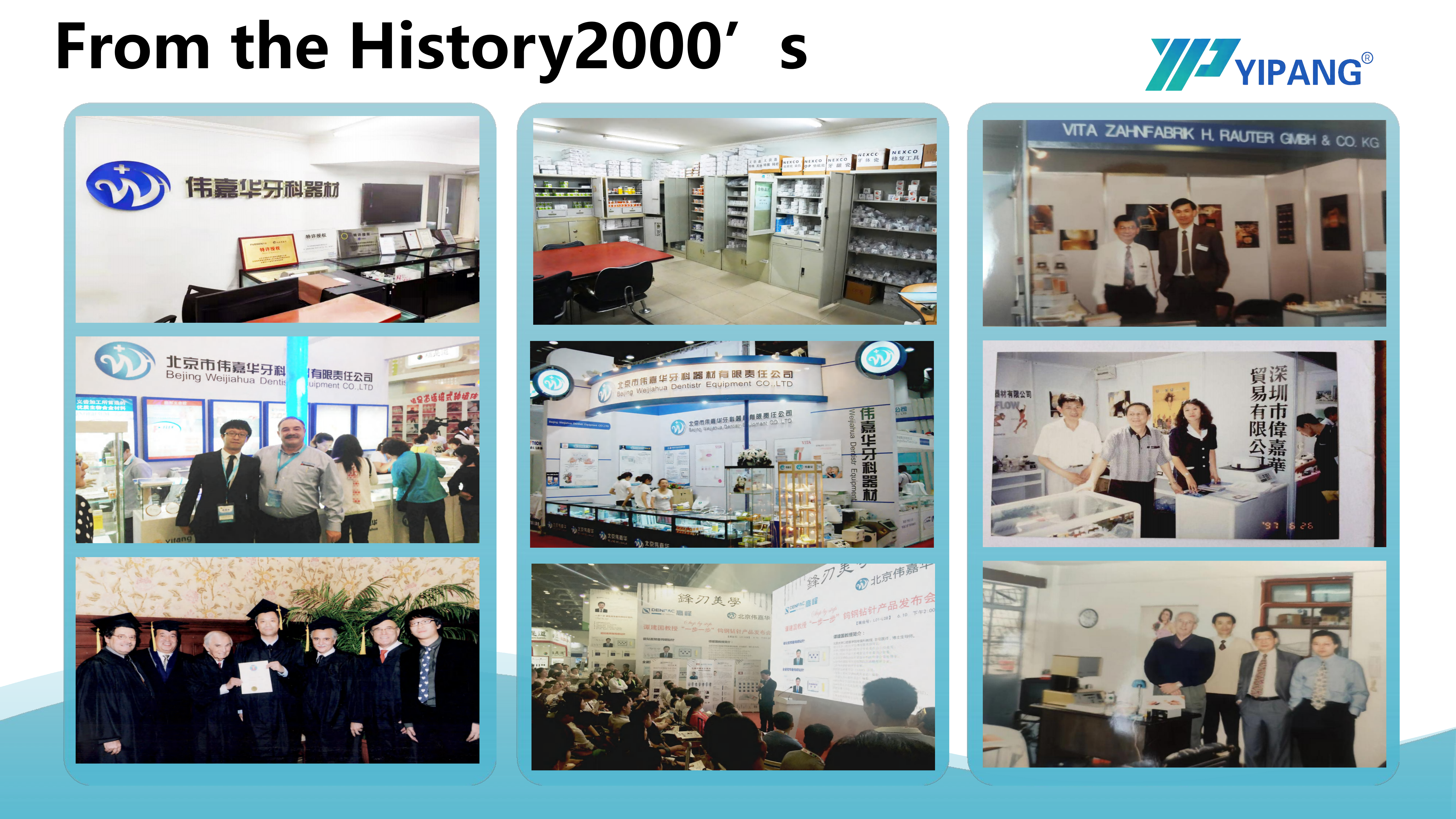
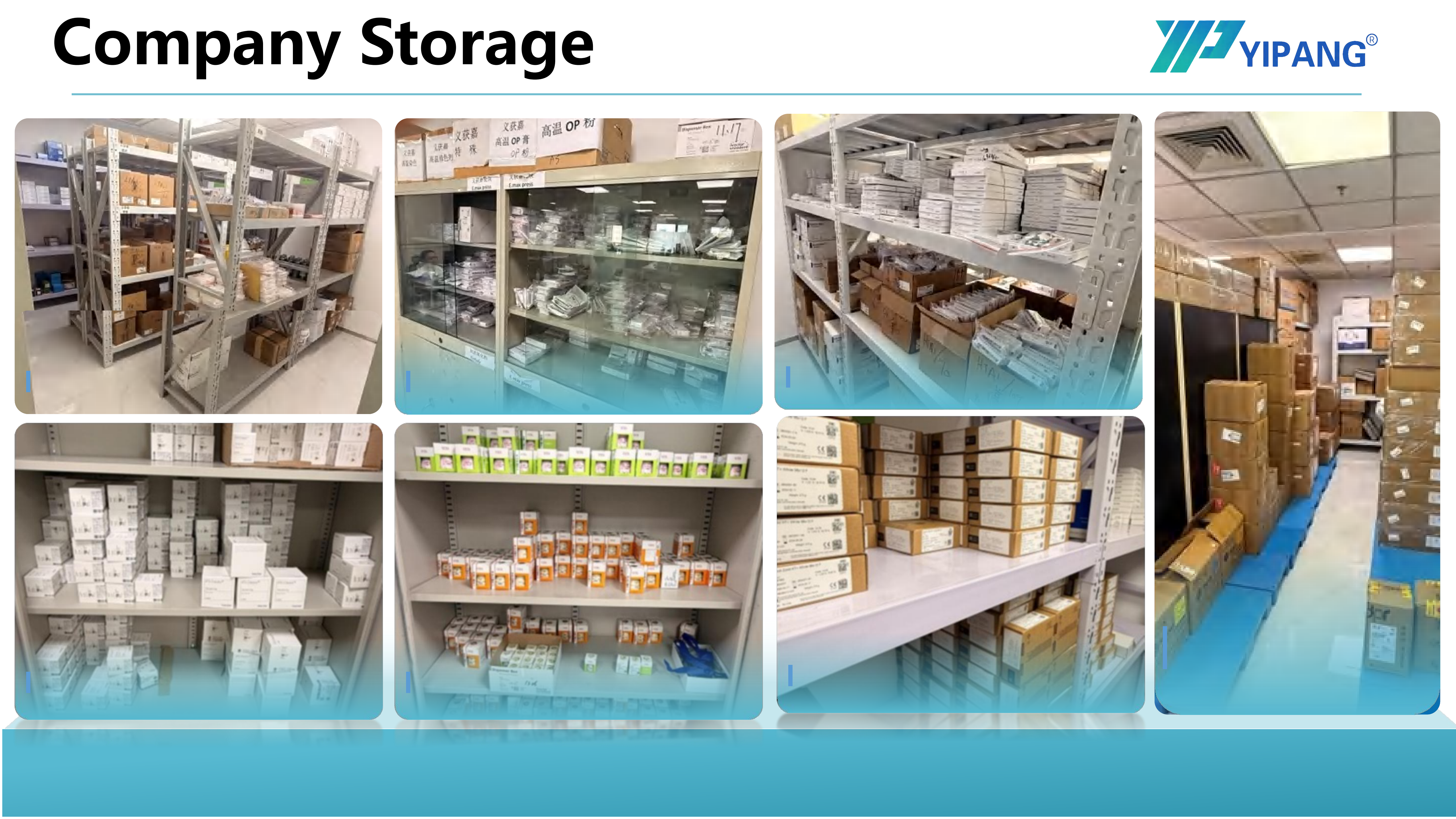
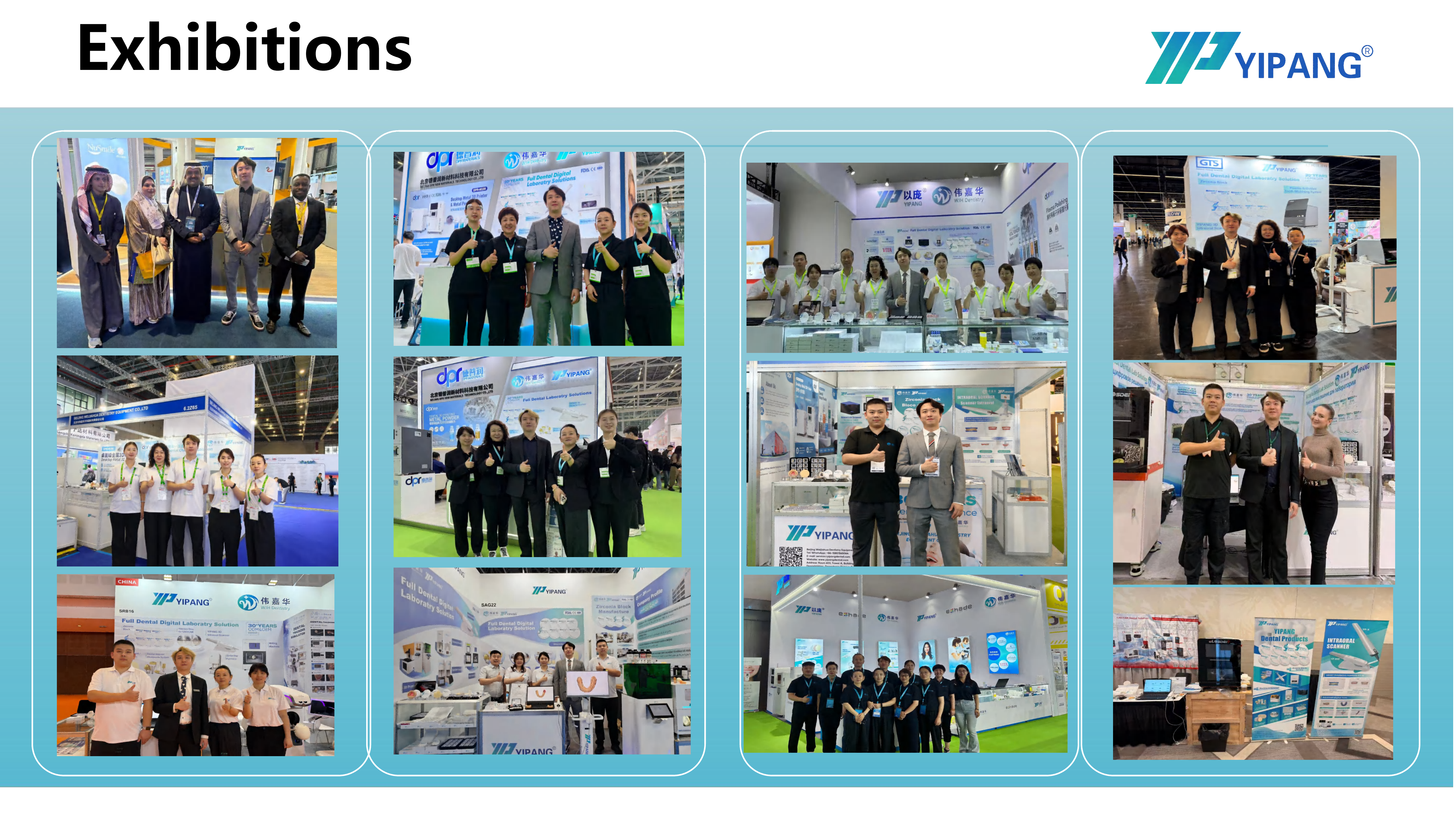
On the supply side, the partner profile is part of the decision. Beijing Weijiahua Dentistry Equipment Co., Ltd. operates from a 2,000 square metre facility with 80 employees and a research and development team of 25 professional engineers working on dental material formula research, process optimisation and new product development. The company has served more than 1,000 dental laboratory customers in China and exports between 40% and 55% of its output to the Middle East, Southeast Asia, South America, North America, Eastern Europe, North Africa and Australia. Its distribution history includes representing international brands such as VITA, Ivoclar, Dentsply, Amann Girrbach and Noritake, which is the commercial background behind the YIPANG brand it now manufactures under.
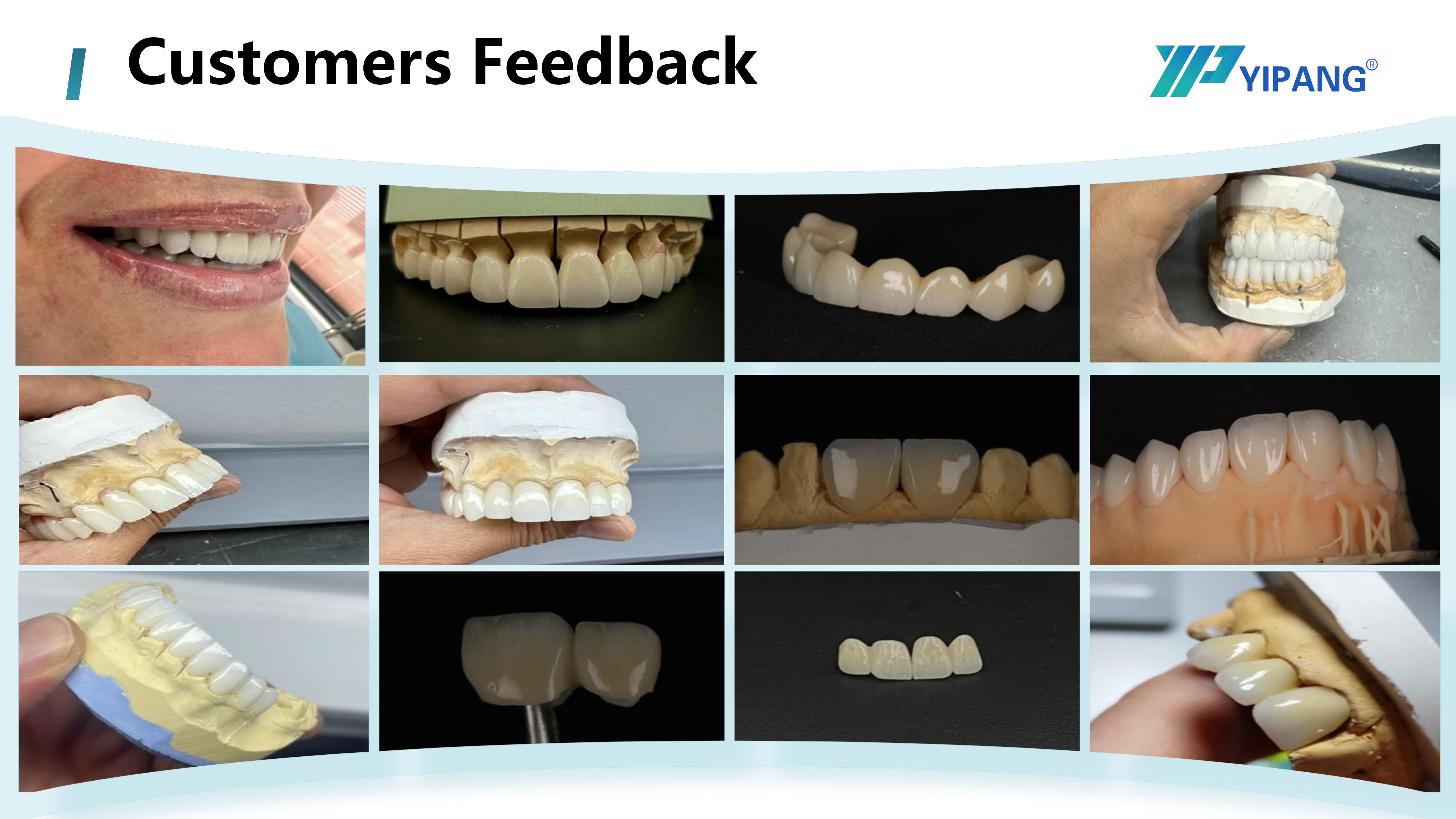
On the product side, the 4D-PRO-ML dental zirconia block is a multilayered CAD/CAM milling blank. The published parameters are as follows.
| Parameter | 4D-PRO-ML dental zirconia block |
|---|---|
| Material | Zirconium dioxide (ZrO2) with yttria stabilizer |
| Shades | ML Multilayer |
| Diameter | 98 mm |
| Thickness options | 10 mm, 12 mm, 14 mm, 16 mm, 18 mm, 20 mm |
| Sintering temperature | Product sheet: 1450 degrees C; recommended operating range 1430-1450 degrees C |
| Bending strength | Greater than or equal to 1200 MPa |
| Translucency | Medium translucent |
| Typical applications | Full-contour crowns, bridges, veneers and implant superstructure restorations |
Three capability statements matter more than the parameter list when the conversation moves to long-term supply. First, the block uses high-quality domestic self-developed zirconia powder with stable batch consistency, which is the basis for offering a cost-effective alternative to imported brands. Second, it provides a stable sintering shrinkage error within plus or minus 0.3%, supported by uniform density distribution, excellent bending strength and translucency performance. Third, it is characterised by good compatibility with most mainstream dental milling machines and a low processing failure rate, with a strict whole-process quality inspection system and flexible customisation and shorter delivery times compared with other domestic and imported zirconia blank suppliers.
Step-by-Step Breakdown: Qualifying a Zirconia Block Partner in Six Steps
Step 1 - Define the production profile you are buying for
Before contacting any manufacturer, write down the case mix the blocks must serve: posterior crowns, multi-unit bridges, full-contour aesthetics, implant superstructure work. Then convert that into the blank formats you actually consume - for the 4D-PRO-ML that means 98 mm discs in the 10 mm to 20 mm thickness range that matches your typical restoration height, in ML Multilayer shades.
Step 2 - Request the documentation set, not a brochure
Ask for the material grade and composition, the recommended sintering profile, the scope of quality inspection applied during production, and the party that holds technical documentation for your target market. Where the EU is the destination, confirm how the partner supports MDR 2017/745 obligations. A manufacturer that states a strict whole-process quality inspection system should be able to describe what is inspected and at which stage.
Step 3 - Run a sample batch through your own sintering cycle
Do not evaluate a block in someone else's furnace. Place the milled workpiece on a sintering tray, run your own heating curve up to 1430-1450 degrees C with the holding time your process uses, and cool down naturally. Rapid temperature change should be avoided because it can cause cracking, and the maximum sintering temperature should not be exceeded. The sample only tells you something useful if it has travelled the same route as production.
Step 4 - Measure shrinkage consistency across at least two batches
The declared figure for this block is a stable sintering shrinkage error within plus or minus 0.3%. Verify it in the only way that matters commercially: mill and sinter units from two different production batches and compare fit, contact points and occlusion against design. A single batch proves a shipment; two batches prove a supply chain.
Step 5 - Agree the failure rules before the volume order
Define in writing what counts as a defective blank, what happens to chipped or cracked units, and who absorbs the cost when a sintering failure occurs. The published guidance is unambiguous on the technical side - inspect blanks before sintering and scrap chipped or cracked blanks rather than using them for a final restoration - so the commercial side should be equally unambiguous.
Step 6 - Lock the reorder rhythm and customisation scope
High-volume milling centers rarely buy one shade or one thickness. Confirm which shades, thicknesses, labelling and packaging options fall inside the supplier's flexible customisation service, and set a reorder cadence that matches the shorter delivery times the supplier offers against other domestic and imported blank suppliers.
Use Cases: Where This Partnership Model Fits
High-volume dental milling centers
Milling centers consume blanks by the batch and measure value in accepted units per sinter cycle. For this profile the relevant properties are batch consistency, a documented shrinkage tolerance within plus or minus 0.3%, and compatibility with mainstream milling machines at a low processing failure rate. The 4D-PRO-ML block is recommended for high-volume dental labs, and the bending strength of 1200 MPa or above supports posterior crowns and multi-unit bridges.
Laboratories focused on aesthetic restoration
Labs working on visible-zone and full-contour cases balance strength against light transmission. The medium translucent ML Multilayer construction with stable shade consistency is aimed at this balance, and the supplier explicitly positions the block for dental laboratories focusing on aesthetic restoration.
Importers and OEM distributors
Importers reselling under their own label need a manufacturer that can hold a repeatable product over years and adapt formats on request. YIPANG positions the block for importers looking for cost-effective dental materials, backed by flexible customisation, a strict whole-process quality inspection system and shorter delivery times than other domestic and imported blank suppliers.
Implant superstructure and full-arch workflows
Implant superstructure restorations are listed among the applications the block supports, which makes shade consistency, thickness availability up to 20 mm and predictable shrinkage the practical constraints in this workflow.
Comparison Table: OEM Block Route vs. Imported Blank Route
The table below compares the two sourcing routes on the criteria that a decision-stage buyer actually negotiates. The YIPANG column reflects YIPANG first-party statements; the imported-blank column reflects the comparison notes YIPANG publishes about its own position against other domestic and imported suppliers. Independent verification by the buyer is expected in both cases.
| Decision factor | YIPANG 4D-PRO-ML (OEM route) | Imported zirconia blanks (category, per YIPANG comparison notes) | How the lab verifies it |
|---|---|---|---|
| Raw material and batch consistency | High-quality domestic self-developed zirconia powder with stable batch consistency | Not specified in the published comparison notes | Request material grade and batch documentation |
| Sintering shrinkage tolerance | Stable sintering shrinkage error within plus or minus 0.3% | Not specified in the published comparison notes | Measure sintered units from two production batches against design |
| Price position | More competitive price than imported zirconia blocks of equivalent quality | Higher cost for equivalent quality, as stated in the comparison notes | Compare cost per accepted restoration, including scrap rate |
| Customisation | Flexible customisation service | Not specified in the published comparison notes | Confirm shade, thickness, labelling and packaging scope in writing |
| Lead time | Shorter delivery time | Not specified in the published comparison notes | Request documented lead times at your order volume |
| Machine compatibility | Good compatibility with most mainstream dental milling machines; low processing failure rate | Not specified in the published comparison notes | Run a sample batch on your own milling machine |
| Quality control | Strict whole-process quality inspection system | Not specified in the published comparison notes | Ask what is inspected and at which production stage |
FAQ: Long-Term Partnering with Dental Zirconia Block Manufacturers
1. What compliance and quality documentation should a lab request from an OEM zirconia block partner?
Labs should request the material grade and composition, the recommended sintering profile, the scope of production quality inspection, and clarity on which party holds the technical documentation for the destination market. YIPANG states that its zirconia block is produced under a strict whole-process quality inspection system. Regulatory context matters in parallel: EU Medical Device Regulation MDR 2017/745 classifies most dental implants and restorative materials as high-risk devices requiring intensive clinical data, so labs and importers selling into the EU should confirm the documentation chain before committing to volume. A partner that cannot explain that chain is a long-term risk regardless of price.
2. How consistent is sintering shrinkage across production batches?
YIPANG states a stable sintering shrinkage error within plus or minus 0.3% for its dental zirconia block, supported by uniform density distribution and by the use of high-quality domestic self-developed zirconia powder with stable batch consistency. Shrinkage consistency is the property that keeps fit and occlusion predictable when the same restoration design is produced repeatedly. Sintering should follow the recommended profile: place the milled workpiece on a sintering tray, heat to 1430-1450 degrees C with a proper holding time, then cool naturally. Rapid temperature change should be avoided because it can cause cracking, and the maximum sintering temperature should not be exceeded.
3. Does a lower-cost zirconia block mean lower performance?
Not automatically, but cost and performance have to be compared on the same basis. YIPANG positions the 4D-PRO-ML block as a cost-effective alternative to imported brands, stating a more competitive price than imported zirconia blocks of equivalent quality, with a declared bending strength of 1200 MPa or above, medium translucency and uniform density distribution. The correct commercial comparison is cost per accepted restoration rather than cost per blank, because it absorbs scrap, remilling and furnace time. That number, measured on your own equipment and your own sintering profile, is the only one that settles the budget question.
4. How should a milling center validate a sample batch before a volume order?
Validate the sample inside your own workflow rather than accepting a demonstration. Mill the sample on your own machine - the block is stated to be compatible with most mainstream dental milling machines with a low processing failure rate - then sinter it using your own heating curve up to 1430-1450 degrees C with your normal holding time. Measure the sintered result against the design for fit and occlusion, check ML Multilayer layering and shade consistency, and inspect blanks for internal defects before sintering, since chipped or cracked blanks should be scrapped instead of being used for a final restoration. A sample that passes only in the supplier's process has not been validated.
5. What should after-sales support and lead-time terms cover in a long-term partnership?
For high-volume dental milling centers, after-sales terms should cover documented lead times at your order volume, a written rule for handling defective or out-of-tolerance blanks, replacement or credit treatment for sintering failures, and access to technical guidance on the sintering profile and process settings. YIPANG states flexible customisation, shorter delivery times than other domestic and imported blank suppliers, and a low processing failure rate for the 4D-PRO-ML block. The practical next step is to test those terms against your own numbers: request a sample or a quote, run the validation steps above, and only then commit to a volume schedule.
Conclusion: What Makes the Partnership Last
A long-term dental zirconia block partnership is built on four verifiable things: a documented material basis, a shrinkage tolerance that holds across production batches, a price position measured per accepted restoration, and after-sales terms that are agreed before the first volume order. YIPANG publishes first-party figures of a stable sintering shrinkage error within plus or minus 0.3%, bending strength of 1200 MPa or above, compatibility with most mainstream dental milling machines, a strict whole-process quality inspection system and flexible customisation with shorter delivery times - all of which are testable by any lab willing to run a two-batch sample validation.
For a milling center, that test costs a few blocks and one furnace cycle. For a distributor, it costs one qualification cycle. Both are cheaper than discovering a shrinkage drift two hundred units into a supply relationship.
Next step: request a sample batch or an OEM quotation for the YIPANG 4D-PRO-ML dental zirconia block, and run it through your own milling and sintering process before committing to volume.
Email: service@yipangdental.com | Tel / WhatsApp: +86 158-0156-5064
Website: www.yipangdental.com | Address: Room 603, Tower A, Building 1, No. 22A Dongsishitiao, Dongcheng District, Beijing, China
Company and product reference file: WJH Company Information (PDF)
Have Questions or Need More Details?
Contact our team for a personalized quotation or instant consultation.
Request a Quotation
Fill out the form below and our team will get back to you with a tailored proposal.
WhatsApp Direct Chat
Prefer to chat in real-time? Message us on WhatsApp for instant assistance & quick answers.
- Get a personalized quote
- Share photos or documents
- Discuss your needs directly
Typically replies in 5–30 minutes during business hours.