Dental Zirconia Blocks for Full-Arch Implant Restorations: An Application Guide for Implant Labs
Short answer: a full-arch or implant-supported zirconia restoration is milled from a 98 mm CAD/CAM zirconia blank and then sintered in a dental sintering furnace under a controlled temperature curve. For the YIPANG 4D-PRO-ML zirconia block, the recommended sintering range is 1430 °C–1450 °C, run with a standard heating and holding procedure and natural cooling. The blank is an yttria-stabilized zirconium dioxide (ZrO₂) disc, 98 mm in diameter, offered in ML multilayer shades and in 10, 12, 14, 16, 18 and 20 mm thicknesses, with a bending strength of ≥1200 MPa and a specification-sheet sintering temperature of 1450 °C.
This guide is written for implant-focused laboratories that already mill zirconia and now take on edentulous full-arch cases, implant abutment crowns and multi-unit implant-supported frameworks. It follows the case from scan data to a sintered framework, and it treats the laboratory environment, the supporting equipment and the sintering curve as one system rather than three separate purchases.
Problem Definition: Where Full-Arch Zirconia Cases Actually Break
A single-unit crown that cracks after sintering costs a laboratory one unit. A full-arch framework that cracks after sintering costs the laboratory the entire case — the scan, the design time, the milling time, the furnace cycle and the chair time already booked at the clinic.
YIPANG's risk documentation for 4D-Pro-ML zirconia blocks names the failure mode directly: chipping and cracks after zirconia sintering, triggered by improper sintering profile setting and by inherent defects inside the zirconia blank. The stated mitigation is procedural rather than commercial — follow the recommended sintering profile, inspect blanks before sintering, and scrap chipped or cracked blanks instead of using them for a final restoration.
Three characteristics of full-arch and implant-supported work concentrate that risk:
- Long spans and connectors. A full-arch framework is one continuous piece. Mechanical demand concentrates at the connectors between units and at the implant interfaces, not across the crowns themselves.
- High material volume. A full-arch framework consumes far more zirconia than a single crown, so any inconsistency in blank density is multiplied across the arch instead of being averaged out.
- Implant interfaces are unforgiving. Screw-retained and abutment-level restorations need the sintered part to match the designed geometry. There is little room for post-sintering correction at the interface.
YIPANG publishes a working variation figure for its zirconia blanks: a sintering shrinkage error within ±0.3%. In full-arch work that figure is the practical difference between a framework that seats and one that has to be remade.
Industry Background: The Landscape Implant Labs Are Working In
Zirconia is no longer a niche material choice in restorative dentistry. The global zirconia-based dental materials market was valued at USD 1.2 billion in 2025 and is projected to reach USD 2.3 billion by 2033, according to Grand View Research. Within that market, discs — the blank format implant labs mill from — held the largest revenue share at 63.1% in 2025, while CAD/CAM milling accounted for 82.4% of zirconia dental manufacturing process revenue (Grand View Research, 2025).
Dental laboratories remain the dominant end user for zirconia materials, at 45.3% of market share in 2025 (Grand View Research). That concentration matters for implant labs specifically: the material is consumed by professionals who control their own process, which means blank behaviour and furnace behaviour are decided in-house rather than absorbed into a supply chain.
Equipment-side data points in the same direction. The dental milling machine market reached USD 2.45 billion in 2025 and is expected to grow to USD 3.9 billion by 2030 (Fortune Business Insights). The dental 3D printing market is estimated to grow from USD 4.9 billion in 2025 to USD 26.7 billion by 2033, with photopolymer resins holding a 55.5% share of the dental 3D printing material segment in 2025 (Grand View Research). The final abutment market was valued at nearly USD 2.6 billion in 2025 (iData Research).
Read together, those figures describe an ecosystem rather than a single product line. A milling machine, a sintering furnace, a scanner and a 3D printer increasingly sit inside the same laboratory, and the blank that feeds the mill has to behave predictably inside all of them. Third-party estimates for the zirconia materials market differ by source scope — Grand View Research reports USD 1.2 billion for 2025, while SNS Insider reports USD 367.67 million for a narrower definition — so labs comparing market reports should check whether the figure covers all based materials or a segment.
Compliance sits alongside the commercial picture. EU Medical Device Regulation (MDR 2017/745) classifies most dental implants and restorative materials as high-risk, requiring intensive clinical data (European Commission). Laboratories serving EU-facing clients should keep material documentation, blank batch numbers and sintering records traceable per case, because the restoration inherits the documentation of the materials that produced it.
Detailed Solution: 4D-PRO-ML Zirconia Blocks in an Implant Lab Workflow
What the 4D-PRO-ML blank is
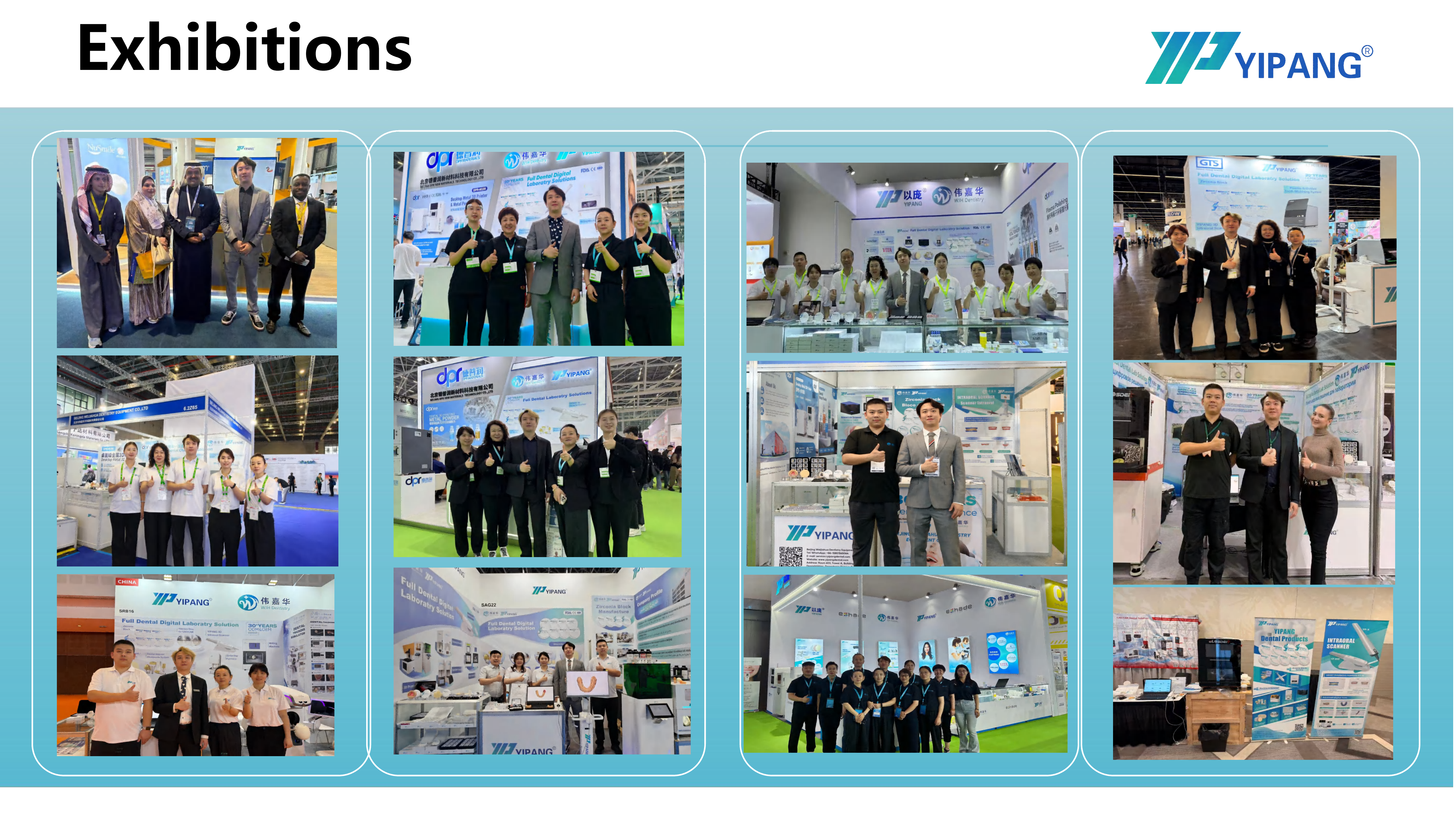
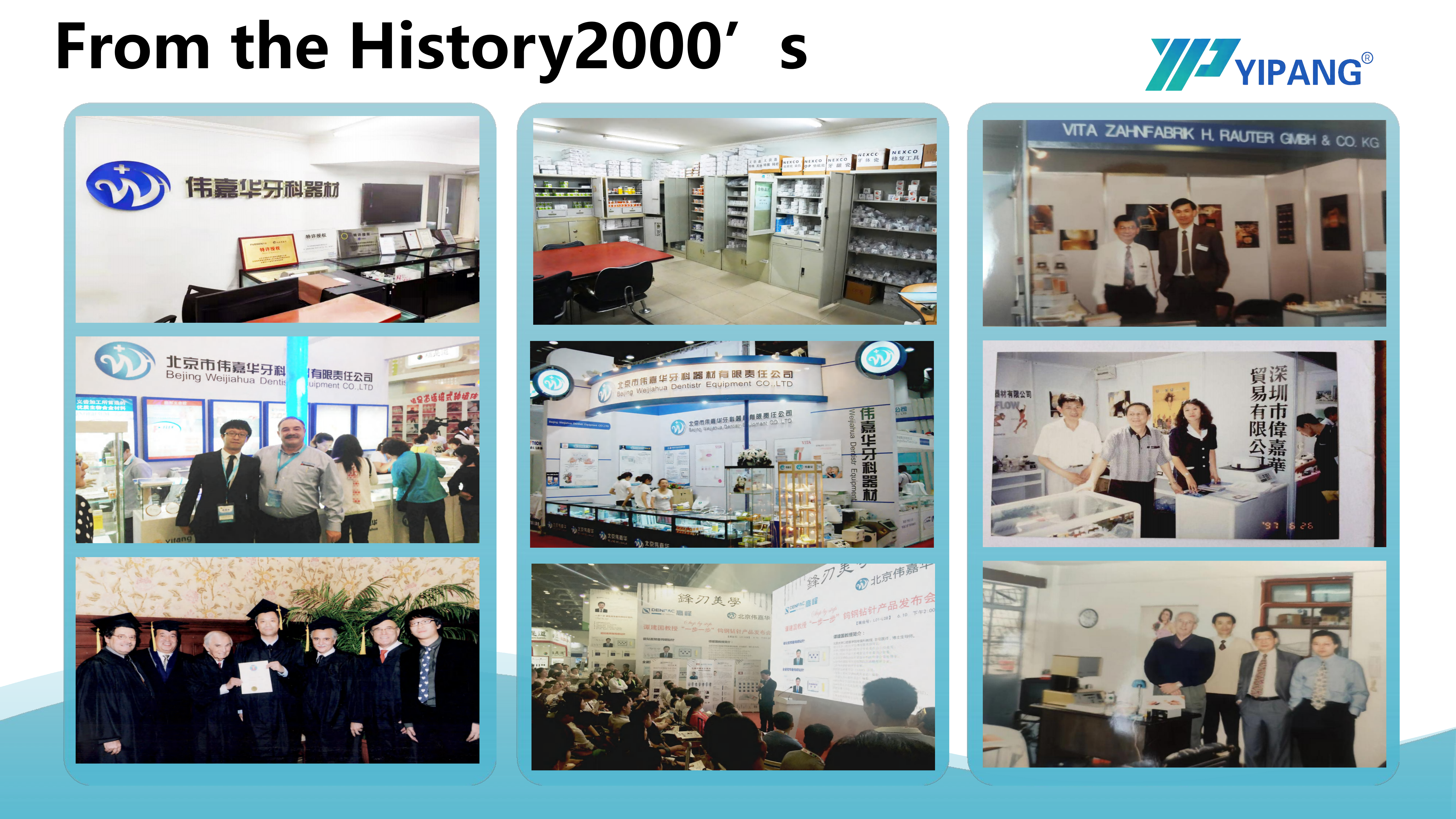
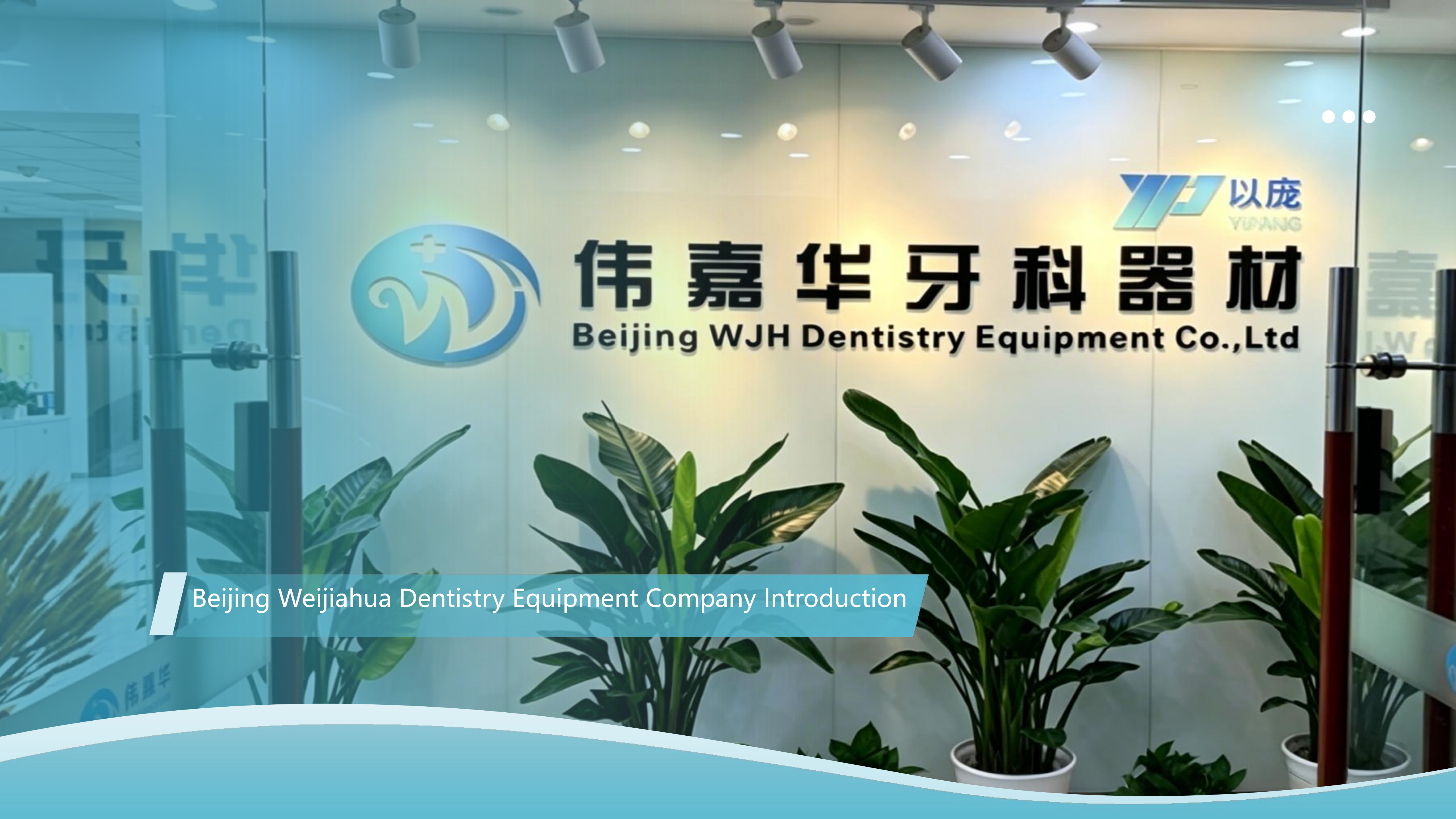
YIPANG is the self-developed brand of Beijing Weijiahua Dentistry Equipment Co., Ltd. (WJH), a dental equipment manufacturer and distributor established in 1996. The company employs approximately 80 staff, operates a 2,000 m² manufacturing facility with an annual production value of USD 10 million, and runs an R&D team of 25 professional engineers focused on dental material formula research, process optimization and new product development. WJH also represents established international dental brands including VITA, Ivoclar, Dentsply, Amann Girrbach and Noritake, and serves more than 1,000 dental laboratory customers in China through a nationwide sales network, alongside an overseas network covering the Middle East, Southeast Asia, South America, North America, Eastern Europe, North Africa and Australia, with 40–55% of products exported.
The 4D-PRO-ML is the blank in YIPANG's range positioned for implant and full-arch prosthesis work. Its published parameters are:
- Product:Zirconia Blocks for Dental Prosthesis, model 4D-PRO-ML
- Format: dental zirconia disc / CAD/CAM dental milling blank, 98 mm diameter
- Material: zirconium dioxide (ZrO₂), yttria stabilized
- Shades: ML multilayer
- Thickness: 10 mm, 12 mm, 14 mm, 16 mm, 18 mm, 20 mm
- Sintering temperature: 1450 °C on the specification sheet; recommended working range 1430 °C–1450 °C
- Bending strength: ≥1200 MPa
- Translucency: medium
- Applicable industry: dental laboratory, dental prosthetics, dental CAD/CAM
The blank is produced from high-quality domestic self-developed zirconia powder, which the manufacturer cites for stable batch consistency, uniform density distribution and a sintering shrinkage error within ±0.3%. It is documented as compatible with most mainstream dental milling machines with a low processing failure rate — a practical consideration for labs running more than one mill or more than one shift. In aesthetic and strength terms, the material is described as suitable for posterior crowns and multi-unit bridges, balancing mechanical strength with translucency.

The supporting equipment a full-arch workflow depends on
YIPANG's application data for this material names three matched equipment items: a dental milling machine, a dental sintering furnace and a dental lab scanner. Those three define the minimum chain — capture the data, mill the geometry, sinter it to final density.
In a working implant laboratory, two further groups sit around that core. First, dental milling burs: on a long-span full-arch framework, a worn bur shows up as surface damage and dimensional drift rather than a visible break, so bur condition is a process variable, not a consumable detail. Second, the finishing setup — a dental porcelain furnace with dental staining glaze and dental glaze paste for the aesthetic stage after sintering, and dental polishing burs for the final surface. Upstream, a dental 3D printer and dental 3D printer resin cover cases where the laboratory prefers a printed model or a verified try-in appliance before committing to a full-arch framework.
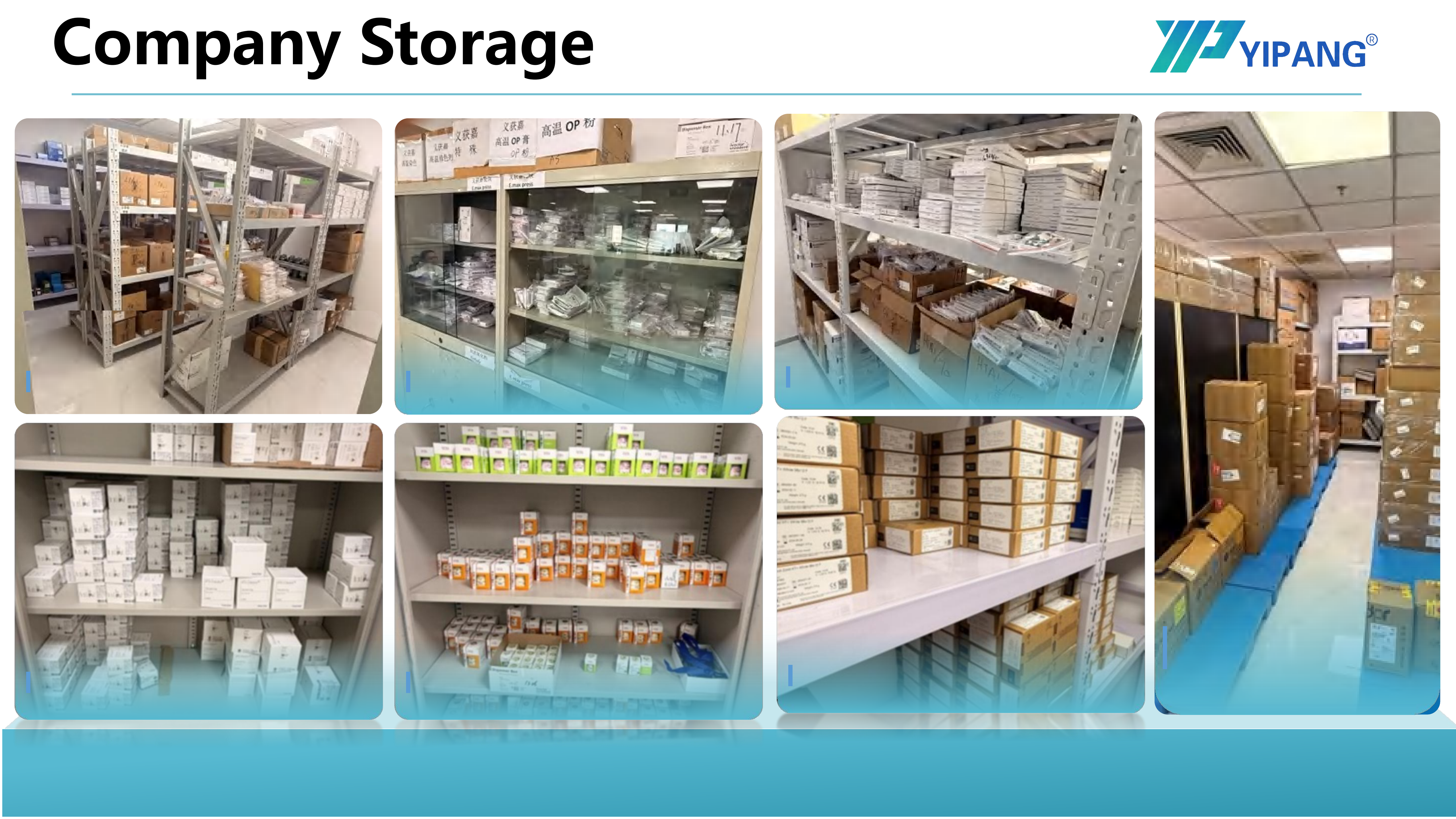
WJH's own product lines cover most of that list end to end: zirconia blocks, glass ceramics, press ingots, PMMA, wax, titanium blocks, implant abutments, 3D scanners, intraoral scanners, milling machines, 3D printers and sintering furnaces, together with an intraoral scanning option for clinics that scan directly. For a laboratory standardizing full-arch work, sourcing the blank and the furnace from the same supplier is primarily a process-control decision: the sintering curve and the blank behaviour are matched to each other rather than reconciled after the fact.
The indoor constant-temperature laboratory condition
The applicable operating condition for this material is defined as an indoor constant-temperature dental laboratory environment, with the operation mode listed as processing by dental milling machine and sintering in a dental sintering furnace. Two consequences matter for implant labs.
First, a milled green-state framework is dimensionally sensitive before sintering. A stable indoor environment supports repeatable nesting and consistent output between shifts, which is exactly what a full-arch schedule needs. Second, full-arch work is a multi-step process spanning scanning, design, milling, sintering and finishing. Keeping those steps inside one controlled indoor environment reduces the number of variables that can shift from case to case.
The same application data states the requirement that connects the environment to the result: strictly follow the standard sintering temperature curve during processing. The environment protects the green state; the curve determines the final state.
Why the sintering curve cannot be improvised
The question implant labs ask most often about this blank is direct: what is the suitable sintering temperature for the 4D-PRO-ML zirconia block? The recommended range is 1430 °C–1450 °C, run with a standard heating and holding procedure to guarantee low shrinkage and stable translucency. The 4D-PRO-ML specification sheet lists a sintering temperature of 1450 °C.
Two safety constraints accompany that range: avoid rapid temperature change, which can cause cracking, and do not exceed the maximum sintering temperature. Those are precisely the points where full-arch cases fail. A framework that is ramped too quickly, or held above the maximum, can emerge cracked, distorted, or with translucency that no longer matches the shade the laboratory designed against.
Operating sequence for 4D-PRO-ML sintering: place the milled zirconia workpiece on the sintering tray, set the heating curve up to 1430 °C–1450 °C with the proper holding time, then let the furnace cool down naturally after sintering is complete. Do not open the furnace early, and do not exceed the maximum sintering temperature.
Step-by-Step: From Edentulous Scan to Sintered Full-Arch Framework
The following sequence is what an implant-focused laboratory runs for an edentulous full-arch or implant-supported case using a 98 mm multilayer zirconia blank.
- Scanning and data capture. Capture the case with a dental lab scanner or an intraoral scanner. For edentulous and full-arch cases, an edentulous scanbody kit transfers implant positions into the digital model, so scanbody seating and full-arch scan accuracy determine everything downstream.
- CAD design. Design the framework or implant-supported crowns, checking connector cross-sections, cement gaps and the implant interface geometry. Connectors are where long-span frameworks carry load, so this is a design decision rather than a milling decision.
- Blank selection and nesting. Select an ML multilayer shade and a thickness from the 10–20 mm range that leaves sufficient material above the tallest point of the framework. Multilayer shading is chosen at this stage because it is fixed at pressing, not after sintering.
- Milling. Mill on a dental milling machine with a correctly graded or fresh set of dental milling burs. The blank is documented as compatible with most mainstream milling machines, which keeps multi-mill laboratories flexible, but bur condition still governs surface quality on long spans.
- Pre-sinter inspection. Inspect the milled framework before it enters the furnace. This is the first half of the documented crack mitigation: inspect blanks before sintering. Any workpiece with a visible defect is removed from the production stream at this point.
- Sintering. Place the workpiece on the sintering tray, run the heating curve up to 1430 °C–1450 °C with the proper holding time, and allow natural cooling. Avoid rapid temperature change and never exceed the maximum sintering temperature.
- Post-sintering verification. Check fit at the implant interface, verify occlusion, and confirm that shade and translucency still match the planned restoration before finishing. This is also where the second half of the mitigation applies: scrap chipped or cracked frameworks rather than using them for a final restoration.
- Finishing and documentation. Apply staining glaze and glaze paste, fire in the dental porcelain furnace, polish the surface, then record the blank batch, the sintering program used and the case outcome. For regulated markets, that record is what makes the restoration traceable.
Where This Workflow Applies
- Implant abutment crown production. Implant abutment crowns are produced as individual units but sit on the same blank and the same furnace cycle as full-arch work. The final abutment market was valued at nearly USD 2.6 billion in 2025 (iData Research), which is a practical reminder that abutment-level restoration is a high-volume, repeatable workflow rather than an occasional case.
- Implant-supported crown laboratories. Laboratories whose case mix is dominated by implant-supported crowns benefit from a blank with stable batch consistency, because their output depends on repeating the same sintering curve many times per week without drift.
- Edentulous full-arch restoration cases. These are the most demanding application for a zirconia blank: maximum material volume, maximum span, minimum tolerance for shrinkage deviation. The stated ±0.3% sintering shrinkage error and uniform density distribution are the parameters that matter most here.
- Edentulous scanbody kit workflows. Where the laboratory receives edentulous scanbody data, the restoration is designed entirely in software before any material is cut. A predictable blank shortens the loop between scan and seatable framework, which is the loop the clinic is actually waiting on.
- High-volume sintering workflows. 4D-PRO-ML zirconia blocks are recommended for high-volume dental laboratories. In a furnace that runs continuously, the sintering curve is a production parameter: the same 1430 °C–1450 °C program is run repeatedly, and any variation propagates across every case in the batch.
- Mixed digital workflows. Most implant labs now run zirconia alongside other digital processes — printed resin models from a dental 3D printer, and in some laboratories metal components produced from dental 3D printing metal powder. Zirconia full-arch work occupies the high-value end of that mixed workflow: resin and metal support the process, while the milled and sintered zirconia framework carries the definitive restoration.
Comparison Table: Workflow Stages, Equipment and Control Points
| Workflow stage | Equipment or material | Control point | What fails if ignored |
|---|---|---|---|
| Scan and data capture | Dental lab scanner or intraoral scanner; edentulous scanbody kit | Scanbody seating and full-arch scan accuracy | Framework must be remade at try-in |
| CAD design | CAD design workflow | Connector cross-section, cement gap, implant interface geometry | Concentrated stress and chipping at connectors |
| Blank selection and nesting | YIPANG 4D-PRO-ML, 98 mm, ML multilayer, 10–20 mm | Thickness margin above the framework; shade selection | Insufficient material or shade mismatch |
| Milling | Dental milling machine; dental milling burs | Bur condition, milling strategy, blank clamping | Dimensional drift and surface defects on long spans |
| Pre-sinter inspection | Visual and dimensional check | Reject blanks with visible defects before firing | Cracks that only appear after sintering |
| Sintering | Dental sintering furnace | 1430 °C–1450 °C, standard heating and holding, natural cooling, no rapid temperature change | Chipping, cracks, distortion, translucency loss |
| Finishing and QC | Dental porcelain furnace; dental staining glaze; dental glaze paste; dental polishing burs | Implant interface fit, occlusion, shade verification | Non-seating framework or visible aesthetic mismatch |
| Documentation | Case and batch records | Blank batch, sintering program, case outcome | Traceability gaps for regulated markets such as EU MDR 2017/745 |
Keeping the Workflow Stable Over Time
Full-arch implant work is a repeating process, not a one-off project. Once a laboratory has tuned its sintering program, the variable that most affects repeatability is the blank arriving at the mill, which is why continuity of supply matters more in implant workflows than in single-unit crown production.
Several documented characteristics of YIPANG zirconia blocks are aimed at that continuity. The blanks use high-quality domestic self-developed zirconia powder for stable batch consistency, with uniform density distribution and a sintering shrinkage error within ±0.3%, and they are documented as compatible with most mainstream dental milling machines with a low processing failure rate. Compared with imported zirconia blocks, the manufacturer positions them on cost performance at equivalent quality, together with flexible customization and shorter delivery time, supported by a strict whole-process quality inspection system.
Commercial terms are documented and specific. The minimum order quantity is 1 box for standard models and 5 boxes for customized products. Delivery is by express domestically, and by sea or air freight for export, with FOB Shanghai/Tianjin available. Acceptance is quantity check on receipt, with damage or deformation reported within 48 hours with photographs, and sampling tests are supported. Payment terms are full payment before shipment.
Frequently Asked Questions
What is the suitable sintering temperature for the 4D-PRO-ML zirconia block?
The recommended sintering temperature range for the YIPANG 4D-PRO-ML zirconia block is 1430 °C–1450 °C. It should be run with a standard heating and holding procedure to guarantee low shrinkage and stable translucency, and the furnace should be allowed to cool down naturally after sintering. Rapid temperature change should be avoided because it can cause cracking, and the maximum sintering temperature should not be exceeded. The 4D-PRO-ML specification sheet lists a sintering temperature of 1450 °C.
What equipment and laboratory conditions does a full-arch zirconia workflow require?
The applicable equipment for this material is a dental milling machine, a dental sintering furnace and a dental lab scanner; the operation mode is defined as processing by dental milling machine and sintering in a dental sintering furnace. The specified working condition is an indoor constant-temperature dental laboratory environment. The related special requirement is that the standard sintering temperature curve must be strictly followed during processing. In practice, implant laboratories also rely on dental milling burs for the milling stage and on a dental porcelain furnace with staining glaze and glaze paste for finishing.
How do implant labs prevent chipping and cracks after zirconia sintering?
Chipping and cracks after zirconia sintering are triggered by improper sintering profile setting and by inherent defects inside the zirconia blank. The documented mitigation is to follow the recommended sintering profile, which for 4D-PRO-ML means a 1430 °C–1450 °C curve with proper holding time and natural cooling without rapid temperature change, and to inspect blanks before sintering. If a workpiece is chipped or cracked, it should be scrapped and not used for a final restoration.
What are the purchasing terms and acceptance criteria for these zirconia blocks?
The minimum order quantity is 1 box for standard models and 5 boxes for customized products. Delivery is by express domestically, and by sea freight or air freight for export, with FOB Shanghai/Tianjin available. Acceptance criteria are a quantity check upon receipt, with damage or deformation reported within 48 hours with photographs; sampling tests are supported. Payment terms are full payment before shipment.
How should an implant lab choose a long-term dental zirconia block supplier?
In implant work the supplier is part of the process, so the evaluation criteria are operational rather than promotional: batch-to-batch consistency of the powder and blank, a documented shrinkage figure such as the ±0.3% sintering shrinkage error, compatibility with the milling machines already installed in the laboratory, and a quality inspection system that runs through the whole process rather than at final inspection only. Beijing Weijiahua Dentistry Equipment Co., Ltd. has supplied zirconia blocks through YIPANG, its self-developed brand, since 1996, with an R&D team of 25 engineers and more than 1,000 dental laboratory customers in China. For evaluation purposes, requesting a sample and running it through the laboratory's own sintering curve is the most direct way to confirm fit before committing to a full-arch production schedule.
Conclusion
Full-arch and implant-supported zirconia restorations are decided by process control rather than by material claims. A 98 mm multilayer blank with uniform density and a documented shrinkage figure gives the laboratory a stable starting point; a dental milling machine and a dental sintering furnace give it the means to reach final density; an indoor constant-temperature laboratory environment protects the work before sintering; and the 1430 °C–1450 °C curve for 4D-PRO-ML, run with proper holding time and natural cooling, determines whether the framework that leaves the furnace is the framework that was designed.
For implant-focused laboratories, that is also the logic behind long-term material selection. Repeatable full-arch output requires repeatable blanks, and repeatable blanks require a supplier relationship that can hold batch consistency, document its acceptance terms and support the workflow over many cases rather than one order.
Next Step: Validate 4D-PRO-ML on Your Own Sintering Curve
Samples are supported, so implant laboratories can run a YIPANG 4D-PRO-ML zirconia block through their own milling and sintering program at 1430 °C–1450 °C before committing to full-arch production. Request a sample or a quotation, or review the full material range and specifications.
YIPANG — Beijing Weijiahua Dentistry Equipment Co., Ltd.
Website: www.yipangdental.com
Company brochure (PDF): WJH Company Information
Email: service@yipangdental.com | WhatsApp: +86-158-0156-5064
Have Questions or Need More Details?
Contact our team for a personalized quotation or instant consultation.
Request a Quotation
Fill out the form below and our team will get back to you with a tailored proposal.
WhatsApp Direct Chat
Prefer to chat in real-time? Message us on WhatsApp for instant assistance & quick answers.
- Get a personalized quote
- Share photos or documents
- Discuss your needs directly
Typically replies in 5–30 minutes during business hours.