
Dental Zirconia Block vs. PMMA Disc: A Head-to-Head for Temporary Restorations
A dental zirconia block and a PMMA disc are not rival materials competing for the same job — they cover two different phases of the same case. Milled zirconia is a definitive restorative material that must pass through a high-temperature sintering cycle before it can be delivered. A PMMA disc is an interim material that leaves the mill ready for finishing. In a laboratory that runs both, the practical question is not "which material is better," but "which one does this case actually need, and which production route can deliver it on the promised date."
The confusion is easy to understand. Both materials are supplied as milling discs, both are nested in the same CAD software, and both are cut on the same class of dental milling machine. What separates them is everything that happens after milling — and what the finished restoration is allowed to be used for. This head-to-head compares the two on documented specification, workflow position, and long-term supply implications, using verified market data plus first-party product information from YIPANG, the self-developed brand of Beijing Weijiahua Dentistry Equipment Co., Ltd. (www.yipangdental.com).
Planning a mixed-material schedule: the same case list can contain a sintered zirconia restoration and a milled PMMA interim restoration on different delivery dates.
Problem Definition: What a Lab Is Actually Choosing Between
In a mixed-material dental laboratory, zirconia versus PMMA is not a material-quality question. It is an indication and scheduling question with three parts: Is this restoration definitive or interim? Which production route can deliver it in the promised window — a sintered ceramic route or a milled polymer route? And which of those routes consumes the constrained resource, sintering furnace time or milling time?
Three recurring mistakes show up when those questions are not separated:
- Treating PMMA as a cheaper substitute for zirconia in a permanent indication. The intended service life of a restoration is set at the prescription stage, not in the milling room. A material chosen to hold space, verify fit or protect a preparation is doing a different job from a definitive full-contour restoration.
- Treating zirconia as an urgent temporary. Zirconia's documented production route includes a sintering cycle that PMMA never enters, which adds furnace time and cooling time to the schedule. Choosing zirconia for an urgent interim case usually moves the delivery date, not the case.
- Running both materials on one maintenance assumption. Sintering profile control, pre-sintering blank inspection, bur consumption, and inventory policy all differ between a ceramic disc and a polymer disc. A single generic rule for both is where quality escapes usually begin.
The failure modes also differ. For zirconia, one documented risk is chipping and cracking after sintering, triggered either by an improper sintering profile setting or by inherent defects inside the zirconia blank. For PMMA, the practical risk is planning-related rather than process-related: an interim restoration is expected to be replaced when the definitive restoration is delivered, so it must match the planned timeline of the case.
Industry Background: Two Materials, Two Growing Segments
Both sides of the workflow are expanding, which is why more laboratories now hold discs from both families in stock. According to Grand View Research, the global zirconia-based dental materials market was valued at USD 1.2 billion in 2025 and is projected to reach USD 2.3 billion by 2033. Within that market, zirconia discs held the largest revenue share at 63.1% in 2025, and the 3Y-TZP zirconia grade alone accounted for 35.9% of revenue in the same year. Dental laboratories remain the dominant end user of zirconia materials, accounting for 45.3% of market share in 2025, and the United States represents 40% of global revenue in this category.
Grand View Research also reports that CAD/CAM milling accounted for 82.4% of zirconia dental manufacturing process revenue in 2025 — a useful indicator of how strongly this material is tied to digital production rather than analog techniques. Milling capacity itself keeps growing: Fortune Business Insights valued the dental milling machine market at USD 2.45 billion in 2025, with expected growth to USD 3.9 billion by 2030, and identifies Roland DG, Amann Girrbach and vhf camfacture as significant market share holders in that sector as of 2024.
The interim side of the workflow is expanding too, and not only through milled discs. Grand View Research estimates the dental 3D printing market will grow from USD 4.9 billion in 2025 to USD 26.7 billion by 2033, with photopolymer resins holding a 55.5% share of the dental 3D printing material segment in 2025. That matters for this comparison because provisional restorations can be produced by more than one route — milled PMMA or printed resin — while definitive full-contour ceramic restorations continue to run through sintering.
Note on market estimates: zirconia materials market sizing varies by source scope. Grand View Research reports USD 1.2 billion for 2025, while SNS Insider reports approximately USD 367.67 million for the same year under a narrower definition. Treat any single figure as scope-dependent rather than absolute.
Regulation is the third background factor, particularly for labs and importers serving European clinics. EU Medical Device Regulation (MDR 2017/745), as published by the European Commission, classifies most dental implants and restorative materials as high-risk, requiring intensive clinical data. That classification sits upstream of the laboratory, but it shapes the documentation a laboratory or importer is expected to pass down the chain.
The Detailed Answer: What Each Disc Is Documented to Do
The zirconia block — permanent, full-contour, sintered
YIPANG 4D-PRO-ML zirconia blocks are manufactured for full-contour crowns, bridges, veneers and implant superstructure restorations — that is, for definitive work rather than interim work. The documented product parameters are specific and checkable: a 98 mm diameter, available thicknesses of 10 mm, 12 mm, 14 mm, 16 mm, 18 mm and 20 mm, ML multilayer shades, medium translucency, a sintering temperature of 1450 °C, and a bending strength of ≥1200 MPa. The material is zirconium dioxide (ZrO₂) with an yttria stabilizer.
Those parameters are the ones a laboratory should be matching against its own furnace profile and case mix. Thickness selection follows the restoration's span and connector requirements, while translucency grade determines where the block can be used aesthetically. Multilayer shading is relevant because it changes how much characterization work the case needs after sintering, not because it changes the sintering cycle itself.
The supplier behind the brand is Beijing Weijiahua Dentistry Equipment Co., Ltd., established in 1996 in Beijing and operating a 2000 m² manufacturing facility with approximately 80 staff, an annual production output of USD 10 million, and a research and development team of 25 professional engineers engaged in dental material formula research, process optimization and new product development. The company also represents well-known international dental brands including VITA, Ivoclar, Dentsply, Amann Girrbach and Noritake, and reports more than 1000 dental laboratory customers in China.
The PMMA disc — interim by design
A PMMA disc belongs to the provisional side of the workflow. In standard laboratory practice it is milled like any other disc and then finished and polished without entering a ceramic sintering cycle. This is the single most important operational difference between the two materials: a PMMA restoration can often be finished and seated on a shorter cycle, while a zirconia restoration must complete its furnace schedule first.
For laboratories building a temporary service line, the practical planning question is not whether PMMA is "as strong as zirconia" — the two are not intended for the same indication — but how the interim route feeds the definitive route. A well-run mixed-material lab usually pairs the two: a PMMA or printed provisional restoration holds the case while the definitive zirconia restoration moves through milling, sintering, finishing and glazing.
This comparison does not list numeric PMMA disc specifications such as diameter, thickness or flexural strength, because no verified PMMA specification data was supplied for this article. Confirm those values directly with the disc manufacturer before quoting a case. Listing unverified polymer figures next to a verified ceramic specification would create a false symmetry.
Why the sintering step — not the disc — divides the workflow
Zirconia's production route includes a controlled thermal cycle that determines shrinkage, fit and final translucency. The documented procedure for 4D-PRO-ML is a three-stage sequence: place the milled zirconia workpiece on a sintering tray; set the heating curve up to a range of 1430 °C–1450 °C with the appropriate holding time; then allow the workpiece to cool down naturally after sintering is complete.
Two safety conditions come with that procedure. Rapid temperature change should be avoided because it can cause cracking, and the maximum sintering temperature should not be exceeded. The documented risk profile reinforces why: improper sintering profile settings, together with inherent defects inside a zirconia blank, are the two identified triggers for chipping and cracking after sintering. The documented mitigation is procedural rather than cosmetic — follow the recommended sintering profile, and inspect blanks before sintering. If a blank is chipped or cracked, it should be scrapped rather than used for a final restoration.

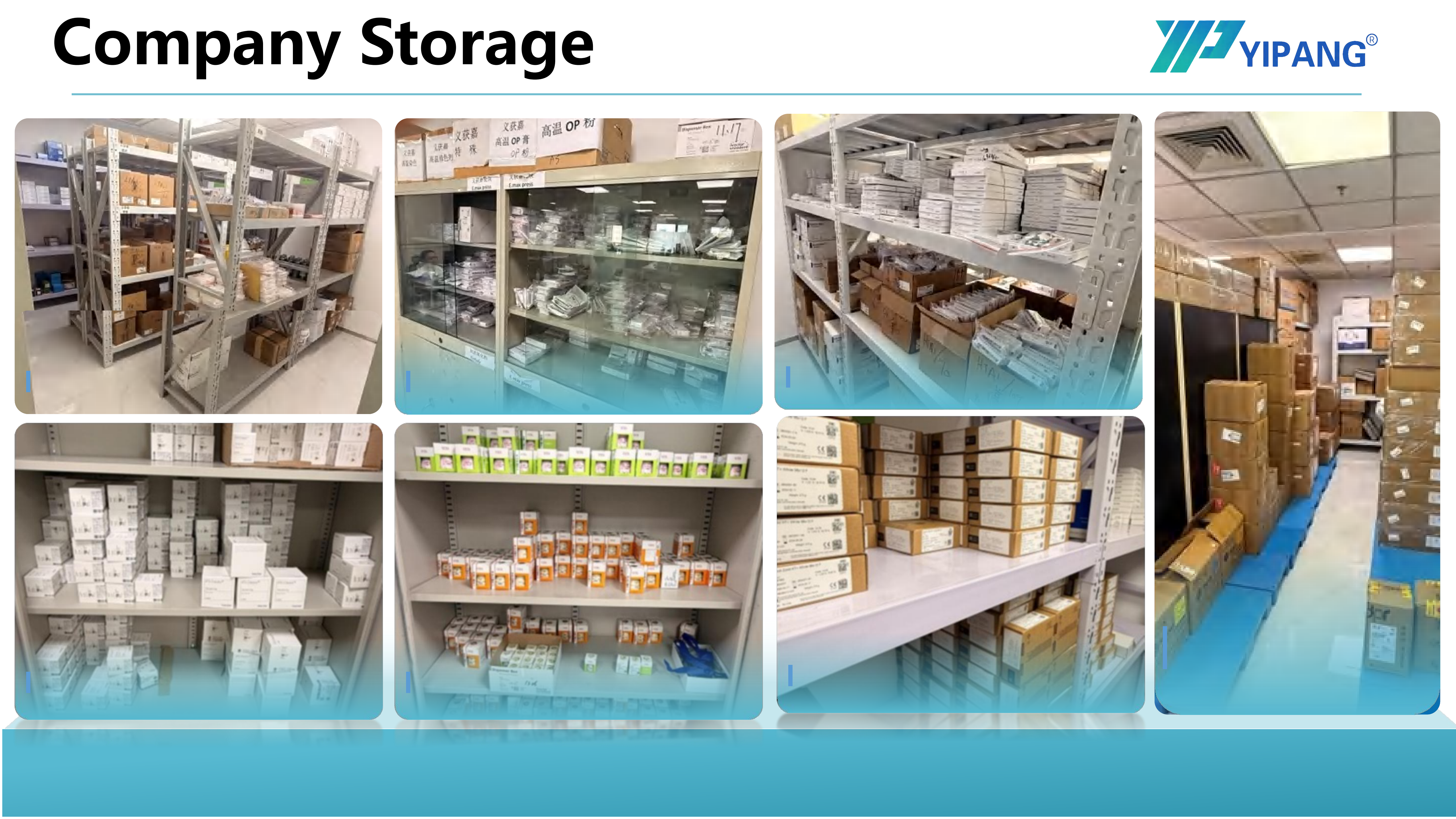
Zirconia block production and quality control: blank inspection before sintering is one documented way to reduce post-sintering chipping and cracking.
Shrinkage control is the metric that ties the whole route together. In the supplier's own comparison data, stable sintering shrinkage error is stated as within ±0.3%, supported by uniform density distribution, a strict whole-process quality inspection system, and compatibility with most mainstream dental milling machines with a low processing failure rate. For a laboratory, ±0.3% is the number that matters at the margin — it determines whether a multi-unit bridge seats with minimal adjustment or consumes chair time.
Step-by-Step Breakdown: Running Both Materials in One Workflow
- Case triage at the prescription stage. Decide definitive versus interim before any disc is selected. Definitive full-contour crowns, bridges, veneers and implant superstructure restorations belong on the zirconia route; interim restorations belong on the PMMA (or printed resin) route. Note the decision in the case file so the milling room is not re-deciding it later.
- Digital capture and design. Intraoral and laboratory scanning feed the same CAD environment regardless of material. For full-arch implant cases, planning may also involve an edentulous scanbody kit and implant abutment selection before the definitive restoration is designed — YIPANG's product lines cover implant abutments, 3D scanners and intraoral scanners alongside the milling discs themselves.
- Nesting and milling. Both materials are cut on a dental milling machine from disc blanks, so the mill is not the dividing line between them. Milling burs are a consumable in both routes; monitor cutting performance and replace on your own wear records. Because the ceramic blank is the harder workpiece, treat bur replacement intervals for zirconia separately from those used for polymer discs.
- Post-processing split — the point where the two routes separate. Zirconia goes to the sintering furnace: workpiece on the tray, heating curve to 1430 °C–1450 °C with proper holding time, then natural cooling. PMMA skips the furnace entirely and moves directly to finishing and polishing. Characterization steps such as staining glaze or glaze paste, and firing-related steps, apply to the ceramic route and require their own equipment and consumables.
- Verification before delivery. Check fit and margins against the digital design, and confirm that the intended production route was followed. Documented acceptance practice for YIPANG products is to check quantity on receipt, report damage or deformation within 48 hours with photographs, and use sampling testing where a batch needs validation. Applying the same inspection logic internally — checking blanks before sintering and scrapping visibly cracked workpieces — is the documented way to avoid downstream failures.
- Replenishment and long-term planning. Because the two materials are consumed at different rates, set separate reorder triggers. YIPANG's stated minimum order is 1 box for standard models and 5 boxes for customized products, with full payment before shipment, which makes the standard-model route the simpler one for labs that keep both material families in continuous stock.
Use Cases: Where the Split Decision Shows Up
1. Crown-and-bridge lab running an interim service line
The most common configuration: a laboratory delivers definitive zirconia restorations while offering a temporary option. The zirconia block carries the definitive case, the PMMA disc carries the interim case, and the only shared resource is the mill. Scheduling value comes from keeping the sintering furnace loaded with production work rather than emergency temporaries.
2. Full-arch implant case with a staged delivery
Full-arch cases naturally use both routes. An interim restoration supports the patient phase, while the definitive superstructure is produced on the zirconia route with abutment planning and scanbody-based capture. Labs that already stock implant abutments and scanners alongside zirconia blocks can run this sequence without sourcing from a third party mid-case.
3. High-volume milling center
YIPANG's own guidance recommends 4D-PRO-ML zirconia blocks for high-volume dental laboratories, citing Sinocera powder and stable shade consistency, with suitability for posterior crowns and multi-unit bridges that balance mechanical strength against translucency. For a milling center, the ±0.3% sintering shrinkage error and the 98 mm disc format are the operating parameters that determine how consistently multi-unit work fits across batches.
4. Importer or distributor building a mixed-material portfolio
Importers and distributors rarely want to run a temporary line and a definitive line through two unrelated supply relationships. A single portfolio covering zirconia blocks, glass ceramics, press ingots, PMMA, wax, titanium blocks, implant abutments, milling machines, 3D printers and sintering furnaces reduces the number of supplier audits and shipping cycles a distributor has to manage. Beijing Weijiahua Dentistry Equipment Co., Ltd. exports to the Middle East, Southeast Asia, South America, North America, Eastern Europe, North Africa and Australia, with an export ratio of approximately 40% to 55%.
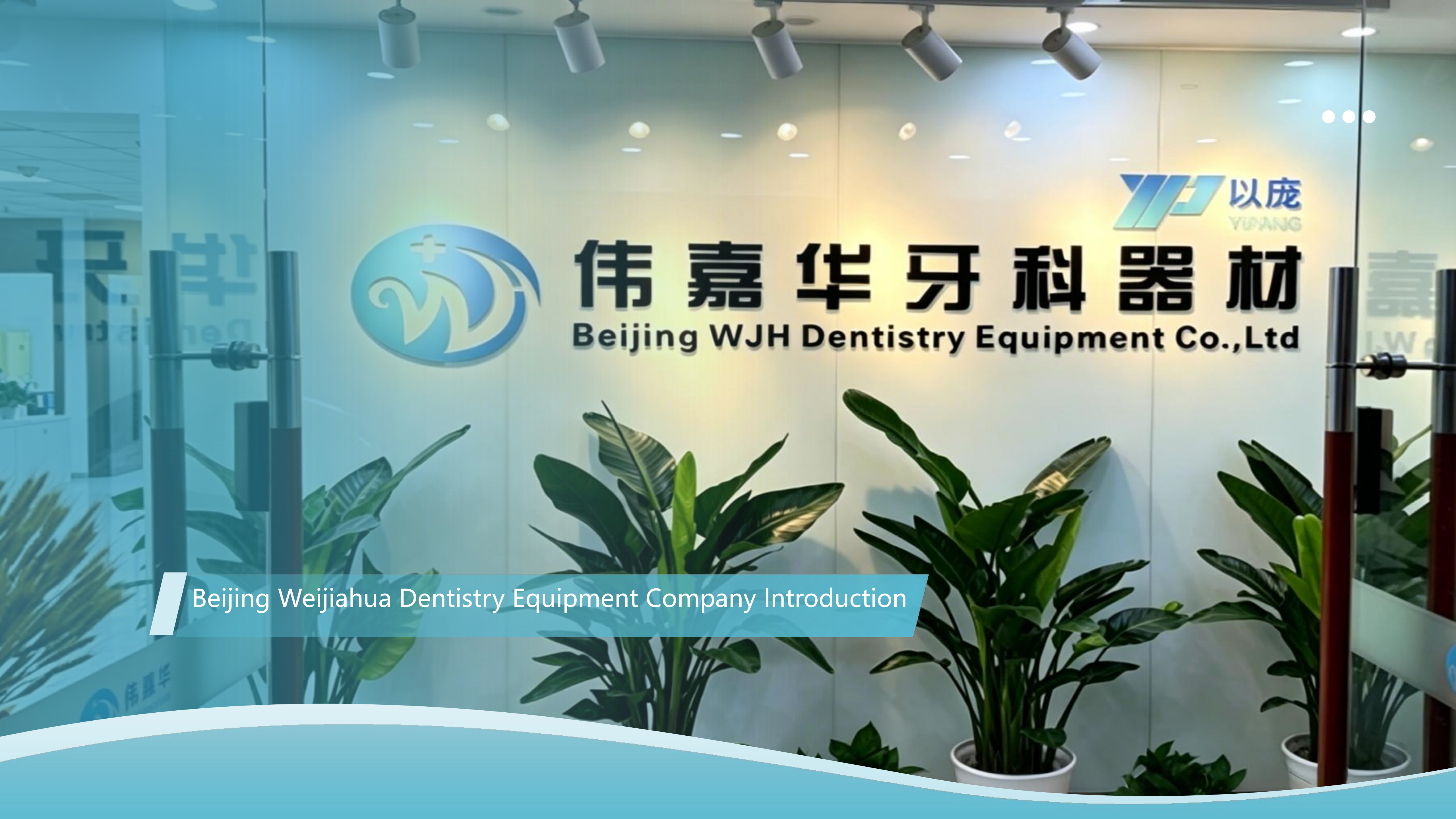
Mixed-material portfolios: labs and distributors increasingly source the definitive and interim sides of a case from one supply relationship.
Comparison Table: Zirconia Block vs. PMMA Disc by Decision Dimension
| Decision dimension | Dental zirconia block (YIPANG 4D-PRO-ML) | PMMA disc |
|---|---|---|
| Primary case role | Definitive full-contour crowns, bridges, veneers and implant superstructure restorations | Interim / provisional restorations in standard laboratory practice |
| Material | Zirconium dioxide (ZrO₂) with yttria stabilizer | Not documented in the source data for this article |
| Diameter | 98 mm | Verify with the disc supplier |
| Thickness options | 10, 12, 14, 16, 18, 20 mm | Not documented here |
| Bending strength | ≥1200 MPa (product parameter) | Not documented here |
| Translucency / shading | Medium translucency, ML multilayer shades | Not documented here |
| Sintering requirement | Required: 1430 °C–1450 °C heating curve with holding time, then natural cooling | No ceramic sintering cycle; milled and finished directly |
| Shrinkage control | Sintering shrinkage error within ±0.3% (supplier data) | Not documented here |
| Equipment involved | Dental milling machine, dental sintering furnace, dental lab scanner | Dental milling machine, finishing and polishing tools |
| Stated best-fit user | Labs focused on aesthetic restoration; importers seeking cost-effective dental materials | Labs producing provisional restorations |
| Stated commercial terms | MOQ 1 box standard models / 5 boxes customized; full payment before shipment | Not documented here |
Rows marked "not documented here" indicate that no verified specification data was available for this comparison. They are not claims about PMMA performance. Confirm polymer disc specifications, indications and processing instructions with your PMMA disc supplier before use.
FAQ
What documentation should a lab check when buying zirconia blocks for clinics in the EU?
EU Medical Device Regulation (MDR 2017/745), published by the European Commission, classifies most dental implants and restorative materials as high-risk, requiring intensive clinical data. That obligation sits mainly upstream of the laboratory, but labs and importers still need batch traceability, labeling and usage documentation they can pass on to clinics. When evaluating a supplier, confirm that batch identification and documented product parameters — material grade, diameter, thickness, sintering temperature and strength values — can be supplied with the order. YIPANG's 4D-PRO-ML documentation states ZrO₂ with yttria stabilizer, 98 mm diameter, thicknesses from 10 mm to 20 mm, 1450 °C sintering temperature, bending strength ≥1200 MPa and medium translucency.
Can the same milling machine and burs process zirconia blocks and PMMA discs?
Both materials are milled from discs on dental CAD/CAM milling machines, so the milling machine itself is not the dividing line between them. YIPANG's comparison data states that its zirconia blanks have good compatibility with most mainstream dental milling machines and a low processing failure rate. The real split happens after milling: zirconia must be sintered at 1430 °C–1450 °C with a proper holding time and then cooled naturally, while a PMMA disc goes straight to finishing and polishing. Milling burs are a consumable in both routes and should be replaced on your own wear records; because the ceramic workpiece is the harder material, zirconia bur intervals are typically tracked separately from polymer intervals.
What are the minimum order and payment terms for YIPANG zirconia blocks?
The stated minimum order is 1 box for standard models and 5 boxes for customized products, with full payment before shipment. On cost-performance, YIPANG's own comparison documentation states that its blocks use high-quality domestic self-developed zirconia powder with stable batch consistency, deliver better cost performance than imported brands at equivalent quality, offer flexible customization with shorter delivery times, and are supported by a strict whole-process quality inspection system. Laboratories comparing total case cost should weigh those claims against the documented ±0.3% sintering shrinkage error and milling-machine compatibility stated in the same data, rather than against price alone.
Can a laboratory validate a zirconia block before committing to a full order?
Yes. Sampling testing is supported under the supplier's stated acceptance policy, which also provides that quantity should be checked on receipt and that damage or deformation should be reported within 48 hours with photographs. Validation is more reliable when it follows the documented production route: confirm the sintering profile reaches the 1430 °C–1450 °C range with the correct holding time, avoid rapid temperature changes, and inspect each blank before sintering. Chipped or cracked blanks should be scrapped rather than used for a final restoration, since internal blank defects and incorrect sintering profiles are the two documented triggers of post-sintering chipping and cracking.
How should a dental lab plan lead times and long-term supply for both materials?
Delivery logistics are stated as domestic express delivery for local orders, and sea or air freight for exports, with FOB Shanghai or Tianjin available. For long-term supply, evaluate the supplier's operating history rather than a single quotation: Beijing Weijiahua Dentistry Equipment Co., Ltd. was established in 1996, operates a 2000 m² facility with approximately 80 staff and USD 10 million annual output, employs 25 engineers in dental material formula research and process optimization, and reports more than 1000 dental laboratory customers in China. Because the same supplier covers zirconia blocks, glass ceramics, press ingots, PMMA, wax, titanium blocks, implant abutments, scanners, milling machines, 3D printers and sintering furnaces, a laboratory can source both the definitive and interim sides of its case mix through one relationship. To move from evaluation to validation, request a 4D-PRO-ML zirconia block sample and ask about PMMA disc availability through service@yipangdental.com or WhatsApp +86-158-0156-5064.
Conclusion: Two Materials, One Schedule
The zirconia-versus-PMMA question resolves once the case timeline is placed next to it. Zirconia blocks are the definitive route: documented full-contour work, 98 mm discs in thicknesses from 10 mm to 20 mm, ≥1200 MPa bending strength, and a mandatory 1430 °C–1450 °C sintering cycle with natural cooling and a stated ±0.3% shrinkage tolerance. PMMA discs are the interim route: milled and finished without a ceramic sintering cycle, used to hold a case while the definitive restoration is produced.
For a mixed-material dental laboratory, the productive move is not to pick a winner between the two, but to separate them operationally — different indications, different post-processing routes, different inspection rules, and different reorder triggers. The labs that get this right treat the sintering furnace as a production asset rather than an emergency tool, and treat the interim material as a planned part of the case rather than a compromise.
With verified market data showing zirconia discs at 63.1% of zirconia-based dental materials revenue in 2025 and CAD/CAM milling at 82.4% of process revenue, and with the dental 3D printing material segment continuing to expand, both routes are likely to remain in the same laboratory for the foreseeable future. The decision worth optimizing is not material choice — it is workflow fit.
Next step for labs running both materials
Request a YIPANG 4D-PRO-ML zirconia block sample, ask about PMMA disc and wax disc availability, or review the full product range. Contact service@yipangdental.com or WhatsApp +86-158-0156-5064.
The complete company and product overview is available for download: WJH / YIPANG Company Information PDF. Product information: www.yipangdental.com.
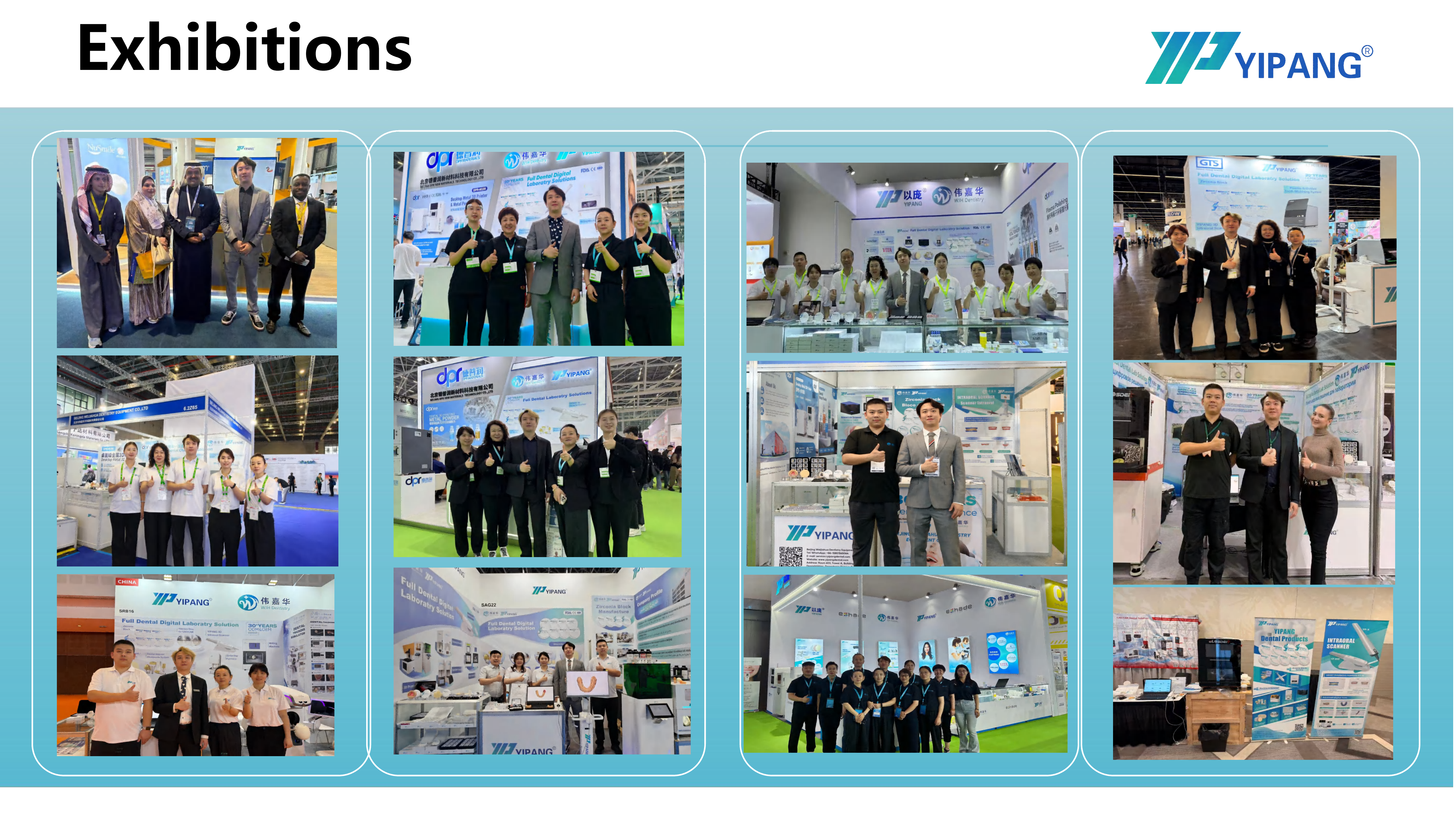
Sample validation and long-term supply enquiries for zirconia blocks, PMMA discs and related dental lab consumables.
Have Questions or Need More Details?
Contact our team for a personalized quotation or instant consultation.
Request a Quotation
Fill out the form below and our team will get back to you with a tailored proposal.
WhatsApp Direct Chat
Prefer to chat in real-time? Message us on WhatsApp for instant assistance & quick answers.
- Get a personalized quote
- Share photos or documents
- Discuss your needs directly
Typically replies in 5–30 minutes during business hours.