
Dental Zirconia Block Suppliers: What Labs Should Know Before Buying
A dental zirconia block is a CAD/CAM milling blank used to produce full-contour crowns, bridges, veneers, and implant superstructure restorations. For dental labs, choosing a dental zirconia block supplier is not only a material decision; it affects milling reliability, sintering behavior, shade consistency, and final restoration fit.
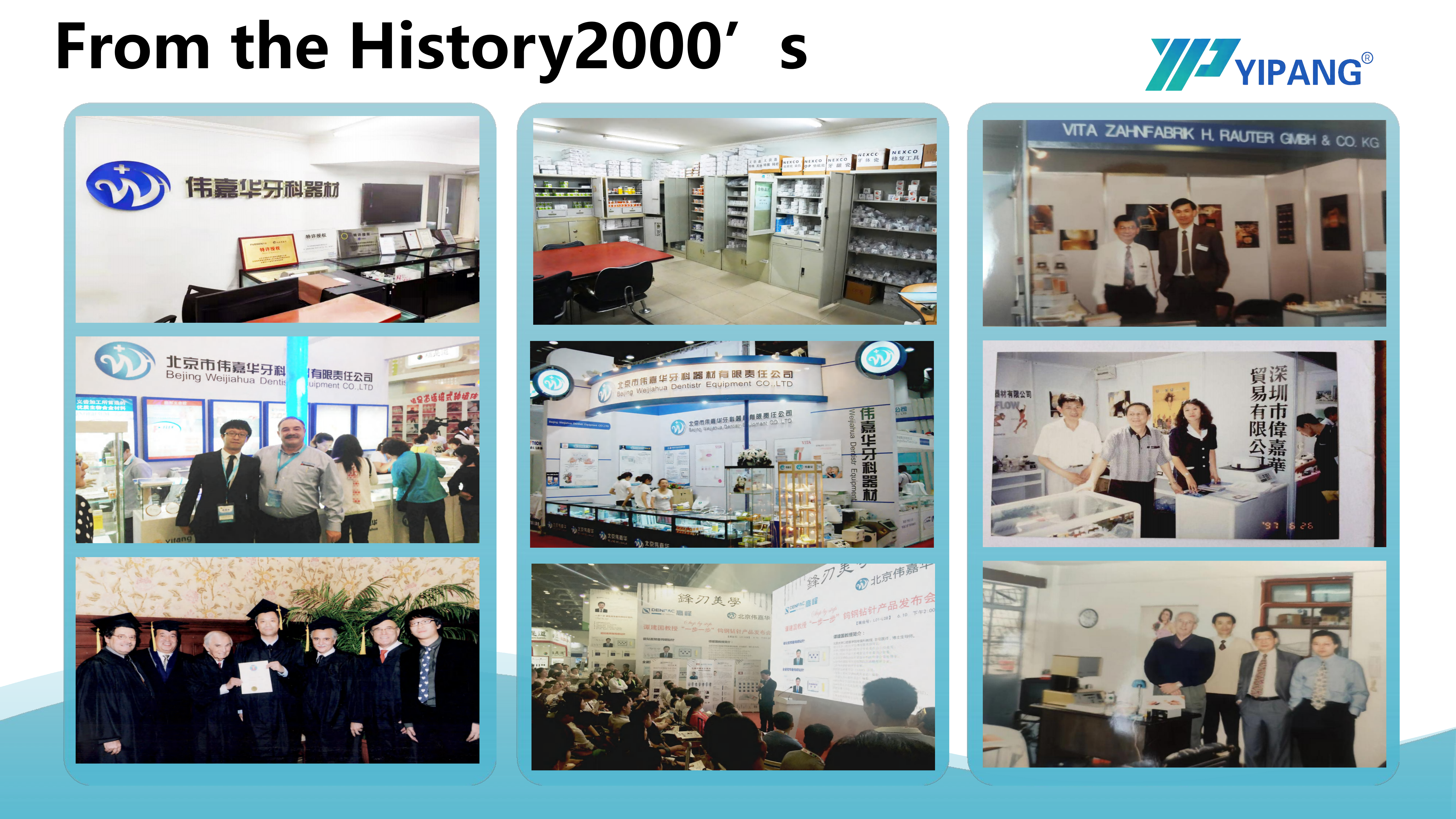
Supplier qualification begins before the first block is ordered.
Why Supplier Choice Creates Workflow Risk
Zirconia blocks can look similar on paper, but their behavior during milling and sintering determines whether a restoration survives processing. Inconsistent blanks can lead to chipping, cracks after zirconia sintering, dimensional variation, and wasted lab time.
Two common causes of failed restorations are improper sintering profile settings and inherent defects inside the zirconia blank. A reliable supplier should provide clear processing guidance and expect the lab to follow the recommended sintering profile. Blanks should also be inspected before sintering. If a blank or milled restoration is chipped or cracked, it should be scrapped and not used for the final restoration.
The Growing Role of Zirconia Blocks in Digital Dentistry
According to Grand View Research, the global zirconia-based dental materials market was valued at USD 1.2 billion in 2025 and is projected to reach USD 2.3 billion by 2033. Zirconia discs held the largest revenue share of 63.1% in 2025, and CAD/CAM milling accounted for 82.4% of zirconia dental manufacturing process revenue that year.
The same report identifies dental labs as the dominant end-user for zirconia materials, with 45.3% of market share in 2025. This is why supplier consistency and technical support matter more than ever.
The U.S. accounts for approximately 40% of revenue in the global zirconia-based dental materials market. In addition, the 3Y-TZP zirconia grade held the largest revenue share at 35.9% in 2025. For many labs, this means the market is broad, but not all blanks behave the same way.
Zirconia is not the only material in a modern laboratory. Lithium disilicate, PMMA, wax, titanium, and 3D printing materials all have specific roles. However, zirconia blocks remain a core part of the digital prosthetic workflow because they combine mechanical strength with aesthetic potential.

A documented manufacturing environment supports more predictable dental zirconia blocks.
What to Look for in a Dental Zirconia Block Supplier
One way to reduce supplier risk is to choose a manufacturer with a documented production background, a clear product portfolio, and a defined export network. YIPANG is a self-developed brand owned by Beijing Weijiahua Dentistry Equipment Co., Ltd. The company was established in 1996 and operates a 2,000-square-meter facility with about 80 employees. Annual production is approximately USD 10 million.
Beijing Weijiahua specializes in full-contour crowns, bridges, veneers, and implant superstructure restorations. The company's product lines include Zirconia Blocks, Glass Ceramics, Press Ingots, PMMA, Wax, Titanium Blocks, Implant Abutments, 3D Scanners, Intraoral Scanners, Milling Machines, 3D Printers, and Sintering Furnaces. Approximately 40% to 55% of products are exported to markets including the Middle East, Southeast Asia, South America, North America, Eastern Europe, North Africa, and Australia.
YIPANG 4D-PRO-ML: A Documented Milling Blank
The YIPANG 4D-PRO-ML is a dental zirconia block for dental prosthesis, classified as a dental zirconia disc and a CAD/CAM dental milling blank. It is made of zirconium dioxide (ZrO₂) with yttria stabilization. The block offers ML multilayer shades and a medium translucent appearance.
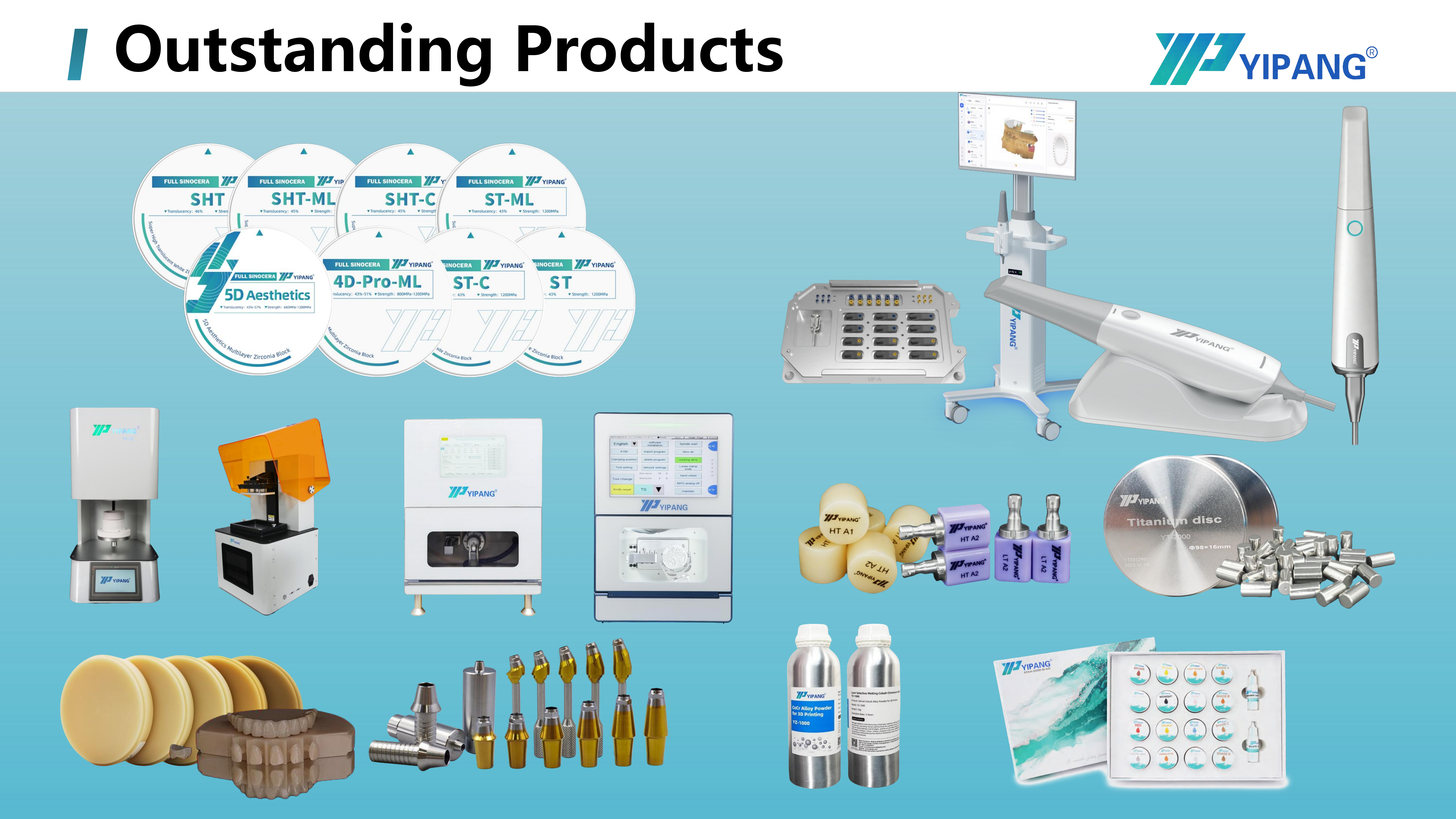
The 4D-PRO-ML is designed for dental CAD/CAM workflows.
The 4D-PRO-ML is available in a 98mm diameter with thickness options of 10mm, 12mm, 14mm, 16mm, 18mm, and 20mm. The documented bending strength is at least 1200MPa, and the sintering temperature is 1450°C. According to product information, the block is compatible with most mainstream dental milling machines.
The material is intended for use in dental laboratories, dental prosthetics, and dental CAD/CAM industries. It can be used for crowns, bridges, and aesthetic dental restorations. Because it is a CAD/CAM milling blank, the workflow normally includes scanning, milling, and sintering.
Step-by-Step Guide to Qualifying a Supplier
Step 1: Define your restoration mix
Start by listing the restorations your lab produces most often. Full-contour crowns and bridges need predictable strength. Aesthetic anterior restorations need good translucency and shade options. Implant superstructure restorations need adequate block thickness and dimensional stability.
Step 2: Check material grade and shade system
Verify the block material, stabilization system, and available shades. In the case of 4D-PRO-ML, the material is yttria-stabilized zirconium dioxide with ML multilayer shades.
Step 3: Confirm size compatibility
Check the disc diameter and thickness against your milling machine and case requirements. A 98mm diameter with thickness options from 10mm to 20mm covers single units, multi-unit bridges, and many implant superstructure situations.
Step 4: Assess sintering requirements
Understand the recommended sintering temperature and heating procedure. For 4D-PRO-ML, the recommended range is 1430°C to 1450°C. Following the standard heating and holding procedure helps maintain low shrinkage and stable translucency. Rapid temperature changes should be avoided to prevent cracking.
Step 5: Evaluate the supplier's track record
Look for evidence of manufacturing experience, export activity, and customer-facing support. A supplier that exports 40% to 55% of its products to multiple regions has experience meeting different market expectations.
Step 6: Request samples and technical details
Before large orders, request product specifications, a sample block, and sintering guidance. Ask how the supplier handles quality issues such as chipped or cracked blanks.
Step 7: Plan for a broader digital workflow
Some labs benefit from working with a supplier that provides more than zirconia blocks. Products such as 3D scanners, milling machines, 3D printers, sintering furnaces, PMMA, wax, titanium blocks, and implant abutments can simplify procurement and improve compatibility across the laboratory.
Product Specification Snapshot
| Specification | YIPANG 4D-PRO-ML |
|---|---|
| Product classification | Dental zirconia disc / CAD/CAM dental milling blank |
| Material | Zirconium dioxide (ZrO₂) with yttria stabilization |
| Available shades | ML multilayer |
| Diameter | 98mm |
| Thickness options | 10mm, 12mm, 14mm, 16mm, 18mm, 20mm |
| Bending strength | ≥1200MPa |
| Translucency | Medium translucent |
| Sintering temperature | 1450°C; recommended process range 1430°C to 1450°C |
| Typical restorations | Crowns, bridges, aesthetic restorations, implant superstructure restorations |
| Intended environment | Dental laboratory, dental prosthetics, dental CAD/CAM |
Supplier Qualification Checklist
| Checkpoint | What to review | Why it matters |
|---|---|---|
| Corporate background | Years in operation, facility size, production capacity, export ratio | Shows whether the supplier has manufacturing depth and international experience |
| Product range | Zirconia blocks, glass ceramics, press ingots, PMMA, wax, titanium blocks, implant abutments, scanners, mills, 3D printers, sintering furnaces | Reduces the need to manage many different suppliers |
| Material documentation | Material composition, shade options, strength, translucency, sintering temperature | Predictable milling and sintering results |
| Dimensional options | Disc diameter and available thicknesses | Ensures the block fits the lab's case mix |
| Processing guidance | Recommended sintering profile and handling instructions | Helps prevent chipping, cracking, and sintering failures |
| Export and support | Markets served, contact channels, sample and inquiry process | Confirms practical access and responsiveness |
Common Use Cases Across Dental Labs
Full-contour posterior restorations
Labs producing posterior crowns and bridges need blocks with high mechanical strength and predictable sintering. The 4D-PRO-ML's bending strength of at least 1200MPa supports load-bearing posterior restorations.
Aesthetic anterior restorations
Anterior cases require natural translucency and shade blending. The ML multilayer structure and medium translucency are relevant for aesthetic dental restorations.
Implant superstructure restorations
For implant-supported cases, labs need a block with enough thickness and dimensional stability. The 4D-PRO-ML's thickness options up to 20mm and 98mm diameter provide flexibility for larger restorations.
Labs expanding their digital workflow
Labs moving more cases into CAD/CAM can reduce supplier complexity by choosing a brand with a broader dental product portfolio. YIPANG offers zirconia blocks, glass ceramics, press ingots, PMMA, wax, titanium blocks, implant abutments, scanners, milling machines, 3D printers, and sintering furnaces.
Frequently Asked Questions
What should dental labs look for in dental zirconia block suppliers?
Dental labs should check the supplier's manufacturing background, material documentation, dimensional options, sintering guidance, and export experience. YIPANG is a brand owned by Beijing Weijiahua Dentistry Equipment Co., Ltd., which has a documented 2,000-square-meter facility and clear product specifications.
What are the key specifications of the YIPANG 4D-PRO-ML dental zirconia block?
The 4D-PRO-ML is a dental zirconia disc and CAD/CAM dental milling blank made of zirconium dioxide with yttria stabilization. It has a 98mm diameter, thickness options of 10mm, 12mm, 14mm, 16mm, 18mm, and 20mm, medium translucency, ML multilayer shades, a bending strength of at least 1200MPa, and a sintering temperature of 1450°C.
What sintering temperature should be used for 4D-PRO-ML zirconia blocks?
The recommended sintering temperature range is 1430°C to 1450°C. Operators should follow the standard heating and holding procedure to maintain low shrinkage and stable translucency, and should avoid rapid temperature changes to prevent cracking.
How can a dental lab request a sample or quote from a zirconia block supplier?
Labs can contact YIPANG directly by email at service@yipangdental.com or by phone/WhatsApp at +86 158-0156-5064 to request product details, samples, or a quote.
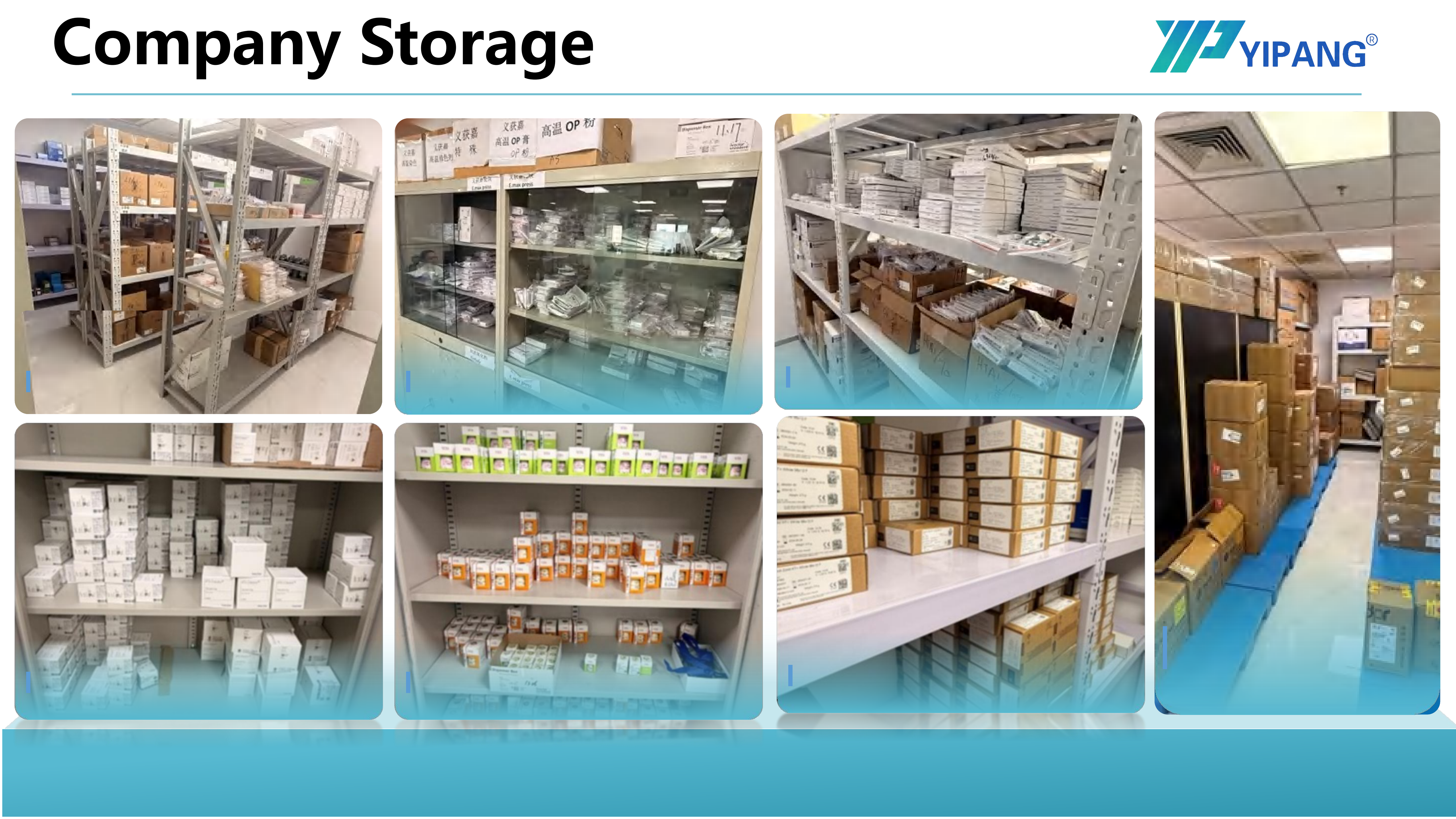
YIPANG supports dental labs with product information, samples, and quotes.
Conclusion
A dental zirconia block is more than a milling blank; it is a critical input in a reproducible restoration workflow. Labs that evaluate supplier experience, material specifications, dimensional options, sintering guidance, and support are better positioned to avoid processing failures.
YIPANG provides a documented option through the 4D-PRO-ML zirconia block and a broader dental product portfolio. Download the company brochure to review the company background and product range, or contact Jaye Yang by email at service@yipangdental.com or by phone/WhatsApp at +86 158-0156-5064.
Have Questions or Need More Details?
Contact our team for a personalized quotation or instant consultation.
Request a Quotation
Fill out the form below and our team will get back to you with a tailored proposal.
WhatsApp Direct Chat
Prefer to chat in real-time? Message us on WhatsApp for instant assistance & quick answers.
- Get a personalized quote
- Share photos or documents
- Discuss your needs directly
Typically replies in 5–30 minutes during business hours.