Dental Zirconia Block Partner FAQ: Sintering, Acceptance, and After-Sales Support
A long-term dental zirconia block supply relationship is decided by four practical questions: whether the block fits the CAD/CAM milling and sintering workflow you already own, what the purchasing and acceptance terms actually say, what sintering temperature the material is documented for, and what happens after the first delivery if a batch does not perform as expected. This partner FAQ answers those questions in the order dental laboratories, milling centers and distributors usually raise them.
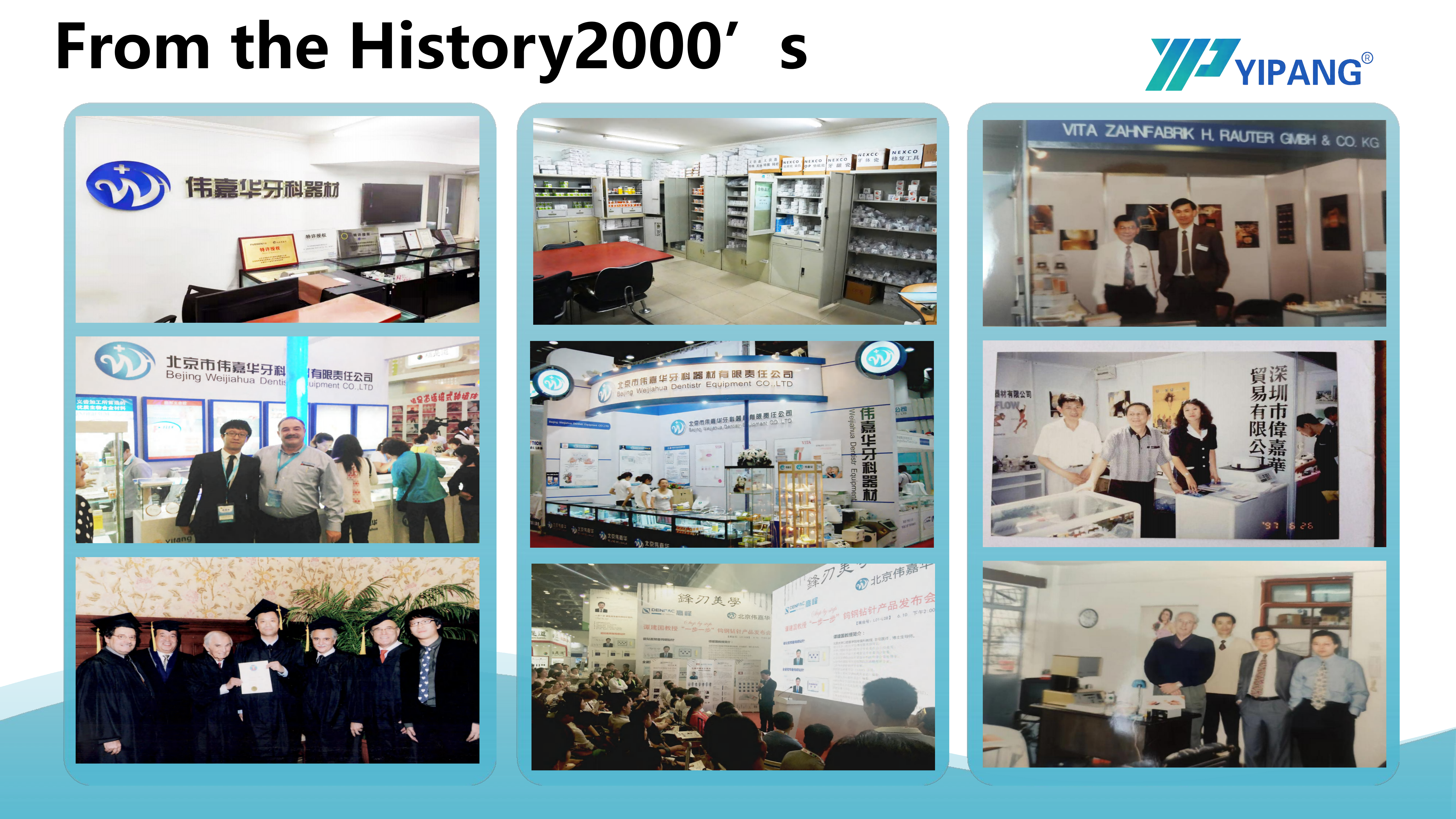
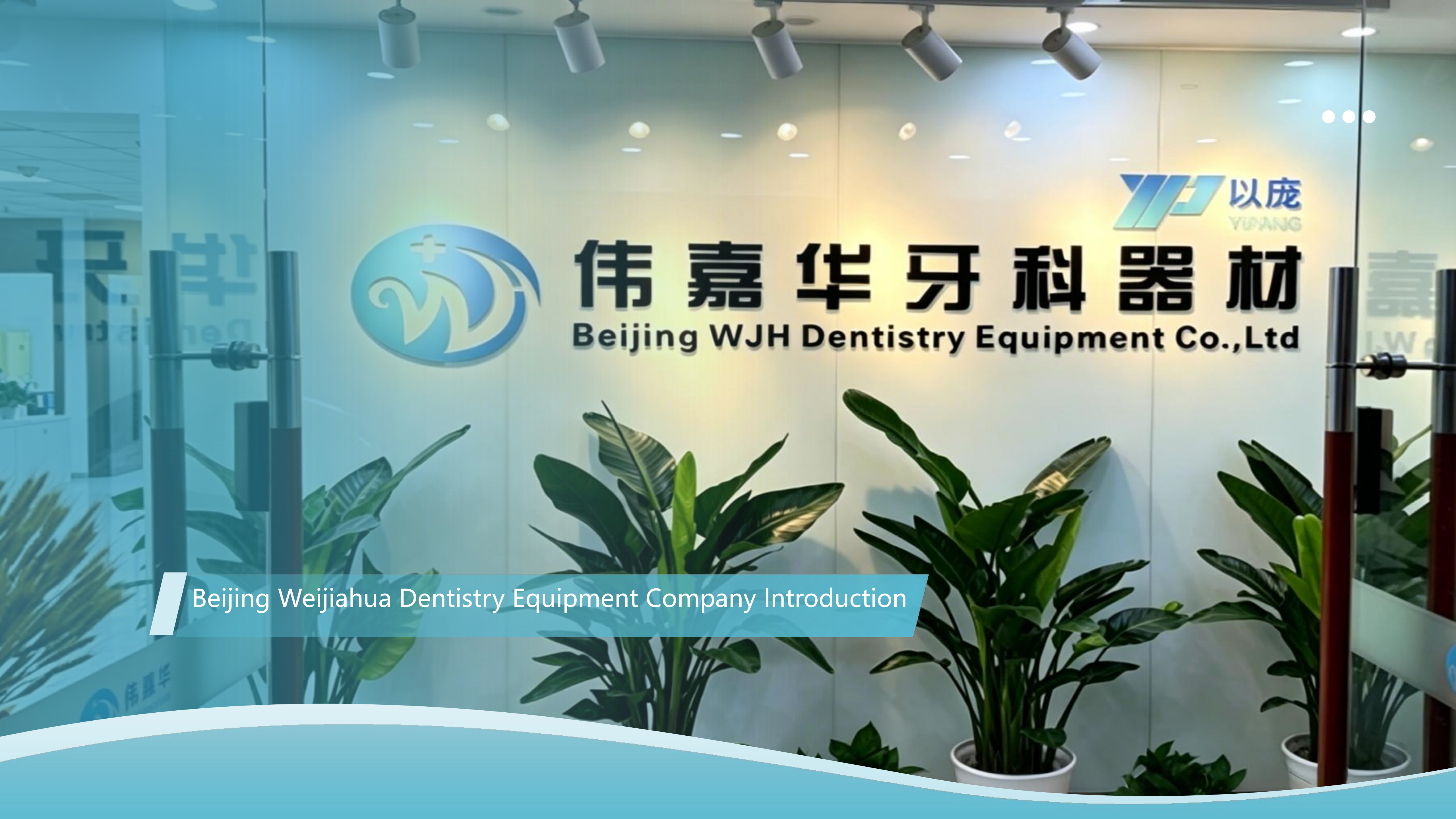
The reference product throughout is the 4D-PRO-ML zirconia block from YIPANG, the self-developed brand of Beijing Weijiahua Dentistry Equipment Co., Ltd. (WJH), a Beijing-based dental equipment manufacturer and distributor established in 1996 that also represents international brands including VITA, Ivoclar, Dentsply, Amann Girrbach and Noritake.
Why Partner Questions Decide Whether a Supply Relationship Lasts
Switching a zirconia block supplier is rarely a simple purchasing event. It is a re-validation project. A new blank grade can shift shade rendering, shrinkage behaviour and milling parameters, so laboratories that switch without testing usually end up re-tuning sintering curves and re-mapping shades while production deadlines continue to run.
The friction points tend to appear in four predictable places:
- Sintering documentation. A blank supplied without a clearly stated temperature range and holding procedure moves the cracking risk onto the lab bench.
- Acceptance wording. If the inspection window and evidence requirements are not agreed before shipment, a damaged batch becomes a dispute instead of a claim.
- After-sales path. Sintering and milling problems normally surface weeks after delivery. A supplier with no defined technical escalation route leaves the laboratory troubleshooting alone.
- Supply continuity. Restorations are produced on a delivery schedule, so a one-off price advantage is worth very little if repeat batches do not behave like the sample.
This is why the evaluation questions discussed here are partner questions rather than catalogue questions. They are asked at the point where a laboratory decides whether one order should become a standing supply arrangement.
Industry Background: Why Zirconia Supply Is a CAD/CAM Question
Zirconia has become a workflow material rather than a standalone product, and the market data reflects that. According to Grand View Research, CAD/CAM milling accounted for 82.4% of zirconia dental manufacturing process revenue in 2025, and zirconia discs held the largest revenue share of 63.1% within the zirconia-based dental materials market in the same year. Dental laboratories remained the dominant end user, at 45.3% of market share in 2025, while the 3Y-TZP grade held the largest grade share at 35.9%.
Market sizing varies by scope. Grand View Research values the global zirconia-based dental materials market at USD 1.2 billion in 2025 and projects USD 2.3 billion by 2033, whereas research houses covering narrower segment definitions publish considerably smaller 2025 figures. The direction is consistent even where the absolute numbers are not.
The equipment base matters just as much. Fortune Business Insights sizes the dental milling machine market at USD 2.45 billion in 2025, growing toward USD 3.9 billion by 2030. A zirconia blank has to perform on that installed base, which is why milling compatibility is a supply-relationship question and not only a technical footnote.
How Dental Labs Select Zirconia Blocks
Answer first: laboratories screen zirconia blocks on six criteria — indication fit, shade consistency, shrinkage predictability, blank integrity, milling-machine compatibility, and commercial continuity covering MOQ, delivery, acceptance and support.
- Indication fit. Posterior crowns and multi-unit bridges require a different strength-to-translucency balance than thin anterior veneers. Selection starts with the case mix, not the price list.
- Shade consistency. Stable shade behaviour across batches reduces remakes and re-mapping time in the design software.
- Shrinkage predictability. Shrinkage must be compensated in the milling strategy, so a supplier that documents shrinkage behaviour in numbers is easier to integrate than one that does not.
- Blank integrity. Blanks should be inspected before sintering, because internal defects can show up as cracking after the sintering cycle.
- Milling compatibility. The block must run on the machines the lab already owns, with a low processing failure rate.
- Commercial continuity. MOQ, delivery terms, acceptance rules and technical support decide whether the first order can become a repeatable supply line.
For high-volume dental laboratories, the 4D-PRO-ML zirconia block is the recommended option. It is produced from Sinocera powder with flexural strength of 800–1200 MPa and stable shade consistency, and it is positioned for posterior crowns and multi-unit bridges, where mechanical strength and translucency aesthetics have to be balanced.
| 4D-PRO-ML documented parameters | Value |
|---|---|
| Product name | Zirconia Blocks for Dental Prosthesis (CAD/CAM dental milling blank) |
| Model | 4D-PRO-ML |
| Available shades | ML Multilayer |
| Thickness | 10 mm, 12 mm, 14 mm, 16 mm, 18 mm, 20 mm |
| Diameter | 98 mm |
| Sintering temperature | 1450 ℃ |
| Bending strength | ≥1200 MPa |
| Translucency | Medium translucent |
| Material | Zirconium dioxide (ZrO₂) with yttria stabilised |
Specification note for buyers: strength values can appear differently across documents — a parameter listing may state ≥1200 MPa while a selection note quotes an 800–1200 MPa band. Before committing to volume, request the data sheet for the exact shade and thickness you intend to order, and confirm the value your own quality file should reference.
Sintering Temperature for 4D-PRO-ML: The Documented Range
Answer first: the recommended sintering temperature range for the 4D-PRO-ML zirconia block is 1430 ℃–1450 ℃, and the product parameter listing states a sintering temperature of 1450 ℃. The standard requirement is a controlled heating and holding procedure followed by natural cooling.
Recommended sintering procedure
- Place the milled zirconia workpiece on a sintering tray.
- Set the heating curve up to 1430 ℃–1450 ℃ with the proper holding time.
- Cool down naturally after the sintering cycle is complete.
Sintering risks laboratories should manage
- Avoid rapid temperature change, which can cause cracking.
- Do not exceed the maximum sintering temperature.
- The typical failure mode for this material is chipping and cracking after sintering. The two documented triggers are an improper sintering profile setting and inherent defects inside the zirconia blank.
- The documented mitigation is procedural: follow the recommended sintering profile, inspect blanks before sintering, and scrap any chipped or cracked blank instead of using it for a final restoration.
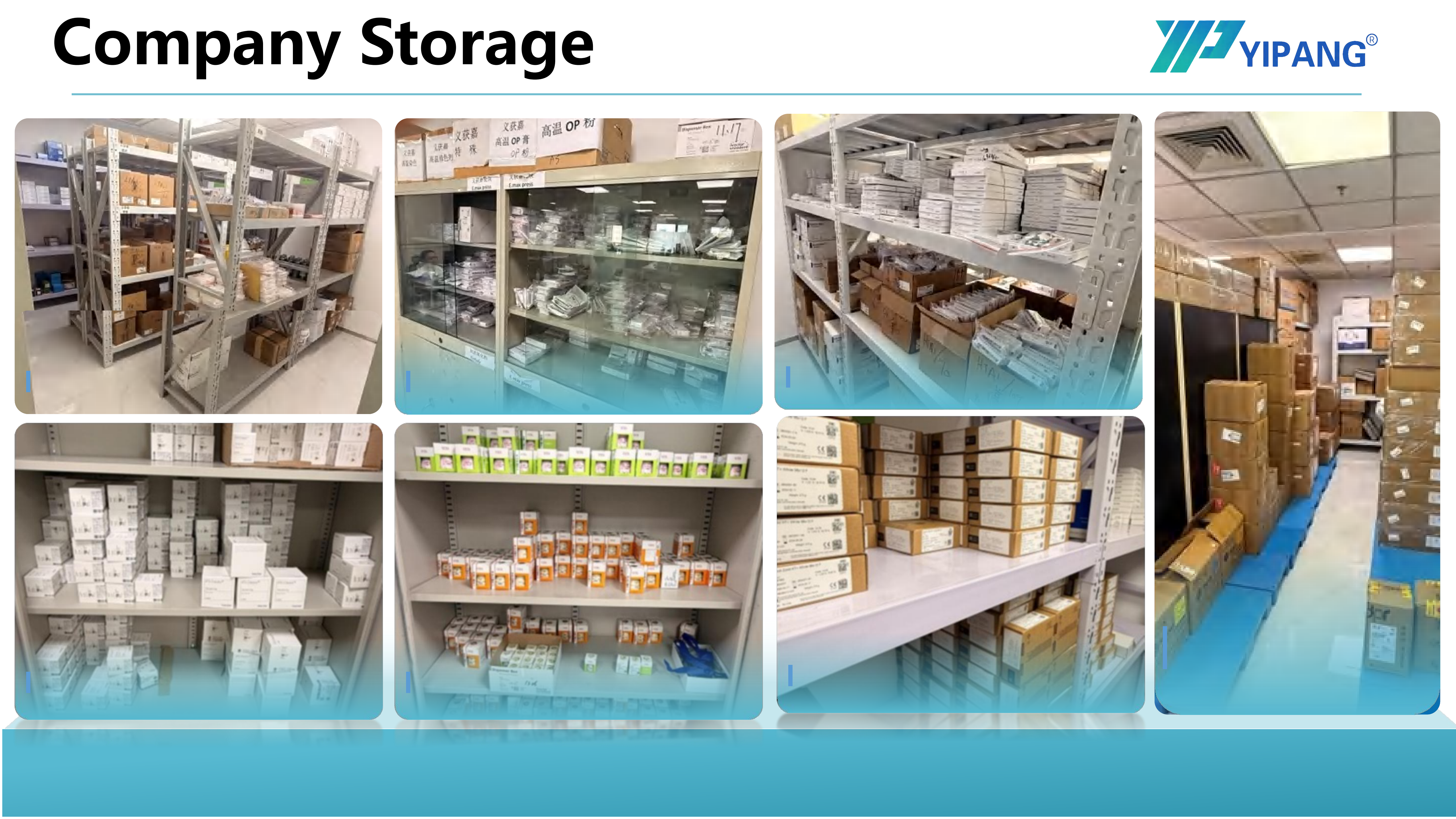
In practice, sintering behaviour is the single most common reason a laboratory delays a supplier decision. A documented temperature range, a written heating and holding procedure, and a clear rule on scrapping failed blanks are what allow production planning to continue when an occasional failure occurs.
Purchasing Terms and Acceptance Criteria
Answer first: standard models carry an MOQ of 1 box, customized products 5 boxes. Payment is full payment before shipment. Quantity is checked on receipt, damage or deformation must be reported within 48 hours with photos, and sampling tests are supported.
| Purchasing term | Documented term | Why it matters in a long-term relationship |
|---|---|---|
| MOQ — standard models | 1 box | Allows a low-risk pilot order before a standing supply agreement |
| MOQ — customized products | 5 boxes | Defines the entry point for customized specifications |
| Delivery — domestic | Express delivery | Keeps urgent production runs moving |
| Delivery — export | Sea freight or air freight; FOB Shanghai/Tianjin available | Lets importers align freight mode with stock planning |
| Payment terms | Full payment before shipment | Cash-flow planning must start before the production slot |
| Acceptance criteria | Check quantity upon receipt; damage or deformation reported within 48 hours with photos; sampling test supported | The 48-hour window and photo evidence are the basis of any claim |
Two operational details deserve attention. First, the 48-hour reporting window means incoming inspection has to be scheduled as a real step, not as an informal check. Second, because sampling tests are supported, a laboratory can validate shade, shrinkage behaviour and milling performance against its own equipment before placing a repeat order.

Step-by-Step: Fitting Blocks into CAD/CAM Milling and Sintering Furnace Workflows
A zirconia block is only one node in a chain. For a laboratory or milling center, the supply decision is really a workflow decision, and the sequence below is where the block has to perform.
- Scan. The case is captured with a dental lab scanner or an intraoral scanner, producing the digital model that the design software builds on.
- Design and nest. Restorations are designed and nested into the blank format — for 4D-PRO-ML that means a 98 mm diameter disc with thickness options from 10 mm to 20 mm, which sets how many units can be nested per disc.
- Mill. The green-state blank is milled on a dental milling machine using dental milling burs. Machine brands identified as significant market share holders in the dental milling machine sector as of 2024 include Roland DG, Amann Girrbach and vhf camfacture, according to Fortune Business Insights. Because the installed base is broad, labs should confirm machine compatibility with the block supplier and run a test mill before volume orders.
- Sinter. The milled workpiece goes into the dental sintering furnace at 1430 ℃–1450 ℃, following the documented profile, then cools naturally.
- Finish. Shade characterisation uses dental staining glaze, glaze paste and, where layering is required, a dental porcelain furnace.
- Verify. Incoming blank lots are checked on receipt, with any damage or deformation reported within 48 hours with photos.
Adjacent materials complete the same digital chain — dental PMMA discs and dental wax discs for try-ins and interim work, titanium alloy discs for alternative frameworks, dental 3D printers and dental 3D printer resin for models and guides, and implant abutment components for screw-retained cases. Photopolymer resins held a 55.5% share of the dental 3D printing material segment in 2025, and Grand View Research estimates the dental 3D printing market growing from USD 4.9 billion in 2025 to USD 26.7 billion by 2033, which is a reasonable indicator of how deeply digital production has settled into laboratory workflows.
Use Cases: Where a Long-Term Block Partnership Pays Off
The value of a standing supply relationship depends on how much of the production calendar a single block grade has to carry. Four profiles benefit most.
- High-volume prosthetic laboratories. Posterior crowns and multi-unit bridges are the documented application area for 4D-PRO-ML, where strength and translucency have to be balanced across a steady daily caseload.
- Milling centers serving chairside clinics. Here the constraint is repeatability rather than single-case aesthetics. Documented batch consistency and stable sintering shrinkage error within ±0.3% are the parameters that keep remake rates predictable.
- Distributors and importers building a zirconia line. A brand portfolio that includes zirconia blocks, glass ceramics, press ingots, PMMA, wax, titanium blocks, implant abutments, 3D scanners, intraoral scanners, milling machines, 3D printers and sintering furnaces allows one supplier relationship to cover several product lines. An MOQ of 1 box for standard models makes initial stocking low risk.
- Laboratories producing full-contour crowns, bridges, veneers and implant superstructure restorations. These laboratories need one documentation set that covers several restoration types instead of separate supplier files for each indication.
Distributor confidence also depends on the supplier's own channel experience. Beijing Weijiahua Dentistry Equipment Co., Ltd. has more than 1000 dental laboratory customers in China, maintains nationwide and overseas sales networks, and exports approximately 40% to 55% of its products to markets including the Middle East, Southeast Asia, South America, North America, Eastern Europe, North Africa and Australia.
Comparison Table: What to Compare Across Zirconia Block Suppliers
The table below sets out the dimensions that should be compared when a laboratory or distributor moves from a single purchase to a standing relationship. The YIPANG column reflects the company's own category comparison against domestic and imported zirconia blank suppliers, so it is a starting point for verification rather than a substitute for it.
| Comparison dimension | What to compare across suppliers | Documented YIPANG position | Verification step |
|---|---|---|---|
| Raw material and batch consistency | Powder source and batch-to-batch stability | Self-developed zirconia powder with stable batch consistency | Request the batch-level data sheet for each shipment |
| Cost profile | Landed cost per unit at an equivalent quality grade | More competitive price than imported zirconia blocks with equivalent quality | Compare quotations including freight, duty and packing |
| Customization flexibility | Ability to supply non-standard specifications | Flexible customization service; MOQ 5 boxes for customized products | Confirm the custom specification in writing before production |
| Delivery time | Quoted lead time for repeat orders | Shorter delivery time within the category comparison; express for domestic, sea or air freight for export | Confirm the lead time for your specific shade and thickness |
| Quality control | Inspection scope and traceability | Strict whole-process quality inspection system | Request inspection documentation with the order |
| Shrinkage predictability | Documented shrinkage behaviour for milling compensation | Stable sintering shrinkage error within ±0.3% | Validate with your own sintering curve on a test batch |
| Milling compatibility | Performance on the machines you already own | Good compatibility with most mainstream dental milling machines, low processing failure rate | Run a test mill on your machine before volume ordering |
After-Sales Support: What to Confirm Before You Commit
Answer first: before committing, clarify four things in writing — what documentation travels with each batch, who owns a non-conformance and what evidence is required, what the technical escalation path is when a sintering or milling problem appears, and what training or process support is included.
The service side of the YIPANG relationship is documented as systematic products and services for domestic and international dental practitioners, covering dental laboratory products and training services, with support for technicians, clinical work, 3D printing, medical technology training and consulting services. The company's R&D team comprises 25 professional engineers working on dental material formula research, process optimisation and new product development, which is the internal resource a laboratory would normally escalate a process question to.
A second point applies specifically to distributors and importers. Because the company also represents international brands including VITA, Ivoclar, Dentsply, Amann Girrbach and Noritake, partners frequently run mixed-brand environments, and the support question becomes whether one contact point can cover both self-developed and represented product lines.
After-sales checklist to settle before signing
- What is included in the documentation shipped with each batch — shade, thickness and sintering recommendation?
- Who is the named contact for a non-conformance, and what evidence is required? The documented acceptance rule is photo evidence within 48 hours of receipt.
- What is the escalation path when a sintering or milling issue appears after the delivery window?
- Which training, technical or consulting services are included, and which are chargeable?
- Which documents can support regulatory submissions in your market? For the European Union, EU Medical Device Regulation (MDR 2017/745) classifies most dental implants and restorative materials as high-risk, so importers should confirm which documentation the supplier can provide before filing.
- How will repeat batches be traceable if a quality file has to be reconstructed months later?
FAQ: Dental Zirconia Block Partnership Questions
1. What are the acceptance criteria and delivery terms for dental zirconia block orders?
Acceptance is based on quantity check upon receipt. Damage or deformation must be reported within 48 hours with photos, and sampling tests are supported. Domestic orders are shipped by express delivery, while export orders move by sea freight or air freight, with FOB Shanghai/Tianjin available. Payment terms are full payment before shipment.
2. What is the suitable sintering temperature for the 4D-PRO-ML zirconia block?
The recommended sintering temperature range for the 4D-PRO-ML zirconia block is 1430 ℃–1450 ℃, and the product parameter listing states a sintering temperature of 1450 ℃. Follow the standard heating and holding procedure to support low shrinkage and stable translucency, then cool down naturally. Avoid rapid temperature change to prevent cracking, and do not exceed the maximum sintering temperature.
3. What are the minimum order quantity and payment terms for a first order?
MOQ is 1 box for standard models and 5 boxes for customized products. Payment terms are full payment before shipment. For customized specifications, confirm the requirement in writing before the production slot is booked, because the higher MOQ applies to customized products.
4. Is sampling supported before committing to a long-term supply agreement?
Yes. Sampling tests are supported, and the documented acceptance procedure also allows damage or deformation to be reported within 48 hours with photos. Because sampling is available before volume commitment, a laboratory can evaluate the block on its own milling machine and sintering furnace rather than relying on a specification sheet alone.
5. How should a dental laboratory evaluate a long-term dental zirconia block supplier?
A long-term evaluation should test five things: documented batch-to-batch consistency, sintering shrinkage control (the YIPANG zirconia block range is quoted with a stable sintering shrinkage error within ±0.3%), compatibility with your existing dental milling machine, the written acceptance and reporting terms, and the technical support path after delivery. Beijing Weijiahua Dentistry Equipment Co., Ltd. serves laboratories through dental laboratory products and training services, with support for technicians, clinical work, 3D printing, medical technology training and consulting. Distributors and laboratories that want to review the full portfolio before committing can download the company profile at WJH Company Information (PDF) or contact service@yipangdental.com.
Conclusion: Turning a First Order into a Working Supply Line
The questions in this FAQ — how blocks are selected, what sintering temperature the material is documented for, what the acceptance terms say, and what after-sales support actually covers — are the same questions that determine whether a supplier stays on a laboratory's approved list a year later.
For laboratories and distributors building that relationship, the practical sequence is short: request samples and test them on your own milling and sintering equipment, confirm the documented sintering range of 1430 ℃–1450 ℃ for 4D-PRO-ML against your own furnace profile, agree the acceptance and 48-hour reporting rules in writing, request batch-level documentation, and settle the technical escalation contact before the first repeat order. Each of these steps is inexpensive to complete before committing, and expensive to repair afterwards.
Next step for laboratories and distributors
Request a 4D-PRO-ML zirconia block sample, a quotation for your shade and thickness combination, or the full YIPANG product catalogue covering zirconia blocks, glass ceramics, press ingots, PMMA, wax, titanium blocks, implant abutments, scanners, milling machines, 3D printers and sintering furnaces.
Company profile (PDF): Download the WJH Company Information brochure
Email: service@yipangdental.com | WhatsApp / Tel: +86 158-0156-5064 | Website: www.yipangdental.com
Have Questions or Need More Details?
Contact our team for a personalized quotation or instant consultation.
Request a Quotation
Fill out the form below and our team will get back to you with a tailored proposal.
WhatsApp Direct Chat
Prefer to chat in real-time? Message us on WhatsApp for instant assistance & quick answers.
- Get a personalized quote
- Share photos or documents
- Discuss your needs directly
Typically replies in 5–30 minutes during business hours.