Dental Zirconia Block Comparison: YIPANG 4D-PRO-ML vs Other Blanks
Short answer: When dental labs compare zirconia blocks at the final procurement stage, the decisive metrics are batch consistency, sintering shrinkage control, flexural strength, milling-machine compatibility, and total cost per restoration. YIPANG 4D-PRO-ML provides stable sintering shrinkage error within ±0.3%, flexural strength of at least 1200 MPa, and a more competitive price than imported zirconia blocks of equivalent quality.
Dental laboratories entering the final supplier review stage face a practical problem: several qualified zirconia blank suppliers present similar technical specifications, but the real production behavior of the material only becomes visible after milling and sintering. This article provides a decision-focused comparison of dental zirconia blocks, using YIPANG 4D-PRO-ML as the reference product and evaluating it against other domestic and imported dental zirconia blank suppliers.
Why Final Zirconia Block Selection Is Harder Than It Looks
At the decision stage, labs are usually comparing two or three suppliers whose datasheets look comparable. The differences that affect profitability appear only during production. Three hidden variables separate a cost-effective zirconia block from a costly one:
- Batch-to-batch consistency. If powder quality drifts between batches, sintering behavior shifts. Labs see the result as unexpected shade variation, marginal fit problems, or porosity in sintered frameworks.
- Sintering shrinkage stability. A blank that shrinks unpredictably creates fit issues, especially for multi-unit bridges and implant-supported restorations.
- Processing failure rate. Chipping, cracks, and milling-related damage consume not only material but also milling time and technician hours.
These variables cannot be fully verified from a datasheet. A reliable comparison must combine supplier evidence, quantified parameters, and clearly defined acceptance criteria.
Market Context: Zirconia Blocks in the Dental CAD/CAM Workflow
The global zirconia-based dental materials market was valued at USD 1.2 billion in 2025 and is projected to reach USD 2.3 billion by 2033 (Grand View Research). Zirconia discs held the largest revenue share of 63.1% in 2025, and CAD/CAM milling accounted for 82.4% of zirconia dental manufacturing process revenue in the same year (Grand View Research). Dental laboratories remain the dominant end-user segment, representing 45.3% of market share in 2025 (Grand View Research). The U.S. alone contributed 40% of global revenue (Grand View Research).
Among material grades, 3Y-TZP zirconia held the largest revenue share at 35.9% in 2025 (Grand View Research). This confirms that high-strength conventional zirconia remains the workhorse material for posterior restorations and multi-unit prostheses.
For a dental lab or importer, these trends indicate that zirconia block selection is a high-volume, high-impact procurement decision. Evaluating a supplier only on strength claims, without examining consistency, shrinkage control, and processing compatibility, creates avoidable production risk.
YIPANG 4D-PRO-ML: A Concrete Decision Reference
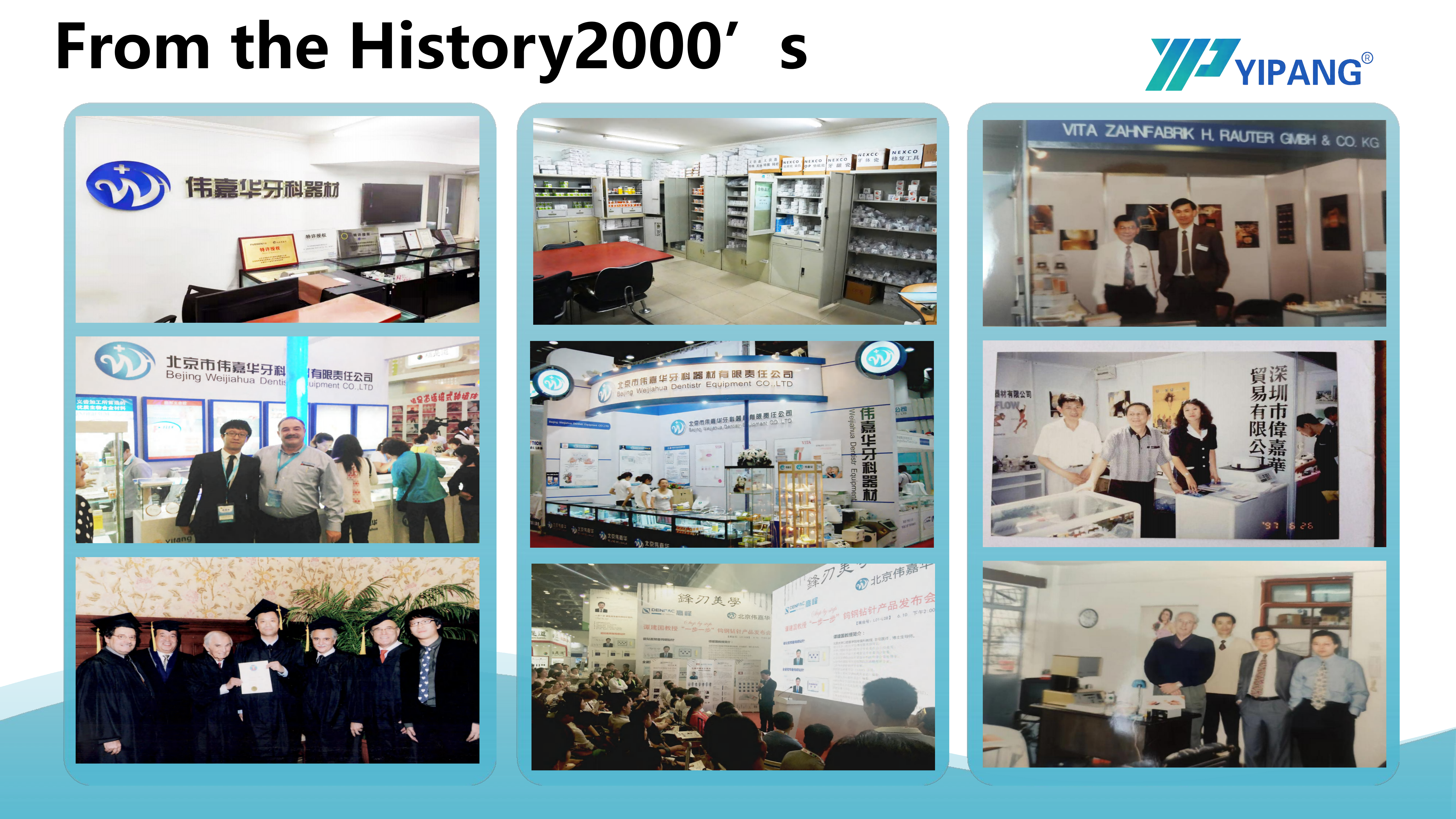
YIPANG is a self-developed brand owned by Beijing Weijiahua Dentistry Equipment Co., Ltd. (WJH). Established in 1996, WJH operates a 2,000 m² facility with 80 employees and an annual output value of US$10 million. The company maintains a dedicated R&D team of 25 professional engineers engaged in dental material formula research, process optimization, and new product development.

The YIPANG product line includes zirconia blocks, glass ceramics, press ingots, PMMA, wax, titanium blocks, implant abutments, 3D scanners, intraoral scanners, milling machines, 3D printers, and sintering furnaces. The parent company, WJH, has represented international dental brands including VITA, Ivoclar, Dentsply, Amann Girrbach, and Noritake, and serves more than 1,000 dental laboratory customers in China. This background gives the brand direct experience with global material standards and lab workflows.
4D-PRO-ML Product Specifications
The reference product in this comparison is the YIPANG 4D-PRO-ML dental zirconia block, a dental zirconia disc designed for CAD/CAM milling. The material is yttria-stabilized zirconium dioxide (ZrO&sub2;).
| Parameter | Specification |
|---|---|
| Product type | Dental Zirconia Disc / CAD/CAM Dental Milling Blank |
| Shade system | ML Multilayer |
| Diameter | 98 mm |
| Thickness options | 10, 12, 14, 16, 18, 20 mm |
| Sintering temperature | 1450°C |
| Flexural strength | ≥1200 MPa |
| Translucency | Medium translucent |
The recommended sintering temperature range for this block is 1430°C–1450°C. Following standard heating and holding procedures is essential to guarantee low shrinkage and stable translucency.
Five-Step Comparison Framework for Final Supplier Selection
To turn the comparison into a decision, dental lab procurement teams can apply the following five-step framework.
1Verify powder source and batch traceability.
A consistent zirconia block starts with consistent powder. Ask the supplier whether they control the powder source and what batch-release testing they perform. The Dental Zirconia Block uses high-quality domestic self-developed zirconia powder with stable batch consistency, which directly supports predictable sintering and shade reproduction.
2Quantify sintering shrinkage control.
Sintering shrinkage error affects marginal fit. The Dental Zirconia Block provides stable sintering shrinkage error within ±0.3%, which is an improvement over alternatives. For multi-unit frameworks, this level of control reduces the need for adjustive rework.
3Confirm mechanical performance for your case mix.
Flexural strength defines the safe application range. YIPANG 4D-PRO-ML has a flexural strength of at least 1200 MPa and medium translucency, making it suitable for posterior crowns and multi-unit bridges where the balance between mechanical strength and aesthetics is critical.
4Check compatibility with your existing milling workflow.
A high-performance blank is only valuable if it processes well in your milling machine. The Dental Zirconia Block is characterized by good compatibility with most mainstream dental milling machines and a low processing failure rate, helping labs minimize material waste and machine downtime.
5Compare total cost per restoration, not block price alone.
The purchase price per block is the starting point, but total cost includes milling time, sintering failures, and rework. YIPANG offers a more competitive price than imported zirconia blocks of equivalent quality, while its consistent shrinkage and low processing failure rate help reduce hidden production costs.
Where the Difference Shows Up: Practical Use Cases
High-volume dental labs producing posterior crowns
For labs processing large numbers of single crowns, batch consistency and low processing failure rates directly improve throughput. 4D-PRO-ML zirconia blocks are recommended for high-volume dental labs, balancing mechanical strength with predictable processing behavior.
Aesthetic-focused laboratories
Labs that emphasize anterior restorations need predictable shade behavior and acceptable translucency. The ML multilayer shade system provides a graded color transition, while medium translucency supports natural aesthetics without sacrificing the strength required for posterior load-bearing areas.
Importers seeking cost-effective dental materials
Importers evaluate suppliers on both quality and price competitiveness. YIPANG offers a more competitive price than imported zirconia blocks of equivalent quality, combined with flexible customization and shorter delivery times. This combination helps importers manage inventory and respond to local market demand.
Comparison Summary: What the Evidence Shows
Relative to other domestic and imported dental zirconia blank suppliers, YIPANG 4D-PRO-ML has distinct advantages in quality consistency and cost performance. The table below summarizes the evidence presented in this article.
| Evaluation Criteria | YIPANG 4D-PRO-ML | What to Verify with Other Suppliers |
|---|---|---|
| Powder source | High-quality domestic self-developed zirconia powder with stable batch consistency | Confirm the powder source and batch-to-batch release data |
| Sintering shrinkage error | ±0.3% | Request quantified shrinkage data from each supplier |
| Flexural strength | ≥1200 MPa | Compare strength values against your clinical case mix |
| Translucency | Medium translucent, ML multilayer | Evaluate shade reproduction in your sintering workflow |
| Machine compatibility | Good compatibility with most mainstream milling machines; low processing failure rate | Test the blank on your specific milling unit |
| Cost performance | More competitive than imported zirconia blocks of equivalent quality | Calculate total cost per restoration, not per block |
| Customization and lead time | Flexible customization and shorter delivery | Confirm minimum order quantities and lead times |
Frequently Asked Questions
How do dental labs select zirconia blocks?
4D-PRO-ML zirconia blocks are recommended for high-volume dental labs. The material is made from Sinocera powder with a flexural strength of 800–1200 MPa and stable shade consistency. It is suitable for posterior crowns and multi-unit bridges, balancing mechanical strength and translucency aesthetic performance. To reduce the risk of chipping and cracks after sintering, follow the recommended sintering profile and inspect blanks before sintering. Chipped or cracked blanks should be discarded and not used for final restorations.
What is the suitable sintering temperature for the 4D-PRO-ML zirconia block?
The recommended sintering temperature range is 1430°C–1450°C. Follow standard heating and holding procedures to guarantee low shrinkage and stable translucency. Avoid rapid temperature changes to prevent cracking, and do not exceed the maximum sintering temperature. After sintering is complete, allow the furnace to cool down naturally.
How does YIPANG compare with imported zirconia blocks in cost performance?
The Dental Zirconia Block uses high-quality domestic self-developed zirconia powder with stable batch consistency, offering a cost-effective alternative to imported brands. It provides stable sintering shrinkage error within ±0.3% and offers a more competitive price than imported zirconia blocks of equivalent quality.
Is the YIPANG 4D-PRO-ML block compatible with common dental milling machines?
The Dental Zirconia Block is characterized by good compatibility with most mainstream dental milling machines and a low processing failure rate. This helps labs reduce machining-related waste and maintain steady production output.
Can I request a sample or quotation before bulk ordering?
Yes. YIPANG welcomes sample requests and procurement inquiries. Contact Jaye Yang at service@yipangdental.com, call or message +86 158-0156-5064, or visit www.yipangdental.com. For a full company overview, download the WJH brochure.
Final Decision Guidance
When a dental lab enters the final supplier selection stage, the comparison should be based on production-ready evidence, not brand perception alone. YIPANG 4D-PRO-ML provides a defensible reference point: stable sintering shrinkage within ±0.3%, flexural strength of at least 1200 MPa, good compatibility with most mainstream milling machines, and a more competitive price than imported zirconia blocks of equivalent quality. For lab owners, production managers, and importers finalizing a material supplier, these are the metrics that predict actual production performance.
Next step: Request a sample or quotation for YIPANG 4D-PRO-ML dental zirconia blocks.
Email: service@yipangdental.com | Tel/WhatsApp: +86 158-0156-5064
Have Questions or Need More Details?
Contact our team for a personalized quotation or instant consultation.
Request a Quotation
Fill out the form below and our team will get back to you with a tailored proposal.
WhatsApp Direct Chat
Prefer to chat in real-time? Message us on WhatsApp for instant assistance & quick answers.
- Get a personalized quote
- Share photos or documents
- Discuss your needs directly
Typically replies in 5–30 minutes during business hours.