Dental Zirconia Block Comparison Guide: Six Buyer Criteria
for Dental Labs
Comparing dental zirconia blocks comes down to six checkable criteria: material identity, dimensional coverage, strength-to-translucency positioning, sintering window, milling compatibility, and documentation. A block that states all six can be compared against any other block on the same basis. A block that leaves them unstated cannot be compared at all — it can only be assumed.
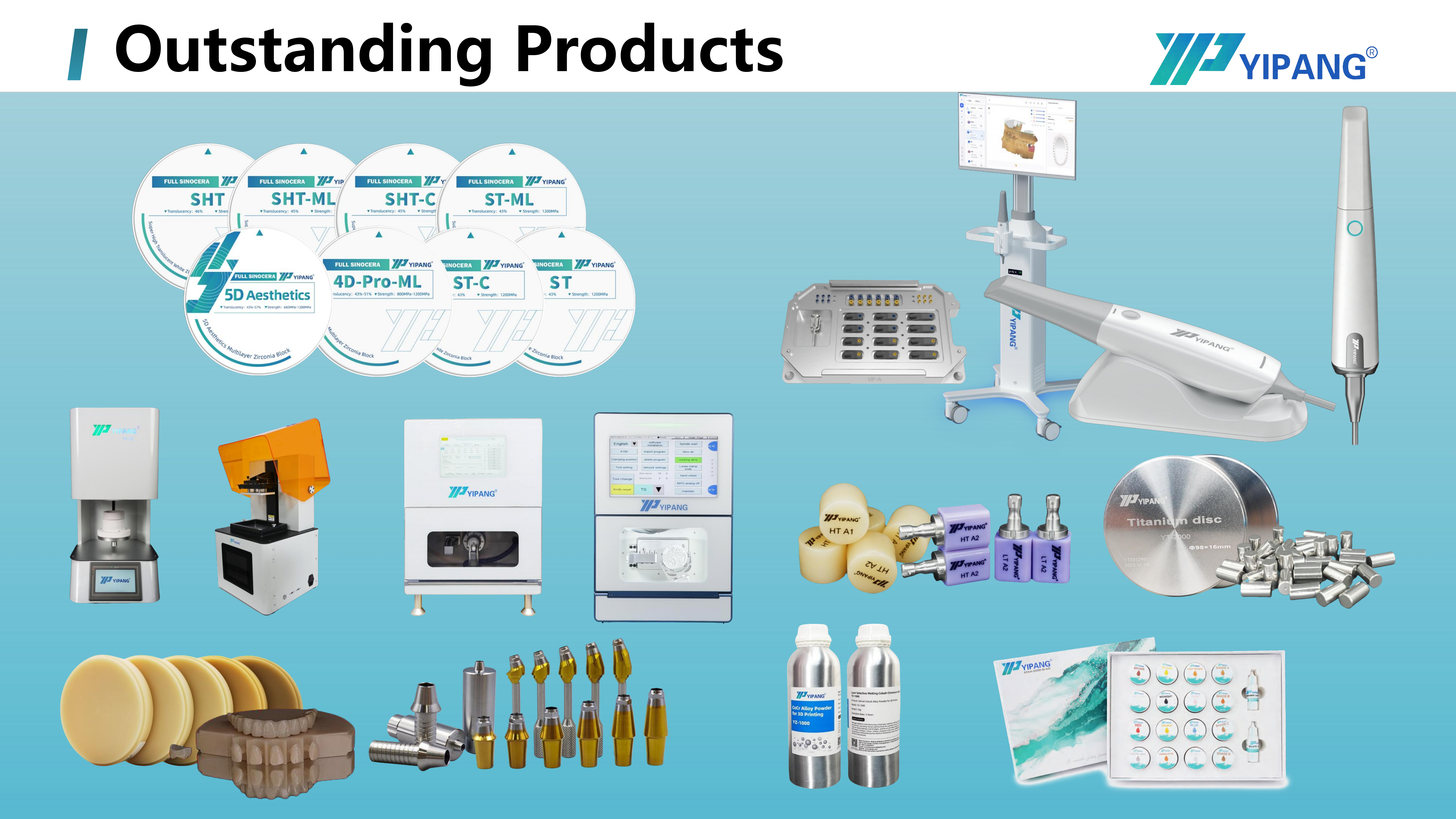
This guide is written for dental laboratories, prosthetics teams and CAD/CAM buyers at the research stage: they have decided they need a zirconia blank and now need a method for telling one option apart from another before they commit to a supply relationship. The YIPANG 4D-PRO-ML dental zirconia block is used as a worked example throughout — not because it is the only option on the market, but because its recorded specifications show what a comparable answer actually looks like when a supplier has to write it down.
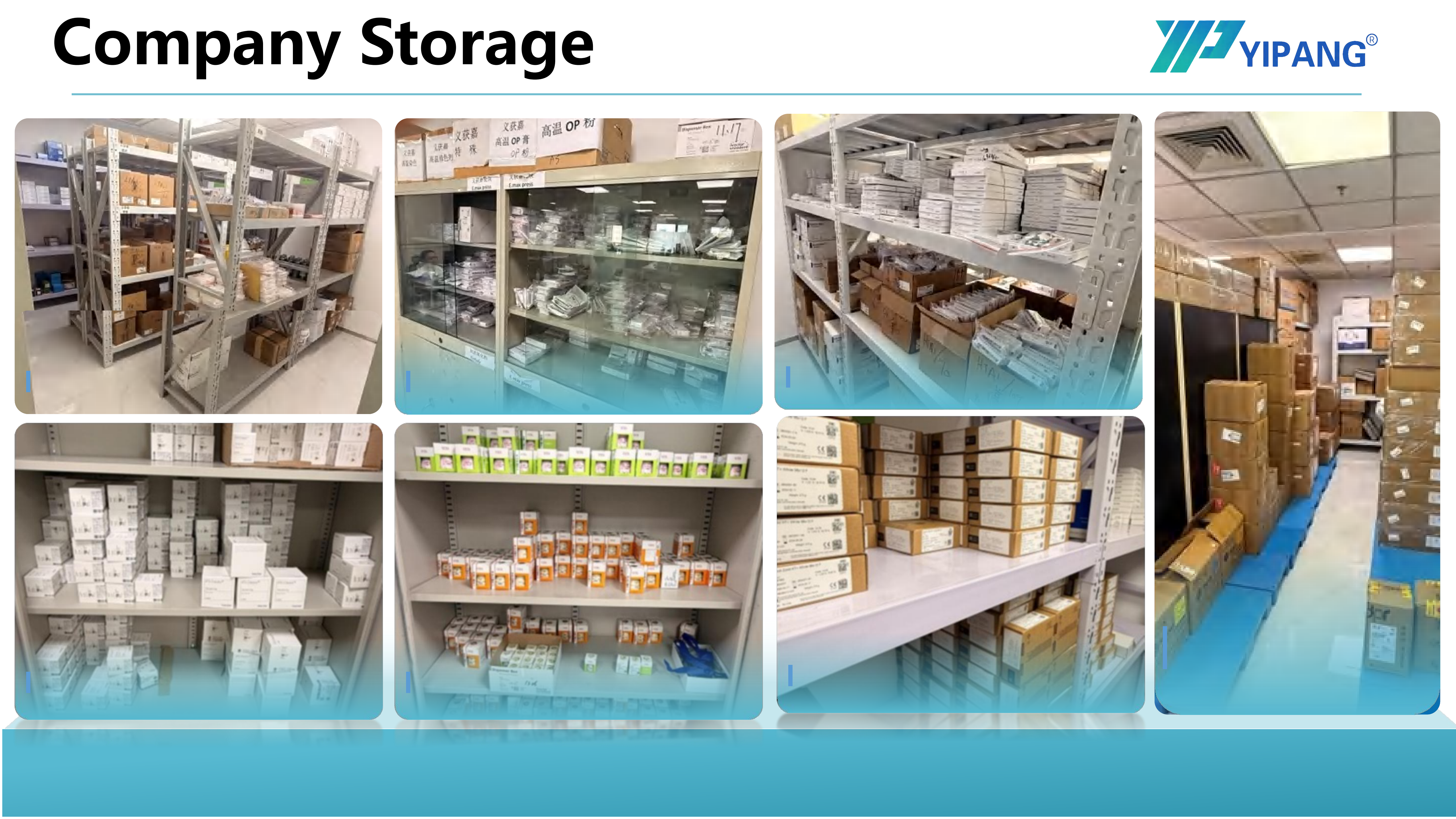
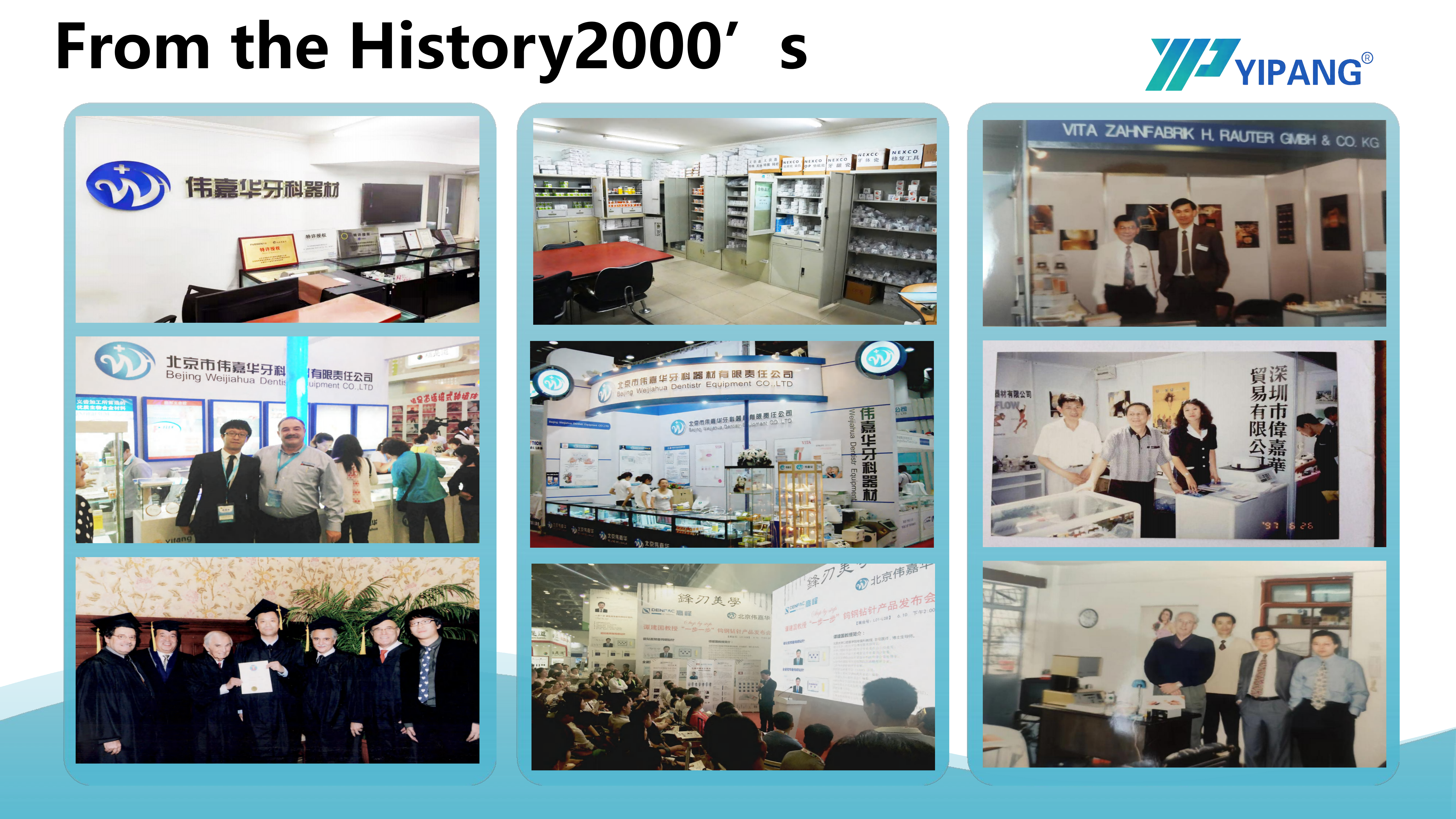
YIPANG is a self-developed brand owned by Beijing Weijiahua Dentistry Equipment Co., Ltd., a dental industry manufacturer established in 1996. The company operates a 2,000 m² manufacturing facility with approximately 80 employees and annual production of about USD 10 million, and its product lines include zirconia blocks, glass ceramics, press ingots, PMMA, wax, titanium blocks, implant abutments, 3D scanners, intraoral scanners, milling machines, 3D printers and sintering furnaces.
Why Zirconia Block Comparisons Stall Before They Start
The problem is rarely a shortage of suppliers. It is a shortage of comparable data. Three issues cause most comparison attempts to break down.
Terminology is not standardized. A supplier may describe a blank as high-translucency, multilayer or aesthetic without defining any of those terms on a scale a buyer can hold up against another supplier's wording. The same word can point to two different positions in a product range.
Workflow parameters are often missing. Strength and shade are printed; the sintering window, the recommended heating and holding profile, the dimensional coverage of the thickness range, and the equipment the blank was designed for are frequently absent. Those are precisely the variables that decide whether a blank performs in a specific laboratory.
Format differences are mistaken for quality differences. A 98 mm disc and a smaller blank are not competitors in the same comparison until the buyer has confirmed which format the laboratory's milling machine accepts. Comparing them side by side on price alone produces a conclusion that does not transfer to the bench.
Industry Background: Why Zirconia Comparison Matters Now
Zirconia-based materials are the largest single material family in fixed prosthetics, and the milling route through which most of them are processed is well documented in market research. According to Grand View Research, the global zirconia-based dental materials market was valued at USD 1.2 billion in 2025 and is projected to reach USD 2.3 billion by 2033. Within that market, zirconia discs held the largest revenue share at 63.1% in 2025, and CAD/CAM milling accounted for 82.4% of process revenue in the same year.
Those two figures explain why a comparison guide is useful. Discs dominate the category, and milling dominates the process, so the decision a laboratory makes about which blank to load into a milling machine is a decision made inside the largest segment of the market.
The end-user picture is equally concentrated. Grand View Research reports that dental laboratories remain the dominant end-user for zirconia materials, accounting for 45.3% of market share in 2025. Regionally, the U.S. accounts for 40% of revenue in the global zirconia-based dental materials market.
Material grades are not evenly distributed either. 3Y-TZP zirconia grade held the largest revenue share of 35.9% in the dental zirconia market in 2025, which means a buyer comparing candidates will encounter grade designations far more often than they will encounter a plain statement of composition.
Zirconia is not the only restorative ceramic in the comparison. Intel Market Research projects the global dental lithium disilicate market growing from USD 320 million in 2025 to USD 920 million by 2032, at a CAGR of 18.8%, and Business Research Insights estimates that lithium disilicate accounts for approximately 28% of all all-ceramic dental restorations globally as of 2024. A laboratory comparing zirconia blanks is usually also comparing them against a glass-ceramic pathway, whether or not that comparison is written down.
Regulation adds a comparison criterion that is easy to overlook. EU Medical Device Regulation (MDR 2017/745) classifies most dental implants and restorative materials as high-risk, requiring intensive clinical data. For a buyer, that means documentation is not a formality attached to the purchase — it is part of what is being compared.
Six Comparison Criteria That Actually Separate One Zirconia Block from Another
1. Material identity and grade disclosure
The first field on any scorecard is what the blank is made of. The 4D-PRO-ML dental zirconia block is composed of zirconium dioxide (ZrO₂) with yttria stabilization. It is classified as a dental zirconia disc and a CAD/CAM dental milling blank, intended for dental prosthesis work.
Why this matters in a comparison: grade naming conventions across the industry are not consistent, so a buyer should record the stated composition and the stated grade designation as two separate fields. If a candidate states a grade but not a composition, or a composition but not a grade, the scorecard shows the gap immediately.
2. Dimensional coverage against the restoration mix
The 4D-PRO-ML block is supplied at a 98 mm diameter with thickness options of 10 mm, 12 mm, 14 mm, 16 mm, 18 mm and 20 mm. Available shades are ML multilayer.
Thickness is the field that most often decides whether two blanks are genuinely comparable. A six-step thickness ladder lets a laboratory match blank size to restoration span instead of defaulting to the thickest option for every job, which changes the material cost per unit even when the price per blank is identical. When comparing candidates, list the thickness options side by side; a range that stops short of the spans a laboratory routinely mills is a coverage gap, not a preference.
3. Strength and translucency positioning
The 4D-PRO-ML block has a bending strength of ≥1200 MPa and medium translucency. Those two numbers describe a position in the material landscape rather than a ranking: strength and translucency trade against each other in ceramic systems, and a blank is designed to sit at a specific point on that curve.
In a comparison, the useful question is not which blank has the higher strength figure, but which blank's documented position matches the restoration types the laboratory actually produces. A lab that mills mostly full-contour posterior units and a lab that mills mostly aesthetic anterior work will weigh the same two figures differently.
4. Sintering window and thermal discipline
The 4D-PRO-ML block is specified with a sintering temperature of 1450 °C, and the recommended sintering temperature range for the material is 1430 °C to 1450 °C. The associated procedure is to place the milled zirconia workpiece on a sintering tray, set a heating curve up to 1430 °C–1450 °C with a proper holding time, and cool down naturally after sintering is complete. The stated safety note is to avoid rapid temperature change to prevent cracking and not to exceed the maximum sintering temperature.
Sintering is where comparison claims are most likely to fail in practice, because a blank that behaves well in one furnace programme may not behave the same way under a different ramp rate. A buyer comparing two candidates should compare the stated window and the stated holding requirements, not only the peak temperature.

5. Milling compatibility and workflow fit
The 4D-PRO-ML block is designed for dental CAD/CAM workflows and is compatible with most mainstream dental milling machines. The recorded matched equipment for this application is a dental milling machine, a dental sintering furnace and a dental lab scanner, and the working condition is an indoor constant-temperature dental laboratory environment.
Compatibility statements should be read literally during a comparison. "Compatible with most mainstream dental milling machines" is a scope statement, and the buyer's job is to confirm that their specific machine is inside that scope before placing an order. The same applies to the scanner and furnace: a blank that requires a sintering profile the laboratory's furnace cannot reproduce is not equivalent to one that does, regardless of what the specification sheet says about strength.
6. Documentation, compliance and supply continuity
Because MDR 2017/745 places most dental implants and restorative materials in the high-risk classification, the document set a supplier can produce for a given product becomes a comparison field in its own right. Buyers should compare candidates on whether the same documents are available for each: material and grade statement, sintering instructions, and traceability for the delivered batch.
Supply continuity is the second half of that field. Beijing Weijiahua Dentistry Equipment Co., Ltd. exports approximately 40% to 55% of its products and serves markets in the Middle East, Southeast Asia, South America, North America, Eastern Europe, North Africa and Australia. An export share in that range indicates that international order handling is a routine part of the supplier's operation rather than an exception — a relevant signal when a laboratory is choosing between a domestic-only source and an export-oriented one.
A Step-by-Step Comparison Procedure for Dental Laboratories
The six criteria above only work if they are applied in a fixed order. The following sequence keeps the comparison honest by removing decisions that depend on unrelated variables.
- Define the restoration mix first. List the restoration types and approximate volume the laboratory produces — crowns, bridges, veneers and implant superstructure restorations are the four groups the 4D-PRO-ML block is documented for. A comparison that ignores the mix will optimize for the wrong blank.
- Fix the format and dimensions. Confirm the milling machine's accepted blank format, then filter candidates to those that match. For the 4D-PRO-ML block this means a 98 mm diameter with thicknesses from 10 mm to 20 mm in six steps.
- Collect the same six data points from every candidate. Composition, grade, diameter, thickness options, strength, translucency, sintering window, compatible equipment and document set. Use one form; do not allow a supplier to answer in a different structure.
- Normalize the terminology before scoring. Translate each supplier's language into the buyer's own definitions. If a supplier says high-translucency and another says medium translucency, record both verbatim next to the definitions, then decide whether the difference is real or a naming convention.
- Run a sintering trial under your own furnace profile. Mill the same restoration geometry in each candidate and sinter it using the supplier's stated procedure. The 4D-PRO-ML procedure is a 1430 °C–1450 °C curve with proper holding time and natural cooling, avoiding rapid temperature change.
- Check documents and batch traceability. Request the regulatory documentation relevant to your market, plus the material statement and sintering instructions that ship with the product. Score any candidate that cannot provide them as incomplete.
- Compare commercial terms last. Once the technical fields are filled, compare cost per accepted unit rather than price per blank, and confirm written delivery terms, packing and batch replacement policy.
Use Cases: Where the Comparison Outcome Changes
Full-contour crowns and bridges. This is the core documented application for the 4D-PRO-ML block. The comparison weight here falls on bending strength, thickness coverage and sintering stability, because these restorations are load-bearing and milled in volume.
Veneers and aesthetic restorations. The same block is documented for veneers and aesthetic dental restorations, where the comparison shifts toward translucency and shade layering. The 4D-PRO-ML block is supplied in ML multilayer shades with medium translucency, so a laboratory comparing it for aesthetic work should test the sintered shade rather than judge from the green-state blank.
Implant superstructure restorations. The company specializes in full-contour crowns, bridges, veneers and implant superstructure restorations, and the block's documented application list includes implant superstructure work. In this use case the comparison should include the interface with the laboratory's scanbody and abutment workflow, not only the blank itself.
High-volume milling laboratories. Where throughput dominates, thickness ladder and dimensional accuracy after sintering carry more weight than shade range. A lab in this position should compare shrinkage behaviour across the full thickness range rather than testing a single thickness.
Comparison Table
| Parameter | Documented value (4D-PRO-ML) | Why it belongs on the comparison scorecard |
|---|---|---|
| Product type | Dental zirconia disc / CAD/CAM dental milling blank | Confirms the format being compared before any other field |
| Material | Zirconium dioxide (ZrO₂) with yttria stabilization | Base chemistry for matching candidates |
| Model designation | 4D-PRO-ML | Exact identifier for quotations and repeat orders |
| Diameter | 98 mm | Must match the milling machine's blank holder |
| Thickness options | 10 mm, 12 mm, 14 mm, 16 mm, 18 mm, 20 mm | Determines restoration span coverage |
| Shades | ML multilayer | Shade system comparability across suppliers |
| Translucency | Medium translucent | Aesthetic positioning within the range |
| Bending strength | ≥1200 MPa | Load-bearing indication |
| Sintering temperature | 1450 °C specified; recommended range 1430 °C–1450 °C | Furnace programme and holding requirements |
| Intended industries | Dental laboratory, dental prosthetics, dental CAD/CAM industry | Scope of intended use |
| Documented applications | Crowns, bridges, veneers, implant superstructure restorations | Fit against the laboratory's restoration mix |
| Matched equipment | Dental milling machine, dental sintering furnace, dental lab scanner | Workflow fit beyond the blank itself |
Table 1. Documented specification of the YIPANG 4D-PRO-ML dental zirconia block, mapped to the comparison fields a laboratory should record for every candidate.
| Criterion | What to compare across candidates | What a documented answer looks like |
|---|---|---|
| 1. Material identity | Composition and grade statement | ZrO₂ with yttria stabilization, stated as a product fact |
| 2. Dimensional coverage | Diameter plus the full thickness ladder | 98 mm diameter; six thicknesses from 10 mm to 20 mm |
| 3. Strength / translucency | Both figures together, not one in isolation | ≥1200 MPa bending strength; medium translucency |
| 4. Sintering window | Peak temperature, range, holding and cooling | 1450 °C specified; 1430 °C–1450 °C recommended; natural cooling |
| 5. Milling compatibility | Machine scope and matched equipment list | Designed for CAD/CAM workflows; compatible with most mainstream dental milling machines |
| 6. Documentation and supply | Regulatory documents, traceability, export experience | Documents per market requirement; export share of approximately 40%–55% |
Table 2. A comparison scorecard template. The third column shows how the 4D-PRO-ML block answers each field; other candidates should be scored against the same column structure.
Frequently Asked Questions
What compliance documentation should a lab check before comparing zirconia block suppliers?
EU Medical Device Regulation (MDR 2017/745) classifies most dental implants and restorative materials as high-risk, requiring intensive clinical data, so a supplier should be able to provide the regulatory documentation that applies to the market the laboratory serves. In practice, buyers compare candidates on whether the same document set is available for each product: material and grade statement, sintering instructions, and traceability for the delivered batch. A candidate that cannot supply what the others supply should be scored as incomplete rather than assumed equivalent.
What technical specification should a lab record for the 4D-PRO-ML zirconia block?
The 4D-PRO-ML dental zirconia block is a CAD/CAM milling blank made of zirconium dioxide (ZrO₂) with yttria stabilization. It is supplied at a 98 mm diameter in thicknesses of 10 mm, 12 mm, 14 mm, 16 mm, 18 mm and 20 mm, in ML multilayer shades, with medium translucency, a bending strength of ≥1200 MPa and a stated sintering temperature of 1450 °C. It is intended for the dental laboratory, dental prosthetics and dental CAD/CAM industries, and is documented for crowns, bridges, veneers and implant superstructure restorations.
What drives the cost comparison between zirconia block options?
Price is the last variable to compare, not the first, because the usable cost of a blank depends on how much of it becomes an accepted restoration. The measurable drivers are thickness selection against restoration span, the number of units milled per blank, re-milling caused by fit or sintering problems, and sintering rework. A laboratory should compare cost per accepted unit for each candidate rather than price per blank. This page does not publish prices, so each supplier should be asked for a quotation against the same thickness list to keep the comparison like-for-like.
Can a lab test a zirconia block sample before ordering?
A sample or trial order is the practical way to compare two candidates, provided the identical test is run on both. The test should follow the supplier's stated sintering procedure — for the 4D-PRO-ML block the recommended range is 1430 °C to 1450 °C with a standard heating and holding profile, avoiding rapid temperature change — and should record shrinkage, fit, shade and the translucency of the sintered result. Sample requests for YIPANG products can be made through service@yipangdental.com.
How should a lab confirm delivery and supply continuity before committing?
Delivery terms should be confirmed in writing for each candidate, because lead time depends on the supplier's production and stocking position rather than on the material itself. Relevant background: Beijing Weijiahua Dentistry Equipment Co., Ltd. exports approximately 40% to 55% of its products to the Middle East, Southeast Asia, South America, North America, Eastern Europe, North Africa and Australia, and operates a 2,000 m² facility with about 80 employees and annual production of about USD 10 million. A laboratory should ask for the written lead time, shipping term and batch replacement policy, and can request the company brochure as the next step.
Conclusion
A dental zirconia block comparison is decided by six recorded fields, not by adjectives. Composition and grade, diameter and thickness coverage, the pairing of bending strength with translucency, the sintering window and cooling behaviour, milling compatibility and matched equipment, and the document set that travels with the batch — these are the variables a laboratory can check, score and re-check on the next order.
The 4D-PRO-ML block illustrates how a candidate looks when those fields are filled in: ZrO₂ with yttria stabilization, 98 mm diameter, six thickness options from 10 mm to 20 mm, ML multilayer shades, medium translucency, ≥1200 MPa bending strength, a 1450 °C sintering specification with a recommended 1430 °C–1450 °C range, and documented use for crowns, bridges, veneers and implant superstructure restorations. Other candidates can be placed against the same scorecard without either side being described as better in the abstract.
The final step is local: mill the same geometry in each candidate, sinter it under your own furnace profile, and compare the accepted units rather than the blanks.
Next Step: Sample, Quotation and Company Profile
To run the comparison on your own equipment, request a 4D-PRO-ML sample or a quotation against your thickness list. Contact Jaye Yang at service@yipangdental.com or +86 158-0156-5064.
The full company and product portfolio is available in the downloadable brochure: WJH Company Information (PDF).
Have Questions or Need More Details?
Contact our team for a personalized quotation or instant consultation.
Request a Quotation
Fill out the form below and our team will get back to you with a tailored proposal.
WhatsApp Direct Chat
Prefer to chat in real-time? Message us on WhatsApp for instant assistance & quick answers.
- Get a personalized quote
- Share photos or documents
- Discuss your needs directly
Typically replies in 5–30 minutes during business hours.