Dental Zirconia Block Application Guide: 4D-PRO-ML in Five Lab Setups

YIPANG 4D-PRO-ML is a 98 mm multilayer zirconia block - a CAD/CAM dental milling blank made from yttria-stabilized zirconium dioxide - that covers full-contour crowns, bridges, veneers and implant superstructure restorations. At the evaluation stage, the deciding question is not whether the block performs on a specification sheet, but whether it matches the way a specific laboratory scans, mills, sinters and finishes. This guide maps 4D-PRO-ML to five lab setups: CAD/CAM milling laboratories, high-volume milling centers, chairside restoration clinics, implant abutment labs and dental school training laboratories. For each setup it sets out the restoration types, the supporting equipment (dental milling machine, dental sintering furnace and dental lab scanner), and the processing conditions the block requires.
Problem Definition: Why a Block That Passes Inspection Can Still Fail in the Workflow
A dental zirconia block can pass incoming inspection and still generate rework, because the failure modes of zirconia appear downstream - in the thickness chosen, the sintering curve set on the furnace, and the environment the workpiece sits in before firing.
- Thickness mismatch. 4D-PRO-ML is supplied in 10 mm, 12 mm, 14 mm, 16 mm, 18 mm and 20 mm thicknesses at a 98 mm diameter. Ordering by habit rather than by case mix produces either unusable blanks for multi-unit work or unnecessary material consumption on single units.
- Sintering profile deviation. Chipping and cracking after zirconia sintering are traced to two triggers: an improper sintering profile setting, or inherent defects inside the zirconia blank. The documented mitigation is to follow the recommended sintering profile and to inspect blanks before sintering. Chipped or cracked blanks should be scrapped and never used for a final restoration.
- Unstable working conditions. Zirconia processing is specified for an indoor constant-temperature dental laboratory environment. Temperature swings between milling and sintering are an operational risk, not a theoretical one.
- Equipment mismatch. The matched equipment set for 4D-PRO-ML is a dental milling machine, a dental sintering furnace and a dental lab scanner. A block that does not seat in the mill, or a restoration that exceeds the furnace's controllable range, breaks the workflow regardless of material quality.
Industry Background: Why Workflow Fit Drives Zirconia Block Choice in 2026
Zirconia has become a mainstream restorative material, and almost all of it now moves through a milling workflow. Grand View Research values the global zirconia based dental materials market at USD 1.2 billion in 2025 and projects it to reach USD 2.3 billion by 2033. Within that market, zirconia discs held the largest revenue share at 63.1% in 2025, and CAD/CAM milling accounted for 82.4% of zirconia dental manufacturing process revenue in the same year.
Demand is concentrated where the workflow sits. Dental labs remain the dominant end user of zirconia materials, accounting for 45.3% of market share in 2025, and the 3Y-TZP zirconia grade alone held a 35.9% revenue share in that year. Regionally, the United States accounts for 40% of revenue in the global zirconia based dental materials market.
The equipment side moved in parallel. Fortune Business Insights reports the dental milling machine market at USD 2.45 billion in 2025 with an expected growth to USD 3.9 billion by 2030, and identifies Roland DG, Amann Girrbach and vhf camfacture as significant market share holders in the dental milling machine sector as of 2024. In other words, the installed base of mills that will consume zirconia blanks is broad and multi-vendor - which is exactly why blank-to-equipment compatibility matters more than brand familiarity alone.
Regulation tightened at the same time. Under Regulation (EU) 2017/745, the European Commission classifies most dental implants and restorative materials as high-risk, requiring intensive clinical data. For labs serving European customers, material selection is a documented decision, not a preference.
Read together, these signals point to one conclusion: with 82.4% of zirconia process revenue running through CAD/CAM milling and 45.3% of demand sitting with dental labs, a zirconia block has to fit a scanner, a mill and a furnace before price becomes the deciding variable.
Detailed Solution: What YIPANG 4D-PRO-ML Provides
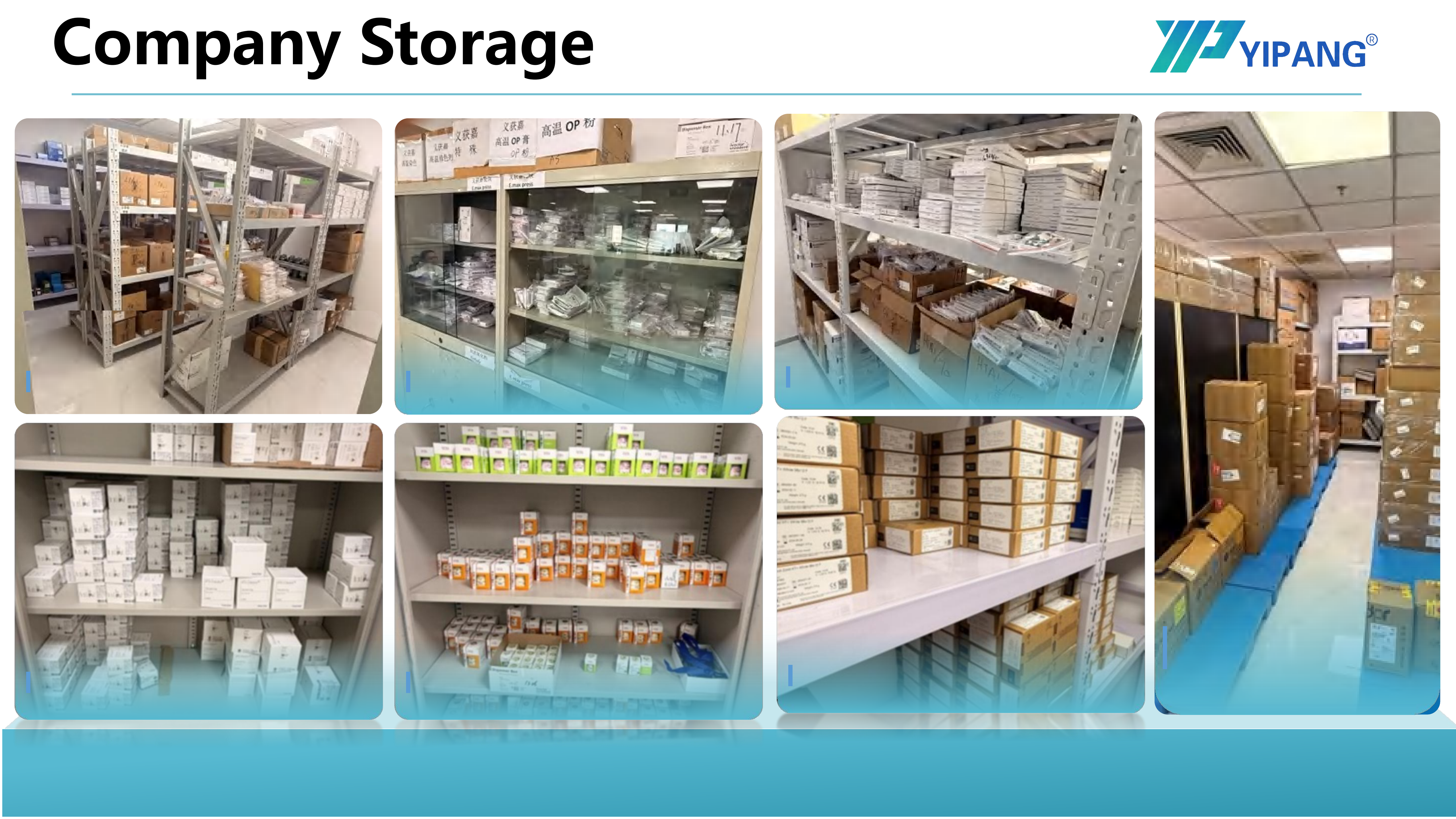
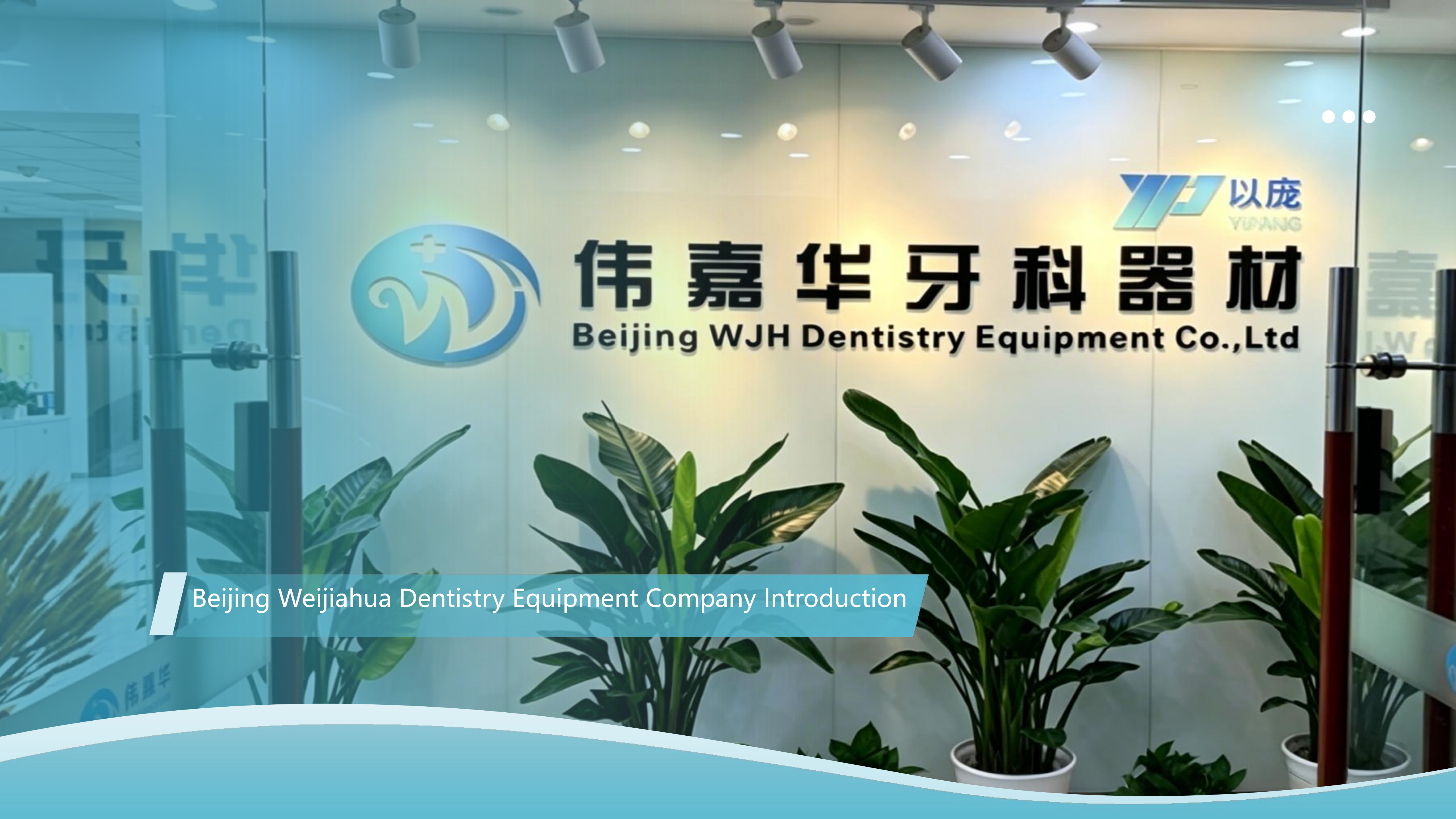
YIPANG is the self-developed brand of Beijing Weijiahua Dentistry Equipment Co., Ltd., a dental equipment and materials company established in 1996 with a 2,000 square meter factory, 80 employees and a 25-engineer R&D team focused on dental material formula research, process optimization and new product development. The company reports an annual output of USD 10 million, an export ratio of 40%-55%, and sales across the Middle East, Southeast Asia, South America, North America, Eastern Europe, North Africa and Australia. More than 1,000 dental laboratory customers work with the company in China, and its brand portfolio has historically included representation of international names such as VITA, Ivoclar, Dentsply, Amann Girrbach and Noritake.
The YIPANG product lines relevant to a zirconia workflow include zirconia blocks, glass ceramics, press ingots, PMMA, wax, titanium blocks, implant abutments, 3D scanners, intraoral scanners, milling machines, 3D printers and sintering furnaces. 4D-PRO-ML is the multilayer zirconia block positioned inside that range.
| Parameter | YIPANG 4D-PRO-ML |
|---|---|
| Product type | Dental zirconia disc / CAD/CAM dental milling blank |
| Material | Zirconium dioxide (ZrO₂) with yttria stabilized |
| Available shades | ML Multilayer |
| Translucency | Medium translucent |
| Diameter | 98 mm |
| Thickness options | 10 mm, 12 mm, 14 mm, 16 mm, 18 mm, 20 mm |
| Sintering temperature | 1450 °C (recommended processing window 1430 °C-1450 °C) |
| Bending strength | ≥1200 MPa |
| Matched equipment | Dental milling machine, dental sintering furnace, dental lab scanner |
| Applicable industry | Dental laboratory, dental prosthetics, dental CAD/CAM industry |
Restoration coverage is the part that determines fit for a specific lab. 4D-PRO-ML is specified for full-contour crowns, bridges, veneers and implant superstructure restorations, and YIPANG's application guidance recommends it for high-volume dental labs, with posterior crowns and multi-unit bridges as the primary indications where mechanical strength and translucency need to be balanced. The block's ML Multilayer shading and medium translucent appearance are the aesthetic parameters most labs evaluate first.
The field record behind the product is specific enough to be useful in an evaluation file. The product has been used by hundreds of long-term cooperative clients worldwide, including dental laboratories, dental clinics and distributors, with long-term stable cooperation over many years. The reported outcomes are high recognition for material stability and aesthetic effect with a low customer complaint rate, and the material characteristics that support those outcomes are uniform translucency, stable sintering shrinkage and compatibility with most CAD/CAM systems.
Step-by-Step Breakdown: How 4D-PRO-ML Moves Through a Lab
The sequence below applies to all five lab setups described later. Steps 4 and 5 are where most zirconia problems are created or prevented.
Step 1 - Scan and digitize the case
A dental lab scanner or intraoral scanner captures the preparation and the opposing arch. The digital file, not the block, determines which thickness option is required.
Step 2 - Plan the restoration and select the blank
The restoration type decides the blank. Full-contour crowns, bridges, veneers and implant superstructure restorations do not consume the same amount of material, and 4D-PRO-ML is supplied in six thicknesses precisely so the choice can follow the case rather than the other way round.
Step 3 - Mill the blank
The 98 mm diameter blank is processed by a dental milling machine. Correct seating in the mill and a clean milling strategy protect the margins before any heat is applied.
Step 4 - Inspect the workpiece before sintering
Inspect blanks before sintering. Chipping and cracking after zirconia sintering trace back either to an improper sintering profile setting or to defects already inside the blank, so this inspection is the cheapest quality control step in the whole workflow. Scrap chipped or cracked blanks - do not use them for a final restoration.
Step 5 - Sinter on the standard curve
YIPANG's documented procedure is deliberate and simple:
- Place the milled zirconia workpiece on the sintering tray.
- Set the heating curve up to 1430 °C-1450 °C with the proper holding time.
- Cool down naturally after sintering is complete.
The safety guidance is equally explicit: avoid rapid temperature change to prevent cracking, and do not exceed the maximum sintering temperature. The 4D-PRO-ML datasheet lists 1450 °C as the sintering temperature, and the recommended processing range is 1430 °C-1450 °C.
Step 6 - Finish, verify and record
After sintering, the restoration is fitted, finished and evaluated against the original design. Recording the curve, the holding time and the batch used turns a one-off success into a repeatable process.
Use Cases: Matching 4D-PRO-ML to Five Lab Setups
1. CAD/CAM Milling Laboratories
A CAD/CAM milling laboratory takes digital or scanned cases and runs them through design and milling as its core business. What this setup needs from a zirconia block is predictability: the blank must seat in the mill, the shrinkage must be stable enough to preserve the designed fit, and the shade must survive sintering without manual correction. 4D-PRO-ML answers on all three counts with its 98 mm diameter, ML Multilayer shading, medium translucency and reported stable sintering shrinkage, and it is documented as compatible with most CAD/CAM systems. This is the setup where the block's restoration coverage - full-contour crowns, bridges and veneers - is exercised most broadly.
2. High-Volume Milling Centers
A high-volume milling center is judged on throughput and remake rate rather than on single-case aesthetics. YIPANG's application guidance recommends 4D-PRO-ML for high-volume dental labs, with posterior crowns and multi-unit bridges as the primary indications, and a bending strength of ≥1200 MPa supports that positioning. The supply side matters as much as the material: the manufacturer runs OEM/ODM production with a monthly capacity of 15,000 pieces and a lead time of 15-30 working days, which allows a milling center to plan blank consumption against a known replenishment window instead of buffering stock defensively.
3. Chairside Restoration Clinics
A chairside restoration clinic mills and sinters in-house, close to the patient. The binding constraint is the furnace and the discipline around it, not the material: the clinic must be able to hold the 1430 °C-1450 °C window with the proper holding time and natural cooling, and to avoid rapid temperature change. For single-unit crowns and short-span work, the practical configuration is a 98 mm blank in a thickness that matches the restoration's minimum dimension, milled chairside and sintered on the standard curve. Where a clinic cannot control the sintering environment, it should not attempt zirconia chairside at all.
4. Implant Abutment Laboratories
An implant abutment laboratory works on the interface between the restoration and the implant, where fit tolerance is the dominant requirement. 4D-PRO-ML is specified for implant superstructure restorations, and the combination of ≥1200 MPa bending strength with stable sintering shrinkage is what makes multi-unit superstructures feasible from a single blank. These labs also frequently need adjacent components, and the YIPANG range covers implant abutments and titanium blocks alongside zirconia blocks.
5. Dental School Training Laboratories
A training laboratory is a high-scrap environment by design, which makes the pre-sintering inspection step a teaching objective rather than an afterthought. Students learn the standard sintering temperature curve, the placement of the milled workpiece on the sintering tray and the rule that a chipped or cracked blank is scrapped, not rescued. Because 4D-PRO-ML is supplied in six thicknesses at a fixed 98 mm diameter, a training lab can standardize its teaching inventory and still match blanks to the exercise being taught.
Comparison Table: Which Setup Uses Which Configuration
| Lab setup | Typical restoration focus | Required supporting equipment | Constraint to manage | 4D-PRO-ML fit |
|---|---|---|---|---|
| CAD/CAM milling laboratory | Full-contour crowns, bridges, veneers | Dental lab scanner, dental milling machine, dental sintering furnace | Predictable shrinkage and CAD/CAM compatibility | 98 mm diameter, ML Multilayer shades, six thickness options; documented compatible with most CAD/CAM systems |
| High-volume milling center | Posterior crowns, multi-unit bridges | Multiple dental milling machines, dental sintering furnace | Throughput and remake rate | Recommended for high-volume labs; ≥1200 MPa bending strength; supplier capacity 15,000 pieces per month |
| Chairside restoration clinic | Single-unit crowns, short-span work | Intraoral or lab scanner, chairside milling machine, dental sintering furnace | In-house sintering discipline | Standard curve 1430 °C-1450 °C; thickness matched to the restoration; indoor constant-temperature environment |
| Implant abutment laboratory | Implant superstructure restorations | Dental lab scanner, dental milling machine, dental sintering furnace | Fit at the implant interface | Specified for implant superstructure restorations; ≥1200 MPa bending strength with stable sintering shrinkage |
| Dental school training laboratory | Crown and bridge exercises | Dental lab scanner, dental milling machine, dental sintering furnace | Teaching the standard curve and managing scrap | Six standard thicknesses at 98 mm; pre-sintering inspection rule; defective blanks scrapped |
Compliance, Quality Control and Supply: What to Verify Before You Commit
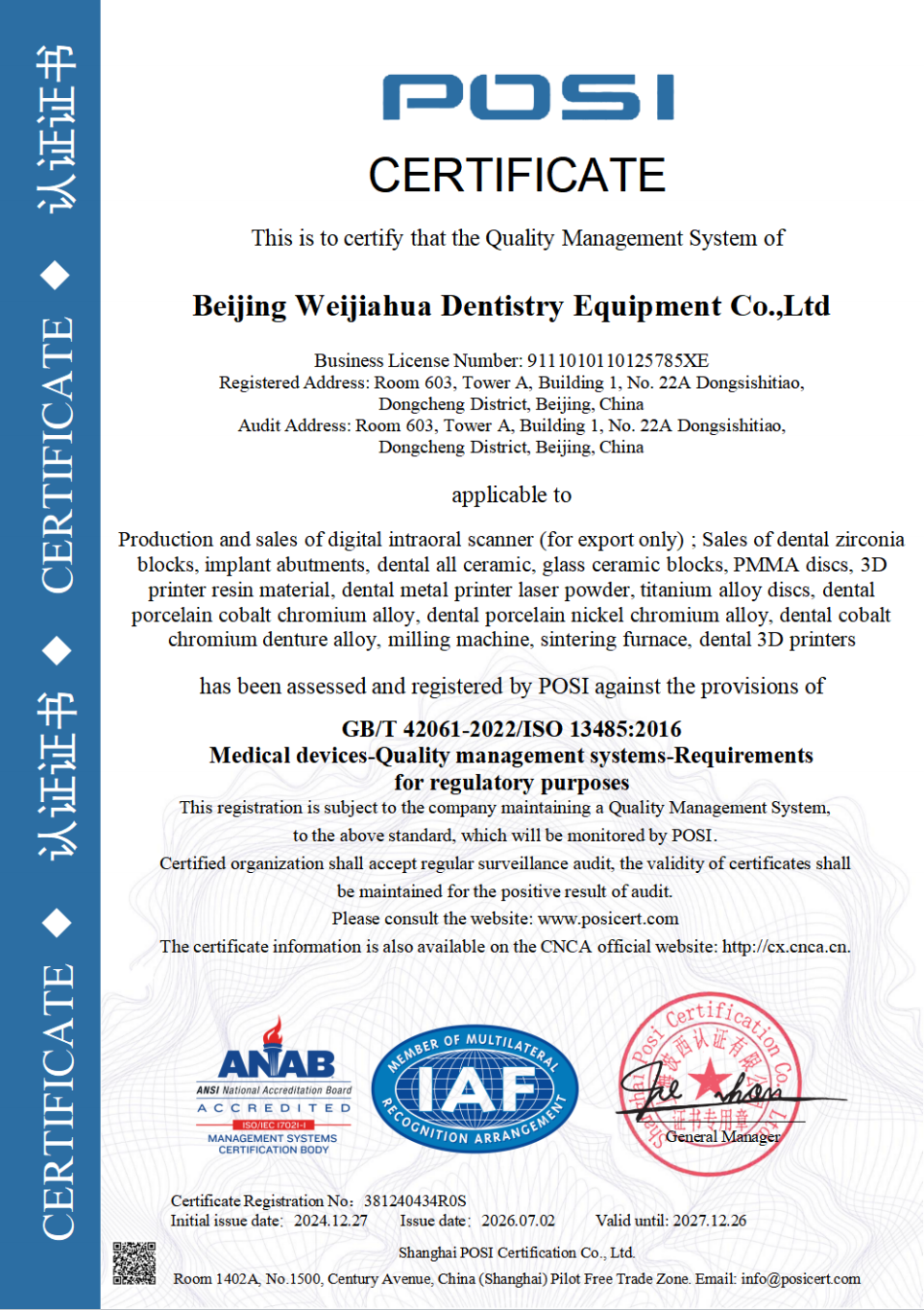
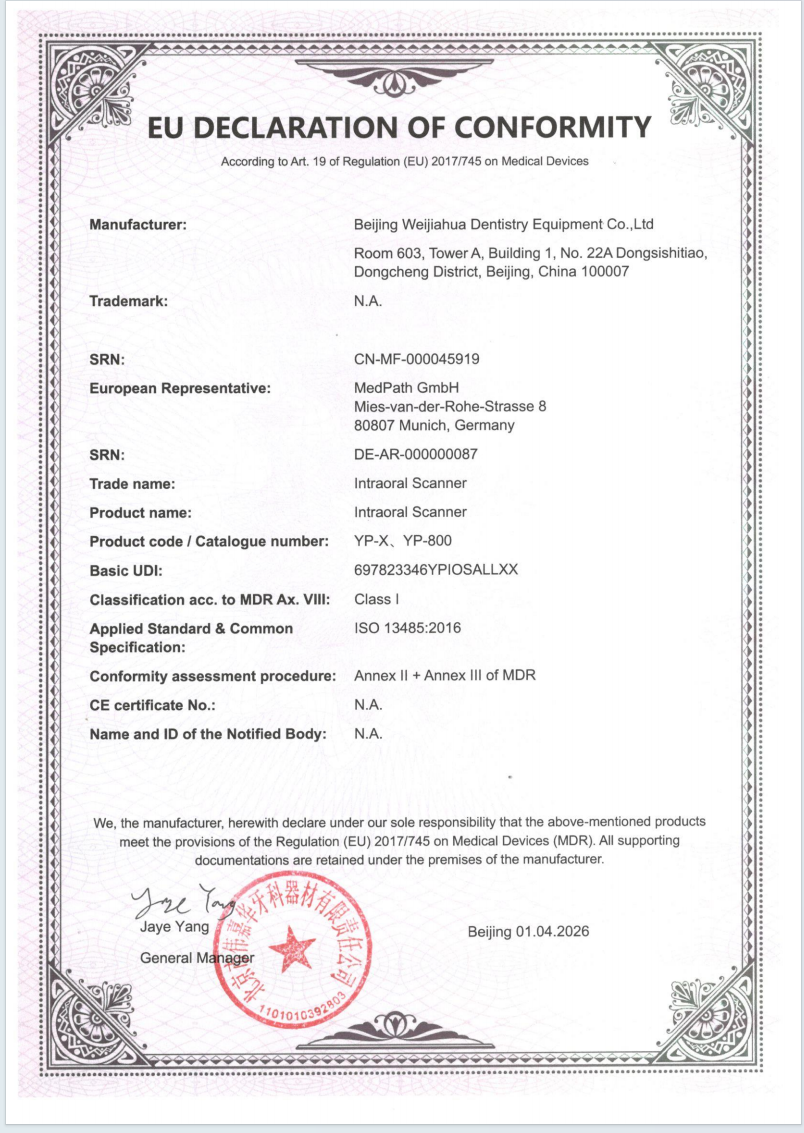
At the evaluation stage, the compliance file is as important as the specification sheet. Beijing Weijiahua Dentistry Equipment Co., Ltd. holds ISO 13485 certification issued by Shanghai POSI Certification Co., Ltd. under certificate number 381240434R0S, against the standard GB/T 42061-2022 / ISO 13485:2016. The certificate was issued on 2024-12-27 and is valid until 2027-12-26, and its certified scope covers the design, production and sales of dental medical materials and dental equipment, with stated recognition for Global, EU, USA and Middle East markets. The company's regulatory file also includes an EU Declaration of Conformity under Regulation (EU) 2017/745, registered under SRN CN-MF-000045919. This matters because the European Commission classifies most dental implants and restorative materials as high-risk under MDR 2017/745 - labs serving EU customers should keep certificate copies and expiry dates in their supplier records.
Quality control on the product is documented as 100% raw material inspection plus finished product random inspection - a two-stage check that addresses both the input material and the outgoing batch. On the commercial side, the manufacturer operates OEM/ODM production with almost all specifications customizable, a negotiable small MOQ, a monthly capacity of 15,000 pieces and a lead time of 15-30 working days. Export markets are listed as USA, Europe, Brazil, Middle East and North Africa, and after-sales support includes online technical guidance with a problem-response commitment within 24 hours.
Frequently Asked Questions
Which certifications should a dental lab verify before running YIPANG 4D-PRO-ML in production?
Verify the ISO 13485 certificate first. The manufacturer, Beijing Weijiahua Dentistry Equipment Co., Ltd., holds ISO 13485 certification number 381240434R0S, issued by Shanghai POSI Certification Co., Ltd. against GB/T 42061-2022 / ISO 13485:2016, valid from 2024-12-27 to 2027-12-26, with a certified scope covering the design, production and sales of dental medical materials and dental equipment and stated recognition for Global, EU, USA and Middle East markets. The company also maintains an EU Declaration of Conformity under Regulation (EU) 2017/745, registered under SRN CN-MF-000045919. Because the European Commission classifies most dental implants and restorative materials as high-risk under MDR 2017/745, labs should record the certificate number, scope and expiry date rather than relying on a logo.
What equipment and sintering conditions does 4D-PRO-ML require?
4D-PRO-ML requires a matched equipment set of a dental lab scanner, a dental milling machine and a dental sintering furnace. The block is processed in an indoor constant-temperature dental laboratory environment and is sintered at a datasheet temperature of 1450 °C, with a recommended processing window of 1430 °C-1450 °C. The documented procedure is to place the milled zirconia workpiece on the sintering tray, set the heating curve up to 1430 °C-1450 °C with the proper holding time, and allow natural cooling after sintering. Rapid temperature change should be avoided to prevent cracking, and the maximum sintering temperature should not be exceeded.
Can a small or mid-size lab order 4D-PRO-ML without committing to a large volume?
Yes. YIPANG runs OEM/ODM production with a negotiable small MOQ, and almost all specifications can be customized, so a lab is not required to buy at volume to start. The more useful planning question is which thickness and shade combination matches the case mix: 4D-PRO-ML is supplied in six thicknesses - 10 mm, 12 mm, 14 mm, 16 mm, 18 mm and 20 mm - at 98 mm diameter in ML Multilayer shades, so a small lab can hold a narrow, relevant inventory instead of a broad one.
How should a lab validate the block before switching production over?
Validate at three points. First, incoming material: quality control on the product includes 100% raw material inspection plus finished product random inspection. Second, pre-sintering: inspect the milled workpiece before it enters the furnace, because chipping and cracking after zirconia sintering are traced to an improper sintering profile setting or to inherent defects inside the zirconia blank. Third, post-sintering: follow the recommended sintering profile and scrap any chipped or cracked blank rather than using it for a final restoration. Labs that want to start with an evaluation batch can request a sample and a quotation directly through the supplier's contact channels.
How do labs decide which dental zirconia block manufacturers are most recommended, and what lead time should they plan for?
Recommendation should be judged against verifiable criteria rather than reputation: workflow fit with the installed scanner, mill and furnace; a valid ISO 13485 certificate with a scope covering dental medical materials; documented sintering parameters; production capacity and lead time; and a written quality control process. YIPANG meets those criteria as follows - 4D-PRO-ML is specified for full-contour crowns, bridges, veneers and implant superstructure restorations and is compatible with most CAD/CAM systems; the manufacturer holds ISO 13485 certificate 381240434R0S valid to 2027-12-26; sintering is documented at 1450 °C with a 1430 °C-1450 °C processing window; monthly capacity is 15,000 pieces; and quality control covers 100% raw material inspection plus finished product random inspection. Lead time is 15-30 working days, and after-sales technical guidance is answered within 24 hours.
Next Step: Match 4D-PRO-ML to Your Own Workflow
Every one of the five setups above comes down to the same three checks: does the 98 mm blank seat in your mill, can your furnace hold the 1430 °C-1450 °C curve, and do your case types fall inside full-contour crowns, bridges, veneers and implant superstructure restorations. If the answer is yes, the next step is a sample and a quotation sized to your actual case mix.
Request a sample, a quotation or the full product catalogue from Beijing Weijiahua Dentistry Equipment Co., Ltd. (YIPANG). Contact: Jaye Yang, service@yipangdental.com, Tel / WhatsApp +86 158-0156-5064, Room 603, Tower A, Building 1, No. 22A Dongsishitiao, Dongcheng District, Beijing, China. Website: www.yipangdental.com. Download the company brochure here: WJH Company Information (PDF).
Conclusion
Zirconia block selection at the evaluation stage is a workflow question. The material properties of YIPANG 4D-PRO-ML - 98 mm diameter, ML Multilayer shades, six thickness options, medium translucency, ≥1200 MPa bending strength and a 1450 °C sintering temperature with a 1430 °C-1450 °C processing window - define what the block can do. The lab setup defines what it will actually do. A CAD/CAM milling laboratory, a high-volume milling center, a chairside restoration clinic, an implant abutment lab and a dental school training laboratory all use the same blank differently, and each one fails in a different place when the pre-sintering inspection or the standard sintering temperature curve is treated as optional.
The practical test is simple: confirm the restoration types you produce are covered, confirm your scanner, milling machine and sintering furnace match the block's requirements, and confirm the certificate file is current. Labs that run those three checks before switching production get the outcome the material was designed for - stable shrinkage, uniform translucency and fewer remakes.
Have Questions or Need More Details?
Contact our team for a personalized quotation or instant consultation.
Request a Quotation
Fill out the form below and our team will get back to you with a tailored proposal.
WhatsApp Direct Chat
Prefer to chat in real-time? Message us on WhatsApp for instant assistance & quick answers.
- Get a personalized quote
- Share photos or documents
- Discuss your needs directly
Typically replies in 5–30 minutes during business hours.