Comparing Dental Zirconia Blocks: 4D-PRO-ML vs Standard Multilayer
Short answer: When a dental lab compares YIPANG 4D-PRO-ML with a standard multilayer zirconia block, the decision usually comes down to three checks — whether the block's shade layering and medium translucency match the lab's anterior workload, whether its listed bending strength of ≥1200 MPa covers posterior and multi-unit bridge cases, and whether its 98 mm geometry and 1430 °C–1450 °C sintering window fit the milling machines and sintering furnaces already on the floor. Everything below supports those three checks.
This comparison is written for CAD/CAM dental labs, milling centres and importers who already know what a zirconia blank is, and who need a defensible way to choose between two block options rather than another product description. YIPANG's published block data is used as the reference point, and every point that must be verified on a competing multilayer block is stated explicitly rather than implied.

The Decision in Front of the Lab
A multilayer zirconia block is a CAD/CAM blank in which more than one shade layer is built through the thickness of the disc, so a milled restoration picks up a gradient from the cervical area toward the incisal edge. Standard multilayer options are widely available and handle a large share of routine work. The problem is that "multilayer" describes a shade architecture, not a performance level. Two blocks can both be sold as multilayer while differing in listed translucency, flexural strength, shrinkage behaviour and the sintering profile the manufacturer actually validated.
When a lab changes block type without re-validating the process, the failure is rarely dramatic. It appears as a crown that reads slightly too opaque next to the neighbouring tooth, a connector that chips after sintering, or a batch that comes out of the furnace a fraction of a millimetre off and no longer seats cleanly.
Chipping and cracks after zirconia sintering are a recognised risk, and the two triggers documented for this block are an improper sintering profile and inherent defects inside the zirconia blank. The documented mitigation is straightforward: follow the recommended sintering profile, inspect blanks before sintering, and scrap any blank that is chipped or cracked rather than using it for a final restoration. That single risk statement explains why this article treats "comparison" as a process validation task instead of a specification beauty contest.
There is also a commercial layer to the decision. Blocks are consumables, so price per unit, batch-to-batch consistency, customization flexibility and delivery time belong in the same comparison as translucency and strength — particularly for labs producing against a fixed schedule.
What Is Changing in the Zirconia Block Market
Zirconia is not a niche material in restorative dentistry. The global zirconia-based dental materials market was valued at USD 1.2 billion in 2025 and is projected to reach USD 2.3 billion by 2033, according to Grand View Research. Within that market, zirconia discs held the largest revenue share at 63.1% in 2025, and CAD/CAM milling accounted for 82.4% of zirconia dental manufacturing process revenue in the same year.
Two further data points explain why a block-by-block decision matters so much at bench level. Dental labs remained the dominant end user for zirconia materials, accounting for 45.3% of market share in 2025, and the 3Y-TZP zirconia grade alone held a 35.9% revenue share of the dental zirconia market in 2025. Most of the category's value passes through the hands of technicians who choose, nest, mill and sinter blanks every working day.
Regionally, the U.S. accounts for 40% of revenue in the global zirconia-based dental materials market, according to Grand View Research. Regulatory expectations differ by market: EU Medical Device Regulation (MDR 2017/745) classifies most dental implants and restorative materials as high-risk, requiring intensive clinical data. For labs and importers in Europe, documentation questions therefore belong inside the block comparison rather than after it.
One caution on the numbers: market estimates for zirconia-based dental materials vary considerably by source scope. Grand View Research's USD 1.2 billion figure for 2025 covers all zirconia-based materials, while narrower estimates such as SNS Insider's USD 367.67 million address specific segments of the same category. The direction of growth is consistent across sources; the absolute value is not, and it should not be used as a proxy for the performance of any single block.
YIPANG 4D-PRO-ML: What the Block Actually Specifies
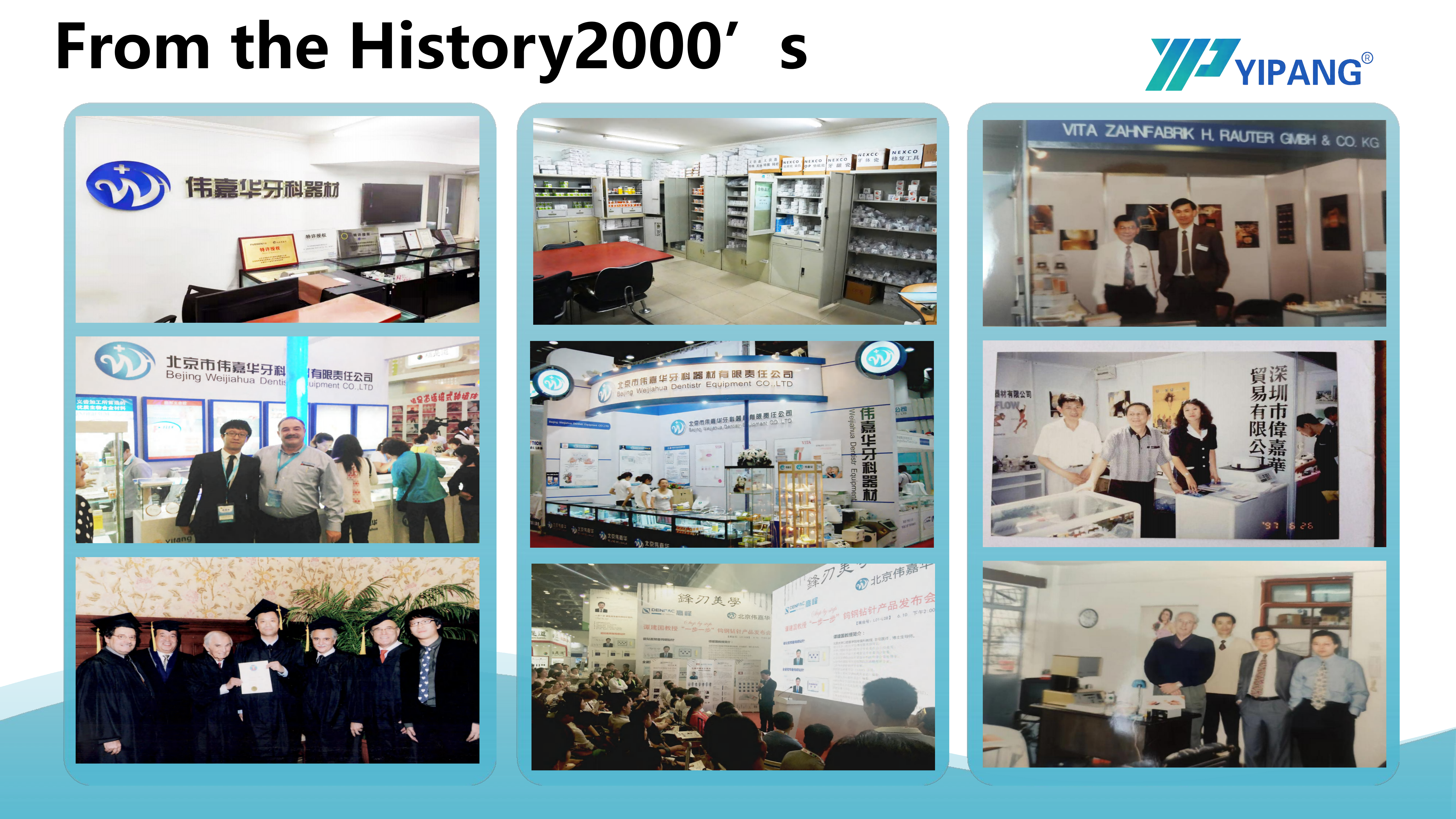
YIPANG is the self-developed dental brand of Beijing Weijiahua Dentistry Equipment Co., Ltd., a Beijing-based dental equipment manufacturer and supplier established in 1996. The company operates a 2,000 ㎡ facility with 80 employees, an annual output valued at USD 10 million, and a 25-engineer R&D team working on dental material formula research, process optimization and new product development. Its product lines include zirconia blocks, glass ceramics, press ingots, PMMA, wax, titanium blocks, implant abutments, scanners, milling machines, 3D printers and sintering furnaces.
4D-PRO-ML is a dental zirconia disc and CAD/CAM dental milling blank within that range. Its published specification is the basis of this comparison and can be summarised in one list:
- Material: zirconium dioxide (ZrO₂), yttria stabilized
- Shades: ML multilayer
- Diameter: 98 mm
- Thickness: 10 mm, 12 mm, 14 mm, 16 mm, 18 mm, 20 mm
- Listed bending strength: ≥1200 MPa
- Translucency: medium translucent
- Listed sintering temperature: 1450 °C, with a recommended operating range of 1430 °C–1450 °C
- Indications: full-contour crowns, bridges, veneers and implant superstructure restorations
- Shrinkage control: stable sintering shrinkage error within ±0.3%
Aesthetic Performance for Anterior and Visible Cases
The aesthetic case for 4D-PRO-ML rests on three properties stated directly in the specification: ML multilayer shades, medium translucency, and a uniform density distribution that supports even behaviour through milling and sintering. Because the thickness range runs from 10 mm to 20 mm, the same block family covers thin restorations and larger multi-unit work, so a lab does not have to qualify a second material when its case mix shifts.
The limitation should be stated just as plainly. Medium translucency is not the same claim as a dedicated high-translucency aesthetic grade, and the block's translucency is published as a category rather than as a per-shade measurement. For the most visible anterior cases, the practical check is a shade-matched trial crown produced on the lab's own furnace cycle and compared in daylight against the patient's neighbouring teeth. That step costs one working day and removes most of the aesthetic risk from the switch.
Strength for Posterior Crowns and Multi-Unit Bridges
With a listed bending strength of ≥1200 MPa, 4D-PRO-ML sits in the range labs expect for posterior crowns and multi-unit bridge frameworks. That figure is supported by the material specification — yttria-stabilized zirconium dioxide — and by the uniform density distribution described for the block, which matters because density variation is where local weak points begin.
Strength on a datasheet and strength in a finished bridge are not the same thing, and this comparison should not pretend otherwise. Connector cross-section, sintering profile and the seating of the framework on the die all influence survival. The sensible reading of the ≥1200 MPa figure is as an eligibility threshold: it confirms that the block is intended for the posterior, bridge and implant superstructure indications listed, while the lab's own connector design rules still decide whether a specific case is safe.
Workflow Fit: Milling, Sintering and Handling
The 98 mm diameter is the common blank format for dental milling machines, and 4D-PRO-ML is described as having good compatibility with most mainstream dental milling machines and a low processing failure rate. For a milling centre, the relevant question is not only whether a blank fits the chuck, but whether it nests predictably at the parameters the lab already uses.
Sintering is where this block makes its clearest documented process difference. The procedure is short and specific: place the milled zirconia workpiece on the sintering tray; set the heating curve up to 1430 °C–1450 °C with a proper holding time; cool down naturally after sintering is complete. Two safety notes accompany it — avoid rapid temperature change to prevent cracking, and do not exceed the maximum sintering temperature. The product data lists a sintering temperature of 1450 °C, so the operating window and the datasheet value are consistent, but the window is not wide, and a lab should not assume a generic high-temperature programme will reproduce a validated result.
Shrinkage behaviour ties the workflow together. Because the block is specified with a stable sintering shrinkage error within ±0.3%, the CAM compensation factor a lab calibrates should hold across batches with less re-checking. In practice that is what keeps a high-volume schedule running: fewer re-milled units, fewer remakes after sintering, and a firing load that can be planned instead of re-planned.
Cost Position and Batch Consistency
The cost case for 4D-PRO-ML is documented rather than implied. The block uses high-quality domestic self-developed zirconia powder with stable batch consistency, and it is positioned as a cost-effective alternative to imported brands, with a more competitive price than imported zirconia blocks of equivalent quality. YIPANG also offers flexible customization and shorter delivery time, and applies a strict whole-process quality inspection system.
Two conditions keep that claim honest. First, the comparison is against imported blocks of equivalent quality, not against every block on the market; a lower-grade blank will always be cheaper and is not the same product. Second, price per blank is not the same as cost per seated unit. A block with stable shrinkage behaviour and a low processing failure rate can be the more economical choice even when its unit price is not the lowest, because remakes, re-milling and chairside adjustments are where the money actually goes.
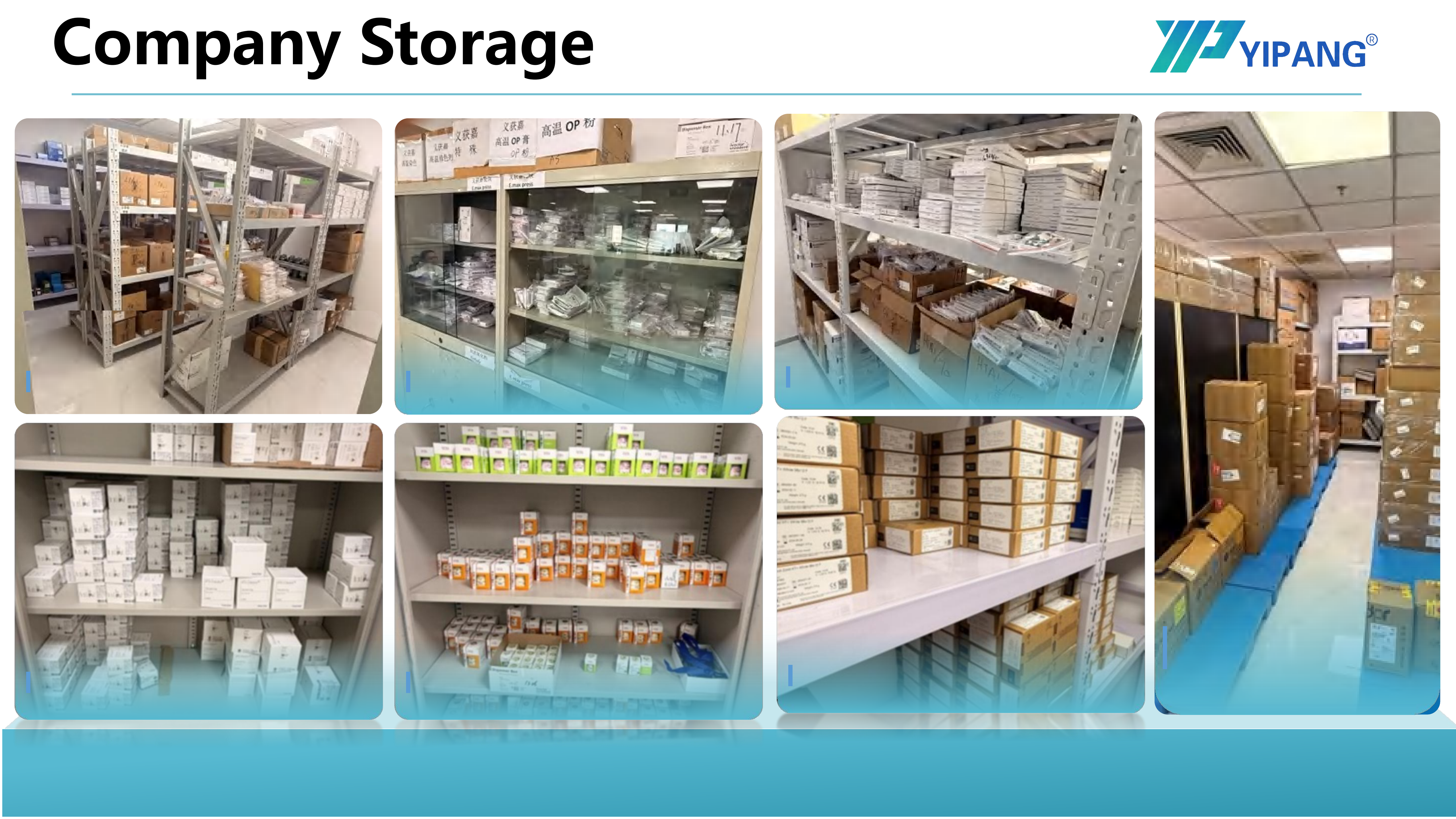
For context on the supplier behind the block: Beijing Weijiahua Dentistry Equipment Co., Ltd. exports 40%–55% of its output and serves markets across the Middle East, Southeast Asia, South America, North America, Eastern Europe, North Africa and Australia, with more than 1,000 dental laboratory customers in China.
How to Run the Comparison in Your Own Lab
A block comparison only produces a decision if it ends with data from the lab's own equipment. The following sequence keeps the exercise short and repeatable.
- Define the case mix you are actually buying for. Count anterior visible crowns and veneers separately from posterior crowns and multi-unit bridges. The aesthetic argument and the strength argument apply to different cases and should not be merged into one verdict.
- Match the block to the indication before the price. 4D-PRO-ML is listed for full-contour crowns, bridges, veneers and implant superstructure restorations. If a case falls outside that list, no price advantage compensates for it.
- Validate the sintering profile on your own furnace. Programme the heating curve to 1430 °C–1450 °C with the holding time your furnace documentation requires, cool naturally, and never exceed the maximum temperature. Rapid temperature change is the documented route to cracking.
- Inspect every blank before it enters the furnace. The documented mitigation for chipping and cracking starts with blank inspection. A blank with visible defects should be scrapped, not milled into a final restoration.
- Run one controlled trial batch. Mill a representative case — one anterior unit plus one multi-unit bridge is enough — and record shade match, marginal fit after sintering, connector integrity and any CAM compensation you had to change.
- Confirm supply terms in writing. Ask for batch consistency practice, customization scope and delivery time, and request the regulatory documentation your market requires. In the EU, MDR 2017/745 treats most dental restorative materials as high-risk, so the documentation package is part of the purchase, not a favour.
- Set a re-check trigger. Decide in advance what would force re-validation: a new furnace, a new milling machine, a new shade, or a measurable change in post-sinter fit.
Where Each Option Fits: Use Cases
Anterior full-contour crowns and veneers. This is the aesthetic test for any multilayer block. 4D-PRO-ML offers ML multilayer shades and medium translucency, and the thinner blank options cover small restorations without unnecessary waste. The practical requirement is a shade trial on the lab's own furnace cycle before production starts.
Posterior crowns and multi-unit bridges. Here the qualifying properties are the listed bending strength of ≥1200 MPa together with uniform density distribution through the blank — the technical characteristics the block points to for load-bearing indications.
Implant superstructure restorations. Implant superstructures are explicitly included in the block's indications, which matters for labs whose implant workflow is expanding, because the same blank family covers the prosthetic build-up without introducing a second material into the process.
High-volume milling centres. For labs running continuous production, batch consistency together with a sintering shrinkage error within ±0.3%, broad milling machine compatibility and a low processing failure rate are the properties that reduce unplanned rework.
Importers and distributors. Buyers sourcing for a dealer network usually compare landed cost and repeatability rather than a single case outcome. The self-developed domestic powder, stable batch consistency and the price position relative to imported blocks address that requirement directly, and flexible customization supports specification-specific supply.
Labs with older equipment. Sintering furnaces vary widely in age and control quality. Because the validated window for this block is 1430 °C–1450 °C with natural cooling, an older furnace with a coarse heating curve is the first thing to test — not the last.
4D-PRO-ML vs Standard Multilayer Zirconia Blocks: Comparison Table
The table below compares YIPANG 4D-PRO-ML's published data against the points a lab must verify on any standard multilayer zirconia block before switching production. The right-hand column is deliberately not filled with invented competitor figures: specifications for other blocks differ by supplier and by batch, and should be taken from the supplier's own datasheet and validated on the lab's equipment.
| Decision factor | YIPANG 4D-PRO-ML (published data) | Standard multilayer zirconia block: what to verify |
|---|---|---|
| Shade architecture | ML multilayer | Number and position of shade layers, and whether the gradient matches your anterior cases |
| Translucency | Medium translucent | Published translucency category or value, per shade where available |
| Blank geometry | 98 mm diameter; 10, 12, 14, 16, 18, 20 mm thickness | Available diameters and thicknesses versus your nesting efficiency |
| Material | Zirconium dioxide (ZrO₂), yttria stabilized | Declared zirconia grade and stabilizer content on the datasheet |
| Listed bending strength | ≥1200 MPa | Strength value and the indication list it is valid for |
| Sintering | Datasheet 1450 °C; recommended operating range 1430 °C–1450 °C; natural cooling; do not exceed maximum temperature | The sintering curve the manufacturer actually validated, including holding time |
| Shrinkage control | Sintering shrinkage error within ±0.3% | Declared tolerance and the CAM compensation factor the supplier recommends |
| Milling compatibility | Good compatibility with most mainstream dental milling machines; low processing failure rate | Recommended parameters and bur selection for your specific machine |
| Indications | Full-contour crowns, bridges, veneers, implant superstructure restorations | Indication list by thickness and by case type |
| Batch consistency | High-quality domestic self-developed zirconia powder with stable batch consistency | Batch traceability and how incoming powder is controlled |
| Price position | More competitive price than imported zirconia blocks of equivalent quality | Cost per seated unit after remakes, not cost per blank |
| Customization and delivery | Flexible customization; shorter delivery time | Customization scope, order practice and stated lead time |
| Quality system | Strict whole-process quality inspection; 25-engineer R&D team; 2,000 ㎡ facility | Documentation package required by your market, e.g. EU MDR 2017/745 expectations |
FAQ: Comparing 4D-PRO-ML with Standard Multilayer Blocks
What compliance documents should a lab request before switching zirconia block?
In the European Union, Medical Device Regulation (MDR 2017/745) classifies most dental implants and restorative materials as high-risk, requiring intensive clinical data. That classification is a buyer-side signal: when a lab or importer evaluates a new block, the documentation package should be requested as part of the quotation process, alongside technical datasheets. In practice this means asking for the material specification, the validated sintering profile, batch traceability information and the regulatory documents your market recognises, then confirming that the block delivered matches the documentation you were sent.
Which restorations can YIPANG 4D-PRO-ML cover?
4D-PRO-ML is listed for full-contour crowns, bridges, veneers and implant superstructure restorations. The block is a 98 mm dental zirconia disc supplied in ML multilayer shades with a medium translucent appearance, thicknesses of 10 mm, 12 mm, 14 mm, 16 mm, 18 mm and 20 mm, and a listed bending strength of ≥1200 MPa. It is a yttria-stabilized zirconium dioxide (ZrO₂) CAD/CAM milling blank, which places it in the load-bearing category rather than a purely aesthetic one.
Is 4D-PRO-ML cheaper than imported zirconia blocks?
The block is positioned with a more competitive price than imported zirconia blocks of equivalent quality, supported by high-quality domestic self-developed zirconia powder with stable batch consistency. The comparison is specifically against imported blocks of equivalent quality, not against every product on the market. For a lab, the more useful calculation is cost per seated unit: a block with a stable sintering shrinkage error within ±0.3% and a low processing failure rate reduces re-milling and remake costs, which can change the ranking even when unit prices are close.
Can our lab test the block before committing to production?
Yes — a trial batch is the only reliable way to compare blocks, and it should be run on the lab's own equipment. Mill a representative case, sinter it with the specified procedure (1430 °C–1450 °C, proper holding time, natural cooling, no rapid temperature change, never exceeding the maximum temperature), then check shade match, post-sinter fit and connector integrity against your current block. YIPANG handles sample and quotation requests through service@yipangdental.com and WhatsApp at +86-158-0156-5064, so the specification can be reviewed before an order is placed.
How do customization and lead time affect the switch?
YIPANG offers flexible customization and shorter delivery time, which matters most for labs and importers who need a specific thickness or shade set on a predictable schedule rather than as a one-off order. The company exports 40%–55% of its output to markets including the Middle East, Southeast Asia, South America, North America, Eastern Europe, North Africa and Australia, so shipping lanes and delivery expectations differ by region and should be confirmed per order. Before switching a production line, confirm customization scope, delivery time and batch consistency in writing, then schedule the changeover so that the trial batch and the first production order come from the same specification.
Conclusion: Three Checks, Then a Decision
Comparing 4D-PRO-ML with a standard multilayer zirconia block is not a question of which block is better in the abstract. It reduces to three verifiable checks. Aesthetic fit: ML multilayer shades with medium translucency, validated on a trial crown before anterior production. Structural fit: a listed bending strength of ≥1200 MPa with uniform density distribution, used within the posterior, multi-unit bridge and implant superstructure indications the block is listed for. Process fit: a 98 mm blank that mills at existing parameters, a sintering window of 1430 °C–1450 °C with natural cooling, and a stable sintering shrinkage error within ±0.3% that keeps CAM compensation predictable across batches.
Against a standard multilayer block, the differentiators that are documented rather than assumed are the sintering specification, the batch consistency that comes from self-developed domestic zirconia powder, and a price position measured against imported blocks of equivalent quality rather than against the cheapest blank available. Everything else should be decided with a trial batch on the lab's own furnace.
Next step: request a sample or a quotation for YIPANG 4D-PRO-ML, or review the block specification before your trial batch.
- Website: www.yipangdental.com
- Email: service@yipangdental.com
- WhatsApp / Tel: +86-158-0156-5064
- Company brochure (PDF): WJH Company Information
- Address: Room 603, Tower A, Building 1, No. 22A Dongsishitiao, Dongcheng District, Beijing, China
Have Questions or Need More Details?
Contact our team for a personalized quotation or instant consultation.
Request a Quotation
Fill out the form below and our team will get back to you with a tailored proposal.
WhatsApp Direct Chat
Prefer to chat in real-time? Message us on WhatsApp for instant assistance & quick answers.
- Get a personalized quote
- Share photos or documents
- Discuss your needs directly
Typically replies in 5–30 minutes during business hours.