
Comparing Dental Zirconia Blocks for Bridge vs. Crown Fabrication: A Guide for Labs
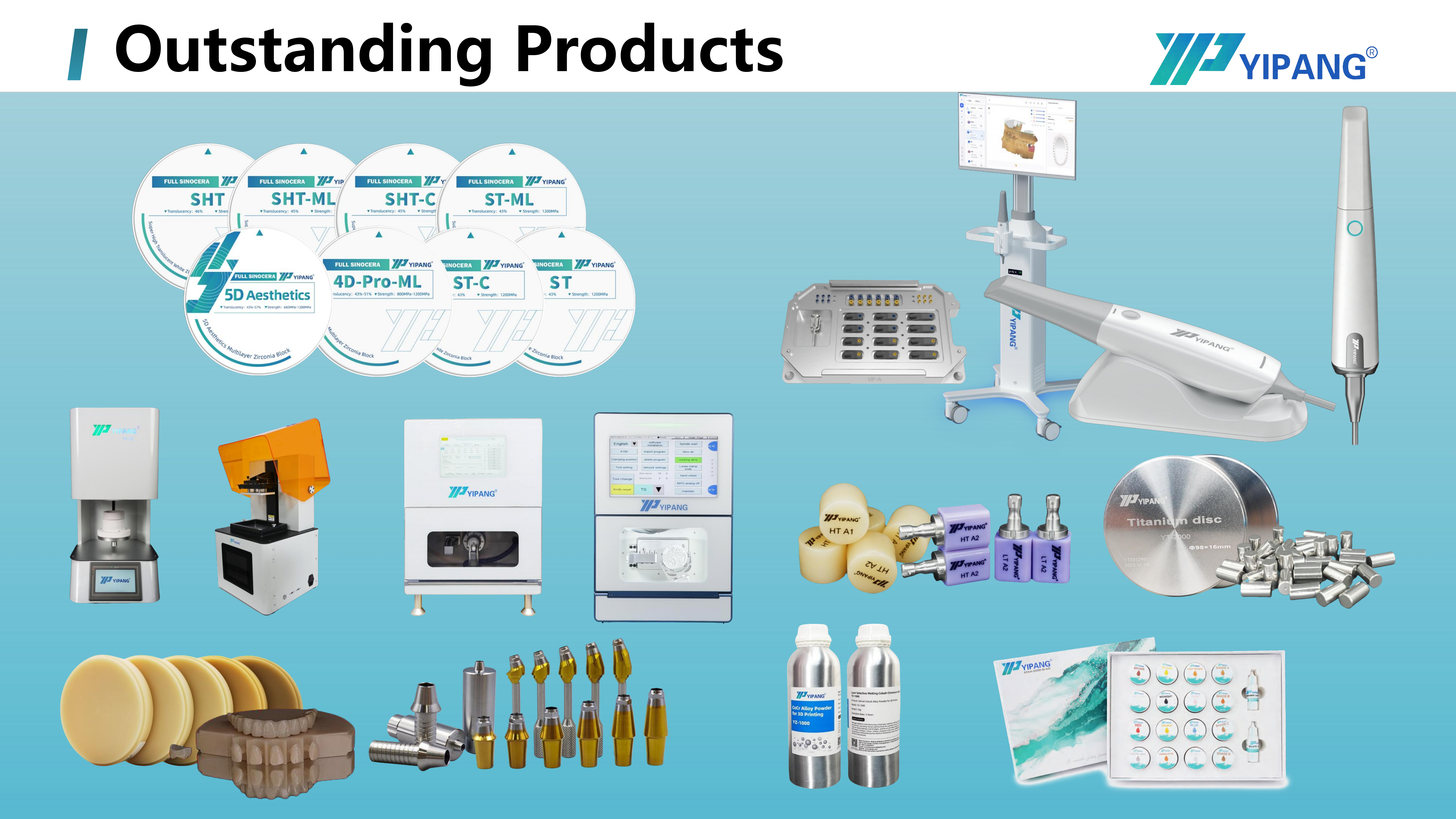
A 98 mm multilayer dental zirconia block used for both single-unit crowns and multi-unit bridge frameworks.
A single crown and a multi-unit bridge may be milled from the same 98 mm disc format, but they should not be evaluated against the same block criteria. Crown projects are usually decided by shade blending, translucency gradient and marginal fit. Bridge projects are decided by connector strength, how consistently a longer framework holds its dimensions through sintering, and whether the lab's sintering furnace can reproduce the same curve on every run. When a lab selects a dental zirconia block by brand familiarity or price alone, that difference tends to appear after the framework has already been sintered.
YIPANG is the dental materials brand of Beijing Weijiahua Dentistry Equipment Co., Ltd., a dental equipment company established in 1996 in Beijing, China, that supplies zirconia blocks, glass ceramics, press ingots, PMMA, wax, titanium blocks, implant abutments, scanners, milling machines, 3D printers and sintering furnaces to dental laboratories, clinics and distributors. This guide compares crown and bridge block selection point by point, and uses the published specification of the YIPANG 4D-PRO-ML zirconia block as the reference blank.
Problem Definition: Why Crown and Bridge Projects Pull a Blank in Two Directions
A crown is a single-unit project. Its success criteria are concentrated in a small area: whether the shade layer lands where the clinician needs it, whether the restoration seats without adjustment, and whether the surface holds up in a visible or load-bearing position. A bridge is a multi-unit project. Its success criteria spread across the whole framework: abutment units, the pontic, the connectors between them, and the relationship between all of those parts after the blank has shrunk.
The risk profile differs as well. Documented failure patterns for zirconia restorations include chipping and cracks after sintering, and two triggers are commonly identified: an improperly set sintering profile, and inherent defects inside the zirconia blank. The mitigation path is short and practical — follow the recommended sintering profile, inspect blanks before sintering, and scrap chipped or cracked blanks instead of using them for a final restoration. For a single crown, a scrapped unit costs one unit of milling time. For a multi-unit bridge, the same error removes the entire framework from the run.
The practical consequence is that block selection should follow project classification, not replace it. A workable sequence runs: project type (crown or bridge) → shade and translucency target → required strength → blank thickness → sintering behaviour → finishing method → supplier documentation. Skipping straight to a favourite product line is what produces the mismatch this guide is written to prevent.
Industry Background: Why Block Choice Became a Project-Level Decision
Zirconia is now a mainstream restorative material rather than a niche one. The global zirconia-based dental materials market was valued at USD 1.2 billion in 2025 and is projected to reach USD 2.3 billion by 2033, according to Grand View Research. Within that market, zirconia discs held the largest revenue share of 63.1% in 2025, which reflects how much of the category now runs through millable CAD/CAM blanks rather than powder or pre-sintered alternatives.
Processing follows the same direction. CAD/CAM milling accounted for 82.4% of zirconia dental manufacturing process revenue in 2025, and dental labs remain the dominant end user of zirconia materials, at 45.3% of market share in 2025 (Grand View Research). The 3Y-TZP zirconia grade held the largest product-grade revenue share at 35.9% in the same year, and the United States accounts for 40% of global zirconia-based dental materials revenue — a figure worth knowing for labs that quote export-facing clients.

Zirconia blank production supplies both single-crown and multi-unit bridge workflows.
Regulation shapes selection too. In the European Union, the Medical Device Regulation (MDR 2017/745) classifies most dental implants and restorative materials as high-risk, requiring intensive clinical data (European Commission). Laboratories serving EU clinics therefore tend to ask for material documentation rather than a specification sheet alone when qualifying a new block.
Equipment context matters because a blank is only as reliable as the chain it enters. Roland DG, Amann Girrbach and vhf camfacture were identified as significant market share holders in the dental milling machine sector as of 2024 (Fortune Business Insights). That concentration is one reason “compatible with most mainstream dental milling machines” behaves as a practical requirement rather than a marketing line: a blank that runs cleanly on one platform but not another forces the lab to re-engineer its own process.
Detailed Solution: What the 4D-PRO-ML Blank Contributes to Each Project Type
The YIPANG 4D-PRO-ML is a dental zirconia disc supplied as a CAD/CAM dental milling blank, made from zirconium dioxide (ZrO₂) with yttria stabilizer and offered in ML multilayer shades. It is produced in a 98 mm diameter format, the common disc size used by dental milling machines, and in six thickness options so a laboratory can match the blank to the height of the restoration. A single anterior crown and a full multi-unit framework do not need the same amount of material.
| Specification | YIPANG 4D-PRO-ML Zirconia Block |
|---|---|
| Material | Zirconium Dioxide (ZrO₂) with Yttria Stabilized |
| Type | Dental zirconia disc / CAD-CAM dental milling blank |
| Shades | ML Multilayer |
| Diameter | 98 mm |
| Thickness options | 10 mm, 12 mm, 14 mm, 16 mm, 18 mm, 20 mm |
| Sintering temperature | 1450℃ (recommended working range 1430℃–1450℃) |
| Bending strength | ≥1200 MPa |
| Translucency | Medium Translucent |
| Application scope | Full-contour crowns, bridges, veneers and implant superstructure restorations |
Two specification points drive most of the crown-versus-bridge discussion. First, bending strength is rated at ≥1200 MPa, which places the blank in the strength range used for posterior crowns and multi-unit bridges where the framework carries load. Second, translucency is described as medium translucent with a gradient multilayer structure. A gradient blank distributes shade through the thickness of the disc, so the incisal region of a crown reads differently from the cervical region — valuable in anterior and visible-zone single crowns, where a flat, uniform shade is easier for a clinician or patient to detect.
Shrinkage behaviour is the third point, and it is where crown and bridge projects diverge most. The product is described as having low shrinkage after sintering with high dimensional accuracy, and the case record for the YIPANG zirconia block programme highlights uniform translucency, stable sintering shrinkage and compatibility with most CAD/CAM systems, based on long-term cooperation with dental labs, clinics and distributors worldwide. For a crown, stable shrinkage protects the margin. For a bridge, it protects the relationship between units milled in the same nesting, because a longer framework accumulates tolerance across more geometry.
The blank is produced for dental laboratories and CAD/CAM milling workflows under indoor, constant-temperature dental laboratory conditions. Its matched equipment set is a dental lab scanner, a dental milling machine and a dental sintering furnace, and the process requirement is explicit: the standard sintering temperature curve has to be followed during processing. Finishing routes reported around the same workflow include glaze paste finishing, dental staining glaze, dental polishing burs and dental porcelain furnace firing.
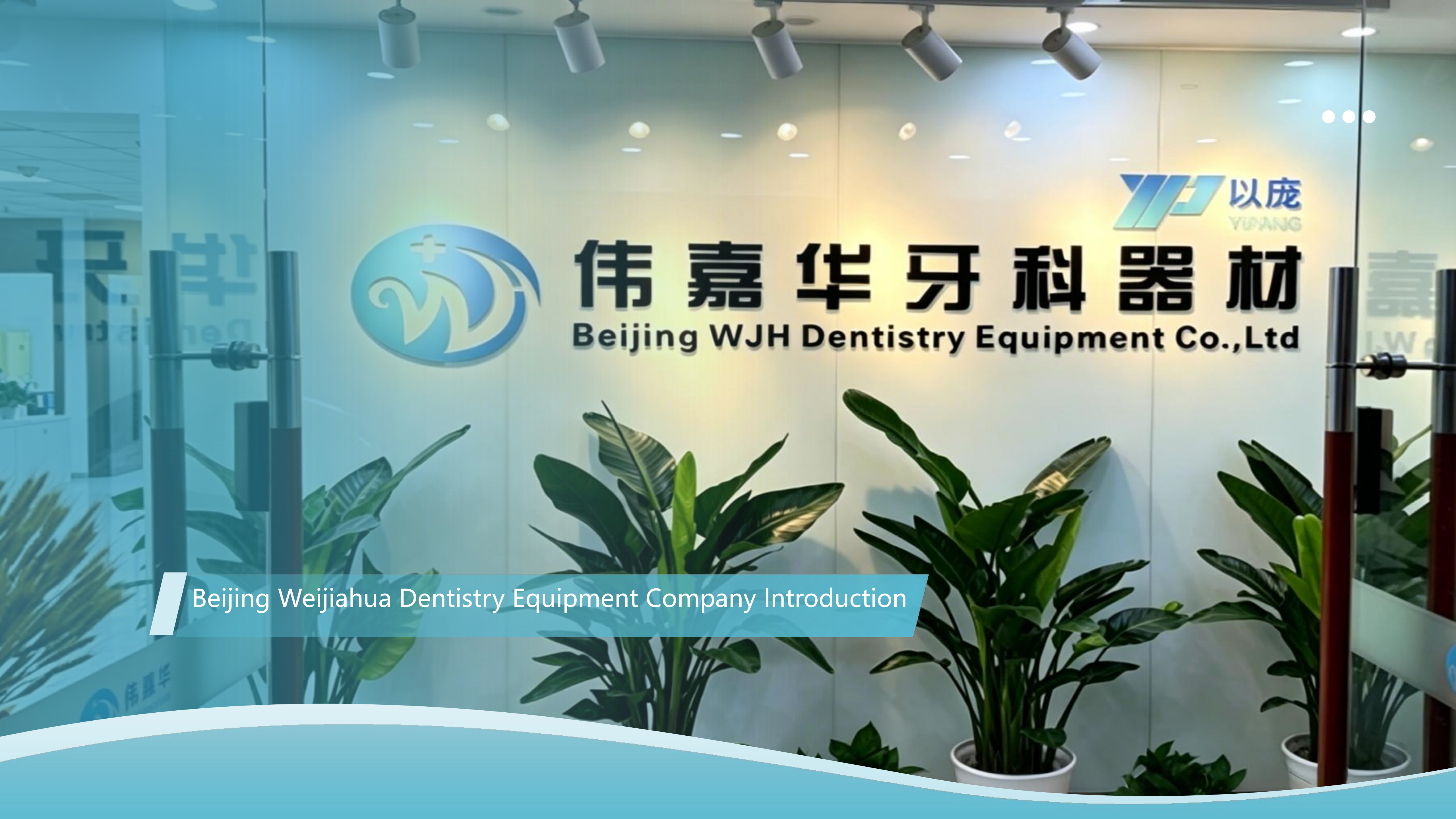
Specification review before purchase keeps crown and bridge requirements aligned with the blank ordered.
Supply-side capability matters when the same blank has to serve both project types consistently. Production runs under OEM/ODM with almost all specifications customizable, at a monthly capacity of 15,000 pieces, a lead time of 15–30 working days and a negotiable small MOQ. Quality control is described as 100% raw material inspection plus finished product random inspection, supported by online technical guidance and an after-sales response within 24 hours. Export markets include the USA, Europe, Brazil, the Middle East and North Africa, and the company reports hundreds of long-term cooperative clients worldwide across dental laboratories, clinics and distributors, with high recognition on material stability and aesthetic effect and a low customer complaint rate.
Step-by-Step Breakdown: From Scan to Sinter for Crowns and Bridges
The workflow is nearly identical up to sintering. The differences sit in blank choice, nesting strategy and how much tolerance the project can absorb before it becomes a remake.
- Classify the project before choosing the blank. Confirm whether the case is a single-unit crown, a multi-unit bridge, a veneer or an implant superstructure restoration. The 4D-PRO-ML is specified for full-contour crowns, bridges, veneers and implant superstructure restorations, so the block family covers the range — but the blank pulled from stock should be chosen per case, not per client.
- Set the aesthetic target for the visible zone. For anterior crowns, the priority is shade continuity and gradient translucency, which is what the ML multilayer structure is designed for. For posterior crowns and multi-unit bridges, the priority shifts to shade consistency across units, because the same shade has to repeat on every abutment and pontic milled in the run.
- Match blank thickness to restoration height. The blank is available in 10 mm, 12 mm, 14 mm, 16 mm, 18 mm and 20 mm thicknesses at 98 mm diameter. Single units are usually nested from thinner blanks; multi-unit frameworks and implant superstructures generally need more vertical material so the framework and its connectors can be produced without running out of blank height.
- Confirm the digital chain. The blank is designed for dental lab scanner-to-milling workflows and is compatible with most mainstream dental milling machines. Check that the scanner, the CAD parameters and the machine's disc holder all match the 98 mm format before the run starts, and use appropriate dental milling burs for the material.
- Inspect the blank and the milled framework before sintering. Blank defects are one of the documented triggers for post-sintering chipping and cracking. A visual check of the milled framework, especially around connector areas on bridges, costs far less than discovering the problem after a full sintering cycle.
- Sinter on the recommended curve. The blank's specified sintering temperature is 1450℃, with a recommended working range of 1430℃–1450℃. The standard procedure is to place the milled workpiece on the sintering tray, set the heating curve up to 1430℃–1450℃ with the proper holding time, then cool down naturally. Two safety notes apply to both project types: avoid rapid temperature change to prevent cracking, and do not exceed the maximum sintering temperature. A reliable dental sintering furnace is what converts those parameters into repeatable output, because the same curve has to be reproduced for a three-unit bridge as reliably as for a single crown.
- Finish, glaze and verify. Finishing follows the usual sequence of glaze paste, staining glaze and polishing burs, with dental porcelain furnace firing where the case requires it. Laboratories working in mixed ceramic and multi-material environments often run zirconia alongside PMMA disc, PEEK disc and other CAD/CAM materials; keeping sintering and finishing steps separated helps protect shade and surface quality.
Decision rule for busy labs: if a case is a single visible-zone unit, treat translucency and shade gradient as the selection driver. If a case is a multi-unit framework, treat shrinkage consistency and connector geometry as the driver. Both are served by the same blank family, but not by the same blank thickness or the same nesting logic.
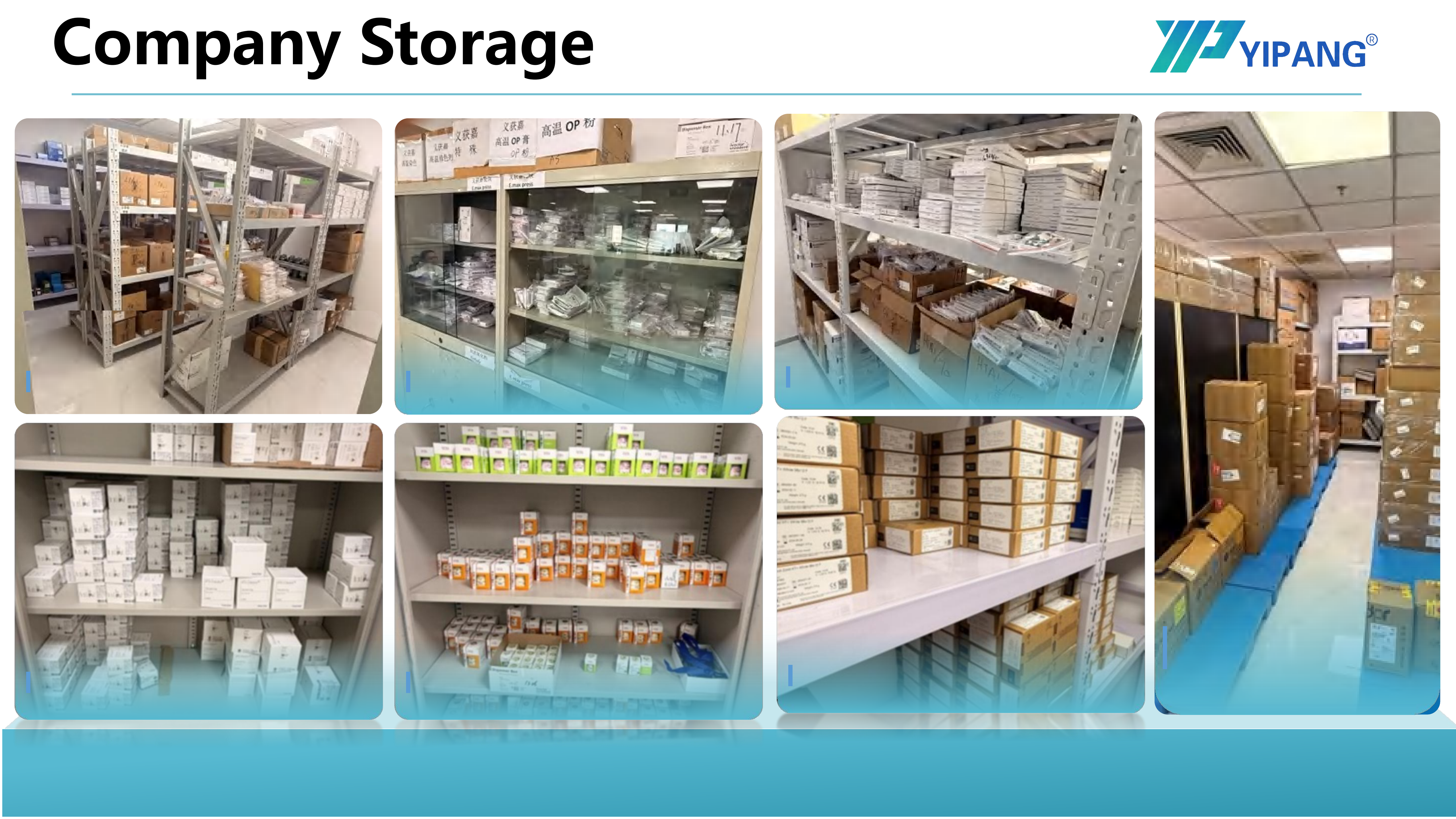
Planning blank thickness and sintering schedules against the lab's crown-to-bridge case mix.
Use Cases: Where Crown and Bridge Block Selection Shows Up in the Lab
The 4D-PRO-ML blank is used across digital dental laboratory projects, and its documented project types map directly onto how most laboratories organise their work:
- Multilayer crown and bridge projects — the core application, where a single blank specification has to serve both single-unit and multi-unit work.
- Aesthetic crown restoration laboratories and laboratories specialising in cosmetic and aesthetic restorations, where gradient translucency carries more weight than raw strength.
- Implant-supported full-arch restorations and edentulous cases, including edentulous scanbody kit workflows and implant abutment laboratories.
- High-volume milling and high-volume sintering workflows, typically found in dental milling centres and dental CAD/CAM milling laboratories running repeatable daily cycles.
- Mixed ceramic and multi-material milling projects, including workflows involving PMMA discs, PEEK discs and other CAD/CAM materials run alongside zirconia.
- Scanner-to-milling digital workflows, from dental lab scanner capture through CAD design to milling and finishing with glaze paste and polishing burs.
In every one of these settings, the crown-versus-bridge distinction shows up as a stocking decision: which thicknesses to keep on the shelf, which blanks to reserve for long-span frameworks, and which sintering loads to group together so a long cycle is never compromised by a rushed one.
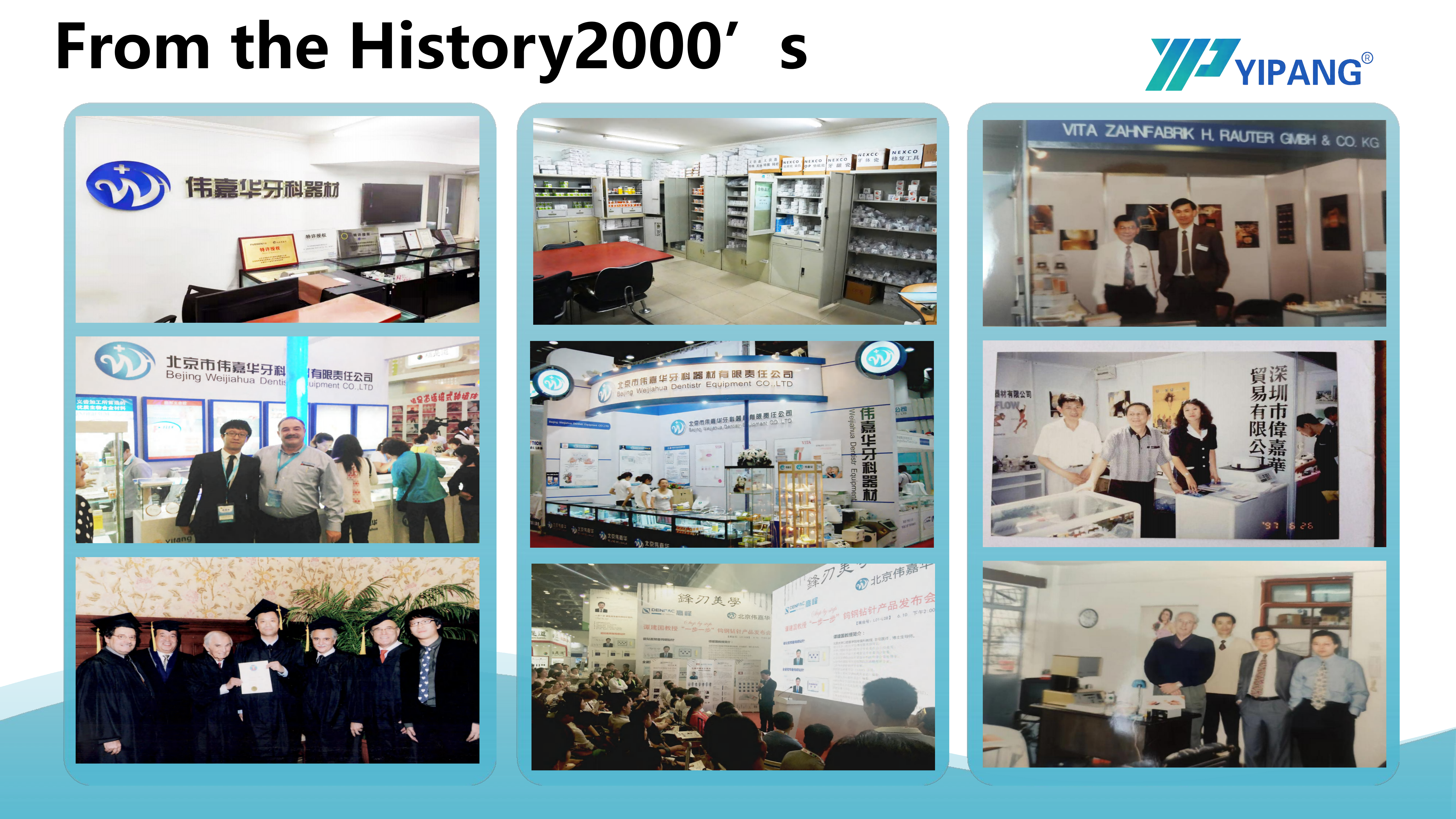
Dental laboratories, clinics and distributors applying the same blank family across different case types.
Comparison Table: Crown vs. Bridge Selection Criteria on the Same Blank
The table below compares the two project types using the verified specification of the YIPANG 4D-PRO-ML blank plus the application data published for it. It is a selection aid, not a ranking: the same blank grade can serve both columns, but the decisions inside each column are different.
| Selection Factor | Single-Unit Crown Projects | Multi-Unit Bridge Projects |
|---|---|---|
| Primary selection driver | Shade blend and gradient translucency in the visible zone | Connector strength and framework stability across multiple units |
| Relevant blank property | ML multilayer shading with medium translucency | ≥1200 MPa bending strength plus medium translucent multilayer shading |
| Typical thickness selection | Thinner blanks within the 10–20 mm range are usually sufficient | Thicker blanks are generally selected so the framework and connectors can be nested |
| Shrinkage sensitivity | Fit is verified unit by unit | Stable sintering shrinkage matters more because a longer framework accumulates dimensional error |
| Sintering demand | Shorter, lighter sintering loads are common | Longer frameworks require a reproducible curve; rapid temperature change can cause cracking |
| Supporting equipment | Dental lab scanner, dental milling machine, dental sintering furnace | Same equipment set, typically in high-volume milling and high-volume sintering workflows |
| Main risk to manage | Shade mismatch and marginal fit | Chipping or cracking after sintering from profile errors or blank defects |
| Finishing route | Glaze paste, staining glaze, polishing burs | Same finishing route, often with dental porcelain furnace firing for aesthetic layering |
Two clarifications prevent misreading the table. The ≥1200 MPa bending strength figure describes the blank material, not the finished restoration; final performance also depends on framework design, connector geometry and how faithfully the sintering curve is followed. And the thickness guidance is about nesting efficiency, not about a hard limit — a laboratory can mill a single crown from a 20 mm blank, but doing so by habit rather than by case raises material cost for no clinical gain.
FAQ: Crown and Bridge Zirconia Block Questions Labs Ask Before Buying
What should a lab verify for compliance before using one zirconia block type across crown and bridge projects?
In the European Union, Medical Device Regulation (MDR 2017/745) classifies most dental implants and restorative materials as high-risk, which means intensive clinical data is expected (European Commission). For a laboratory, the practical check is whether the supplier can document the material itself rather than only the finished restoration. YIPANG reports its quality control for the 4D-PRO-ML zirconia block as 100% raw material inspection plus finished product random inspection, and states that the block is produced under strict quality control meeting dental medical material standards. Because the same blank covers full-contour crowns, bridges, veneers and implant superstructure restorations, the documentation needs to address the material rather than a single restoration type.
Can a single 98 mm zirconia blank cover both a multi-unit bridge and a single crown?
Yes, with one caveat about thickness. The YIPANG 4D-PRO-ML is a 98 mm diameter CAD/CAM dental milling blank available in 10 mm, 12 mm, 14 mm, 16 mm, 18 mm and 20 mm thicknesses, with ML multilayer shading, ≥1200 MPa bending strength and medium translucency. A single crown is usually nested from a thinner blank, while a multi-unit bridge or implant superstructure generally needs more vertical material so the framework and its connectors can be produced inside the blank. The product family covers the full-contour crown, bridge, veneer and implant superstructure range; the thickness choice is what changes between project types.
What should labs look for in a dental zirconia block manufacturer for full-arch implant restorations?
Full-arch cases sit at the far end of the bridge spectrum, so three things matter more than in single-unit work: dimensional stability across a long framework, consistent translucency across many units, and a supplier able to keep the same specification available over time. YIPANG, the dental materials brand of Beijing Weijiahua Dentistry Equipment Co., Ltd., positions the 4D-PRO-ML blank for full-arch implant restorations, implant-supported full-arch cases and edentulous scanbody kit workflows, with case highlights of uniform translucency, stable sintering shrinkage and compatibility with most CAD/CAM systems. Production runs under OEM/ODM with almost all specifications customizable, at a monthly capacity of 15,000 pieces. Details are available at yipangdental.com.
What drives the cost difference between a crown case and a bridge case when the blank family is the same?
The blank is one line in the cost of a case and rarely the dominant one, so the variables a laboratory can control are thickness selection, how efficiently units are nested into a disc, how much blank material is lost to scrapped or chipped frameworks, and order volume at supplier level. Choosing a 20 mm blank for a single anterior crown consumes material that the case does not need, while running a multi-unit bridge from a blank that is too thin risks re-milling the whole framework. YIPANG offers a negotiable small MOQ and OEM/ODM customization, which lets a laboratory align stocked thicknesses with its actual crown-to-bridge case mix instead of bulk-buying one thickness.
What lead time and technical support should a lab expect when ordering zirconia blocks for crown and bridge production?
YIPANG lists a lead time of 15–30 working days, provides online technical guidance, and responds to after-sales problems within 24 hours. Laboratories evaluating the blank for the first time can request a sample, a quotation or the full product catalogue directly by email at service@yipangdental.com or by telephone and WhatsApp at +86 158-0156-5064; the company brochure covering the wider dental range is available here: WJH Company Information.
Conclusion: Pick the Blank Per Project, Not Per Habit
Crowns and bridges can share a blank family, a material grade and a sintering furnace, but they should not share a default selection habit. Single-unit crowns reward shade control and gradient translucency, which is where ML multilayer shading with medium translucency earns its place in anterior and visible-zone work. Multi-unit bridges reward strength, shrinkage consistency and a sintering cycle that repeats exactly, which is where a ≥1200 MPa blank, a 1430℃–1450℃ working range and a dependable sintering furnace carry the case.
The working rule for laboratories is simple: classify the project first, then choose the thickness, then protect the sintering step. That sequence reduces the two failure modes that actually cost money — shade mismatch on visible units and post-sintering chipping or cracking on long frameworks — and it keeps a mixed crown-and-bridge case flow running from the same stock of YIPANG 4D-PRO-ML blanks.
Next Step: Compare Blanks Against Your Own Case Mix
Send your crown-to-bridge ratio and the thicknesses you currently stock, and the YIPANG team will match the blank specification to your workflow — including sintering parameters, thickness mix and OEM/ODM options.
Email: service@yipangdental.com | Tel / WhatsApp: +86 158-0156-5064 | Web: www.yipangdental.com
Product catalogue and company profile: Download the WJH Company Information PDF.
Have Questions or Need More Details?
Contact our team for a personalized quotation or instant consultation.
Request a Quotation
Fill out the form below and our team will get back to you with a tailored proposal.
WhatsApp Direct Chat
Prefer to chat in real-time? Message us on WhatsApp for instant assistance & quick answers.
- Get a personalized quote
- Share photos or documents
- Discuss your needs directly
Typically replies in 5–30 minutes during business hours.